
 Pregledaj u prostoru
 Pošalji
 Podeli
 Detalji o delu
 Vodič
Vodič

 Preuzmi
 Slični predmeti
 Rendgenski snimak
 Automatska prezentacija
 Pitanja i odgovori
 Statistika
Alessandro de' Medici


 Pročitaj više
Giclee štampa / Umetnički otisak
Giclée štampa ili print na platnu muzejskog kvaliteta uz brzu izradu i raznovrsne opcije završne obrade. ( Kupite ručno oslikano delo Pređi na digitalnu sliku)




P118B дин10

P118H дин10

P118W дин10

P438Z дин10

P508JH дин12

P508YH дин12

P805H дин10

P805Z дин10

P919BZ дин10

P919G дин10

P919XJ дин10

P959ZH дин10

P968JZ дин12

W106C дин8

W218G дин10

W218JH дин8

W218Y дин10

W307PJ дин10

W316G дин10

W316PJ дин8

W316Y дин10

W398PJ дин8

W4111J дин10

W500HY дин15

W500JH дин15

W692G дин12

W849H дин8

W940BG дин15

W953PJ дин8




Izaberite jednu od naših unapred definisanih veličina koje odgovaraju originalnim proporcijama umetničkog dela.

Unesite željenu širinu i visinu kako bi se štampa uklopila u vaš ram ili zid. Štampu je moguće samo iseći, ali nikada povećati iznad dimenzija originalne slike, stoga format sa drugačijim proporcijama uzrokuje gubitak dela slike. Pre početka štampe, poslaćemo vam digitalni prikaz radi potvrde. Slika prikazana na ovoj stranici ne predstavlja stvarni isrez — to pokazuje samo digitalni prikaz.
Dostava širom sveta () za 2 nedelje umesto uobičajenih 4/5 nedelja. (7 новембар)

Besplatna ekspresna dostava širom sveta

Visokokvalitetno laneno platno

Potpuno osiguranje transporta

Garancija povraćaja carine i uvoznih dažbina

Garancija vernosti boja

Politika povraćaja u roku od 100 dana (samo u slučaju nedostataka)

Garancija povrata 100% novca

Popust na više proizvoda
 Opcija sa staklom dostupna je samo za dimenzije manje od 110 cm

Alessandro de' Medici
Giclee štampa / Umetnički otisak
Dimenzije reprodukcije
-


Ukupna cena
дин 8485
The Soul Beneath the Crown: A Study in Mannerist Melancholy
In the quiet, tension-filled corridors of 16th-century Florence, a new kind of portraiture began to emerge—one that sought not to flatter the sitter with outward glory, but to expose the profound psychological tremors beneath their skin. Jacopo Carucci, known more evocatively as Pontormo, achieved this feat masterfully in his 1535 masterpiece, Alessandro de' Medici. This is not merely a record of a ruler’s likeness; it is an intimate encounter with a soul caught in the crosswinds of political instability and personal introspection. As one gazes upon the face of the first Duke of Florence, there is an immediate sense of being drawn into a private moment of contemplation, where the weight of a turbulent reign is visible in the very shadows of the eyes.
The composition eschews the grand, sweeping landscapes and opulent backdrops typical of High Renaissance portraiture. Instead, Pontormo employs a deliberate simplicity, focusing the viewer’s entire attention on the upper torso and the hauntingly expressive face of Alessandro. By stripping away the distractions of worldly wealth, the artist forces an encounter with the subject's humanity. The minimal background serves to isolate the Duke, creating a vacuum of space that amplifies his sense of solitude. This stylistic choice is quintessential to the Mannerist movement, where the goal was to move beyond mere anatomical accuracy toward a more heightened, expressive, and often unsettling emotional truth.
Technique and the Language of Light
To behold this work is to witness the exquisite technical prowess of Pontormo’s brush. Utilizing oil on canvas, the artist layered pigments with a meticulous sensitivity that allows for breathtaking tonal gradations. The lighting is soft, almost diffused, as if filtered through the heavy atmosphere of a Tuscan twilight. This gentle illumination does not strike the subject with dramatic force; rather, it caresses the contours of the face, creating subtle transitions between light and shadow that lend a startling three-dimensional vitality to the skin. Such mastery of sfumato and tonal modulation allows the viewer to perceive the slight tension in the brow and the reflective depth within the gaze.
The color palette is a sophisticated arrangement of muted earth tones—deep browns, creamy highlights, and somber blacks, punctuated by subtle, bruised reds. These colors do not shout; they whisper of gravity and importance. The textures, though appearing smooth to the eye, possess an underlying complexity that suggests the heavy, fine fabrics of ducal attire. For the discerning collector or interior designer, this painting offers a profound sense of gravitas. It is a piece that does not demand attention through garishness but commands it through its quiet, undeniable presence, making it an ideal centerpiece for spaces designed for reflection, study, or sophisticated conversation.
A Legacy of Emotional Resonance
Beyond the technical brilliance lies the historical and symbolic heartbeat of the piece. Alessandro de' Medici lived a life defined by transition and uncertainty, and Pontormo captures this zeitgeist with uncanny precision. The elongated forms and slightly distorted perspectives characteristic of Mannerism serve as visual metaphors for a world where the stable proportions of the Renaissance were fracturing. There is an inherent ambiguity in the subject’s expression—is it pride, or is it sorrow? Is it the composure of a leader, or the mask of a man burdened by his station?
This ambiguity is precisely what gives the portrait its enduring power. It invites the viewer to participate in the interpretation, making every encounter with the artwork a new discovery. For those seeking to adorn their homes or galleries with works of significant intellectual and emotional depth, a high-quality reproduction of this Pontormo masterpiece offers more than just aesthetic beauty; it offers a window into the complexities of the human condition. It is an invitation to dwell in the presence of greatness, even in its most vulnerable and melancholic moments.
Pitanja i odgovori
Kakvo je opšte raspoloženje dela „Alessandro de' Medici”, autor Ђакопо Понтормо?
Opšta atmosfera dela „Alessandro de' Medici”, autor Ђакопо Понтормо je Dramatic. Ova atmosfera opisuje opšti dojam koji delo ostavlja.
Da li postoji prezentacija u obliku slajdova za „Alessandro de' Medici”, autor Ђакопо Понтормо?
Dijaporama dela "Alessandro de' Medici" dostupna je na stranici Galerija slika tog umetničkog dela.
Kakva su prava na reprodukciju dela "Alessandro de' Medici" u muzeju Art Institute of Chicago?
Delo „Alessandro de' Medici”, autor Ђакопо Понтормо, koje se čuva u muzeju Art Institute of Chicago, nalazi se u u javnom vlasništvu – autorska prava su istekla statusu. Ovaj status određuje da li je dozvoljeno izrada reprodukcija slike.
Biografija umetnika
Melanholijski vizionar: Život i nasleđe Đakopa Понтормоа
Đakopo Каручи, istoriji poznat pod upečatljivim imenom Понтормо, bio je umetnik čija je četkica uspela da uhvati samu suštinu tranzicije. Rođen u malom toskanskom selu Понторме око 1494. године, njegovo rano detinjstvo obeležio je duboki osećaj samoće i melanholije, osobine koje će kasnije prožeti njegova platna neprevaziđenom psihološkom dubinom. Kao mladi šegrt u Firenci, koračao je kroz svet promenljivih umetničkih paradigmi, na kraju se izdvojivši kao centralna figura firentinske manierističke pokretne. Za razliku od majstora Visoke renesanse koji su težili savršenstvu kroz ravnotežu i matematičku harmoniju, Понтормо je gledao unutra, nastojeći da izrazi turbulentne, često uznemirujuće složenosti ljudske duše. Njegove formativne godine oblikovale su senke divova. Pod mentorstvom Domenika дел Полаиуола i pod monumentalnim uticajem Mišelанђела Буонаротија, savladao je anatomsku preciznost potrebnu renesansnom majstoru, ali je posedovao neobuzdanu želju da upravo tu stvarnost izobliči radi postizanja emocionalnog efekta. Inspiraciju je crpeo ne samo iz skulpturalne težine Микеландјела, već i iz složenih, emotivnih gravura Албрехта Дјурера. Ova jedinstvena sinteza italijanske forme i severnoevropskog ekspresivnog detalja omogućila mu je da pionira stil u kojem se likovi čine kao da gube vezu sa gravitacijom, lebdeći kroz dvosmislene, sanjane prostore.Arhitektura manierizma: Stil i inovacija Posmatrati Понтормоvo delo znači ući u carstvo gde su poznati zakoni fizike i perspektive suspendovani. Njegov rad predstavlja namerno odstupanje od spokojne, perspektivne regularnosti njegovih prethodnika. U remek-delima kao što su njegova "Vizitacija" ili proganjajuća "Depozicija", uočavaju se obeležja njegove revolucionarne manierističke estetike: izdužene udove, isprepletene i neprirodne poze, te paleta živopisnih, gotovo kiselkastih boja koje se sukobljavaju i svetlucaju nebeskom svetlošću. On je zamenio stabilne, trouglaste kompozicije renesanse vrtložnim, prepunim aranžmanima koji izazivaju osećaj nemirne energije i duhovnog nemira. Tehnička briljantnost Понтормоа ležala je u njegovoj sposobnosti da koristi boju i formu kao psihološke alate. Njegovi likovi često izgledaju kao da plutaju u neizvesnim okruženjima, nepokolebljivi težinom, stvarajući osećaj duboke nestabilnosti. To nije bila puka veština; bio je to nameran pokušaj da se prenesu duhovne anksioznosti ere zarobljene između sigurnosti renesanse i nadolazeće drame baroka. Bilo kroz dramatičnu svetlost u njegovom "Večer u Emau" ili oštru, emotivnu intenzitet koji se nalazi u njegovim studijama Hrista, Понтормо je koristio svaki potez četkicom da istraži teme tuge, pobožnosti i božanskog.
Trajni utisak na istoriju umetnosti
Istorijski značaj Đakopa Понтормоа ne može se preuveličati. Služio je kao vitalni most, prevodeći klasične ideale 15. veka u ekspresivni, teatralni jezik koji će definisati veliki deo umetnosti 16. veka. Njegov uticaj se proširio kroz firentinsku školu, oblikujući dela naslednika poput Bronzina i osiguravajući da tenzija između lepote i veštačkog ostane centralni dijalog u evropskom slikarstvu. Njegovo delo ostaje svedočanstvo o moći individualne vizije nad tradicijom. Kroz svoje portrete, kao što je veličanstveni "Kozimo I de Mediči", i svoja duboko simbolična religiozna dela, pokazao je da umetnost može biti više od ogledala stvarnosti; ona može biti prozor u podsvest. Iako je njegov život često bio u senci lične tuge, sjaj njegove boje i složenost njegovih kompozicija nastavljaju da očaravaju, pozivajući svakog posmatrača da se izgubi u prelepom, izobličenom i duboko ljudskom svetu firentinskog majstora.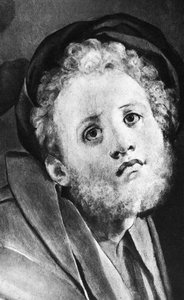
Ђакопо Понтормо
1494 - 1557 , Италија
Osnovne informacije
- Artistic Movement Or Style: Manirizam
- Artists Or Movements Influenced By This Artist: ['Rosso Fiorentino']
- Artists Who Influenced This Artist: ['Leonardo da Vinci']
- Date Of Birth: oko 1494.
- Date Of Death: 1557/7.
- Full Name: Jacopo Pontormo
- Nationality: Italijan
- Notable Artworks (List Of Titles):
- Poseta
- Spuštanje s krsta
- Place Of Birth (City And Country): Pontorme, Italija
Povezani članci

About Us
Discover our story! We bring world-class art into your life through expert curation, personalized creations, and free previews. Trusted by individuals and businesses since 2000.

Francisco Goya: 25 Remek-dela Španskog Majstora za Vaš Dom | OriginalUniqueArt
Istražite 25 remek-dela Francisca Goya, španskog slikara romantizma i impresionizma. Portreti, tamne slike & istorija umetnosti na OriginalUniqueArt.com! Kupite reprodukcije slika vrhunskog kvaliteta za dekoraciju enterijera. Otkrijte celu kolekciju online.

The Enduring Legacy of Fine Art Prints: Technique, History & Aesthetic Impact
Explore the rich history & techniques of fine art prints. Discover investment potential, assess authenticity, and learn how to preserve your collection with expert guidance. Trusted insights for discerning collectors.

Jacopo Pontormo: A Bridge Between Renaissance Tradition & Mannerist Emotion
Explore the captivating world of Jacopo Pontormo, a pivotal Italian Mannerist painter. Discover his unique style, influences & masterpieces – and find museum-quality reproductions at OriginalUniqueArt.

Giclée Prints: Archival Quality & Aesthetic Nuances for the Discerning Collector
Explore the world of giclée prints with OriginalUniqueArt. Learn about archival quality, aesthetic nuances & investment potential. Expert guidance for discerning art collectors seeking museum-quality reproductions and lasting value.

