

 Pregledaj u prostoru
 Pošalji
 Podeli
 Detalji o delu

 Преузми
 Slični predmeti
 Rendgenski snimak
 Slajdovi
Flagellation
 Acrylic On Canvas
- WallArt
- Early Renaissance Italian
 1450
1450 426.0 x 286.0 cm
 Louvre
 Pročitaj više
Giclee štampa / Umetnički otisak
Giclée štampa ili print na platnu muzejskog kvaliteta uz brzu proizvodnju i fleksibilne opcije završne obrade. ( Kupi ručno naslikanu sliku Kupi digitalnu sliku)




P118B $10

P118H $10

P118W $10

P438Z $10

P508JH $12

P508YH $12

P805H $10

P805Z $10

P919BZ $10

P919G $10

P919XJ $10

P959ZH $10

P968JZ $12

W106C $8

W218G $10

W218JH $8

W218Y $10

W307PJ $10

W316G $10

W316PJ $8

W316Y $10

W398PJ $8

W4111J $10

W500HY $15

W500JH $15

W692G $12

W849H $8

W940BG $15

W953PJ $8




Izaberite jednu od naših unapred definisanih veličina koje odgovaraju originalnim proporcijama umetničkog dela.

Možete uneti sopstvene dimenzije kako biste umetničko delo prilagodili specifičnom okviru ili prostoru. Ako odabrani format ne odgovara proporcijama originalne slike, mi ćemo ili iscrtati deo dela ili proširiti sliku pomoću ogledane ivice ili jednobojnog popunjavanja. Digitalni prikaz će vam biti poslat na odobrenje pre početka proizvodnje.
Imajte na umu da pregled na ekranu ne odražava stvarno iscrtavanje ili proširivanje. Samo će prikaz (mockup) precizno pokazati finalnu kompoziciju.
Iako su prilagođene dimenzije dostupne, preporučujemo da odaberete dimenziju sa unapred definisane liste kako biste očuvali originalne proporcije.
Dostava širom sveta () za 2 nedelje umesto uobičajenih 4/5 nedelja. (14 август)

Besplatna ekspresna dostava širom sveta

Visokokvalitetno laneno platno

Kompletno osiguranje transporta

Garancija povraćaja carine i uvoznih dažbina

Garancija vernosti boja

Politika povrata u roku od 60 dana (samo u slučaju nedostataka)

Garancija povrata novca od 100%

Popust pri grupnoj kupovini
 Opcija sa staklom dostupna je samo za dimenzije manje od 110 cm

Flagellation
Giclee štampa / Umetnički otisak
Dimenzije reprodukcije
-


Konačna cena
$ 80
Opis predmeta
A Study in Divine Order: Jacopo Bellini’s Flagellation
Jacopo Bellini's "Flagellation," painted circa 1450, isn’t merely a depiction of a biblical scene; it’s a profound meditation on human suffering, civic duty, and the nascent principles of Renaissance perspective. This remarkable drawing, now residing within the British Museum’s collection, offers a tantalizing glimpse into the mind of one of Venice's most influential artists – a man who was quietly revolutionizing how images were conceived and rendered in his time. Far removed from the grand, opulent frescoes that dominated Venetian art, Bellini’s preparatory sketch possesses an intimate quality, inviting us to witness the genesis of a masterpiece and contemplate the artist’s meticulous process.
The scene itself is both dramatic and restrained. A vast architectural complex dominates the composition – a towering structure of arches, balconies, and intricate detailing that speaks to the power and order of the Venetian Republic. Within this meticulously constructed space, figures are engaged in a brutal act: the scourging of Christ. The arrangement isn’t chaotic; rather, it adheres to a strict geometric logic, reflecting Bellini's deep understanding and application of linear perspective. The receding lines of the building create an illusion of depth, drawing the viewer into the scene while simultaneously emphasizing the figures’ vulnerability within this imposing framework. This careful orchestration of space is a hallmark of Renaissance art, signaling a shift away from the flattened perspectives of earlier periods.
Early Renaissance Innovation and Venetian Sensibility
Bellini's work stands as a crucial bridge between the Gothic traditions of his predecessors and the groundbreaking innovations of the High Renaissance. He inherited the rich color palettes and decorative tendencies of Venetian painting, but he also embraced the emerging principles of linear perspective championed by artists like Brunelleschi and Masaccio. Unlike many of his contemporaries who focused on grand narratives or religious iconography, Bellini’s preparatory sketches reveal a fascination with architectural studies – a testament to his belief that understanding form and structure was essential for creating compelling images. The drawing's focus isn’t on the emotional impact of Christ’s suffering, but rather on the precise rendering of the building itself, suggesting an underlying concern with civic order and the representation of power.
The monochrome palette – a carefully calibrated range of grays – contributes significantly to the artwork’s solemn mood. Bellini masterfully employs hatching and cross-hatching techniques to create subtle variations in tone and texture, lending a remarkable sense of volume and depth to the architectural elements. The delicate lines delineate every archway, column, and window frame with painstaking detail, demonstrating Bellini's exceptional draftsmanship. This meticulous approach reflects not only his artistic skill but also his deep respect for the subject matter – a reverence that is palpable in every stroke of the pen.
Symbolism and Historical Context
While the immediate narrative of "Flagellation" is rooted in the Passion of Christ, it’s important to consider the broader historical context within which Bellini was working. Venice during the mid-15th century was a thriving center of commerce, art, and political intrigue. The city's wealth and power were reflected in its magnificent architecture, and its citizens took great pride in their civic identity. Bellini’s drawing can be interpreted as an allegory for this civic ethos – a visual representation of the Republic’s strength, order, and commitment to justice. The act of scourging, though undeniably painful, is presented within a framework of architectural grandeur, suggesting that suffering is an inevitable part of the human experience but one that must be endured with dignity and fortitude.
Furthermore, the drawing's scale – measuring 426 x 286 cm – suggests its intended role as a preparatory study for a larger work, possibly a monumental fresco or tapestry. The level of detail evident in this sketch indicates Bellini’s meticulous planning and his commitment to achieving a truly immersive visual experience. It is a testament to the artist's vision that he could translate such complex ideas into a single drawing, demonstrating both technical mastery and artistic insight.
A Legacy of Precision and Vision
Jacopo Bellini’s “Flagellation” stands as a pivotal work in the development of Renaissance art. It exemplifies his innovative approach to perspective, his meticulous draftsmanship, and his deep understanding of Venetian culture. More than just a depiction of a biblical scene, it is a profound meditation on human suffering, civic duty, and the enduring power of artistic vision. Reproductions of this drawing offer a unique opportunity to appreciate Bellini’s genius and to connect with one of the most influential artists of the Renaissance.
Biografija umetnika
Venecijanski pionir renesansne perspektive
Đakopo Belini stoji kao ključna figura u rađanju renesansnog stila slikarstva koji je cvetao u Veneciji i severnoj Italiji. On je bio mnogo više od običnog slikara; bio je jedan od temeljnih inovatora svog doba, oblikujući umetničke senzibilitete kroz pedantno posmatranica prirode i majstorsko uvođenje linearne perspektive – tehnike koja je prethodno bila uglavnom odsutna iz venecijanske tradicije. Iako danas preživi vrlo malo Belinijevih originalnih platna koja bi se mogla posmatrati u punom sjaju, njegovo duboko nasleđe prvenstveno živi u njegovim izvrsnim skicama, poput onih koji se čuvaju u Britanskom muzeju i Luvru. Ovi crteži otkrivaju duboku fascinaciju prostranim pejzažnim vidicima i složenim arhitektonskim projektima, nudeći neprocenjiv uvid u umetnički proces koji je nagovestio stilske revolucije narednih vekova.
Rođen u Veneciji oko 1396. godine, Đakopove formativne godine bili su prožeti bogatim, dekorativnim tradicijama kasnog gotičkog perioda. Njegovo rano obrazovanje sugeriše da je bio učenik slavnog Đentilea da Fabrijana, umetnika čija je radionica proizvela neke od najambicioznijih i najukrasnijih fresaka tog vremena. Ova prestižna povezanost nesumnjivo je u Beliniju usadila doživotno poštovanje prema zamršenim detaljima, harmoniji boja i određenoj dekorativnoj složenosti. Tokom početka svoje karijere bio je aktivan u Folinju između 1411. i 1412. godine, gde je sarađivao na monumentalnim freskama Palazija Trinci, radeći rame uz rame sa samim majstorima koji su definisali međunarodni gotički stil.
Putovanje kroz srce renesanse
Značajna prekretnica dogodila se kada je Belini oko 1423. godine otputovao u Firencu. Ovo putovanje postavilo ga je u epicentar intenzivnog perioda umetničkog eksperimentisanja predvođenog luminarima kao što su Bruneleski, Donatelo i Masačio. U Firenci se susreo sa uzbudljivom naukom linearne perspektive, otkrićem koje će fundamentalno izmeniti njegov pristup prostoru i dubini. Spajajući lirnu, dekorativnu eleganciju svojih venecijanskih korena sa strukturnom rigoroznošću i prostornom jasnoćom firentinskih inovatora, Belini je počeo da kova jedinstven vizuelni jezik. Ova sinteza omogućila mu je da se pomeri iznad ravnih, simboličkih ravni srednjeg veka ka imerzivnijem prikazu sveta, koji podseća na prozor kroz koji gledamo u stvarnost.
Kako je njegova karijera napredovala, Belini je postao centralna figura u uspostavljanju porodične dinastije koja će dominirati venecijanskom umetnošću generacijama. Njegov uticaj nije bio samo lični već i pedagoški, jer je svoje inovacije preneo na svoje sinove, Đentilea i Đovanija. Kroz njih su se seme njegovih eksperimenata sa svetlom, pejzažom i perspektivom procvetalo u raskoš visoke renesanse koja se povezuje sa imenom Belini. Njegov rad služio je kao most između ornamentalnih tradicija prošlosti i humanističkog realizma budućnosti, čineći ga neizostavnim osvetljenjem u evoluciji italijanske umetnosti.
Nasleđe i istorijski značaj
Istorijski značaj Đakova Belinija leži u njegovoj ulozi katalizatora promene. Iako je veliki deo njegovog stvaralaštva ostao zabeležen u intimnom medijumu mastila i pera, te skice služe kao nacrt za venecijansku renesansu. Njegova sposobnost da zamisli složene, višeslojne pejzaže i matematički koherentne arhitekture pružila je osnovu njegovim naslednicima da istraže atmosfersku lepotu venecijanske lagune. Proučavati Belinija znači svedočiti samom trenutku kada je oko umetnika počelo istinski da ovladava iluzijom dubine, zauvek menjajući način na koji čovečanstvo doživljava naslikani svet.
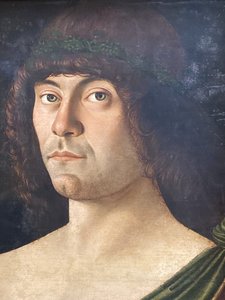
Džako Belini
1396 - 1470 , Italija
Osnovne informacije
- Artistic Movement Or Style: Renesansa
- Artists Or Movements Influenced By This Artist: ['Masaccio']
- Artists Who Influenced This Artist: ['Gentile da Fabriano']
- Date Of Birth: Venecija, Italija (1396)
- Date Of Death: oko 1470.
- Full Name: Jacopo Bellini
- Nationality: Italijan
- Notable Artworks:
- Razapriće u katedrali u Veroni
- Madonna idete
- Place Of Birth: Venecija
Povezani članci
The Enduring Legacy of Architecture in Art: A Historical Survey of Representation & Meaning
Explore the rich history of architecture in art, from Renaissance theory to 19th-century reconstructions. Discover key artists & movements shaping visual representation – a guide for discerning collectors.
The Enduring Legacy of Architecture in Art: A Historical Survey of Representation & Aesthetic Influence
Explore the rich history of architecture's influence on art! Discover Renaissance perspective techniques, symbolism, & iconic masterpieces. Enhance your understanding with our expert analysis.
Piero della Francesca: Renaissance Perspective, Divine Proportion & the Pursuit of Ideal Form
Explore the revolutionary art of Piero della Francesca – master of perspective, divine proportion & Renaissance humanism. Discover his iconic paintings & lasting influence on art history.

The Flourishing of Humanism: A Comprehensive Exploration of the Italian Renaissance Art Movement
Explore the Italian Renaissance! Discover humanist ideals, iconic masterpieces by Leonardo, Michelangelo & Raphael, and lasting artistic innovations. A comprehensive guide for art enthusiasts.
Acrylic Canvas Masters: 10 Paintings That Redefined Modern Art |
Explore 10 legendary 'Acrylic On Canvas' masterpieces by artists like Rothko, Warhol & Frankenthaler. Discover the stories behind these iconic paintings and their impact on modern art. Find museum-quality reproductions at – elevate your home with timeless beauty.

