
 Pregledaj u prostoru
 Pošalji
 Podeli
 Detalji o delu

 Преузми
 Slični predmeti
 Rendgenski snimak
 Slajdovi
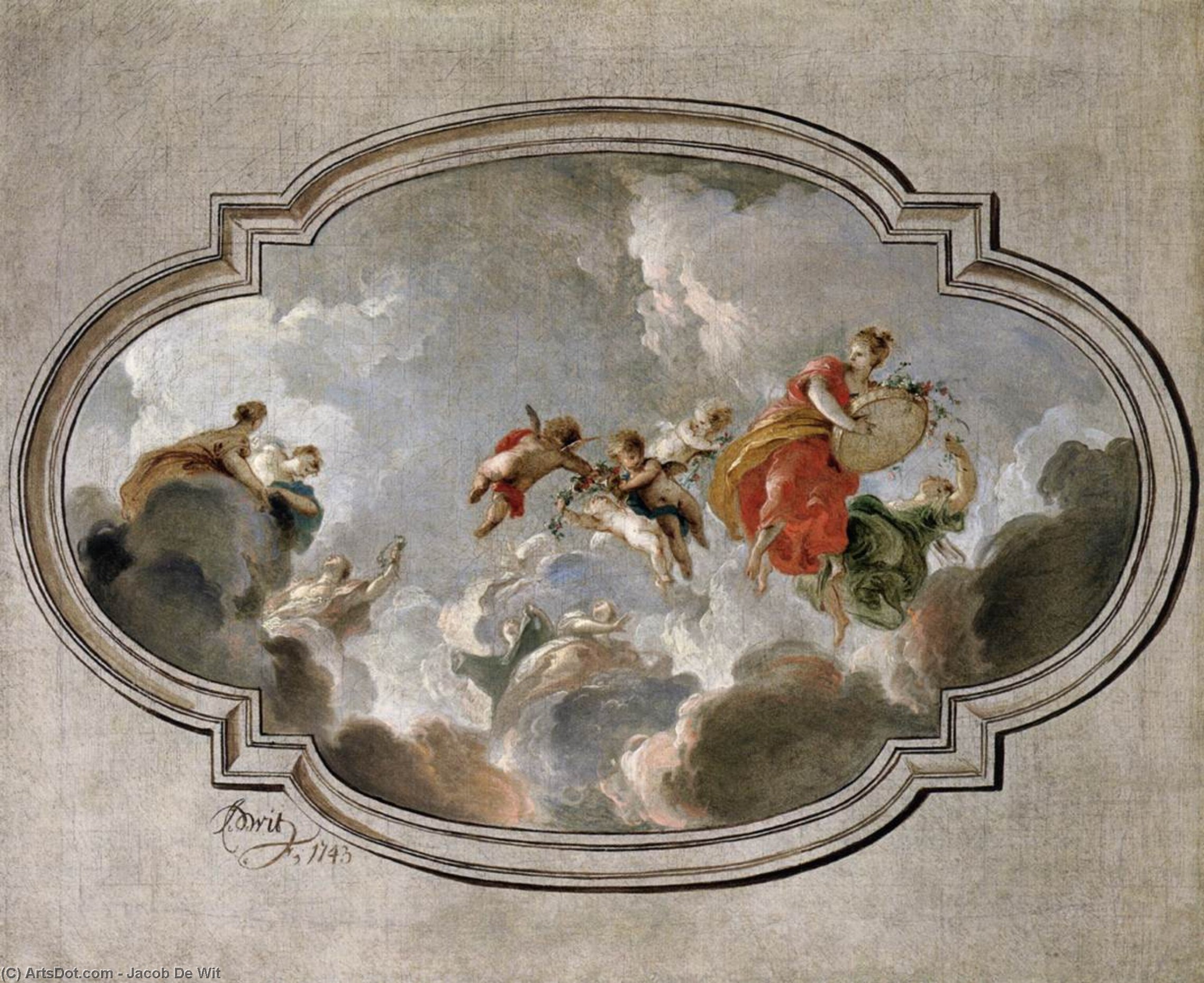
Flora and Zephyr
 Oil On Canvas
- WallArt
- Rococo
 1743
1743 53.0 x 63.0 cm
 Metropolitan Museum of Art
 Pročitaj više
Giclee štampa / Umetnički otisak
Giclée štampa ili print na platnu muzejskog kvaliteta uz brzu proizvodnju i fleksibilne opcije završne obrade. ( Kupi ručno naslikanu sliku Kupi digitalnu sliku)




P118B $10

P118H $10

P118W $10

P438Z $10

P508JH $12

P508YH $12

P805H $10

P805Z $10

P919BZ $10

P919G $10

P919XJ $10

P959ZH $10

P968JZ $12

W106C $8

W218G $10

W218JH $8

W218Y $10

W307PJ $10

W316G $10

W316PJ $8

W316Y $10

W398PJ $8

W4111J $10

W500HY $15

W500JH $15

W692G $12

W849H $8

W940BG $15

W953PJ $8




Izaberite jednu od naših unapred definisanih veličina koje odgovaraju originalnim proporcijama umetničkog dela.

Možete uneti sopstvene dimenzije kako biste umetničko delo prilagodili specifičnom okviru ili prostoru. Ako odabrani format ne odgovara proporcijama originalne slike, mi ćemo ili iscrtati deo dela ili proširiti sliku pomoću ogledane ivice ili jednobojnog popunjavanja. Digitalni prikaz će vam biti poslat na odobrenje pre početka proizvodnje.
Imajte na umu da pregled na ekranu ne odražava stvarno iscrtavanje ili proširivanje. Samo će prikaz (mockup) precizno pokazati finalnu kompoziciju.
Iako su prilagođene dimenzije dostupne, preporučujemo da odaberete dimenziju sa unapred definisane liste kako biste očuvali originalne proporcije.
Dostava širom sveta () za 2 nedelje umesto uobičajenih 4/5 nedelja. (15 август)

Besplatna ekspresna dostava širom sveta

Visokokvalitetno laneno platno

Kompletno osiguranje transporta

Garancija povraćaja carine i uvoznih dažbina

Garancija vernosti boja

Politika povrata u roku od 60 dana (samo u slučaju nedostataka)

Garancija povrata novca od 100%

Popust pri grupnoj kupovini
 Opcija sa staklom dostupna je samo za dimenzije manje od 110 cm

Flora and Zephyr
Giclee štampa / Umetnički otisak
Dimenzije reprodukcije
-


Konačna cena
$ 80
Opis predmeta
A Celestial Dance: Jacob de Wit’s “Flora and Zephyr”
Jacob de Wit's "Flora and Zephyr," painted in 1743, isn’t merely a depiction of mythological figures; it’s an immersive experience—a carefully orchestrated tableau of light, color, and allegorical grace. This oil-on-canvas masterpiece, now residing within the hallowed halls of The Metropolitan Museum of Art, offers a glimpse into the opulent world of 18th-century Dutch interior design and reflects the artist's mastery of grisaille techniques combined with a profound understanding of Rococo aesthetics. De Wit, born in Amsterdam and trained under the esteemed Albert van Spiers, elevated his craft in Antwerp, where he honed his skills creating breathtaking ceiling paintings for grand canal houses – works designed to both adorn and communicate status.
The scene unfolds against a backdrop of billowing clouds rendered in delicate shades of blue and grey, suggesting an ethereal realm. At the heart of this composition stand Flora, the goddess of flowers and springtime, and Zephyr, the god of the west wind. Flora, depicted with youthful beauty and a serene expression, is poised as if receiving a gentle kiss from Zephyr. The artist’s use of light is particularly striking; it washes over the figures, creating an almost luminous quality that elevates the scene beyond simple representation. De Wit masterfully employs chiaroscuro—the dramatic contrast between light and shadow—to sculpt the forms and imbue them with a sense of depth and volume. This technique, honed during his time studying Rubens’ ceiling paintings in Antwerp, is evident throughout the work.
The Language of Allegory
“Flora and Zephyr” operates as a complex allegory, rich with symbolic meaning. The pairing of these two deities represents the cyclical renewal of nature—the promise of spring embodied by Flora, and the gentle breath of the wind that carries her blossoms across the land represented by Zephyr. The inclusion of numerous angelic figures ascending through the sky further reinforces this theme of divine grace and the interconnectedness of all things. These angels aren’t simply decorative elements; they act as conduits between the earthly realm and the heavens, suggesting a harmonious balance between the mortal and the immortal.
Notably, the painting was conceived as a modello—a preliminary sketch—for a larger ceiling canvas commissioned for Gerrit Hooft's grand canal house in Amsterdam. This context is crucial to understanding the work’s intended purpose: to enhance the grandeur of the interior space and subtly communicate the family’s values – prosperity, harmony, and an appreciation for the beauty of nature. The meticulous detail evident in the rendering of the drapery, the delicate features of the figures, and the intricate patterns in the clouds speaks volumes about De Wit's dedication to his craft and his commitment to creating a truly exceptional work of art.
Technique and Style: A Masterclass in Grisaille
De Wit’s skill lies not only in his ability to capture beauty but also in his mastery of grisaille—a technique involving painting in monochrome, typically shades of grey. This method allowed him to build up complex forms and textures with remarkable precision, creating a sense of three-dimensionality that is particularly evident in the depiction of Flora's flowing garments and Zephyr’s feathered wings. The subtle variations in tone and shading give the figures a tangible presence, inviting the viewer to lose themselves in the scene.
The painting exemplifies the Rococo style—characterized by its elegance, grace, and playful use of color and ornamentation. However, De Wit's work transcends mere decorative excess; it’s imbued with a sense of intellectual depth and spiritual resonance. The careful composition, the symbolic richness, and the technical virtuosity combine to create an artwork that is both visually stunning and profoundly moving.
A Timeless Vision
“Flora and Zephyr” remains a testament to Jacob de Wit’s artistic genius—a captivating blend of mythological narrative, allegorical symbolism, and masterful technique. It's more than just a beautiful painting; it’s a window into the opulent world of 18th-century Dutch art and a celebration of the enduring power of nature and beauty. Reproductions capture only a fraction of the original’s luminous quality and intricate detail, but they offer a tangible connection to this remarkable work of art—a reminder that even across centuries, the pursuit of beauty and harmony continues to inspire and uplift.
Biografija umetnika
Jacob de Wit: Majstor grisaille tehnike i baroknog nasleđa Antverpena
Jacob de Wit (1695 – 1754) predstavlja ključnu figuru holandske rokokoske umetnosti, slavljen prvenstveno zbog svojih zadivljujućih plafonskih slika i zamršeno izrađenih panela na vratima koji krase istorijske građevine širom Amsterdama i Harlema. Više od običnih dekorativnih ukrasa, ova umetnička dela predstavljaju izvanrednu fuziju umetničke veštine i pedantnog umeća, odražavajući raskošni ukus tog doba i učvršćujući de Vitovo mesto jednog od najuticajnijih dekoratora enterijera svog vremena. Rođen u Amsterdamu, De Vitove formativne godine obeležilo je učenje pod vođstvom Alberta van Spiersa i Jacoba van Hala – majstora koji su u njemu usadili duboko razumevanje baroknih principa, istovremeno negujući njegov bujni talenat za rokokosku estetiku. Njegovo članstvo u esnafima Svetog Luke u Amsterdamu 1714. godine učvrstilo je njegov položaj unutar umetničke zajednice, što ga je lansiralo u Antverpen, gde je usavršavao svoje zapažanje skicirajući veličanstvene Rubensove plafone u crkvi Karola Boromeja – angažman koji će kasnije rezultirati pedantno dokumentovanom serijom akvarela objavljenom 1751. godine. Ovaj projekat poslužio je kao svedočanstvo De Vitove tehničke virtuoznosti, ali i kao neprocenjiv istorijski zapis umetničkog nasleđa Antverpena, pokazujući njegovu posvećenost očuvanju kulturnih dragulja. Među De Vitove učenike spadali su Jan de Groot, Dionys van Nijmegen, Jan Punt, Pieter Tanjé, kao i braća Frans i Jacob Xavier – pojedinci koji su upili njegov stilski vizionarski pristup i nastavili njegovo nasleđe kao umetnici sami po sebi. Njegov rad je primer autentičnog pristupa koji karakterišu suptilne tonalne gradacije — tehnika poznata kao grisaille — koja njegovim slikama daje eterični kvalitet. Za razliku od živopisnih paleta boja tipičnih za druge umetnike rokokoa, De Vit je preferirao monohromatske nijanse sive, vešto manipulišući svetlošću i senkom kako bi stvorio dramatične kompozicije koje prenose duboku duhovnu težinu. Ova majstorska upotreba grisaille tehnike izdvaja ga od savremenika poput Isaaca de Moucherona i Giovannija Battista Gaullija, uspostavljajući njegov jedinstveni umetnički potpis. Njegov radni opus obuhvata brojne porudžbine širom modnih vila Amsterdama i Harlema, pokazujući njegovu svestranost kao umetnika i dekoratera. Pored slavnih plafonskih slika, De Vit je stvorio zadivljujuće panele za vrata — često prikazujući biblijske scene ili mitološke narative — koji su služili kao centralne tačke unutar grandioznih enterijera. Ova dela nisu samo estetski prijatna; ona otelovljuju intelektualnu vatrenost prosvetiteljstva, odražavajući opsednutost klasičnom mitologijom i religioznom ikonografijom. Trajno prisustvo De Vitovih dela u istorijskom distriktu Amsterdama naglašava njegov trajni uticaj na arhitektonsku dekoraciju i umetničku tradiciju. Na kraju, doprinos Jacoba de Wita holandskoj baroknoj umetnosti prevazilazi puku vizuelnu lepotu. On predstavlja oličenje pedantnog umeća spojeno sa dubokom umetničkom vizijom — nasleđe koje i danas nastavlja da inspiriše divljenje i naučna istraživanja. Njegov uticaj se može videti u radovima narednih generacija umetnika, osiguravajući mu mesto temelja umetničke istorije Antverpena i simbola vrhunskog holandskog rokokoa.
Jakob De Vit
1695 - 1754 , Holandija
Osnovne informacije
- Artistic Movement Or Style: Rokoersko slikarstvo
- Artists Or Movements Influenced By This Artist: ['Jan Punt']
- Artists Who Influenced This Artist:
- Albert van Spiers
- Jacob van Hal
- Date Of Birth: Amsterdam, Holandija (1695)
- Date Of Death: 1754
- Full Name: Jacob de Wit
- Nationality: Holandski
- Notable Artworks:
- Jesen
- Leto
- Zima
- Place Of Birth: Amsterdam
Povezani članci

Demandes Commerciales
APS ofrece reproducciones de bellas artes y encargos personalizados desde 2004. Confían en nosotros corporaciones, hoteles y coleccionistas selectos para obras de arte de calidad museística, servicio discreto y soluciones artísticas completas. ¡Póngase en contacto con nosotros para obtener un presupuesto personalizado!

Francisco Goya: 25 Remek-dela Španskog Majstora za Vaš Dom | OriginalUniqueArt
Istražite 25 remek-dela Francisca Goya, španskog slikara romantizma i impresionizma. Portreti, tamne slike & istorija umetnosti na OriginalUniqueArt.com! Kupite reprodukcije slika vrhunskog kvaliteta za dekoraciju enterijera. Otkrijte celu kolekciju online.

A riguardo di noi
Découvrez notre histoire ! Nous apportons l'art de classe mondiale dans votre vie grâce à une sélection experte, des créations personnalisées et des aperçus gratuits. Approuvé par les particuliers et les entreprises depuis 2000.

Maurice Quentin de La Tour: Light, Shadow & the Rococo Portrait
Explore the captivating world of Maurice Quentin de La Tour, a master of Rococo portraiture. Discover his innovative pastel techniques, intimate depictions of French aristocracy, and lasting artistic legacy. Learn more at OriginalUniqueArt.

Rokoko: 10 Remek Dela Koja Su Definisala Eleganciju i Ukus
Otkrijte 10 remek dela koja su definisala rokoko umetnost! Uronite u svet Boucher-a, Watteau-a i Fragonarda. Istorija, stil i inspiracija za vaš dom. Kvalitetne reprodukcije i kuratorski odabiri na OriginalUniqueArt.com!


