

 Pregledaj u prostoru
 Pošalji
 Podeli
 Detalji o delu
 Vodič
Vodič

 Preuzmi
 Slični predmeti
 Rendgenski snimak
 Automatska prezentacija
 Q&A
Q&A Statistika
Inspiration of the Painter


 Pročitaj više
Giclee štampa / Umetnički otisak
Giclée štampa ili print na platnu muzejskog kvaliteta uz brzu izradu i raznovrsne opcije završne obrade. ( Kupite ručno oslikano delo Pređi na digitalnu sliku)




P118B дин10

P118H дин10

P118W дин10

P438Z дин10

P508JH дин12

P508YH дин12

P805H дин10

P805Z дин10

P919BZ дин10

P919G дин10

P919XJ дин10

P959ZH дин10

P968JZ дин12

W106C дин8

W218G дин10

W218JH дин8

W218Y дин10

W307PJ дин10

W316G дин10

W316PJ дин8

W316Y дин10

W398PJ дин8

W4111J дин10

W500HY дин15

W500JH дин15

W692G дин12

W849H дин8

W940BG дин15

W953PJ дин8




Izaberite jednu od naših unapred definisanih veličina koje odgovaraju originalnim proporcijama umetničkog dela.

Unesite željenu širinu i visinu kako bi se štampa uklopila u vaš ram ili zid. Štampu je moguće samo iseći, ali nikada povećati iznad dimenzija originalne slike, stoga format sa drugačijim proporcijama uzrokuje gubitak dela slike. Pre početka štampe, poslaćemo vam digitalni prikaz radi potvrde. Slika prikazana na ovoj stranici ne predstavlja stvarni isrez — to pokazuje samo digitalni prikaz.
Dostava širom sveta () za 2 nedelje umesto uobičajenih 4/5 nedelja. (29 октобар)

Besplatna ekspresna dostava širom sveta

Visokokvalitetno laneno platno

Potpuno osiguranje transporta

Garancija povraćaja carine i uvoznih dažbina

Garancija vernosti boja

Politika povraćaja u roku od 100 dana (samo u slučaju nedostataka)

Garancija povrata 100% novca

Popust na više proizvoda
 Opcija sa staklom dostupna je samo za dimenzije manje od 110 cm

Inspiration of the Painter
Giclee štampa / Umetnički otisak
Dimenzije reprodukcije
-


Ukupna cena
дин 8282
The Genesis of a Masterpiece – “Inspiration of the Painter” (1897)
Jacek Malczewski, a pivotal figure in Polish Symbolism, didn't merely paint; he translated the nation’s yearning for identity and freedom into visual poetry. His 1897 work, "Inspiration of the Painter," isn’t simply a portrait but a profound meditation on artistic creation, loss, and the elusive nature of muse. Born in Radom during a period of Russian occupation, Malczewski carried within him the weight of Polish history – a history marked by partitions, exile, and an unyielding spirit of resistance. This deeply ingrained patriotism permeates his oeuvre, informing not just the subject matter but also the very atmosphere of his paintings.
The painting itself is a study in contrasts. It unfolds within a dimly lit studio, dominated by a large easel – a silent witness to the creative process. At its heart stands the artist himself, rendered in shades of grey and despair, his head bowed as if burdened by an unseen weight. This figure embodies the struggle inherent in artistic endeavor: the isolation, the self-doubt, and the relentless pursuit of capturing something intangible.
A Draped Muse – Symbolism and Female Archetypes
Juxtaposed against this melancholic portrait is a woman of ethereal beauty, draped in flowing fabrics and bathed in a soft, almost otherworldly light. She’s not merely a model; she's a symbol—the embodiment of “Polonia,” the lost and exiled soul of Poland. Her posture suggests both receptivity and a quiet strength, hinting at her role as an inspiration to the artist. The inclusion of this figure is crucial to understanding the painting’s layered symbolism. She represents not just artistic muse but also the historical memory of Poland – a nation yearning for its past glory.
The details surrounding her are equally significant. A palette rests in her hand, a direct reference to the artist's craft, while a delicate handbag suggests both practicality and a hint of vulnerability. The overall impression is one of a timeless beauty, rooted in Polish folklore and tradition – a visual echo of the nation’s enduring spirit.
Technique and Historical Context
Malczewski’s technique is characterized by its rich textures and evocative use of color. He employs thick impasto—a technique where paint is applied thickly to create a three-dimensional effect—particularly in the depiction of the artist's figure, conveying his emotional turmoil. The muted palette – dominated by greys, blues, and browns – reinforces the painting’s somber mood, while subtle highlights draw attention to the woman and the easel. The work was created during a period of intense nationalistic fervor in Poland, following the partitions of the country in the late 19th century. This context profoundly shaped Malczewski's artistic vision, fueling his desire to capture the essence of Polish identity.
Decoding the Shadows – The Significance of the Background
The background figures—a group of older women observing the scene—add another layer of complexity to the painting. They are often interpreted as muses or critics, representing the external forces that shape an artist’s vision. However, their somber expressions and posture also suggest a sense of disillusionment – a reflection on the challenges faced by Polish artists in a politically unstable environment. The vague outlines of men in the distance can be seen as symbolic partitions, representing the fragmented state of Poland at the time.
“Inspiration of the Painter” is more than just a portrait; it’s a powerful allegory of artistic struggle, national identity, and the enduring spirit of Poland. It remains a cornerstone of Polish Symbolism, inviting viewers to contemplate the profound connection between art, history, and the human soul.
Pitanja i odgovori
Kakav osećaj izazivaju boje dela „Inspiration of the Painter”, autor Јачек Малчевски?
„Inspiration of the Painter”, autor Јачек Малчевски spaja Earthy paletu boja sa Melancholic tonom.
Koliko je godina imao/la Јачек Малчевски kada je kreirao/la "Inspiration of the Painter" 1897. godine?
Kada je delo "Inspiration of the Painter" nastalo 1897. godine, Јачек Малчевски – rođen/a 1854. godine – imao/la je 43 godina.
Šta "Inspiration of the Painter" deli sa ostatkom stvaralaštva umetnika Јачек Малчевски?
„Inspiration of the Painter“ pripada Polish Symbolism periodu stvaralaštka umetnika Јачек Малчевски, čije su upečatljive teme obuhvatale romanticism, polish nationalism, symbolist style, patriotism, historical memory, sacrifice themes, artistic struggle, creative process.
Biografija umetnika
Život prožet poljskom čežnjom
Jacek Malczewski, rođen 1854. godine u Radomu, gradu koji je tada bio smešten unutar Kongresne Poljske pod ruskom kontrolom, bio je mnogo više od običnog slikara; bio je vizuelno utemeljenje polskog nacionalnog identiteta i duboki glas nacije koja je žudela za samodeterminacijom. Put njegove životne trajektorije i umetničke vizije bio je neraskidivo povezan sa romantičarskim idealima nezavisnosti, koje mu je duboko usadio otac, Julian Malczewski — posvećeni patriota koji je u mladom Jaceku negovao nepokolebljivu ljubav prema polskoj kulturi, književnosti i istoriji. Ovaj rani uticaj postao je temelj njegovog kreativnog izražavanja, oblikujući ga u vodeću figuru polskog simbolizma i donoseći mu prestižnu titulu „oca polskog simbolizma“. Njegove formativne godine bili su natopljeni pričama o herojskom činu, žrtvi i bolnoj svesti o turbulentnoj prošlosti Poljske — temama koje će odjekivati kroz celokupno njegovo *djelo*. Preseljenje porodice u Wielgiem i vođstvo koje je dobijao od Adolfa Dygasińskiego dodatno su učvrstili ovu vezu sa bogatim polskim folklorom i upečatljivim pejzažima, pružajući neiscrpan izvor inspiracije za njegove buduće umetničke poduhvate.Od akademskog obrazovanja do simboličnog otkrivenja
Malczewskijev umetnički put započeo je u Krakovu 1872. godine, gde je studirao kod Leona Piccarda na Akademiji lepih umetnosti, koristeći mentorstvo Władysława Łuszczkiewicza i Feliksa Szynalewskiego. Ključni trenutak nastupio je tokom boravka u École des Beaux-Arts u Parizu, što ga je izložilo širokom spektru evropskih umetničkih struja, dok je istovremeno učvrstilo njegovu posvećenost specifično polskoj estetskoj senzibilnosti. I upijajući međunarodne uticaje, Malczewski nikada nije odstupao daleko od patriotskog žara koji je definisao njegovo odrastanje. Ova jedinstvena sinteza jasno se vidi u njegovim ranim radovima, koji su postepeno evoluirali iz istorijskih narativa pod uticajem Jana Matejke — čiji je dramatični stil i istraživanje poljske istorije ostavio neizbrisiv trag — ka složenijim simboličkim kompozicijama. Master klase kod Matejke završio je 1879. godine, u periodu kada je usavršavao svoje tehničke veštine dok je upijao neo-romantične metafore koje će kasnije karakterisati njegov sopstveni rad. Uticaj dramatične umetnosti Artura Grottgera takođe je odigrao ključnu ulogu u oblikovanju Malczewskijeve umetničkog viđenja, posebno u njegovoj emocionalnoj intenzitetu i fokusu na teme patnje i otpornosti.Jezik simbolizma: Duša nacije otkrivena
Malczewskijev zreli stil karakteriše upečatljiva mešavina istorijskih motiva, hrišćanske ikonografije, mitoloških aluzija i proganjajuće lepote polskog pejzaža. On nije samo prikazivao scene; on je stvarao vizuelne alegorije koje su govorile direktno duši jedne nacije — nacije opterećene opresijom, ali održavane neugasivom nadom. Dela poput Melancholia (1890-1894), koja se široko smatra remek-delom polskog simbolizma, beleže duboki osećaj nacionalne tuge i introspekcije prisutan u vreme političkog potčinjavanja. Błędne koło (Ludi krug, 1895–97) stoji kao dirljivo promišljanje o ljudskom stanju, čija ciklična slike odražavaju gotovo beskonačne borbe za slobodu i samoodredbu. Natchnienie malarza (Inspiracija slikara, lična muzica, 1897) prikazuje njegov jedinstveni stil i istražuje ulogu umetnika u društvu, često portretirajući samog sebe unutar svojih slika kao simboličnu figuru koja se bori sa umetničkom inspiracijom i nacionalnim identitetom. Serija *Thanatos* prodire u duboke teme smrtnosti i onostranog, odražavajući filozofsku dubinu koja je prožimala njegov rad. Njegova kolekcija Bajki (Basne) crpi inspiraciju iz folklora i mitologije, oblagući ove tradicionalne narative slojevima simboličkog značenja i nudeći suptilnu kritiku savremenog društva.Nasleđe i trajni uticaj na polsku umetnost
Pored svojih izvanrednih umetničkih dostignuća, Malczewski se posvetio obrazovanju, služeći kao profesor, a kasnije i rektor Akademije lepih umetnosti u Krakovu. Negovao je generacije umetnika, prenoseći ne samo tehničke veštine već i duboko osećanje nacionalnog ponosa i nepokolebljive umetničke integriteta. Njegova dela su izlagana širom sveta, stičući priznanje zbog svoje jedinstvene mešavine polskog identiteta i evropskih umetničkih trendova. Očuvanje njegovog nasleđa u velikoj meri duguje neumornim naporima njegovog sina, Rafała Malczewskiego, koji je osigurao da mnoge očevine slike pronađu svoj put u Nacionalni muzej u Varšavi. Uticaj Jacka Malczewskog na polsku umetnost je neporeciv; on ostaje ključna figura kulturnog nasleđa nacije, zauvek slavljen kao „otac polskog simbolizma“. Njegova sposobnost da ispreplete ličnu emociju, nacionalnu čežnju i univerzalne teme nastavlja da rezonuje sa publikom i danas, učvršćujući njegovo mesto među velikim majstorima evropskog slikarstva. Za sobom nije ostavio samo slike, već vizuelni jezik koji je govorio mnogo o polskom duhu — duhu otpornosti, vere i neugasive nade u svetliju budućnost.Ključne karakteristike njegovog rada
- Simbolizam: Malczewskijev rad je duboko ukorenjen u simbolizmu, koristeći alegorijske figure i motive kako bi preneo složene ideje o polskom identitetu, istoriji i duhovnosti.
- Patriotizam: Snažan osećaj patriotizma prožima njegovu umetnost, odražavajući borbe Poljske za nezavisnost i čežnju za nacionalnim preporodom.
- Mitologija i folklor: Često je crpeo inspiraciju iz polskog folklora, mitologije i religijskih tema, spajajući ih sa istorijskim narativima.
- Psihološka dubina: Njegove slike često istražuju psihološka stanja melanholije, introspekcije i egzistencijalnog preispitivanja.
- Jedinstveni stil: Malczewski je razvio prepoznatljiv stil koji karakterišu stišane boje, eterične atmosfere i sanličive slike.
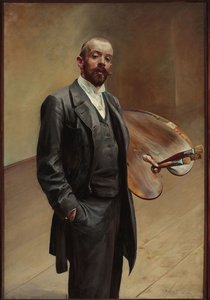
Јачек Малчевски
1854 - 1897 , Сједињене Америчке Државе
Osnovne informacije
- Artistic Movement Or Style: Symbolizm
- Artists Who Influenced This Artist:
- Jan Matejko
- Arthur Grottger
- Date Of Birth: 1854
- Date Of Death: 1929
- Full Name: Jacek Malczewski
- Nationality: Poljski
- Notable Artworks:
- Melancholia
- Błędne koło
- Śmierć
- Malarza muz
- Place Of Birth: Radom, Poljska
Povezani članci
Stanisław Wyspiański: Symbolism, National Identity & the Polish Secession
Explore the life & work of Stanisław Wyspiański, a pivotal figure in Polish Symbolism and the Young Poland movement. Discover his iconic paintings, dramas, and stained glass designs reflecting national identity & artistic innovation.
Jan Matejko: Historical Narrative & National Identity in 19th-Century Polish Painting
Explore the powerful historical paintings of Jan Matejko, Poland's national artist. Discover his iconic works & learn how he shaped Polish identity in the 19th century. High-quality reproductions available.

Top 25 Remek-Dela Muzeja d'Orse: Impresionizam i Postimpresionizam za Vaš Dom
Uronite u svet impresionizma i postimpresionizma! Otkrijte 25 remek-dela Muzeja d'Orse: Monet, Renoir, Van Gogh i mnogi drugi. Pronađite inspiraciju za dekoraciju enterijera i kupite reprodukcije slika vrhunskog kvaliteta na OriginalUniqueArt.com.

Jacek Yerka: Surreal Visions & Nostalgia in Contemporary Polish Painting
Explore the captivating surreal worlds of Jacek Yerka, a leading Polish painter renowned for his meticulous Flemish technique & dreamlike landscapes. Discover his unique style and learn about collecting this exceptional artist's work.
Lech Jankowski: Polish Abstraction & the Materiality of Post-War Identity
Explore the compelling work of Lech Jankowski, a leading figure in Polish post-war abstraction. Discover his unique exploration of materiality, identity, and surreal landscapes – a valuable addition to any discerning art collection.

