Pregledaj u prostoru
 Pošalji
 Podeli
 Detalji o delu
 Vodič
Vodič

 Preuzmi
 Slični predmeti
 Rendgenski snimak
 Automatska prezentacija
 Q&A
Q&A Statistika
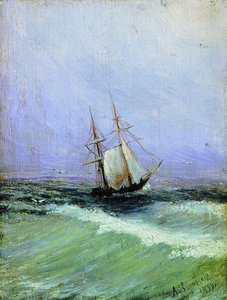
Sevastopol
 Oil On Canvas
- WallArt
- Romanticism
 1852
1852- 19th Century
 28.0 x 38.0 cm
 Pročitaj više
Giclee štampa / Umetnički otisak
Giclée štampa ili print na platnu muzejskog kvaliteta uz brzu izradu i raznovrsne opcije završne obrade. ( Kupite ručno oslikano delo Pređi na digitalnu sliku)




P118B дин10

P118H дин10

P118W дин10

P438Z дин10

P508JH дин12

P508YH дин12

P805H дин10

P805Z дин10

P919BZ дин10

P919G дин10

P919XJ дин10

P959ZH дин10

P968JZ дин12

W106C дин8

W218G дин10

W218JH дин8

W218Y дин10

W307PJ дин10

W316G дин10

W316PJ дин8

W316Y дин10

W398PJ дин8

W4111J дин10

W500HY дин15

W500JH дин15

W692G дин12

W849H дин8

W940BG дин15

W953PJ дин8




Izaberite jednu od naših unapred definisanih veličina koje odgovaraju originalnim proporcijama umetničkog dela.

Unesite željenu širinu i visinu kako bi se štampa uklopila u vaš ram ili zid. Štampu je moguće samo iseći, ali nikada povećati iznad dimenzija originalne slike, stoga format sa drugačijim proporcijama uzrokuje gubitak dela slike. Pre početka štampe, poslaćemo vam digitalni prikaz radi potvrde. Slika prikazana na ovoj stranici ne predstavlja stvarni isrez — to pokazuje samo digitalni prikaz.
Dostava širom sveta () za 2 nedelje umesto uobičajenih 4/5 nedelja. (31 октобар)

Besplatna ekspresna dostava širom sveta

Visokokvalitetno laneno platno

Potpuno osiguranje transporta

Garancija povraćaja carine i uvoznih dažbina

Garancija vernosti boja

Politika povraćaja u roku od 100 dana (samo u slučaju nedostataka)

Garancija povrata 100% novca

Popust na više proizvoda
 Opcija sa staklom dostupna je samo za dimenzije manje od 110 cm

Sevastopol
Giclee štampa / Umetnički otisak
Dimenzije reprodukcije
-


Ukupna cena
дин 8315
The Sublime Embrace of the Black Sea
To gaze upon Aivazovsky's depiction of Sevastopol is not merely to observe a harbor scene; it is to be enveloped by the very breath of the Black Sea itself. This painting, dating from 1852, captures that quintessential moment where human industry—represented by the graceful array of ships—meets the overwhelming, sublime power of nature. The composition draws the viewer into a tranquil yet monumental space. Large vessels anchor on either side, their forms suggesting journeys undertaken and awaited, while smaller boats drift through the middle ground like scattered thoughts upon the water's surface. It is a scene steeped in the romanticism of maritime life, rendered with an almost palpable sense of atmosphere.
A Masterclass in Atmospheric Technique
Ivan Konstantinovich Aivazovsky was renowned for his ability to translate emotion into pigment, and nowhere is this more evident than in his handling of light and water. The technique employed here showcases his mastery of capturing the ephemeral quality of a cloudy day at sea. Notice how the sky does not merely hang above the harbor; it participates in the scene, diffusing a soft, diffused light that bathes the entire composition. Aivazovsky achieved this luminous effect through subtle gradations of color and visible brushwork that suggest movement even where the water appears calm. The interplay between the deep blues of the hulls, the muted tones of the sky, and the reflective sheen on the water creates a visual symphony that speaks volumes about the artist's technical prowess.
Sevastopol: A Nexus of History and Spirit
The choice of Sevastopol as a subject grounds this work in a specific, charged historical moment. For those familiar with Crimean history, the city evokes narratives of naval might, strategic importance, and enduring resilience. The presence of figures—a solitary person visible near the middle-right—adds a human scale to the grand sweep of the maritime activity. They are witnesses to this confluence of man and ocean. This painting transcends being mere topographical record; it becomes an allegory for endurance. The ships, whether laden with cargo or simply returning from patrol, symbolize continuity against the backdrop of historical flux.
Emotional Resonance for the Modern Collector
For the collector or designer seeking a piece that anchors a room with depth and narrative weight, this reproduction offers profound emotional resonance. It speaks to wanderlust, to the quiet majesty found at the edge of the known world. The overall atmosphere is one of contemplative peace—a momentary lull in the vast rhythm of life. Owning this artwork allows one to invite the expansive, soulful energy of Aivazovsky’s vision into your personal space. It serves not just as decoration, but as a visual meditation on travel, time, and the enduring beauty found where land yields to the limitless expanse of the sea.
Pitanja i odgovori
Kako se medijum i pokret spajaju u delu "Sevastopol"?
„Sevastopol”, autor Иван Константинович Айвазовский spaja tehniku Oil On Canvas sa stilom Romanticism. Tehnika i pravac opisuju način izrade i stil dela.
Koliko su intenzivne boje dela "Sevastopol"?
Boje dela „Sevastopol”, autor Иван Константинович Айвазовский odlikuju se Balanced Soft zasićenosti i Vivid intenzitetom.
Koliko ljudi posmatra "Sevastopol"?
Stranica Statistika za delo „Sevastopol”, autor Иван Константинович Айвазовский prikazuje statistiku javnih poseta: mesečni broj poseta ovom umetničkom delu, poređenje sa najgledanijim radovima ovog umetnika i poreklom posetilaca.
Biografija umetnika
Ivan Konstantinovich Aivazovsky – Hovhannes Aivazian: Embodies the Romantic Movement’s Emphasis on Emotion, Imagination, and the Sublime Power of Nature
Ivan Konstantinovich Aivazovsky, born Hovhannes Aivazian in 1817, was more than just a painter of seascapes; he was a conduit to the ocean's soul. His very existence seemed inextricably linked to the Black Sea—a vast, unpredictable expanse that would forever dominate his artistic vision and fuel an extraordinary career spanning nearly six decades. Born in the Crimean port city of Feodosia, Aivazovsky didn’t merely observe the sea; he felt it – its raw energy, sublime beauty, and inherent danger becoming the very essence of his art. From a young age, this connection was nurtured, initially by local architect Jacob Koch who recognized the boy’s talent, then blossoming within the rigorous academic environment of the Imperial Academy of Arts in Saint Petersburg. Yet, formal training alone couldn't account for the depth of Aivazovsky’s understanding; it was the constant presence of salt-laced air and the cries of gulls that truly shaped his artistic sensibility. His Armenian heritage also played a significant role, as he was baptized at the St. Sargis Armenian Church in Feodosia and maintained strong cultural ties throughout his life, occasionally incorporating Armenian themes into his expansive body of work.Early Life and Artistic Beginnings
Aivazovsky’s formative years were marked by an unwavering fascination with the sea—a passion that would permeate every aspect of his artistic endeavors. Despite humble beginnings in Feodosia, he possessed a remarkable aptitude for drawing from a young age, nurtured by Koch's encouragement and subsequently honed at Saint Petersburg Academy. This early exposure to artistic principles instilled in him a disciplined approach to painting, yet it was equally complemented by an intuitive grasp of the sea’s moods—a sensitivity that distinguished him from many of his contemporaries. The influence of Romanticism is palpable in his formative years; artists like Turner and Friedrich captivated him with their depictions of dramatic landscapes and emotive expressions of human experience. These encounters would profoundly shape his artistic vision, informing his stylistic choices and fueling his desire to capture the sublime—the awe-inspiring grandeur of nature that transcends rational comprehension.The Rise of a Marine Master: Academic Training and European Travels
Aivazovsky’s formal education at Saint Petersburg Academy provided him with invaluable technical skills and theoretical knowledge, equipping him for a distinguished artistic career. However, his intellectual curiosity extended beyond the confines of academia; he embarked on extensive travels throughout Europe in the early 1840s—a journey that exposed him to new artistic influences and broadened his understanding of the world. Italy proved particularly transformative, immersing him in vibrant landscapes and capturing the brilliance of Venetian light. These experiences honed his observational abilities and refined his technique, allowing him to synthesize disparate styles into a uniquely expressive aesthetic. He wasn’t merely copying what he saw; he was striving to convey emotion—to communicate the grandeur and terror of nature with breathtaking precision.Service to the Russian Navy and Artistic Flourishing
A pivotal moment arrived in 1887 when Aivazovsky was appointed official artist of the Russian imperial navy—a position that granted him unparalleled access to maritime life, naval battles, and firsthand observation. This wasn’t merely a prestigious title; it was an opportunity to immerse himself in the world of seafaring, translating his artistic sensibilities into monumental canvases depicting heroic encounters with the ocean. He became intimately acquainted with the daily rhythms of naval service—the camaraderie among sailors, the thrill of combat, and the sheer physicality of shipboard existence—elements that infused his paintings with authenticity and immediacy. The patronage of Czar Nicholas I further solidified his reputation as a national icon—a symbol of Russian strength and artistic achievement. During this period, he produced an astonishing output of approximately 6,000 paintings—a testament to his unwavering dedication and prodigious talent.Signature Style: Dramatic Composition and Luminosity
Aivazovsky’s distinctive style is characterized by dramatic compositions that convey a sense of movement and grandeur—often depicting turbulent seascapes dominated by towering waves and stormy skies. He skillfully employed atmospheric perspective, creating luminous textures and capturing fleeting light effects with remarkable accuracy. His technique involved applying paint in thin layers to achieve an ethereal glow—a hallmark of Romanticism that distinguishes his work from more conventional depictions of the sea. Notable masterpieces include *The Ninth Wave*, which portrays a harrowing shipwreck scene imbued with palpable emotion; *A Ship in a Stormy Sea*, capturing the terror and majesty of naval combat; and *Seascape with Full Moon*, bathed in silvery light—a testament to Aivazovsky’s mastery of nocturnal landscapes. His paintings resonate with viewers today because they capture not only visual beauty but also profound psychological depth—reflecting humanity's relationship with nature and confronting themes of courage, vulnerability, and transcendence. He remains one of the most celebrated marine artists in history, securing his place as a cornerstone of Russian Romanticism and an enduring symbol of artistic excellence. ## Legacy and Influence Ivan Konstantinovich Aivazovsky’s influence extended far beyond his own lifetime—inspiring generations of artists who sought to emulate his stylistic innovations and capture the sublime power of nature. His paintings continue to captivate audiences worldwide, exhibited in museums across continents and celebrated for their emotional resonance and technical brilliance. He solidified Russia's artistic reputation on the international stage and cemented his place as a titan among Romantic painters. Aivazovsky’s legacy endures not only through his enduring artworks but also through the inspiration he provided to countless aspiring artists—a testament to his profound contribution to the history of art.
Иван Константинович Айвазовский
1817 - 1900 , Русија
Osnovne informacije
- Artistic Movement Or Style: Romantička umetnost, Morska slikarstvo
- Artists Who Influenced This Artist:
- Claude Lorrain
- Salvator Rosa
- Jacob van Ruisdael
- Date Of Birth: 1817
- Date Of Death: 1900
- Full Name: Ivan Konstantinovich Aivazovsky
- Nationality: Ruski-Armenski
- Notable Artworks:
- Morska buka
- Šipa u buri
- Mor sa punim mesecem
- Place Of Birth: Feodosia, Rusija
Povezani članci

The Enduring Legacy of Oil on Canvas: Technique, History & Aesthetic Impact
Explore the rich history & techniques of oil painting – from Renaissance masters to Impressionism. Discover pigments, layering methods, and why this timeless medium endures. Expert insights for artists & art enthusiasts.

Oil on Canvas: A Historical & Technical Exploration of a Timeless Artistic Medium
Explore the rich history & enduring techniques of oil painting on canvas. Discover the science behind its longevity, conservation practices, and contemporary relevance. Expert insights for art enthusiasts.

Ivan Bilibin: A Synthesis of Folklore, Modernism & National Identity in Russian Illustration
Explore the enchanting world of Ivan Bilibin, a master Russian illustrator who synthesized folklore, Art Nouveau & national identity. Discover his iconic fairy tale illustrations and legacy with OriginalUniqueArt.
Ivan Aivazovsky: Mastering Light & Emotion in 19th-Century Marine Painting
Explore the captivating world of Ivan Aivazovsky, a master of 19th-century marine painting. Discover his techniques, iconic artworks & lasting legacy in this expert guide.
The Allure of the Horizon: A Comprehensive Exploration of Seascape Art Through History & Emotion
Explore the captivating world of seascape art! Discover its history, key artists & movements – from Dutch Masters to Impressionism. Expert insights for collectors and enthusiasts at OriginalUniqueArt.