Pregledaj u prostoru
 Pošalji
 Podeli
 Detalji o delu

 Преузми
 Slični predmeti
 Rendgenski snimak
 Slajdovi
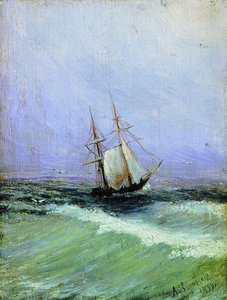
Malaga
 Oil On Canvas
- WallArt
- Romantic Landscape Painting
 1854
1854- 19th Century
 44.0 x 54.0 cm
 Pročitaj više
Giclee štampa / Umetnički otisak
Giclée štampa ili print na platnu muzejskog kvaliteta uz brzu proizvodnju i fleksibilne opcije završne obrade. ( Kupi ručno naslikanu sliku Kupi digitalnu sliku)




P118B $10

P118H $10

P118W $10

P438Z $10

P508JH $12

P508YH $12

P805H $10

P805Z $10

P919BZ $10

P919G $10

P919XJ $10

P959ZH $10

P968JZ $12

W106C $8

W218G $10

W218JH $8

W218Y $10

W307PJ $10

W316G $10

W316PJ $8

W316Y $10

W398PJ $8

W4111J $10

W500HY $15

W500JH $15

W692G $12

W849H $8

W940BG $15

W953PJ $8




Izaberite jednu od naših unapred definisanih veličina koje odgovaraju originalnim proporcijama umetničkog dela.

Možete uneti sopstvene dimenzije kako biste umetničko delo prilagodili specifičnom okviru ili prostoru. Ako odabrani format ne odgovara proporcijama originalne slike, mi ćemo ili iscrtati deo dela ili proširiti sliku pomoću ogledane ivice ili jednobojnog popunjavanja. Digitalni prikaz će vam biti poslat na odobrenje pre početka proizvodnje.
Imajte na umu da pregled na ekranu ne odražava stvarno iscrtavanje ili proširivanje. Samo će prikaz (mockup) precizno pokazati finalnu kompoziciju.
Iako su prilagođene dimenzije dostupne, preporučujemo da odaberete dimenziju sa unapred definisane liste kako biste očuvali originalne proporcije.
Dostava širom sveta () za 2 nedelje umesto uobičajenih 4/5 nedelja. (6 септембар)

Besplatna ekspresna dostava širom sveta

Visokokvalitetno laneno platno

Kompletno osiguranje transporta

Garancija povraćaja carine i uvoznih dažbina

Garancija vernosti boja

Politika povrata u roku od 100 dana (samo u slučaju nedostataka)

Garancija povrata novca od 100%

Popust pri grupnoj kupovini
 Opcija sa staklom dostupna je samo za dimenzije manje od 110 cm

Malaga
Giclee štampa / Umetnički otisak
Dimenzije reprodukcije
-


Konačna cena
$ 80
A Symphony of Light and Sea: Ivan Aivazovsky’s *Malaga*
- The Malaga painting by Ivan Aivazovsky is more than just a depiction of a harbor; it's an immersive experience, a testament to the Romantic movement’s obsession with nature’s power and beauty. Completed in 1854, this oil on canvas measures 44 x 54 cm and immediately draws the viewer into a scene brimming with life and drama – a quintessential seascape that captures the very essence of the Black Sea at its most captivating.
- Aivazovsky’s mastery lies in his ability to translate light onto the canvas. The dominant hues of orange and gold, indicative of either sunrise or sunset, bleed across the sky, creating an atmosphere thick with warmth and a sense of impending twilight. This masterful use of color isn't merely decorative; it serves as a crucial element of the composition, guiding the eye through the scene and emphasizing the movement of the water.
Technique and Composition: A Master’s Hand
Chiaroscuro and Shading: Aivazovsky was renowned for his meticulous application of shading and chiaroscuro – the dramatic contrast between light and dark – a technique perfected over decades. Notice how he uses this to sculpt the forms of the boats, creating an illusion of depth and volume that makes them appear almost tangible. The subtle gradations in tone across the water’s surface mimic the play of sunlight on the waves, adding to the painting's realism and dynamism. The largest boat, positioned towards the right, acts as a focal point, drawing the viewer’s attention while the smaller vessels scattered throughout the bay contribute to the overall sense of activity.Historical Context and Romantic Ideals
- Romanticism's Embrace of Nature: Created during the height of the Romantic era, *Malaga* embodies the movement’s core tenets. The painting celebrates the sublime power of nature – a theme central to Romantic art – portraying the sea not as a tool for commerce or conquest, but as an awe-inspiring force deserving of reverence and respect.
- Aivazovsky's Inspiration: Born in Feodosia, Russia, Aivazovsky’s life was inextricably linked to the Black Sea. His deep connection to the ocean informed every brushstroke, resulting in a profound understanding of its moods and movements. The inclusion of figures on the shore and boats further enhances the painting's narrative quality, inviting the viewer to imagine themselves part of this vibrant scene.
Symbolism and Emotional Impact
Human Connection with Nature: The presence of people – at least thirteen individuals – adds a crucial layer of meaning to the work. They aren’t merely background figures; they represent humanity's enduring fascination with, and dependence upon, the natural world. Their enjoyment of the scene underscores the painting’s underlying message: that true beauty lies in our harmonious relationship with nature. *Malaga* evokes a powerful sense of tranquility, wonder, and perhaps even a touch of melancholy – a feeling perfectly aligned with the Romantic sensibility. This piece is a must-have for any collection appreciating the grandeur of the sea and the artistic brilliance of Ivan Aivazovsky.Biografija umetnika
Ivan Konstantinovich Aivazovsky – Hovhannes Aivazian: Embodies the Romantic Movement’s Emphasis on Emotion, Imagination, and the Sublime Power of Nature
Ivan Konstantinovich Aivazovsky, born Hovhannes Aivazian in 1817, was more than just a painter of seascapes; he was a conduit to the ocean's soul. His very existence seemed inextricably linked to the Black Sea—a vast, unpredictable expanse that would forever dominate his artistic vision and fuel an extraordinary career spanning nearly six decades. Born in the Crimean port city of Feodosia, Aivazovsky didn’t merely observe the sea; he felt it – its raw energy, sublime beauty, and inherent danger becoming the very essence of his art. From a young age, this connection was nurtured, initially by local architect Jacob Koch who recognized the boy’s talent, then blossoming within the rigorous academic environment of the Imperial Academy of Arts in Saint Petersburg. Yet, formal training alone couldn't account for the depth of Aivazovsky’s understanding; it was the constant presence of salt-laced air and the cries of gulls that truly shaped his artistic sensibility. His Armenian heritage also played a significant role, as he was baptized at the St. Sargis Armenian Church in Feodosia and maintained strong cultural ties throughout his life, occasionally incorporating Armenian themes into his expansive body of work.Early Life and Artistic Beginnings
Aivazovsky’s formative years were marked by an unwavering fascination with the sea—a passion that would permeate every aspect of his artistic endeavors. Despite humble beginnings in Feodosia, he possessed a remarkable aptitude for drawing from a young age, nurtured by Koch's encouragement and subsequently honed at Saint Petersburg Academy. This early exposure to artistic principles instilled in him a disciplined approach to painting, yet it was equally complemented by an intuitive grasp of the sea’s moods—a sensitivity that distinguished him from many of his contemporaries. The influence of Romanticism is palpable in his formative years; artists like Turner and Friedrich captivated him with their depictions of dramatic landscapes and emotive expressions of human experience. These encounters would profoundly shape his artistic vision, informing his stylistic choices and fueling his desire to capture the sublime—the awe-inspiring grandeur of nature that transcends rational comprehension.The Rise of a Marine Master: Academic Training and European Travels
Aivazovsky’s formal education at Saint Petersburg Academy provided him with invaluable technical skills and theoretical knowledge, equipping him for a distinguished artistic career. However, his intellectual curiosity extended beyond the confines of academia; he embarked on extensive travels throughout Europe in the early 1840s—a journey that exposed him to new artistic influences and broadened his understanding of the world. Italy proved particularly transformative, immersing him in vibrant landscapes and capturing the brilliance of Venetian light. These experiences honed his observational abilities and refined his technique, allowing him to synthesize disparate styles into a uniquely expressive aesthetic. He wasn’t merely copying what he saw; he was striving to convey emotion—to communicate the grandeur and terror of nature with breathtaking precision.Service to the Russian Navy and Artistic Flourishing
A pivotal moment arrived in 1887 when Aivazovsky was appointed official artist of the Russian imperial navy—a position that granted him unparalleled access to maritime life, naval battles, and firsthand observation. This wasn’t merely a prestigious title; it was an opportunity to immerse himself in the world of seafaring, translating his artistic sensibilities into monumental canvases depicting heroic encounters with the ocean. He became intimately acquainted with the daily rhythms of naval service—the camaraderie among sailors, the thrill of combat, and the sheer physicality of shipboard existence—elements that infused his paintings with authenticity and immediacy. The patronage of Czar Nicholas I further solidified his reputation as a national icon—a symbol of Russian strength and artistic achievement. During this period, he produced an astonishing output of approximately 6,000 paintings—a testament to his unwavering dedication and prodigious talent.Signature Style: Dramatic Composition and Luminosity
Aivazovsky’s distinctive style is characterized by dramatic compositions that convey a sense of movement and grandeur—often depicting turbulent seascapes dominated by towering waves and stormy skies. He skillfully employed atmospheric perspective, creating luminous textures and capturing fleeting light effects with remarkable accuracy. His technique involved applying paint in thin layers to achieve an ethereal glow—a hallmark of Romanticism that distinguishes his work from more conventional depictions of the sea. Notable masterpieces include *The Ninth Wave*, which portrays a harrowing shipwreck scene imbued with palpable emotion; *A Ship in a Stormy Sea*, capturing the terror and majesty of naval combat; and *Seascape with Full Moon*, bathed in silvery light—a testament to Aivazovsky’s mastery of nocturnal landscapes. His paintings resonate with viewers today because they capture not only visual beauty but also profound psychological depth—reflecting humanity's relationship with nature and confronting themes of courage, vulnerability, and transcendence. He remains one of the most celebrated marine artists in history, securing his place as a cornerstone of Russian Romanticism and an enduring symbol of artistic excellence. ## Legacy and Influence Ivan Konstantinovich Aivazovsky’s influence extended far beyond his own lifetime—inspiring generations of artists who sought to emulate his stylistic innovations and capture the sublime power of nature. His paintings continue to captivate audiences worldwide, exhibited in museums across continents and celebrated for their emotional resonance and technical brilliance. He solidified Russia's artistic reputation on the international stage and cemented his place as a titan among Romantic painters. Aivazovsky’s legacy endures not only through his enduring artworks but also through the inspiration he provided to countless aspiring artists—a testament to his profound contribution to the history of art.
Иван Константинович Айвазовский
1817 - 1900 , Русија
Osnovne informacije
- Artistic Movement Or Style: Romantička umetnost, Morska slikarstvo
- Artists Who Influenced This Artist:
- Claude Lorrain
- Salvator Rosa
- Jacob van Ruisdael
- Date Of Birth: 1817
- Date Of Death: 1900
- Full Name: Ivan Konstantinovich Aivazovsky
- Nationality: Ruski-Armenski
- Notable Artworks:
- Morska buka
- Šipa u buri
- Mor sa punim mesecem
- Place Of Birth: Feodosia, Rusija
Povezani članci

The Enduring Legacy of Oil on Canvas: Technique, History & Aesthetic Impact
Explore the rich history & techniques of oil painting – from Renaissance masters to Impressionism. Discover pigments, layering methods, and why this timeless medium endures. Expert insights for artists & art enthusiasts.

Oil on Canvas: A Historical & Technical Exploration of a Timeless Artistic Medium
Explore the rich history & enduring techniques of oil painting on canvas. Discover the science behind its longevity, conservation practices, and contemporary relevance. Expert insights for art enthusiasts.

Trajnu Ostavština Uljanih Boja na Platnu: Tehnika, Istorija i Savremena Praksa
Istražite bogatu istoriju i savremene tehnike uljanog slikarstva. Saveti stručnjaka, analiza radova velikih majstora i vodiči za biranje kvalitetnih materijala. Otkrijte tajne očuvanja umetničkih dela!
The Soul of Impressionism: Why Oil on Canvas Captures Eternal Light and Timeless Emotion
Discover the enchanting alchemy of Impressionism. Explore how the mastery of oil on canvas, through glazing and impasto, captures eternal light and emotion. Perfect for lovers of Monet and Van Gogh seeking the profound depth of hand-painted fine art.
The Allure of the Horizon: A Comprehensive Exploration of Seascape Art Through History & Emotion
Explore the captivating world of seascape art! Discover its history, key artists & movements – from Dutch Masters to Impressionism. Expert insights for collectors and enthusiasts at OriginalUniqueArt.