

 Pregledaj u prostoru
 Podeli
 Podeli
 Detalji
 Vodič
Vodič

 Preuzmi sliku
 Slični predmeti
 Rendgenski snimak
 Automatska prezentacija
 Statistika
Fires


 Pročitaj više
Giclee štampa / Umetnički otisak
Giclée štampa ili print na platnu muzejskog kvaliteta uz brzu izradu i raznovrsne opcije završne obrade. ( Naručite ručno oslikano reprodukciju Pređi na prodaju digitalnih slika)




P118B дин10

P118H дин10

P118W дин10

P438Z дин10

P508JH дин12

P508YH дин12

P805H дин10

P805Z дин10

P919BZ дин10

P919G дин10

P919XJ дин10

P959ZH дин10

P968JZ дин12

W106C дин8

W218G дин10

W218JH дин8

W218Y дин10

W307PJ дин10

W316G дин10

W316PJ дин8

W316Y дин10

W398PJ дин8

W4111J дин10

W500HY дин15

W500JH дин15

W692G дин12

W849H дин8

W940BG дин15

W953PJ дин8




Izaberite jednu od naših unapred definisanih veličina koje odgovaraju originalnim proporcijama umetničkog dela.

Unesite širinu i visinu koja vam je potrebna, kako bi se uklopili u vaš ram ili na vaš zid. Štampa se može samo iseći, nikada ne može biti veća od originalne slike, stoga format sa drugačijim proporcijama gubi deo slike. Poslaćemo vam digitalni prikaz radi potvrde pre nego što započnemo štampu. Slika prikazana na ovoj stranici ne pokazuje stvarni rez — to pokazuje samo digitalni prikaz.
Dostava širom sveta () za 2 nedelje umesto uobičajenih 4/5 nedelja. (26 октобар)

Besplatna ekspresna dostava širom sveta

Visokokvalitetno laneno platno

Sveobuhvatno osiguranje transporta

Garancija povraćaja carine i uvoznih dažbina

Garancija vernosti boja i autentičnosti pri reprodukciji

Politika povraćaja u roku od 100 dana (samo u slučaju nedostataka)

Garancija povrata 100% novca

Popust pri većoj količini
 Opcija sa staklom dostupna je samo za dimenzije manje od 110 cm

Fires
Giclee štampa / Umetnički otisak
Veličina reprodukcije
-


Ukupna cena
дин 8249
A Tranquil Landscape Ablaze: Exploring Levitan's "Fires"
Isaak Ilyich Levitan’s “Fires,” painted in 1885, offers a captivating glimpse into the soul of the Russian countryside. This landscape painting depicts a serene field punctuated by small, flickering fires under an overcast sky – a scene that simultaneously evokes tranquility and a subtle sense of mystery. The composition is masterfully arranged to draw the viewer's eye across the expansive vista, from the foreground’s warm glow to the distant horizon line formed by a row of trees. Two figures are subtly integrated into the landscape, adding a touch of human presence without disrupting the overall feeling of solitude and contemplation.Impressionistic Technique & Atmospheric Mastery
“Fires” is a prime example of Levitan’s signature Impressionistic style. He eschews sharp lines in favor of loose, expressive brushwork that captures the fleeting effects of light and atmosphere. The visible strokes create a textured surface, lending depth and visual interest to the canvas. The color palette – dominated by muted greens, blues, and browns – is beautifully contrasted with the warm oranges and yellows emanating from the fires. This interplay of cool and warm tones creates a harmonious balance while highlighting the focal point of the burning embers. The diffused lighting, characteristic of an overcast day, softens the scene and contributes to its overall sense of quietude. Levitan’s skillful use of perspective through size diminution further enhances the illusion of depth, drawing the viewer into the heart of the landscape.Historical Context & Levitan's Artistic Journey
Born in Kyiv in 1860, Isaak Ilyich Levitan was a pivotal figure in Russian landscape painting. He studied at the Moscow School of Painting, Sculpture and Architecture, where he was profoundly influenced by Alexei Savrasov, who instilled in him a deep appreciation for capturing the subtle nuances of nature. Levitan moved away from purely realistic depictions to focus on conveying mood and emotion through his landscapes – a groundbreaking approach that established him as a leading figure in Russian art. “Fires,” created during a period of artistic exploration, exemplifies this shift towards lyrical and emotionally resonant portrayals of the natural world.Symbolism & Emotional Resonance
Beyond its aesthetic beauty, "Fires" invites contemplation on deeper symbolic meanings. The fires themselves can be interpreted in multiple ways – as symbols of warmth and renewal amidst a cool landscape, or perhaps hinting at a more ambiguous sense of destruction or transformation. The solitary figures within the scene reinforce the themes of solitude and quiet reflection. The overall atmosphere evokes a feeling of peaceful melancholy, inviting viewers to connect with their own emotions and experiences while immersed in the beauty of the Russian countryside. Levitan’s ability to imbue his landscapes with such profound emotional depth is what truly sets him apart as a master of mood-based painting.Pitanja i odgovori
Zašto je status autorskih prava za "Fires" takav kakav jeste?
"Fires" autora Исаак Ильич Левитан je u javnom vlasništvu – autorska prava su istekla. Autorska prava se računaju od godine smrti umetnika, a Исаак Ильич Левитан je preminuo/la 1900.
Mogu li da vidim rendgenski prikaz dela „Fires”, Исаак Ильич Левитан?
Delo "Fires" može se istraživati sloj po sloj na stranici Rentgenski snimak, koja predstavlja interaktivni pregledač inspirisan konzervatorskim svetlosnim stolom, sa jedanaest optičkih prikaza slike.
Mogu li da pregledam „Fires”, Исаак Ильич Левитан pre naručivanja?
Stranica Pregled za delo "Fires" omogućava vam da pregledate umetničko delo pre naručivanja.
Biografija umetnika
A Symphony of the Russian Soul: The Life and Art of Isaak Ilyich Levitan
Isaak Ilyich Levitan, a name synonymous with the evocative power of Russian landscape painting, was more than just a chronicler of nature; he was a poet of the land, a translator of its moods into visual form. Born in 1860 in Kibarty (present-day Lithuania) to a Jewish family who later settled in Moscow, Levitan’s life was marked by both profound hardship and an unwavering dedication to his art. The early loss of his mother and father instilled within him a sensitivity that would permeate his canvases with a melancholic beauty. This sense of longing, coupled with the restrictions imposed upon Jewish communities in Tsarist Russia, fueled a desire to find solace and expression in the natural world. He entered the Moscow School of Painting, Sculpture and Architecture in 1873, where he came under the tutelage of Alexei Savrasov, whose influence would prove pivotal in shaping Levitan’s artistic vision. It was Savrasov who nurtured his student's innate ability to capture not merely the appearance of nature, but its very essence—its atmosphere, its emotional resonance.The Birth of a ‘Mood Landscape’
Levitan quickly distinguished himself as an artist capable of conveying profound emotion through landscape. He wasn’t interested in topographical accuracy for its own sake; rather, he sought to imbue his paintings with a sense of *mood*, a feeling that resonated deep within the viewer's soul. This approach earned him the title of pioneer of the “mood landscape,” a genre that moved beyond simple representation to explore the spiritual connection between humanity and nature. His palette was often subdued, favoring naturalistic colors and poetic elements over vibrant displays. He masterfully employed light and shadow, creating atmospheric effects that evoked feelings of tranquility, solitude, or even quiet despair. Works like *Autumn Day. Sokolniki* (1879), painted when he was just nineteen years old, already demonstrated this remarkable ability to capture the subtle nuances of the Russian countryside. The painting’s muted tones and delicate rendering of light create a sense of wistful nostalgia, hinting at the transience of beauty and the inevitability of change. Later masterpieces such as *The Vladimirka Road* (1892) and *Eternal Rest* (1894), prominently displayed in the Tretyakov Gallery, further solidified his reputation as a master of emotional landscape painting.Influences and Artistic Kinships
While deeply indebted to Savrasov’s influence, Levitan was also receptive to other artistic currents. He collaborated with fellow artists like Konstantin Korovin, Mikhail Nesterov, and Nikolai Chekhov—the brother of the renowned playwright Anton Chekhov, who became a lifelong friend. This circle fostered an environment of creative exchange and mutual support. Though he briefly experimented with Impressionistic techniques, Levitan never fully embraced the movement, maintaining a uniquely Russian sensibility in his work. He found inspiration not only in the visual world but also in music and literature, seeking to translate their emotional power into his paintings. His designs for scenery for Savva Mamontov’s private Russian Opera demonstrate his versatility and willingness to explore different artistic mediums. The influence of these collaborations and experiences can be seen in works like *Spring Flood*, *Stormy Day*, *Vesper Chimes* and *Silent Cloister*, each a testament to his evolving style and deepening understanding of the emotional landscape.Major Achievements and Legacy
Levitan’s ascension to prominence within the Russian art world was marked by several significant milestones. Elected to the Imperial Academy of Arts in 1897, he recognized as one of Russia's foremost landscape painters. This honor underscored his artistic merit and cemented his position as a leading figure in the Peredvizhniki movement—a group of artists committed to depicting Russian life and nature with uncompromising realism and emotional honesty. He continued to teach at Moscow School of Painting, Sculpture and Architecture, nurturing the talent of aspiring artists and shaping the future direction of landscape painting. His enduring legacy resides not merely in his artistic output but also in his profound contribution to Russian cultural heritage—a testament to the transformative power of art to capture the spirit of an era and inspire generations to come. He passed away peacefully in 1900, leaving behind a body of work that continues to captivate audiences worldwide. His paintings remain a poignant reminder of Russia’s melancholic beauty and the enduring resonance of human emotion within the natural world.Final Resting Place
Levitan's remains were interred in Novodevichy Cemetery in Moscow alongside Anton Chekhov—a symbolic union reflecting their shared artistic kinship and devotion to portraying the soul of Russia. His canvases stand as timeless expressions of melancholy, solitude, and profound contemplation—a legacy that secures his place among the greatest landscape painters of all time.
Исаак Ильич Левитан
1860 - 1900 , Русија
Brzi pregled
- Artistic Movement Or Style: Mood Landscape, Realizam
- Artists Who Influenced This Artist:
- Aleksei Savrasov
- Vasily Polenov
- Konstantin Korovin
- Date Of Birth: August 30, 1860
- Date Of Death: July 22, 1900
- Full Name: Isaak Ilyich Levitan
- Nationality: Ruski
- Notable Artworks:
- Autunm Day. Sokolniki
- Vladimirska cesta
- Večiti mir
- Prolećna poplava
- Buranij dan
- Vecer čas
- Place Of Birth: Kibarty, Lithuania
Srodni članci

Evocations of Place: A Historical Journey Through Landscape Art
Explore the rich history of landscape art with OriginalUniqueArt. Discover renowned artists, movements like Impressionism & tonalism, and expert guidance for collecting timeless pieces. Find your perfect serene escape today!
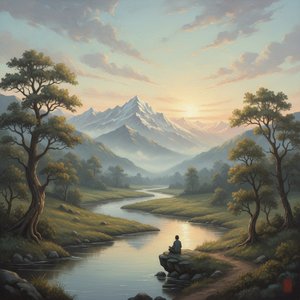
Evoking Tranquility: A Comprehensive Exploration of Serene Landscapes in Art History
Explore the history of serene landscapes in art! Discover renowned artists like Monet & Munch, movements from Impressionism to Tonalism, and find the perfect piece to bring tranquility to your home. Expert insights at OriginalUniqueArt.
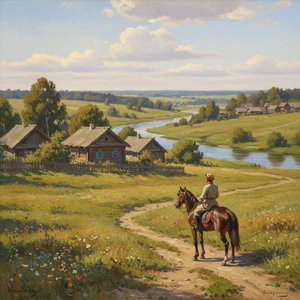
Vasily Polenov: A Pioneer of Landscape Impressionism & Russian National Identity
Explore the captivating landscapes of Vasily Polenov, a pivotal figure in Russian art history. Discover his lyrical realism, biblical series & influence on Impressionism. Learn about the 'Knight of Beauty' and his enduring legacy.

Paul Cézanne: 25 Remek-dela Revolucionarnog Umjetnika | OriginalUniqueArt
Istražite 25 remek-dela Paula Cézanna, revolucionarnog slikara impresionizma i postimpresionizma. Otkrijte priče iza ikoničnih pejzaža, portreta i mrtve prirode. Kupite luksuzne reprodukcije slika na OriginalUniqueArt.com!

Evocations of Place: A Historical Journey Through Landscape Art
Explore the rich history of landscape art with OriginalUniqueArt. Discover renowned artists, movements like Impressionism & Romanticism, and expert guidance for collecting timeless pieces. Find your perfect serene escape today!
