

 Podeli
 Podeli
 Detalji
 Vodič
Vodič

 Preuzmi sliku
 Slični predmeti
 Automatska prezentacija
 Statistika
Magnolia Blossom
 Black and White Photography
- Photo
- Other
 1925
1925- 19th Century
 27.0 x 35.0 cm
 Dulwich Picture Gallery
 Pročitaj više
Kupite digitalnu sliku visoke rezolucije i poboljšanog kvaliteta, koja je znatno superiornija od onoga što vidite u online prikazu.
Svaka datoteka je pedantno pripremljena od strane naših stručnjaka koristeći napredne alate i profesionalnu ručnu retušu. Osiguravamo da svaka slika ima izuzetnu oštrinu, preciznu reprodukciju boja i fine detalje.
Konačna datoteka se dostavlja putem e-pošte u roku od 72 sata, optimizovana za neposrednu upotrebu u profesionalnim, izdavačkim i štamparskim okruženjima. To je isti kvalitet kojem veruju vrhunski studiji dizajna, izdavači i galerije.
Digitalna slika
Preuzmite datoteku visoke rezolucije za ličnu upotrebu, štampanje i kreativne projekte. ( Pređi na prodaju štampanih primeraka Naručite ručno oslikano reprodukciju)
Uključeno uz svaku porudžbinu digitalne slike
Ekspertska digitalna isporuka, zagarantovana
Kada odaberete OriginalUniqueArt.com, ne dobijate samo sliku – vi primate profesionalno unapređeno digitalno umetničko delo, izrađeno sa najvećom preciznošću i uz garanciju zadovoljstva. Evo svega što automatski dolazi uz vašu porudžbinu:

Brza dostava putem e-pošte
Vaša digitalna slika visoke rezolucije biće vam poslata putem e-pošte u roku od 72 sata od poručivanja – spremna za trenutnu upotrebu.

Digitalna datoteka unapređena veštačkom inteligencijom
Vaše umetničko delo je profesionalno optimizovano primenom naprednih AI alata i ručne obrade, čime se osiguravaju maksimalni detalji, oštrina i preciznost boja.

Besplatna doživotna ponovna isporuka
Slučajno ste obrisali ili izgubili svoju datoteku? Ne brinite – poslaćemo vam je ponovo u bilo kom trenutku, potpuno besplatno.

Bez troškova uvoza – zauvek
Uživajte u svojim umetničkim delima trenutno, bez carine, akciza ili troškova dostave – digitalni download je uvek bez poreza.

Garancija preciznosti boja
Uz pomoć profesionalnih alata i upravljanja bojama, osiguravamo da vaša digitalna slika što vernije odražava originalne boje.

Garancija zadovoljstva u roku od 100 dana
Ako niste zadovoljni svojom digitalnom slikom, izvršićemo reviziju ili ćemo vam vratiti 100% novca u roku od 100 dana – bez ikakvih pitanja.

100% garancija povrata novca
Niste zadovoljni? Dobijte puni povraćaj novca u roku od 100 dana od prijema digitalne datoteke – bez suvišnih pitanja.

Popusti na velike porudžbine
Kupite 3 slike, uštedite 10% - Kupite 5 slika, uštedite 15% - Kupite 10+ slika, uštedite 20%. Odlično za kreativne projekte, galerije i agencije.
A Study in Monochrome Grace: The Magnolia Blossom
To gaze upon this photograph of a magnolia blossom is to enter a hushed, intimate world, suspended between shadow and light. It is not merely a picture of a flower; it is an exquisite meditation on form, texture, and the quiet resilience of natural beauty. Imogen Cunningham, whose pioneering lens captured the essence of the Pacific Northwest, presents us here with a composition that demands close contemplation. The entire frame is surrendered to the creamy curves and velvety depths of the petals, creating a visual symphony played out in shades of gray. This black and white rendering strips away the distraction of color, forcing the viewer’s attention onto what truly endures: the perfect architecture of nature.
The Artistry of Light and Shadow
Technically, this piece is a masterclass in tonal gradation. Cunningham employs a soft, diffused light source, seemingly arriving from above and slightly to the left, which sculpts every curve with breathtaking subtlety. Notice how the petals overlap—each edge defined by a delicate line where shadow meets highlight. The contrast between the smooth, almost luminous surfaces of the outer petals and the more complex, tightly packed texture of the central buds is palpable. This meticulous attention to light suggests an almost scientific reverence for the subject matter, elevating the simple act of photographing a flower into high art. It speaks to a photographer’s deep understanding not just of optics, but of *seeing*—of discerning the subtle shift in tone that separates mere depiction from true capture.
Symbolism and Serenity
The magnolia itself has long been associated with purity, nobility, and enduring beauty. In this monochromatic interpretation, those symbolic qualities are amplified. The absence of color lends an air of timelessness; the blossom seems removed from any specific season or moment, existing in a perpetual state of elegant bloom. For the collector or designer, this piece offers more than mere decoration; it is an anchor for tranquility. It whispers of quiet contemplation, inviting one to pause amidst the clamor of daily life and reconnect with a sense of profound, natural serenity.
A Touch of Photographic History
Dating from 1925, this work places us within a pivotal era for American photography, an age when artists like Cunningham were defining what the medium could achieve beyond mere documentation. Her background, rooted in both chemistry and keen observation, is evident here; it is a photograph executed with the precision of a scientific study yet imbued with the soul of fine art. Owning this reproduction allows one to connect directly with that pioneering spirit—the dedication required to transform fleeting natural moments into permanent, tangible works of beauty.
Pitanja i odgovori
Da li su boje dela "Magnolia Blossom" jake ili nežne?
Boje u delu „Magnolia Blossom”, Imogen Kaningam imaju Monochromatic intenzitet.
Mogu li da gledam "Magnolia Blossom" kao prezentaciju preko celog ekrana?
Diaporama dela "Magnolia Blossom" možete pogledati na stranici Diaporama tog umetničkog dela.
Od čega je izrađeno "Magnolia Blossom"?
"Magnolia Blossom" je urađeno u tehnici Black and White Photography.
Biografija umetnika
Rano detinjstvo i umetničko buđenje
Imogen Cunningham, pionirska sila američke fotografije, rođena je 12. aprila 1883. godine u Portlandu, u Oregonu, u velikoj porodici od deset dece. Njeno ranije detinjstvo, obeleženo selidbom u Seattle 1889. godine, podstaklo je nezavisan duh i oštar pogled posmatrača. Iako formalno umetničko obrazovanje nije bilo prioritet u njenom odrastanju, Cunningham je samostalno pohađala lekcije, pokazujući urođenu umetničku sklonost od malih nogu. Ključni trenutak nastupio je 1elog 1901. godine kada je, sa osamnaest godina, nabavila svoj prvi aparat – kameru tipa view kamera dimenzija 4x5 inča kupljenu putem pošte. Ovo osvajanje pokrenulo je doživotnu strast i dovelo do stvaranja mračnje unutar porodične šupe, prostora u kojem je počela da istražuje mladu umetničku formu koja će definisati njenu karijeru. Njena akademska postignuća na Univerzitetu u Washingtonu, koja su kulminirala diplomom iz hemije 1907. godine sa tezom fokusiranom na fotografske procese, otkrivaju rano razumevanje naučnih osnova medija koji je odabrala. Ova mešavina umetničkog senzibiliteta i tehničkog znanja postala bi zaštitni znak njenog rada. Duboki susret sa fotografijama Gertrude Käsebier pokazao se posebno uticajnim, učvrstivši Cunninghaminu odlučnost da fotografiju prati kao nešto mnogo više od običnog hobija.Od piktorializma do modernističke vizije
Prvi koraci Imogen Cunningham u profesionalnoj fotografiji obuhvatali su stažiranje kod Edwarda S. Curtisa u Seattlu, gde je usavršavala svoje veštine portretiranja i ovladavala zamornom tehnikom platinskog printa dok je doprinosila njegovom monumentalnom projektu dokumentovanja kultura Indijanaca. Kasnije je osnovala sopstveni studio, u početku prihvatajući tadašnje prevladalo piktorialističko estetsko uređenje – stil koji je karakterisala meka fokusnost, režirane kompozicije i pokušaj oponašanja slikarstva. Njen rad u ovom periodu privukao je kritičke pohvale, ali umetnički put Cunninghamove bio je daleko od utvrđenog. Period studija u Drajsdenu u Nemačkoj, pod mentorstvom profesora Roberta Luthera 1909. godine, dodatno je izbrusio njenu tehničku stručnost, naročito u oblasti fotografske hemije. Ipak, upravo su naredne decenije donele dramatičnu promenu u njenom pristupu. Brak sa Roi Partridgeom 1915. godine i podizanje troje dece poklopili su se sa selidbom u San Francisco 1920. godine, što je označilo prekretnicu u njenom ličnom i umetničkom životu. Dok je nastavljala sa portretnim radom, Cunningham je počela da istražuje botaničku fotografiju, očaranu zamršanim detaljima cveća i biljaka. Ova fascinacija evoluirala je u istraživanje industrijskih pejzaža, dokumentujući fabrike i urbane scene sa sve većim naglaskom na oštar fokus i nemanipulisane slike. Presudni trenutak nastupio je njenom povezivanjem sa Grupom f/64 tokom 1930-ih – zajedno sa velikanima poput Ansela Adamsa i Edwarda Westona – kolektivom posvećenim „čistoj fotografiji“, koji je davao prioritet jasnoći, preciznosti i odbacivanju piktorialističke manipulacije.Nasleđe raznolikih tema i tehničko majstorstvo
Tokom svoje duge i plodne karijere, Imogen Cunningham pokazala je izvanrednu svestranost, neprimetno prelazeći između različitih tema dok je zadržavala doslednu posvećenost tehničkoj izvrsnosti. Ponovo se okrenula portretu, slavno fotografišući ruke umetnika i muzičara – beležeći ne samo fizičke sličnosti, već otkrivajući karakter kroz gest i formu. Njen rad za časopis Vanity Fair omogućio joj je da prikaže poznate ličnosti bez pretvaranja, predstavljajući ih u njihovom prirodnom stanju. Ipak, možda su upravo njene botaničke studije učvrstile njenu reputaciju majstorice fotografije. Slike poput „Rubber Plant 3“ (1929) i „Money Plant“ (1956) su kultni primeri njene sposobnosti da obične predmete pretvori u izvanredna umetnička dela, otkrivajući inherentnu lepotu i složenost prirodnog sveta kroz pedantne detalje i dramatično osvetljenje. Cunninghamin stil karakterisalo je majstorsko vladanje svetlošću i senkom, oštar pogled za kompoziciju i nepokolebljiva posvećenost oštrini i jasnoći. Ona nije samo beležila ono što je videla; ona je to interpretirala, prožimajući svoje fotografije osećajem emocionalne rezonance i intelektualne dubine.Istorijski značaj i trajni uticaj
Doprinos Imogen Cunningham američkoj fotografiji je ogroman i dalekosežan. Kao istinska inovatorica, kretala se kroz evoluirajući pejzaž ovog medija, prihvatajući kako umetničke težnje piktorializma, tako i modernističke principe čiste fotografije. Njen rad je izazvao konvencionalne predstave o lepoti i proširio granice fotografskog izražavanja. Ustanovljenje Imogen Cunningham Trusta 1975. godine naglasilo je njenu posvećenost očuvanju i promovisanju njenog nasleđa za buduće generacije. Iako je preminula 1976. godine, njen uticaj nastavlja da odjekuje među današnjim fotografima. Ona stoji kao svedočanstvo o moći umetničke vizije, tehničke veštine i nepokolebljive posvećenosti – pionirska figura koja je pomogla u oblikovanju razvoja fotografske umetnosti i ostavila neizbrisiv trag u istoriji vizuelne kulture. Njena sposobnost da pronađe lepotu u običnom, da otkrije izvanredno unutar svakodnevnog, ostaje izvor inspiracije kako za umetnike, tako i za posmatrače. Rad Cunninghamove nije samo stvar onoga što je fotografisala; reč je o tome kako je videla svet.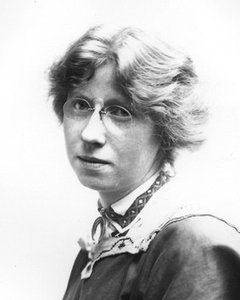
Imogen Kaningam
1883 - 1976
Osnovne informacije
- Artistic Movement Or Style: Piktorializam, Modernizam
- Artists Or Movements Influenced By This Artist: ['Grupa f/64']
- Artists Who Influenced This Artist: ['Gertrude Käsebier']
- Date Of Birth: 12. april 1883.
- Date Of Death: 1976.
- Full Name: Imogen Cunningham
- Nationality: Američka
- Notable Artworks:
- Autoportret
- Money Plant
- Rubber Plant 3
- Place Of Birth: Portland, SAD