

 Pregledaj u prostoru
 Podeli
 Podeli
 Detalji
 Vodič
Vodič

 Preuzmi sliku
 Slični predmeti
 Rendgenski snimak
 Automatska prezentacija
 Statistika
Colonel Hugh O'donnell

 Pročitaj više
Giclee štampa / Umetnički otisak
Giclée štampa ili print na platnu muzejskog kvaliteta uz brzu izradu i raznovrsne opcije završne obrade. ( Naručite ručno oslikano reprodukciju Pređi na prodaju digitalnih slika)




































Izaberite jednu od naših unapred definisanih veličina koje odgovaraju originalnim proporcijama umetničkog dela.

Možete uneti sopstvene dimenzije kako biste umetničko delo prilagodili specifičnom okviru ili prostoru. Ako odabrani format ne odgovara proporcijama originalne slike, mi ćemo ili iscrtati deo dela ili proširiti sliku pomoću ogledane ivice ili jednobojnog popunjavanja. Digitalni prikaz će vam biti poslat na odobrenje pre početka proizvodnje.
Imajte na umu da pregled na ekranu ne odražava stvarno iscrtavanje ili proširivanje. Samo će prikaz (mockup) precizno pokazati finalnu kompoziciju.
Iako su prilagođene dimenzije dostupne, preporučujemo da odaberete dimenziju sa unapred definisane liste kako biste očuvali originalne proporcije.
Dostava širom sveta () za 2 nedelje umesto uobičajenih 4/5 nedelja. (10 октобар)

Besplatna ekspresna dostava širom sveta

Visokokvalitetno laneno platno

Sveobuhvatno osiguranje transporta

Garancija povraćaja carine i uvoznih dažbina

Garancija vernosti boja i autentičnosti pri reprodukciji

Politika povraćaja u roku od 100 dana (samo u slučaju nedostataka)

Garancija povrata 100% novca

Popust pri većoj količini
 Opcija sa staklom dostupna je samo za dimenzije manje od 110 cm

Colonel Hugh O'donnell
Giclee štampa / Umetnički otisak
Veličina reprodukcije
-


Ukupna cena
дин 8087
Biografija umetnika
Dablinska milost: Život i umetnost Hjua Daglasa Hamiltona
Rođen u užurbanom srcu Dablina oko 1740. godine, Hjua Daglas Hamilton se istakao kao ključna figura u portretnoj slikarstvu, povezujući rokokosku eleganciju svoje rane karijere sa uspenskim neoklasičnim senzibilitetima koji će definisati jednu eru. Kao sin proizvođača perika – zanimanja koje je po svojoj prirodi zahtevalo preciznost i umetnički dar – mladi Hamilton je bio usmeren ka vizuelnim umetnostima, stičući temeljno obrazovanje u Dublin Society House pod mentorstvom Roberta Westa i Džejmsa Manina. Čak i u tim formativnim godinama, njegov talenat je svetlucao, donoseći mu nagrade za crteže još 1elog 1756. godine, što je nagoveštavalo veštinu koja će uskoro očarati i irsko i britansko društvo. Presudno je bilo to što je Hamilton negovao odnose sa uticajnim pokroviteljima, poput bankarske porodice La Touche, što je bila mreža neprocenjiva za uspostavljanje njegove karijere. Ove veze nisu bile samo finansijske; one su bile kapije u svet koji će on tako vešto beležiti na platnu i pastelu.Od londonskih salona do rimskih sanjacija
Hamiltonova ambicija odvela ga je u London početkom 1760-ih, gde je brzo postigao uspeh sa svojim prepoznatljivim ovalnim pastelnim portretima. To nisu bila grandiozna, nametljiva iskaza moći; naprotiv, bili su to živopisni, pristupačni prikazi koji su odjekivali kod rastuće srednje klase, željne da poseduju slike sebe i svojih voljenih. Njegov talenat nije prošao nezapaženo ni pred najvišim slojevima društva – primao je porudžbine od britanske kraljevske porodice, uključujući portret kraljice Šarlote 1764. godine, čime je učvrstio svoju reputaciju. Redovno je izlagao u Society of Artists i Free Society of Artists, steadily gradeći svoju klijentelu. Oko sredine 1770-ih, Hamilton je počeo da eksperimentiše sa jedinstvenom „fresko“ tehnikom pastela, mešajući kredu i štapove kako bi postigao bogatiju teksturu i dubinu u svom radu. Ova inovacija označila je prekretnicu, pokazujući njegovu spremnost da pomera granice i usfine svoj umetnički pristup. Godine 1779, tražeći dalju inspiraciju i usavršavajući svoje veštine, zaputovao je na dvanaestogodišnje boravište u Rim. Upravo je tamo susreo intelektualne krugove tog vremena, sprijateljio se sa figurama poput Antonija Kanove i primio vođstvo od Džona Flaxmana, koji ga je ohrabrio da pređe na slikanje uljanim bojama – medijumu koji bi omogućio još veću nijansu i detaljiranje.Majstor sličnosti: Stil i tehnika
Umetnički potpis Hamiltona ležao je u njegovoj sposobnosti da uhvati ne samo sličnost svojih modela, već i njihov karakter i društveni status. Iako je prvobitno stekao slavu zbog svojih pastelnih portreta – posebno onih šarmantnih ovalnih kompozicija – njegov kasniji rad u ulju pokazivao je rastuće majstorstvo tehnike. Preferirao je ručno rađeni krem ili prljavo-beli papir za svoje pastele, pružajući suptilnu toplinu završenim delima. Neverovatno efikasan, mnoge svoje portrete je završavao u jednom sedenju, slikajući direktno iz modela, što je svedočanstvo njegovih sposobnosti posmatranja i sigurne ruke. Njegov proces rada sa pastelom uključivao je pedantno slojevitost: skiciranje svetlim tonovima, izgradnju crta lica karminim nijansama, nežno mešanje prstima, postavljanje širokih pozadina i na kraju dodavanje preciznih detalja koristeći i pastelne štapiće i grafit. Ovaj pažljivi pristup omogućavao mu je da stvori portrete koji su istovremeno realistični i laskavi. Bio je izuzetno usklađen sa zahtevima tržišta, balansirajući umetničko izražavanje sa očekivanjima svojih pokrovitelja. Njegov stil odražava fascinantnu interakciju između evropskih umetničkih tradicija – posebno uticaja francuskog rokokoa – i evoluirajućeg ukusa društva 18. veka.Odjekovi jedne ere: Glavna dela i nasleđe
Tokom čitave svoje karijere, Hamiltonova četkica (ili pastelni štapić) ovekovečila je mnoge istaknute ličnosti. Pored slavnog portreta kraljice Šarlote, prikazao je Čarlsa Edvarda Stjuarta i njegovu porodicu između 1785. i 1788. godine, beležeći potresan trenutak u jakobitskoj istoriji. Njegov portret dekan Kirvana ostaje dragoceno delo u Royal Dublin Society, dok druga značajna dela uključuju portrete Džordža Džona, 2. grofa Spensera, i grofice Koper. „Dijana i Endimion“ (1783) predstavlja rani pokušaj u uljanom slikarstvu velikih formata, pokazujući njegovu ambiciju da se uhvati u koštac sa složenijim kompozicijama. Ipak, možda je upravo ponovno otkriće szkicarnika koji sadrži šezdeset šest crteža dublinskih uličnih prodavaca zaista učvrstilo Hamiltonov istorijski značaj. Ovi skici nude redak i neprocenjiv uvid u svakodnevni život Dublina 18. veka, pružajući društvenim istoričarima bogatu vizuelnu dokumentaciju o prošloj eri. Vraćajući se u Dublin 1791. godine, nastavio je da slika portrete, uključujući onaj Lorda Edvarda Ficgeralda, irskog revolucionara, 1796. godine – delo prožeto i umetničkom veštinom i istorijskom težinom. Hjua Daglas Hamilton preminuo je 1808. godine, ostavljajući za sobom nasleđe svestranog i pronicljivog portretiste čiji rad nastavlja da odjekuje svojim spojem rokokoske elegancije i neoklasičnog prefinjenosti. Njegovi portreti ostaju ne samo slike, već prozori u živote i vremena onih koji su oblikovali njegov svet.
Hju Daglas Hamilton
1740 - 1808
Brzi pregled
- Artistic Movement Or Style: Rokoko, Neoklasicizam
- Artists Or Movements Influenced By This Artist: ['Luis Vaslet']
- Artists Who Influenced This Artist:
- Robert Vest
- Džejms Manin
- Džon Flaksman
- Date Of Birth: 1740
- Date Of Death: 1808
- Full Name: Hju Daglas Hamilton
- Nationality: Irac
- Notable Artworks:
- Kraljica Šarlota (1764)
- Portret lorda Edvarda
- Dijana i Endimion
- Portret dekan Kirvana
- Place Of Birth: Dublin, Irska
Srodni članci

Arthur Hughes: Pre-Raphaelite Visions of Beauty & Melancholy
Explore the captivating world of Arthur Hughes (1832-1915), a leading Pre-Raphaelite painter. Discover his dreamy landscapes, poetic narratives & iconic Victorian artworks. Learn about his life, style & collecting today.
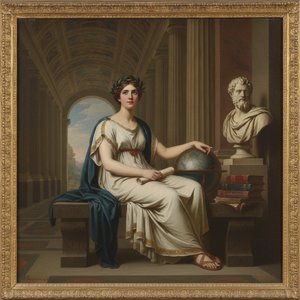
Timeless Elegance: The Grace, Order, and Intellectual Majesty of Neoclassical Portraiture
Explore the profound beauty of Neoclassical portraiture. Discover how masters used order, grace, and antiquity to transform portraits into timeless monuments of virtue and character through academic excellence.

Emerald Visions: A Reflective Journey Through the Luminous Landscapes of Irish Impressionism
Immerse yourself in the luminous landscapes of Ireland. Explore our curated collection of hand-painted Impressionist oil reproductions, celebrating masters like McKelvey. Discover timeless beauty and bespoke artistry designed to bring cultural elegance to your home with OriginalUniqueArt.com.
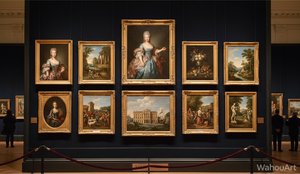
18th Century Masters: 10 Artworks That Define an Era | OriginalUniqueArt
Journey through 18th century art! Explore 10 iconic paintings – from Rococo elegance to Neoclassical grandeur. Discover Fragonard, David & more. Find museum-quality reproductions and elevate your home decor on OriginalUniqueArt.com.

Neoclassical Portraiture: The Timeless Elegance of Order, Grace, and Academic Mastery
Explore the refined world of Neoclassical portraiture. Discover the mastery of line, light, and order through an expert exploration of academic art history, from Jacques-Louis David to Jean-Antoine Houdon. Immerse yourself in the timeless elegance of classical realism.