
 Pregledaj u prostoru
 Pošalji
 Podeli
 Detalji o delu
 Vodič
Vodič

 Preuzmi
 Slični predmeti
 Rendgenski snimak
 Automatska prezentacija
 Pitanja i odgovori
 Statistika
The Grande Galerie

- 37.0 x 41.0 cm


 Pročitaj više
Giclee štampa / Umetnički otisak
Giclée štampa ili print na platnu muzejskog kvaliteta uz brzu izradu i raznovrsne opcije završne obrade. ( Kupite ručno oslikano delo Pređi na digitalnu sliku)




P118B дин10

P118H дин10

P118W дин10

P438Z дин10

P508JH дин12

P508YH дин12

P805H дин10

P805Z дин10

P919BZ дин10

P919G дин10

P919XJ дин10

P959ZH дин10

P968JZ дин12

W106C дин8

W218G дин10

W218JH дин8

W218Y дин10

W307PJ дин10

W316G дин10

W316PJ дин8

W316Y дин10

W398PJ дин8

W4111J дин10

W500HY дин15

W500JH дин15

W692G дин12

W849H дин8

W940BG дин15

W953PJ дин8




Izaberite jednu od naših unapred definisanih veličina koje odgovaraju originalnim proporcijama umetničkog dela.

Unesite željenu širinu i visinu kako bi se štampa uklopila u vaš ram ili zid. Štampu je moguće samo iseći, ali nikada povećati iznad dimenzija originalne slike, stoga format sa drugačijim proporcijama uzrokuje gubitak dela slike. Pre početka štampe, poslaćemo vam digitalni prikaz radi potvrde. Slika prikazana na ovoj stranici ne predstavlja stvarni isrez — to pokazuje samo digitalni prikaz.
Dostava širom sveta () za 2 nedelje umesto uobičajenih 4/5 nedelja. (7 новембар)

Besplatna ekspresna dostava širom sveta

Visokokvalitetno laneno platno

Potpuno osiguranje transporta

Garancija povraćaja carine i uvoznih dažbina

Garancija vernosti boja

Politika povraćaja u roku od 100 dana (samo u slučaju nedostataka)

Garancija povrata 100% novca

Popust na više proizvoda
 Opcija sa staklom dostupna je samo za dimenzije manje od 110 cm

The Grande Galerie
Giclee štampa / Umetnički otisak
Dimenzije reprodukcije
-


Ukupna cena
дин 8485
Hubert Robert: Capturing Light and Decay – A Vision of Antiquity Revisited
Hubert Robert’s “The Grande Galerie,” completed in 1795, transcends mere depiction; it embodies a profound philosophical stance on art and memory. Painted during the turbulent years of the French Revolution, this monumental canvas isn't simply a record of the Louvre Museum—it’s an imaginative reimagining of classical grandeur filtered through the lens of Romantic sensibility.
- Subject Matter: Robert meticulously portrays the Grand Gallery itself, focusing on its central hallway and the impressive collection of paintings displayed upon its walls. However, he doesn't aim for a straightforward topographical representation. Instead, he presents an idealized vision—a “vue imaginaire”—infused with atmospheric perspective and imbued with a palpable sense of melancholy.
- Style & Technique: Robert’s signature style is characterized by his masterful manipulation of light and shadow, techniques honed during his extensive explorations of Roman ruins. He employs a meticulous etching-like approach—a technique he perfected while studying the ruins of Pompeii—to achieve remarkable detail and textural richness. The painting utilizes chiaroscuro extensively, creating dramatic contrasts that heighten the emotional impact of the scene.
- Historical Context: Robert’s work emerged from a pivotal moment in European art history. The Romantic movement rejected Neoclassical formalism, prioritizing emotion and imagination over rational order. “The Grande Galerie” reflects this ethos by presenting an idealized past—a symbol of artistic excellence and intellectual contemplation—against the backdrop of revolutionary upheaval.
- Symbolism: Beyond its visual splendor, the painting carries symbolic weight. The figures strolling through the gallery represent humanity’s engagement with beauty and knowledge. Robert's deliberate inclusion of ruins subtly underscores the transience of time and the enduring power of artistic memory—a theme central to Romantic thought.
- Emotional Impact: Viewing “The Grande Galerie” evokes a feeling of contemplative wonder. Robert captures not just what was seen but what *felt* like—the sublime beauty of art combined with the poignant awareness of its inevitable decay. It’s a painting that invites viewers to contemplate the legacy of artistic achievement and the passage of time.
Detailed Examination: Composition & Atmospheric Perspective
Robert's compositional brilliance is evident in the careful arrangement of figures and architectural elements within the gallery space. The central hallway dominates the canvas, drawing the eye upwards towards the ceiling adorned with paintings—a deliberate reference to the artistic traditions of antiquity. Furthermore, Robert skillfully employs atmospheric perspective—a technique borrowed from Leonardo da Vinci—to create a convincing illusion of depth. Colors become paler and less saturated as they recede into the distance, reinforcing the sense of grandeur and conveying the ethereal quality characteristic of Romantic landscapes.
Robert’s Etching Technique: Precision & Texture
The painting's remarkable detail is achieved through Robert’s mastery of etching technique. He meticulously rendered textures—from the polished marble floors to the draped fabrics—with astonishing accuracy. This painstaking process demanded considerable patience and skill, reflecting Robert’s dedication to capturing the nuances of form and surface appearance. The resulting image possesses a tactile quality that invites viewers to imagine themselves immersed in the gallery's atmosphere.
A Reflection of Romantic Ideals
"The Grande Galerie" stands as a testament to the Romantic movement’s fascination with ruins—a visual metaphor for the decline of civilization and the triumph of imagination. Robert’s depiction aligns perfectly with this aesthetic preoccupation, demonstrating how artists sought to express profound emotions and philosophical ideas through evocative imagery. It remains an enduring symbol of artistic aspiration and the contemplation of beauty amidst historical change.
Pitanja i odgovori
Koja je dominantna boja dela „The Grande Galerie”, autor Hubert Robert?
Dominantna nijansa dela „The Grande Galerie”, autor Hubert Robert je Ochre to Sepia. Ova nijansa predstavlja osnovni ton palete.
Da li je "The Grande Galerie" ostalo u domovini svog umetnika?
Ne – umetničko delo se nalazi u inostranstvu. Rodna zemlja umetnika Hubert Robert je Francuska, dok se muzej u kojem se čuva original dela „The Grande Galerie” nalazi u državi France.
Koliko su harmonične boje dela „The Grande Galerie”, autor Hubert Robert?
Boje dela „The Grande Galerie”, autor Hubert Robert odražavaju Unified Palette harmoniju. Harmonija opisuje međusobni odnos boja.
Biografija umetnika
Slikar Ruina i Vizija: Svet Huberta Roberta
Hubert Robert, ime sinonim za impresivne pejzaže i romantičnu privlačnost ruševina, zauzima jedinstvenu poziciju u francuskoj umetnosti 18. veka. Rođen u Parizu 1733. godine, njegov život se odvijao na pozadini promenljivih umetničkih stilova i monumentalnih istorijskih prevrata – od raziglane elegancije Rokokoa do zore Neoklasicizma, a zatim kroz burne godine Francuske revolucije. On nije samo beležio propadanje; stvarao je vizije, spajajući posmatranje sa maštom kako bi stvorio scene koje su odjekivale nostalgijom za prošlošću i iščekivanjem budućnosti. Njegovo putovanje je počelo u strukturiranom svetu umetničke obuke, prvo pod skulptorom Mišel-Anž Slodcom, koji je prepoznao Robertov talenat, ali ga je mudro usmerio ka slikarstvu, osećajući da mu se pravi poziv nalazi u hvatanju svetlosti, atmosfere i suptilne poezije oblika.Rimski Snovi: Oblikovanje Umetničkog Identiteta
Ključni trenutak u Robertovom umetničkom razvoju stigao je sa njegovim produženim boravkom u Rimu 1754. godine. Prateći Etijena-Fransoa de Šoazela, uronio je u svet prožet istorijom i arhitektonskom veličinom. Jedanaest godina, drevni grad je postao njegov studio na otvorenom, a njegove rušećine, veličanstveni lukovi i obrasle bašte su podsticale njegovu maštu. Ovo nije bilo samo o replikaciji onoga što je video; radilo se o tumačenju, ponovnoj zamisli i utiskivanju osećaja melanholične lepote. Radio je zajedno sa Đovanijem Paolom Paninijem, čiji je uticaj vidljiv u Robertovim ranim *kapričo* kompozicijama – fantastičnim prizorima koji su juxtapozirali klasične ruševine i savremeni život. Međutim, Robert se brzo oslobodio imitacije, razvijajući sopstveni prepoznatljiv stil karakterizovan minucioznim detaljima, atmosferskom perspektivom i dubokom osetljivošću za igru svetla i senke. On nije samo slikao ruševine; slikao je samo vreme, hvatajući potresnu lepotu prolaznosti i trajne moći sećanja. Njegove skicnice iz ovog perioda su neprocenjivi zapisi njegovih posmatranja, ispunjeni detaljnim studijama rimskih znamenitosti kao što su Vila d’Este i Kaprarola, demonstrirajući oštar pogled za arhitektonsku nijansu i kompoziciju pejzaža.Pariski Uspeh i Kraljevska Patronat
Robertov povratak u Pariz 1765. godine označio je prekretnicu u njegovoj karijeri. Brzo je stekao priznanje unutar umetničke zajednice, obezbedivši prijem u Akademiju Royale de Peinture et de Sculpture sa delom “Luka Rima, ukrašena različitim spomenicima arhitekture, drevnim i modernim.” Njegove sledeće izložbe na Salonu su izazvale široki aplauz, očaravajući publiku svojim evocativnim prikazima ruševina i slikovitih pejzaža. Denis Diderot, istaknuta figura prosvetiteljstva, pohvalio je veličanstvo koje je Robertovim slikama probudilo, prepoznajući njegovu sposobnost da prenese gledaoce u drugo vreme i mesto. Ovaj uspeh ga je doveo do kraljevske patronaže, sa narudžbinama za dekorativne projekte i imenovanjem za “Dizajnera Kraljevih bašti”, a kasnije, “Čuvara Kraljevih slika”. Postao je traženi umetnik, ne samo po svojim slikama na platnu, već i po svojim inovativnim dizajnom za vrtove i palatske enterijere. Njegov rad je odjekivao preovlađujući ukus za *kapričo* slikarstvo – žanr koji je privukao kolekcionare fascinirane istorijom, arheologijom i pitoresknim – ali ga je Robert obogatio jedinstvenom osetljivošću, podigavši ga iznad puke dekorativne umetnosti.Revolucija, Otpornost i Trajno Nasleđe
Francuska revolucija predstavljala je bez presedana izazov za Roberta. Iako se mnogi umetnici borili da pronađu put kroz burnu političku klimu, on se našao uhvaćen u sukobima promena. Bio je čak i zatvoren tokom Vlade Terora, potresno iskustvo koje ga je ipak inspirisalo na seriju crteža koji su dokumentovali njegovo vreme u zatvoru. Iznenađujuće, nastavio je da slika plodonosno tokom ovog perioda, demonstrirajući nepokolebljivu posvećenost svojoj umetnosti. Nakon Revolucije, Robert je imenovan za kustosa novoustanovljenog Muséum Central des Arts – budućeg Musée du Louvre – svedočeći o njegovoj stručnosti i predanosti očuvanju kulturnog nasleđa. Imao je ključnu ulogu u organizaciji i katalogiziranju zbirke muzeja, osiguravajući da su Francusko umetničko blago zaštićeno za buduće generacije. Hubert Robert umro je u Parizu 1808. godine, ostavljajući iza sebe izvanredno delo koje nastavlja da izaziva divljenje i poštovanje. Njegovo nasleđe leži ne samo u njegovoj tehničkoj veštini, već i u njegovoj jedinstvenoj sposobnosti da spoji istorijsku tačnost sa maštovitom vizijom. On je pionirirao žanru slikarstva koji je proslavio i lepotu propadanja i trajne moći ljudske kreativnosti, učvršćujući svoj položaj kao ključna figura koja povezuje Rokoko i Neoklasicizam, i predviđa aspekte Romantizma sa svojim interesovanjem za istoriju i maštu.- Ključni Uticaji: Đovani Paolo Panini, Piranesi, arhitektonski pejzaž Rima.
- Glavne Teme: Ruševine, pejzaži, *kapričo* slike, istorijska memorija, prolazak vremena.
- Umetnički Stil: Minuciozni detalji, atmosferska perspektiva, evocativno osvetljenje, spajanje posmatranja i mašte.
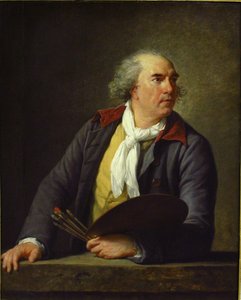
Hubert Robert
1733 - 1808 , Francuska
Osnovne informacije
- Artistic Movement Or Style: Romantizam, Neoklasicizam
- Artists Or Movements Influenced By This Artist: ['Romantizam']
- Artists Who Influenced This Artist:
- Đovani Panini
- Piranesi
- Date Of Birth: 22. maj 1733.
- Date Of Death: 15. april 1808.
- Full Name: Hubert Robert
- Nationality: Francuz
- Notable Artworks (List Of Titles):
- Luka Rima
- Let Galatee
- Galerija Luvra
- Place Of Birth (City And Country): Pariz, Francuska
Povezani članci

25 Remek-dela Džona Konstebla: Lepota Engleske na Platnu | OriginalUniqueArt
Uronite u svet Džona Konstebla! Otkrijte 25 remek-dela engleskog pejzaža, romantizma i seoske idile. Kupite reprodukcije slika vrhunskog kvaliteta za dekoraciju enterijera na OriginalUniqueArt.com.

25 Remek-dela Luvra: Putovanje kroz vekove umetnosti i lepote | OriginalUniqueArt.com
Otkrijte 25 remek-dela Luvra! Istražite priče iza Mona Lize, Venere Miloske i drugih ikona umetnosti. Reprodukcije slika vrhunskog kvaliteta za vaš enterijer. Leonardo da Vinci, renesansa & više na OriginalUniqueArt.com

Evocations of Place: A Historical Journey Through Landscape Art
Explore the rich history of landscape art with OriginalUniqueArt. Discover renowned artists, movements like Impressionism & Romanticism, and expert guidance for collecting timeless pieces. Find your perfect serene escape today!

Glavna dela koja su definisala Romantični pejzaž: 10 remek-dela za vaš dom
Otkrijte 10 remek-dela romantičnog pejzažnog slikarstva! Uronite u svet Claude Lorraina, Caspara David Friedricha i Turnera. Ispričane priče umetnosti, inspiracija za dekoraciju doma. Kvalitetne reprodukcije na OriginalUniqueArt.com – istražite celu kolekciju online!

Hubert Robert: Picturing Ruins, Preserving Memory – A Study of Romantic Antiquarianism & Artistic Innovation
Explore the captivating world of Hubert Robert, master of Romantic landscape painting & 'capriccio' ruins. Discover his historical context, artistic innovations, and collecting insights with OriginalUniqueArt.