

 Pregledaj u prostoru
 Podeli
 Podeli
 Detalji
 Vodič
Vodič

 Preuzmi sliku
 Slični predmeti
 Rendgenski snimak
 Automatska prezentacija
 Statistika
Ruin Capriccio
 Acrylic On Canvas
- WallArt
- Romanticism
 1786
1786- 19th Century
 41.0 x 31.0 cm
 Academy of Fine Arts Vienna
 Pročitaj više
Giclee štampa / Umetnički otisak
Giclée štampa ili print na platnu muzejskog kvaliteta uz brzu izradu i raznovrsne opcije završne obrade. ( Naručite ručno oslikano reprodukciju Pređi na prodaju digitalnih slika)




P118B дин10

P118H дин10

P118W дин10

P438Z дин10

P508JH дин12

P508YH дин12

P805H дин10

P805Z дин10

P919BZ дин10

P919G дин10

P919XJ дин10

P959ZH дин10

P968JZ дин12

W106C дин8

W218G дин10

W218JH дин8

W218Y дин10

W307PJ дин10

W316G дин10

W316PJ дин8

W316Y дин10

W398PJ дин8

W4111J дин10

W500HY дин15

W500JH дин15

W692G дин12

W849H дин8

W940BG дин15

W953PJ дин8




Izaberite jednu od naših unapred definisanih veličina koje odgovaraju originalnim proporcijama umetničkog dela.

Type the width and the height you need, to fit your frame or your wall. A print can only be cut, never made bigger than the picture, so a size with a different shape loses a part of the image. We send you a digital mockup to approve before we print anything. The picture shown on this page does not show the real cut — only the mockup does.
Dostava širom sveta () za 2 nedelje umesto uobičajenih 4/5 nedelja. (14 октобар)

Besplatna ekspresna dostava širom sveta

Visokokvalitetno laneno platno

Sveobuhvatno osiguranje transporta

Garancija povraćaja carine i uvoznih dažbina

Garancija vernosti boja i autentičnosti pri reprodukciji

Politika povraćaja u roku od 100 dana (samo u slučaju nedostataka)

Garancija povrata 100% novca

Popust pri većoj količini
 Opcija sa staklom dostupna je samo za dimenzije manje od 110 cm

Ruin Capriccio
Giclee štampa / Umetnički otisak
Veličina reprodukcije
-


Ukupna cena
дин 8136
Hubert Robert: The Poet of Ruins
Hubert Robert (1733-1808) stands as an emblem of the Romantic spirit—a painter who transcended mere documentation, transforming observation into visionary imagination to conjure scenes imbued with both nostalgic longing and anticipatory wonder. Born in Paris amidst a period of dramatic artistic upheaval—from the opulent Rococo’s playful frivolity to the burgeoning Neoclassicism—Robert navigated these stylistic currents, ultimately establishing himself as a pivotal figure in shaping the aesthetic landscape of his era. He wasn't merely depicting decay; he was crafting narratives of time and memory, elevating ruins into symbols of grandeur lost and beauty enduring.- Early Life & Artistic Training: Robert’s formative years were marked by exposure to influential artistic mentors like Michel-Ange Slodtz, who recognized his innate talent but skillfully steered him toward painting—a decision that proved decisive in unlocking Robert's true creative potential. This guidance instilled a foundational understanding of perspective and composition, skills he would hone throughout his prolific career.
- Roman Reveries: Robert’s journey to Rome in 1754 represented more than just a geographical relocation; it signified an immersion into the intellectual fervor of the Enlightenment and a profound fascination with the vestiges of antiquity. His time amongst fellow artists, notably Giovanni Paolo Panini and Giovanni Battista Piranesi—whose techniques he meticulously studied—fueled his artistic vision and cemented his reputation as a master of architectural capricci.
- The Capriccio Genre: Robert’s signature style resided in the genre of capriccio—a technique that deliberately juxtaposed disparate elements—ancient ruins, fantastical landscapes, and idealized figures—to evoke an atmosphere of sublime beauty and melancholy contemplation. This approach distinguished him from his contemporaries who favored more restrained representations of nature, prioritizing emotional resonance over literal accuracy.
- A Painter of Emotion: Robert’s paintings are characterized by a masterful manipulation of light and color, capturing fleeting moments of atmospheric drama with breathtaking sensitivity. He sought to convey not just what he saw but how he felt—a profound awareness of the passage of time and the inevitability of decay—themes that resonated deeply with the Romantic sensibility.
- Legacy & Influence: Robert’s enduring legacy extends beyond his individual artworks; he profoundly impacted subsequent generations of painters, inspiring them to embrace imaginative storytelling and to explore the expressive power of landscape painting. His influence can be discerned in the works of Eugène Delacroix and Caspar David Friedrich—artists who similarly championed the Romantic ideal of sublime beauty and emotional intensity.
Ruin Capriccio: A Study in Light and Memory
“Ruin Capriccio,” executed circa 1786, exemplifies Robert’s artistic philosophy with remarkable clarity. The painting depicts a monumental stone building—likely inspired by the grandeur of Roman ruins—dominated by towering columns and arches bathed in ethereal light. This dramatic illumination serves not merely to illuminate the architectural structure but also to imbue it with an aura of timelessness and melancholy beauty. Scattered throughout the scene are figures—primarily human forms—who appear dwarfed by the scale of the ruin, emphasizing the insignificance of human existence against the backdrop of geological time.Robert’s meticulous attention to detail—evident in the rendering of textures, drapery folds, and atmospheric haze—underscores his commitment to capturing not just visual appearances but also emotional impressions. The artist skillfully employs chiaroscuro—the interplay between light and shadow—to heighten dramatic tension and to create a sense of depth that draws the viewer into the scene’s contemplative mood.
Symbolism & Context: Echoes of Antiquity and Romantic Idealism
The choice of ruins as subject matter was deliberate, reflecting Robert's fascination with the vestiges of classical civilization—a preoccupation that mirrored the broader intellectual currents of the Enlightenment. Ruins served as potent symbols of grandeur lost, reminding viewers of the impermanence of earthly achievements and prompting reflection on mortality. Simultaneously, Robert’s depiction aligns perfectly with the tenets of Romantic idealism—a movement characterized by an emphasis on emotion, imagination, and the sublime—values that championed the beauty of untamed nature and the contemplation of profound spiritual truths.Technical Mastery & Artistic Innovation
Robert's technique was distinguished by its virtuosity—particularly his command of perspective and atmospheric effects. He achieved remarkable realism through painstaking observation, meticulously recreating textures and colors with unparalleled accuracy. Yet, he never sacrificed artistic expression for mere imitation; rather, he skillfully manipulated visual elements to convey emotional resonance and to evoke a sense of wonder. His innovative approach to landscape painting solidified Robert’s position as one of the foremost artists of his time—a testament to his unwavering dedication to pushing the boundaries of artistic convention.Pitanja i odgovori
Koja je preporučena veličina štampe za „Ruin Capriccio”, Hubert Robert?
Za „Ruin Capriccio”, Hubert Robert preporučuje se reprodukcija u veličini Large. Veličina se može prilagoditi uz zadržavanje proporcija.
Da li je legalno moguće reprodukovati delo „Ruin Capriccio”, Hubert Robert koje se nalazi u muzeju Academy of Fine Arts Vienna?
Delo „Ruin Capriccio”, Hubert Robert, koje se čuva u muzeju Academy of Fine Arts Vienna, nalazi se u u javnom vlasništvu – autorska prava su istekla statusu. Ovaj status određuje da li je dozvoljeno izrada reprodukcija slike.
Koji je datum nastanka dela „Ruin Capriccio”, Hubert Robert?
Datum nastanka dela „Ruin Capriccio”, Hubert Robert je 1786.
Biografija umetnika
Slikar Ruina i Vizija: Svet Huberta Roberta
Hubert Robert, ime sinonim za impresivne pejzaže i romantičnu privlačnost ruševina, zauzima jedinstvenu poziciju u francuskoj umetnosti 18. veka. Rođen u Parizu 1733. godine, njegov život se odvijao na pozadini promenljivih umetničkih stilova i monumentalnih istorijskih prevrata – od raziglane elegancije Rokokoa do zore Neoklasicizma, a zatim kroz burne godine Francuske revolucije. On nije samo beležio propadanje; stvarao je vizije, spajajući posmatranje sa maštom kako bi stvorio scene koje su odjekivale nostalgijom za prošlošću i iščekivanjem budućnosti. Njegovo putovanje je počelo u strukturiranom svetu umetničke obuke, prvo pod skulptorom Mišel-Anž Slodcom, koji je prepoznao Robertov talenat, ali ga je mudro usmerio ka slikarstvu, osećajući da mu se pravi poziv nalazi u hvatanju svetlosti, atmosfere i suptilne poezije oblika.Rimski Snovi: Oblikovanje Umetničkog Identiteta
Ključni trenutak u Robertovom umetničkom razvoju stigao je sa njegovim produženim boravkom u Rimu 1754. godine. Prateći Etijena-Fransoa de Šoazela, uronio je u svet prožet istorijom i arhitektonskom veličinom. Jedanaest godina, drevni grad je postao njegov studio na otvorenom, a njegove rušećine, veličanstveni lukovi i obrasle bašte su podsticale njegovu maštu. Ovo nije bilo samo o replikaciji onoga što je video; radilo se o tumačenju, ponovnoj zamisli i utiskivanju osećaja melanholične lepote. Radio je zajedno sa Đovanijem Paolom Paninijem, čiji je uticaj vidljiv u Robertovim ranim *kapričo* kompozicijama – fantastičnim prizorima koji su juxtapozirali klasične ruševine i savremeni život. Međutim, Robert se brzo oslobodio imitacije, razvijajući sopstveni prepoznatljiv stil karakterizovan minucioznim detaljima, atmosferskom perspektivom i dubokom osetljivošću za igru svetla i senke. On nije samo slikao ruševine; slikao je samo vreme, hvatajući potresnu lepotu prolaznosti i trajne moći sećanja. Njegove skicnice iz ovog perioda su neprocenjivi zapisi njegovih posmatranja, ispunjeni detaljnim studijama rimskih znamenitosti kao što su Vila d’Este i Kaprarola, demonstrirajući oštar pogled za arhitektonsku nijansu i kompoziciju pejzaža.Pariski Uspeh i Kraljevska Patronat
Robertov povratak u Pariz 1765. godine označio je prekretnicu u njegovoj karijeri. Brzo je stekao priznanje unutar umetničke zajednice, obezbedivši prijem u Akademiju Royale de Peinture et de Sculpture sa delom “Luka Rima, ukrašena različitim spomenicima arhitekture, drevnim i modernim.” Njegove sledeće izložbe na Salonu su izazvale široki aplauz, očaravajući publiku svojim evocativnim prikazima ruševina i slikovitih pejzaža. Denis Diderot, istaknuta figura prosvetiteljstva, pohvalio je veličanstvo koje je Robertovim slikama probudilo, prepoznajući njegovu sposobnost da prenese gledaoce u drugo vreme i mesto. Ovaj uspeh ga je doveo do kraljevske patronaže, sa narudžbinama za dekorativne projekte i imenovanjem za “Dizajnera Kraljevih bašti”, a kasnije, “Čuvara Kraljevih slika”. Postao je traženi umetnik, ne samo po svojim slikama na platnu, već i po svojim inovativnim dizajnom za vrtove i palatske enterijere. Njegov rad je odjekivao preovlađujući ukus za *kapričo* slikarstvo – žanr koji je privukao kolekcionare fascinirane istorijom, arheologijom i pitoresknim – ali ga je Robert obogatio jedinstvenom osetljivošću, podigavši ga iznad puke dekorativne umetnosti.Revolucija, Otpornost i Trajno Nasleđe
Francuska revolucija predstavljala je bez presedana izazov za Roberta. Iako se mnogi umetnici borili da pronađu put kroz burnu političku klimu, on se našao uhvaćen u sukobima promena. Bio je čak i zatvoren tokom Vlade Terora, potresno iskustvo koje ga je ipak inspirisalo na seriju crteža koji su dokumentovali njegovo vreme u zatvoru. Iznenađujuće, nastavio je da slika plodonosno tokom ovog perioda, demonstrirajući nepokolebljivu posvećenost svojoj umetnosti. Nakon Revolucije, Robert je imenovan za kustosa novoustanovljenog Muséum Central des Arts – budućeg Musée du Louvre – svedočeći o njegovoj stručnosti i predanosti očuvanju kulturnog nasleđa. Imao je ključnu ulogu u organizaciji i katalogiziranju zbirke muzeja, osiguravajući da su Francusko umetničko blago zaštićeno za buduće generacije. Hubert Robert umro je u Parizu 1808. godine, ostavljajući iza sebe izvanredno delo koje nastavlja da izaziva divljenje i poštovanje. Njegovo nasleđe leži ne samo u njegovoj tehničkoj veštini, već i u njegovoj jedinstvenoj sposobnosti da spoji istorijsku tačnost sa maštovitom vizijom. On je pionirirao žanru slikarstva koji je proslavio i lepotu propadanja i trajne moći ljudske kreativnosti, učvršćujući svoj položaj kao ključna figura koja povezuje Rokoko i Neoklasicizam, i predviđa aspekte Romantizma sa svojim interesovanjem za istoriju i maštu.- Ključni Uticaji: Đovani Paolo Panini, Piranesi, arhitektonski pejzaž Rima.
- Glavne Teme: Ruševine, pejzaži, *kapričo* slike, istorijska memorija, prolazak vremena.
- Umetnički Stil: Minuciozni detalji, atmosferska perspektiva, evocativno osvetljenje, spajanje posmatranja i mašte.
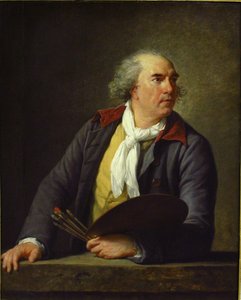
Hubert Robert
1733 - 1808 , Francuska
Brzi pregled
- Artistic Movement Or Style: Romantizam, Neoklasicizam
- Artists Or Movements Influenced By This Artist: ['Romantizam']
- Artists Who Influenced This Artist:
- Đovani Panini
- Piranesi
- Date Of Birth: 22. maj 1733.
- Date Of Death: 15. april 1808.
- Full Name: Hubert Robert
- Nationality: Francuz
- Notable Artworks (List Of Titles):
- Luka Rima
- Let Galatee
- Galerija Luvra
- Place Of Birth (City And Country): Pariz, Francuska
Srodni članci

Glavna dela koja su definisala Romantični pejzaž: 10 remek-dela za vaš dom
Otkrijte 10 remek-dela romantičnog pejzažnog slikarstva! Uronite u svet Claude Lorraina, Caspara David Friedricha i Turnera. Ispričane priče umetnosti, inspiracija za dekoraciju doma. Kvalitetne reprodukcije na OriginalUniqueArt.com – istražite celu kolekciju online!

Hubert Robert: Picturing Ruins, Preserving Memory – A Study of Romantic Antiquarianism & Artistic Innovation
Explore the captivating world of Hubert Robert, master of Romantic landscape painting & 'capriccio' ruins. Discover his historical context, artistic innovations, and collecting insights with OriginalUniqueArt.

Evocations of Place: A Historical Journey Through Landscape Art
Explore the rich history of landscape art with OriginalUniqueArt. Discover renowned artists, movements like Impressionism & Romanticism, and expert guidance for collecting timeless pieces. Find your perfect serene escape today!

The Sublime and the Picturesque: Exploring Emotion & Nature in Romantic Landscape Painting
Explore the emotional power of Romantic landscape painting! Discover the sublime & picturesque traditions, key artists like Friedrich & Cole, and find your perfect artwork at OriginalUniqueArt.
The Sublime and the Picturesque: Exploring Emotion & Nature in Romantic Landscape Painting
Explore the emotional power of Romantic landscape painting! Discover the sublime & picturesque aesthetics, key artists like Friedrich & Cole, and lasting influence on art history. Find your perfect piece at OriginalUniqueArt.