Pregledaj u prostoru
 Podeli
 Podeli
 Detalji
 Vodič
Vodič

 Preuzmi sliku
 Slični predmeti
 Rendgenski snimak
 Automatska prezentacija
 Statistika
The Hypochondriac (Le Malade imaginaire)
 Etching
- WallArt
- Contemporary Realism
 1870
1870- 19th Century
 20.0 x 27.0 cm
 Courtauld Gallery
 Pročitaj više
Giclee štampa / Umetnički otisak
Giclée štampa ili print na platnu muzejskog kvaliteta uz brzu izradu i raznovrsne opcije završne obrade. ( Naručite ručno oslikano reprodukciju Pređi na prodaju digitalnih slika)




P118B дин10

P118H дин10

P118W дин10

P438Z дин10

P508JH дин12

P508YH дин12

P805H дин10

P805Z дин10

P919BZ дин10

P919G дин10

P919XJ дин10

P959ZH дин10

P968JZ дин12

W106C дин8

W218G дин10

W218JH дин8

W218Y дин10

W307PJ дин10

W316G дин10

W316PJ дин8

W316Y дин10

W398PJ дин8

W4111J дин10

W500HY дин15

W500JH дин15

W692G дин12

W849H дин8

W940BG дин15

W953PJ дин8




Izaberite jednu od naših unapred definisanih veličina koje odgovaraju originalnim proporcijama umetničkog dela.

Unesite širinu i visinu koja vam je potrebna, kako bi se uklopili u vaš ram ili na vaš zid. Štampa se može samo iseći, nikada ne može biti veća od originalne slike, stoga format sa drugačijim proporcijama gubi deo slike. Poslaćemo vam digitalni prikaz radi potvrde pre nego što započnemo štampu. Slika prikazana na ovoj stranici ne pokazuje stvarni rez — to pokazuje samo digitalni prikaz.
Dostava širom sveta () za 2 nedelje umesto uobičajenih 4/5 nedelja. (26 октобар)

Besplatna ekspresna dostava širom sveta

Visokokvalitetno laneno platno

Sveobuhvatno osiguranje transporta

Garancija povraćaja carine i uvoznih dažbina

Garancija vernosti boja i autentičnosti pri reprodukciji

Politika povraćaja u roku od 100 dana (samo u slučaju nedostataka)

Garancija povrata 100% novca

Popust pri većoj količini
 Opcija sa staklom dostupna je samo za dimenzije manje od 110 cm

The Hypochondriac (Le Malade imaginaire)
Giclee štampa / Umetnički otisak
Veličina reprodukcije
-


Ukupna cena
дин 8249
A Satirical Masterpiece: Decoding Daumier’s Vision
In the realm of French Realism, few works capture the biting wit and social scrutiny of Honoré Daumier quite like "The Hypochondriac" (Le Malade imaginaire). Executed around 1870, this evocative drawing serves as a profound visual distillation of Molière’s legendary satirical play. Daumier does not merely illustrate a theatrical moment; he breathes life into the very essence of human folly and the absurdity of medical pretension. The scene presents a dramatic tableau where the boundaries between stagecraft and reality blur, inviting the viewer to witness the tension between the delusional patient, Argan, and the self-important physician, Purgon. It is a work that transcends its 19th-century origins, offering a timeless commentary on how easily authority can be used to mask incompetence.
The composition is anchored by a palpable sense of atmosphere, achieved through Daumier’s masterful command of light and shadow. The room feels intimate yet claustrophobic, mirroring the psychological entrapment of the hypochondriac himself. Through his use of chiaroscuro-like effects, Daumier directs our gaze across the figures—from the bearded doctor engaged in intense dialogue to the whimsical presence of a jester holding a bottle. This interplay of light does more than define form; it sculpts the emotional weight of the scene, highlighting the dramatic friction between the characters and creating a sense of theatrical depth that pulls the observer into the heart of the drama.
Technique and the Art of Observation
To behold "The Hypochondriac" is to appreciate the technical brilliance of Daumier’s dry etching process. By applying acid to a zinc plate coated with bitumen, the artist achieved a remarkable level of detail that allows for incredible textural nuance. Every line carries intention, contributing to a sense of movement and life that is rare in works of this period. The tonal modulations are particularly striking; they provide a velvety richness to the shadows and a sharp clarity to the highlights, lending the black and white medium a near-painterly quality. This meticulous draftsmanship allows the viewer to feel the heavy fabrics of the costumes and the somber stillness of the room.
For the discerning collector or interior designer, this piece offers a sophisticated aesthetic that balances historical gravity with expressive energy. The monochromatic palette makes it an exceptionally versatile choice for high-end decor, capable of anchoring a gallery wall or serving as a focal point in a study lined with books. It possesses that rare quality of "living art"—a work that does not merely sit on a wall but actively engages the room, sparking conversation and inviting deep contemplation of the human condition.
A Legacy of Social Commentary
Beyond its technical merits, the emotional impact of Daumier’s work lies in its unapologetic honesty. As a chronicler of the tumultuous currents of 19th-century France, Daumier used his art as a weapon against hypocrisy. In "The Hypochondriac," he captures the precise moment where medical authority meets theatrical farce. The symbolism is subtle yet pervasive: the bottles, the costumes, and the exaggerated gestures all serve to lampoon the inflated egos of those who claim expertise over life and death. It is an invitation to look beneath the surface of societal roles and recognize the comedy—and the tragedy—inherent in our shared delusions.
Owning a high-quality reproduction of this masterpiece allows one to preserve a fragment of art history’s most sharp-witted era. Whether you are drawn to its connection to Molière, its exquisite Realist technique, or its ability to add a layer of intellectual depth to a modern space, "The Hypochondriac" remains an enduring icon of artistic bravery and observational genius.
Pitanja i odgovori
Koji su datum nastanka i stil dela „The Hypochondriac (Le Malade imaginaire)”, Оноре Домије?
„The Hypochondriac (Le Malade imaginaire)”, Оноре Домије je datirano 1870 i pripada pravcu Contemporary Realism.
Koji stil pripada delu "The Hypochondriac (Le Malade imaginaire)"?
„The Hypochondriac (Le Malade imaginaire)“ je delo Contemporary Realism pokreta. Ovaj pokret označava umetničku tradiciju kojoj je delo pripada.
U kojoj je tehnici izvedeno delo „The Hypochondriac (Le Malade imaginaire)”, Оноре Домије?
"The Hypochondriac (Le Malade imaginaire)" je urađeno u tehnici Etching.
Biografija umetnika
Живот и рани године Онореа Домијеа
Рођен у Марсељу 1808. године, Оноре-Викторен Домије је проживео живот испреплетен са бурним токовима Француске деветнаестог века. Његово детињство, обележено поетичним аспирацијама оца и каснијим пресељењем у Париз 1814. године, уронило га је у град који је одрастао са невероватном енергијом. Иако је првобитно био предодређен за правну каријеру, млади Домије се неизбежно окретао уметности. Научио је код Александра Леноара, апсорбујући класичне утицаје уз цењење драматичног кијароскура Рубенса, и даље усавршавао своје вештине на Академији Суис. Ова фундаментална обука се показала кључном у обликовању његовог карактеристичног стила – моћне комбинације реализма и изражајног цртежа. Међутим, нису само технике дефинисале Домијеа; то је била дубока осетљивост на друштвене неправде и политичке апсурдности које су га окруживале.Оштар калем: Карикатура и друштвена критика
Домијеова каријера се заправо распламсала после Револуције из 1830. године, догађаја који је неповратљиво променио ток француске историје и истовремено пружио плодно тло за његов растући сатирични таленат. Брзо се усталио као мајстор литографије, првобитно анонимно доприносећи разним публикацијама пре него што је стекао углед кроз свој рад са *Le Charivari*, жестоко независним комичним часописом који је основао Шарл Филипон. Управо овде је Домијеов гениус заиста процветао. Његове карикатуре нису биле само хумористички прикази; то су били оштри наговори буржоазије, правног система и политичке елите. Без страха се ругао краљу Лују Филипу, зарадивши шест месеци затвора 1832. године због посебно оштре карикатуре. То искуство, уместо да га ућутка, само је учврстило његову посвећеност откривању лицемерја и изазивању власти кроз уметност. Његове литографије су постале визуелни манифести, заробљајући дух неслагања и нудећи критички коментар на друштвене недостатке његовог времена. Огромна количина његових дела из овог периода је запањујућа – хиљаде литографија које су служиле као популарна забава и моћни политички ставови.Иза карикатуре: Сликарске и вајарске визије
Иако је Домије најпознатији по својој литографији, свести га само на област карикатуре био би озбиљан превид. Био је и посвећени сликар и вајар, иако признање за ова дела стигло је тек касније у животу. Његове слике, често приказујући сцене из свакодневног париског живота – трећекласни вагон, вешевице, адвокати – прожете су дубоким осећајем реализма и емпатије. То нису идеализовани портрети, већ неприкривени описи тешкоћа и борбе. Мастерски је користио слободан потез четком и драматично осветљење да пренесе емоције и атмосферу, предвиђајући неке од техника које су касније прихватили импресионисти. Његов вајарски рад, углавном направљен од глине (многа дела су остала непопечена током његовог живота), открива сличну посвећеност заробљавању човекове форме са искреношћу и емотивном дубином. Ове скулптуре, поново откривене након његове смрти, показују изучан таленат за моделирање и способност да пренесе психолошку сложеност кроз физички гест.Трајно наслеђе: Утицај и историјски значај
Утицај Онореа Домијеа на историју уметности је неоспоран. Он је повезао романтизам и реализам, отварајући пут будућим генерацијама уметника који су тражили да опишу свет какав заиста јесте – са свим недостацима. Његова неприкривена друштвена критика утицала је на уметнике попут Густава Курбеа и Едуара Манеа, док је његова иновативна употреба литографије револуционисала графику. Његов рад и даље одзвања данас, подсећајући нас на моћ уметности да изазива власт, открива неправду и сведочи о човековом стању. Музеј Орсе у Паризу поседује значајну збирку његових слика и скулптура, нудећи посетиоцима увид у свет који је тако животно приказивао. Његове литографије су широко доступне кроз колекције попут оних које се налазе на OriginalUniqueArt, обезбеђујући да његов сатирични гениј настави да изазива размишљање и инспирише дијалог. Домије није био само уметник; он је био хроничар свог времена – визуелни песник који је користио свој таленат да да глас немама и одговара власт. Његово наслеђе траје као сведочанство трајне релевантности уметности као силе друштвених промена.
Оноре Домије
1808 - 1879 , Француска
Brzi pregled
- Artistic Movement Or Style: Realizam, Satira
- Artists Or Movements Influenced By This Artist:
- Impresionizam
- Moderna umetnost
- Artists Who Influenced This Artist:
- Alexandre Lenoir
- Jacques-Louis David
- Date Of Birth: 26. februar 1808.
- Date Of Death: 10. februar 1879.
- Full Name: Honoré-Victorin Daumier
- Nationality: Francuz
- Notable Artworks:
- Rue Transnonain
- Les gens de justice
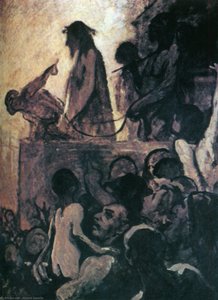
- Ecce Homo
- Place Of Birth: Marselj, Francuska
Srodni članci
The Poetic Truth of Observation: Exploring 19th-Century Realism in Painting
Explore the captivating world of 19th-century Realism! Discover key artists like Courbet & Millet, masterpieces, and the powerful social commentary behind this influential art movement. Expert insights at OriginalUniqueArt.

The Enduring Appeal of Realism: A Comprehensive Exploration of Representation in Art
Explore the captivating world of Realism! Discover key artists like Courbet, defining techniques & its lasting impact on art history. Expert insights and high-quality reproductions at OriginalUniqueArt.
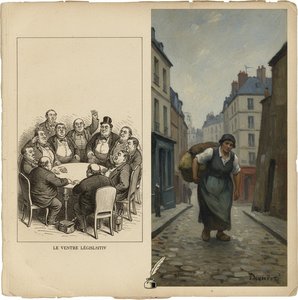
Honoré Daumier: Social Commentary & Artistic Innovation in 19th-Century France
Explore the life & work of Honoré Daumier, a master of 19th-century French realism and satire. Discover his powerful lithographs, paintings, and sculptures critiquing society – and his lasting influence on modern art.

Romantic Realism's Finest: 10 Masterpieces for Your Home | OriginalUniqueArt
Explore 10 defining masterpieces of Romantic Realism! Discover Courbet, Millet & Daumier's powerful paintings—capturing emotion and social realities. Find museum-quality reproductions for your home at OriginalUniqueArt.com.
Realizam u slikama: Top 10 remek dela za vaš dom i dušu
Otkrijte 10 remek dela koja su definisala realizam! Gustave Courbet, Millet i Daumier – istaknuti umetnici i njihove slike. Inspiracija za vaš dom i dušu. Kupite reprodukcije vrhunskog kvaliteta na OriginalUniqueArt.com!