Pregledaj u prostoru
 Podeli
 Podeli
 Detalji
 Vodič
Vodič

 Preuzmi sliku
 Slični predmeti
 Rendgenski snimak
 Automatska prezentacija
 Statistika
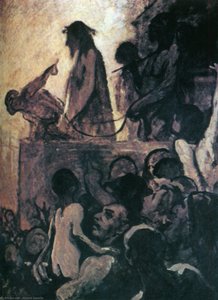
Ratapoil


 Pročitaj više
Ručno rađena uljana reprodukcija
Ručno oslikano uljanim bojama na platnu u dimenzijama i okviru po vašem izboru, izrađeno po porudžbini od strane naših umetnika. ( Pređi na prodaju štampanih primeraka Pređi na prodaju digitalnih slika)




P118B дин10

P118H дин10

P118W дин10

P438Z дин10

P508JH дин12

P508YH дин12

P805H дин10

P805Z дин10

P919BZ дин10

P919G дин10

P919XJ дин10

P959ZH дин10

P968JZ дин12

W106C дин8

W218G дин10

W218JH дин8

W218Y дин10

W307PJ дин10

W316G дин10

W316PJ дин8

W316Y дин10

W398PJ дин8

W4111J дин10

W500HY дин15

W500JH дин15

W692G дин12

W849H дин8

W940BG дин15

W953PJ дин8




Izaberite jednu od naših unapred definisanih veličina koje odgovaraju originalnim proporcijama umetničkog dela.

Unesite širinu i visinu koja vam je potrebna, kako bi se uklopili u vaš ram ili zid. Pošto je ovo ručno oslikano delo, umetnik može naslikati malo više prostora oko slike ili malo skratiti ivice za dimenzije drugačijeg oblika — izbor je na vama. Pre početka rada, poslaćemo vam digitalni prikaz radi potvrde. Slika prikazana na ovoj stranici ne predstavlja konačan rezultat — samo digitalni prikaz pokazuje stvarnu sliku.
Nakon narudžbine, tim OriginalUniqueArt.com će klijentu putem e-pošte poslati uputstva i dostaviti prikaz predloženog rešenja
Svetska isporuka () za 3/4 nedelje umesto uobičajenih 5 nedelja. (25 октобар). Bez kompromisa po pitanju kvaliteta.

Besplatna ekspresna dostava širom sveta

Visokokvalitetno laneno platno

Sveobuhvatno osiguranje transporta

Garancija povraćaja carine i uvoznih dažbina

Garancija vernosti boja i autentičnosti pri reprodukciji

Politika povraćaja u roku od 100 dana (samo u slučaju nedostataka)

Garancija povrata 100% novca

Popust pri većoj količini
 Opcija sa staklom dostupna je samo za dimenzije manje od 110 cm

Ratapoil
Tehnika izrade reprodukcije
Veličina reprodukcije
-


Ukupna cena
дин 30932
The Weight of Satire: Honoré Daumier’s “Ratapoil”
Honoré Daumier's "Ratapoil," created in 1850, isn’t merely a sculpture; it’s a distilled embodiment of the anxieties and frustrations simmering beneath the surface of mid-19th century France. This arresting figure, rendered in cast iron with a deliberate roughness that mirrors its subject matter, captures a moment of profound disillusionment – a silent indictment of societal hypocrisy and the precariousness of human existence. The sculpture’s power lies not just in its visual impact but in the potent historical context from which it emerged, reflecting the political unrest and social commentary prevalent during Daumier's prolific career.
A Portrait of Discontent: Form and Technique
Daumier’s technique is immediately striking. The figure stands with a pronounced limpness, leaning heavily on his cane – a visual metaphor for the burden of societal expectations and the limitations imposed upon him. The pose itself, a studied awkwardness, suggests a man weary of pretense and burdened by unseen struggles. Notice the deliberate imperfections in the cast iron; these aren’t flaws but rather integral to the sculpture's character, mirroring the rough edges of reality. The artist masterfully employed a technique known as "lost wax casting," allowing for intricate detail while maintaining a robust physicality. The surface is deliberately left unpolished, emphasizing the material’s inherent texture and adding to the sense of weathered resilience.
Symbolism in the Details: The Man and His Cane
“Ratapoil” derives its name from a popular Parisian slang term for a “grumble-head,” someone prone to complaining. The figure’s expression is ambiguous, neither overtly angry nor mournful, but rather filled with a quiet resignation – a weary acceptance of his fate. The cane isn't simply a walking aid; it represents the tools he uses to navigate a world that seems determined to trip him up. It’s a symbol of both support and limitation, highlighting the complex relationship between individual agency and societal constraints. The man’s attire, simple and unadorned, further underscores his lack of privilege and reinforces the sculpture's message about social inequality.
Daumier’s Social Critique: A Voice for the Voiceless
Honoré Daumier was a pivotal figure in the development of French Realism. He used caricature, satire, and unflinching observation to expose the injustices and absurdities of his time. “Ratapoil” is part of a larger body of work that challenged the established order – depicting the lives of laborers, the plight of the poor, and the corruption within the political elite. Daumier’s art wasn't intended as mere entertainment; it was a deliberate act of social critique, offering a voice to those marginalized by society. His ability to capture the essence of human experience with such raw honesty cemented his legacy as one of France’s most important artists.
Bringing “Ratapoil” Home: Reproduction and Artistic Impact
Reproductions of "Ratapoil" offer a remarkable opportunity to bring this powerful work into any interior space. The sculpture's inherent drama and symbolic weight make it an ideal addition to collections focused on social commentary, 19th-century art, or simply those seeking pieces that evoke contemplation and provoke thought. When displayed, “Ratapoil” serves as a potent reminder of the enduring relevance of Daumier’s message – a timeless exploration of human resilience in the face of adversity. Consider pairing it with other works that address themes of social justice or personal struggle to create a conversation within your collection.
Pitanja i odgovori
Koja veličina i orijentacija se preporučuju za štampu dela „Ratapoil”, Оноре Домије?
Za "Ratapoil", preporučena postavka štampe je dimenzija Medium i Portrait orijentacija.
Koje je postavljanje prikladno za format dela „Ratapoil”, Оноре Домије?
Format (Portrait) i preporučeni prostor (Living Room) su dve navedene činjenice o postavljanju za „Ratapoil”, Оноре Домије.
Koliko su harmonične boje dela „Ratapoil”, Оноре Домије?
Harmonija boja dela "Ratapoil" zabeležena je kao Strong Color Unity.
Biografija umetnika
Живот и рани године Онореа Домијеа
Рођен у Марсељу 1808. године, Оноре-Викторен Домије је проживео живот испреплетен са бурним токовима Француске деветнаестог века. Његово детињство, обележено поетичним аспирацијама оца и каснијим пресељењем у Париз 1814. године, уронило га је у град који је одрастао са невероватном енергијом. Иако је првобитно био предодређен за правну каријеру, млади Домије се неизбежно окретао уметности. Научио је код Александра Леноара, апсорбујући класичне утицаје уз цењење драматичног кијароскура Рубенса, и даље усавршавао своје вештине на Академији Суис. Ова фундаментална обука се показала кључном у обликовању његовог карактеристичног стила – моћне комбинације реализма и изражајног цртежа. Међутим, нису само технике дефинисале Домијеа; то је била дубока осетљивост на друштвене неправде и политичке апсурдности које су га окруживале.Оштар калем: Карикатура и друштвена критика
Домијеова каријера се заправо распламсала после Револуције из 1830. године, догађаја који је неповратљиво променио ток француске историје и истовремено пружио плодно тло за његов растући сатирични таленат. Брзо се усталио као мајстор литографије, првобитно анонимно доприносећи разним публикацијама пре него што је стекао углед кроз свој рад са *Le Charivari*, жестоко независним комичним часописом који је основао Шарл Филипон. Управо овде је Домијеов гениус заиста процветао. Његове карикатуре нису биле само хумористички прикази; то су били оштри наговори буржоазије, правног система и политичке елите. Без страха се ругао краљу Лују Филипу, зарадивши шест месеци затвора 1832. године због посебно оштре карикатуре. То искуство, уместо да га ућутка, само је учврстило његову посвећеност откривању лицемерја и изазивању власти кроз уметност. Његове литографије су постале визуелни манифести, заробљајући дух неслагања и нудећи критички коментар на друштвене недостатке његовог времена. Огромна количина његових дела из овог периода је запањујућа – хиљаде литографија које су служиле као популарна забава и моћни политички ставови.Иза карикатуре: Сликарске и вајарске визије
Иако је Домије најпознатији по својој литографији, свести га само на област карикатуре био би озбиљан превид. Био је и посвећени сликар и вајар, иако признање за ова дела стигло је тек касније у животу. Његове слике, често приказујући сцене из свакодневног париског живота – трећекласни вагон, вешевице, адвокати – прожете су дубоким осећајем реализма и емпатије. То нису идеализовани портрети, већ неприкривени описи тешкоћа и борбе. Мастерски је користио слободан потез четком и драматично осветљење да пренесе емоције и атмосферу, предвиђајући неке од техника које су касније прихватили импресионисти. Његов вајарски рад, углавном направљен од глине (многа дела су остала непопечена током његовог живота), открива сличну посвећеност заробљавању човекове форме са искреношћу и емотивном дубином. Ове скулптуре, поново откривене након његове смрти, показују изучан таленат за моделирање и способност да пренесе психолошку сложеност кроз физички гест.Трајно наслеђе: Утицај и историјски значај
Утицај Онореа Домијеа на историју уметности је неоспоран. Он је повезао романтизам и реализам, отварајући пут будућим генерацијама уметника који су тражили да опишу свет какав заиста јесте – са свим недостацима. Његова неприкривена друштвена критика утицала је на уметнике попут Густава Курбеа и Едуара Манеа, док је његова иновативна употреба литографије револуционисала графику. Његов рад и даље одзвања данас, подсећајући нас на моћ уметности да изазива власт, открива неправду и сведочи о човековом стању. Музеј Орсе у Паризу поседује значајну збирку његових слика и скулптура, нудећи посетиоцима увид у свет који је тако животно приказивао. Његове литографије су широко доступне кроз колекције попут оних које се налазе на OriginalUniqueArt, обезбеђујући да његов сатирични гениј настави да изазива размишљање и инспирише дијалог. Домије није био само уметник; он је био хроничар свог времена – визуелни песник који је користио свој таленат да да глас немама и одговара власт. Његово наслеђе траје као сведочанство трајне релевантности уметности као силе друштвених промена.
Оноре Домије
1808 - 1879 , Француска
Brzi pregled
- Artistic Movement Or Style: Realizam, Satira
- Artists Or Movements Influenced By This Artist:
- Impresionizam
- Moderna umetnost
- Artists Who Influenced This Artist:
- Alexandre Lenoir
- Jacques-Louis David
- Date Of Birth: 26. februar 1808.
- Date Of Death: 10. februar 1879.
- Full Name: Honoré-Victorin Daumier
- Nationality: Francuz
- Notable Artworks:
- Rue Transnonain
- Les gens de justice
- Ecce Homo
- Place Of Birth: Marselj, Francuska
Srodni članci
Honoré Daumier: Social Commentary & Artistic Innovation in 19th-Century France
Explore the life & work of Honoré Daumier, a master of 19th-century French realism and satire. Discover his powerful lithographs, paintings, and sculptures critiquing society – and his lasting influence on modern art.

The Enduring Form: Sculpture Across History, Technique & Emotional Resonance
Explore the rich history of sculpture with OriginalUniqueArt. Discover key techniques, influential artists & investment potential for discerning collectors. Expert insights into valuing and collecting timeless masterpieces.

The Enduring Form: Exploring Themes & Techniques in Sculpture Across Historical Periods
Explore the rich history of sculpture from ancient masterpieces to contemporary innovations. Discover key techniques, influential artists & investment potential for discerning art collectors.

Bronze Sculptures That Defined Art History | OriginalUniqueArt
Journey through art history with our Top 10 bronze sculptures! Explore masterpieces by Rodin, Michelangelo & more. Discover stories behind iconic statues and find museum-quality reproductions for your home decor at OriginalUniqueArt.com.

Bronze Age to Modern Masters: 10 Sculptures That Redefined Art | OriginalUniqueArt
Journey through art history with 10 legendary bronze sculptures – from Michelangelo's David to Rodin’s Thinker. Explore the stories, techniques & timeless beauty of these masterpieces. Find museum-quality reproductions & elevate your home decor on OriginalUniqueArt.com.