Pregledaj u prostoru
 Podeli
 Podeli
 Detalji
 Vodič
Vodič

 Preuzmi sliku
 Slični predmeti
 Rendgenski snimak
 Automatska prezentacija
 Statistika
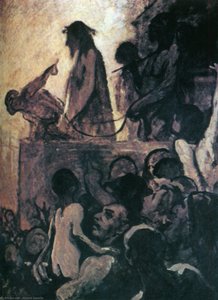
Comedy scene (scene from Molière)


 Pročitaj više
Giclee štampa / Umetnički otisak
Giclée štampa ili print na platnu muzejskog kvaliteta uz brzu izradu i raznovrsne opcije završne obrade. ( Naručite ručno oslikano reprodukciju Pređi na prodaju digitalnih slika)




P118B дин10

P118H дин10

P118W дин10

P438Z дин10

P508JH дин12

P508YH дин12

P805H дин10

P805Z дин10

P919BZ дин10

P919G дин10

P919XJ дин10

P959ZH дин10

P968JZ дин12

W106C дин8

W218G дин10

W218JH дин8

W218Y дин10

W307PJ дин10

W316G дин10

W316PJ дин8

W316Y дин10

W398PJ дин8

W4111J дин10

W500HY дин15

W500JH дин15

W692G дин12

W849H дин8

W940BG дин15

W953PJ дин8




Izaberite jednu od naših unapred definisanih veličina koje odgovaraju originalnim proporcijama umetničkog dela.

Unesite širinu i visinu koja vam je potrebna, kako bi se uklopili u vaš ram ili na vaš zid. Štampa se može samo iseći, nikada ne može biti veća od originalne slike, stoga format sa drugačijim proporcijama gubi deo slike. Poslaćemo vam digitalni prikaz radi potvrde pre nego što započnemo štampu. Slika prikazana na ovoj stranici ne pokazuje stvarni rez — to pokazuje samo digitalni prikaz.
Dostava širom sveta () za 2 nedelje umesto uobičajenih 4/5 nedelja. (23 октобар)

Besplatna ekspresna dostava širom sveta

Visokokvalitetno laneno platno

Sveobuhvatno osiguranje transporta

Garancija povraćaja carine i uvoznih dažbina

Garancija vernosti boja i autentičnosti pri reprodukciji

Politika povraćaja u roku od 100 dana (samo u slučaju nedostataka)

Garancija povrata 100% novca

Popust pri većoj količini
 Opcija sa staklom dostupna je samo za dimenzije manje od 110 cm

Comedy scene (scene from Molière)
Giclee štampa / Umetnički otisak
Veličina reprodukcije
-


Ukupna cena
дин 8263
A Moment of Contention: Honoré Daumier’s “Comedy Scene (Scene from Molière)”
Honoré Daumier's 1862 painting, "Comedy Scene (Scene from Molière)," isn’t merely a depiction of a theatrical moment; it’s a vibrant snapshot of Parisian society grappling with wit, social commentary, and the very nature of performance. The work, rendered in stark black and white – a signature technique for Daumier – immediately draws the viewer into a scene brimming with unspoken tension and subtle gestures. Two men dominate the foreground: one, animatedly gesturing upwards, seemingly addressing an unseen audience; the other, slumped downwards, his gaze fixed on his companion, perhaps lost in thought or responding to the first man’s pronouncements.
Beyond these central figures lies a carefully constructed backdrop of three additional individuals, subtly positioned in the background. Their presence isn't one of active participation but rather serves as a quiet reminder of the broader social context surrounding this private exchange. They are not integrated into the immediate drama, yet their inclusion suggests that this scene unfolds within a larger, more complex world – a world ripe for observation and critique, precisely what Daumier excelled at capturing.
The Artist’s Vision: Realism and Social Satire
Daumier was a pivotal figure in the development of French realism, but his work transcends simple representation. He wasn't interested in idealized beauty or romanticized narratives; instead, he sought to expose the uncomfortable truths of everyday life – particularly the hypocrisy and social inequalities prevalent in 19th-century France. His art became a powerful tool for social commentary, often targeting the aristocracy, the clergy, and the legal system. “Comedy Scene” is no exception, offering a glimpse into a private conversation that hints at underlying tensions and judgments.
The painting’s monochrome palette – predominantly shades of gray and white – contributes significantly to its dramatic effect. This deliberate choice eliminates distractions, forcing the viewer to focus on the figures' expressions and body language. Daumier masterfully employs chiaroscuro—the contrast between light and dark—to sculpt the forms and heighten the sense of drama. The sharp delineation of shadows emphasizes the characters’ postures and gestures, conveying a palpable atmosphere of anticipation and potential conflict.
A Stage Within a Stage: Molière and Parisian Society
The painting's title explicitly references Molière, the renowned French playwright whose comedies satirized societal norms. Daumier wasn’t simply illustrating a scene from one of Molière’s plays; he was capturing the *spirit* of theatrical performance itself – the interplay between performer and audience, the delivery of witty dialogue, and the subtle judgments exchanged during a dramatic moment. The implied setting is likely a Parisian theater, though Daumier deliberately avoids providing specific details, allowing the viewer to project their own interpretations onto the scene.
Furthermore, the painting reflects the vibrant intellectual and artistic life of 19th-century Paris. The Comédie-Française, France’s national theatre, was a central hub for social and political discourse. Daumier's work engages with this dynamic environment, offering a critical perspective on the role of theater in shaping public opinion and exposing societal flaws.
Symbolism and Emotional Resonance
The posture of the two men is particularly revealing. The man gesturing upwards embodies assertiveness and perhaps even arrogance, projecting his thoughts or opinions to an unseen audience. His elevated position suggests a desire for recognition or validation. Conversely, the slumped figure conveys a sense of resignation, doubt, or perhaps quiet disapproval. His downward gaze hints at a critical assessment of the first man’s pronouncements – a subtle challenge to his authority or perspective.
“Comedy Scene” is not a straightforward narrative; it's an invitation to observe and interpret. It evokes a sense of unease, prompting viewers to consider the complexities of human interaction and the often-hidden judgments that shape our perceptions. Daumier’s masterful use of composition, light, and gesture creates a timeless image that continues to resonate with audiences today, reminding us of the enduring power of satire and the importance of critical engagement with the world around us.
Pitanja i odgovori
Da li je „Comedy scene (scene from Molière)”, Оноре Домије portret, pejzaž ili kvadratna kompozicija?
„Comedy scene (scene from Molière)”, Оноре Домије je u Portrait formatu. Format opisuje proporcije kompozicije.
Kakav osećaj prenosi „Comedy scene (scene from Molière)”, Оноре Домије?
Zabeleženo raspoloženje dela „Comedy scene (scene from Molière)”, Оноре Домије je Dramatic, a njegov emocionalni ton je Melancholic.
Gde mogu da preuzmem „Comedy scene (scene from Molière)”, Оноре Домије?
Slika dela „Comedy scene (scene from Molière)”, Оноре Домије može se preuzeti na stranici za preuzimanje ovog umetničkog dela: Preuzimanje: preuzimanje digitalne slike visoke rezolucije.
Biografija umetnika
Живот и рани године Онореа Домијеа
Рођен у Марсељу 1808. године, Оноре-Викторен Домије је проживео живот испреплетен са бурним токовима Француске деветнаестог века. Његово детињство, обележено поетичним аспирацијама оца и каснијим пресељењем у Париз 1814. године, уронило га је у град који је одрастао са невероватном енергијом. Иако је првобитно био предодређен за правну каријеру, млади Домије се неизбежно окретао уметности. Научио је код Александра Леноара, апсорбујући класичне утицаје уз цењење драматичног кијароскура Рубенса, и даље усавршавао своје вештине на Академији Суис. Ова фундаментална обука се показала кључном у обликовању његовог карактеристичног стила – моћне комбинације реализма и изражајног цртежа. Међутим, нису само технике дефинисале Домијеа; то је била дубока осетљивост на друштвене неправде и политичке апсурдности које су га окруживале.Оштар калем: Карикатура и друштвена критика
Домијеова каријера се заправо распламсала после Револуције из 1830. године, догађаја који је неповратљиво променио ток француске историје и истовремено пружио плодно тло за његов растући сатирични таленат. Брзо се усталио као мајстор литографије, првобитно анонимно доприносећи разним публикацијама пре него што је стекао углед кроз свој рад са *Le Charivari*, жестоко независним комичним часописом који је основао Шарл Филипон. Управо овде је Домијеов гениус заиста процветао. Његове карикатуре нису биле само хумористички прикази; то су били оштри наговори буржоазије, правног система и политичке елите. Без страха се ругао краљу Лују Филипу, зарадивши шест месеци затвора 1832. године због посебно оштре карикатуре. То искуство, уместо да га ућутка, само је учврстило његову посвећеност откривању лицемерја и изазивању власти кроз уметност. Његове литографије су постале визуелни манифести, заробљајући дух неслагања и нудећи критички коментар на друштвене недостатке његовог времена. Огромна количина његових дела из овог периода је запањујућа – хиљаде литографија које су служиле као популарна забава и моћни политички ставови.Иза карикатуре: Сликарске и вајарске визије
Иако је Домије најпознатији по својој литографији, свести га само на област карикатуре био би озбиљан превид. Био је и посвећени сликар и вајар, иако признање за ова дела стигло је тек касније у животу. Његове слике, често приказујући сцене из свакодневног париског живота – трећекласни вагон, вешевице, адвокати – прожете су дубоким осећајем реализма и емпатије. То нису идеализовани портрети, већ неприкривени описи тешкоћа и борбе. Мастерски је користио слободан потез четком и драматично осветљење да пренесе емоције и атмосферу, предвиђајући неке од техника које су касније прихватили импресионисти. Његов вајарски рад, углавном направљен од глине (многа дела су остала непопечена током његовог живота), открива сличну посвећеност заробљавању човекове форме са искреношћу и емотивном дубином. Ове скулптуре, поново откривене након његове смрти, показују изучан таленат за моделирање и способност да пренесе психолошку сложеност кроз физички гест.Трајно наслеђе: Утицај и историјски значај
Утицај Онореа Домијеа на историју уметности је неоспоран. Он је повезао романтизам и реализам, отварајући пут будућим генерацијама уметника који су тражили да опишу свет какав заиста јесте – са свим недостацима. Његова неприкривена друштвена критика утицала је на уметнике попут Густава Курбеа и Едуара Манеа, док је његова иновативна употреба литографије револуционисала графику. Његов рад и даље одзвања данас, подсећајући нас на моћ уметности да изазива власт, открива неправду и сведочи о човековом стању. Музеј Орсе у Паризу поседује значајну збирку његових слика и скулптура, нудећи посетиоцима увид у свет који је тако животно приказивао. Његове литографије су широко доступне кроз колекције попут оних које се налазе на OriginalUniqueArt, обезбеђујући да његов сатирични гениј настави да изазива размишљање и инспирише дијалог. Домије није био само уметник; он је био хроничар свог времена – визуелни песник који је користио свој таленат да да глас немама и одговара власт. Његово наслеђе траје као сведочанство трајне релевантности уметности као силе друштвених промена.
Оноре Домије
1808 - 1879 , Француска
Brzi pregled
- Artistic Movement Or Style: Realizam, Satira
- Artists Or Movements Influenced By This Artist:
- Impresionizam
- Moderna umetnost
- Artists Who Influenced This Artist:
- Alexandre Lenoir
- Jacques-Louis David
- Date Of Birth: 26. februar 1808.
- Date Of Death: 10. februar 1879.
- Full Name: Honoré-Victorin Daumier
- Nationality: Francuz
- Notable Artworks:
- Rue Transnonain
- Les gens de justice
- Ecce Homo
- Place Of Birth: Marselj, Francuska
Srodni članci

White on Canvas: 10 Masterpieces & Timeless Elegance for Your Home Decor
Explore 10 iconic white paintings by Monet, Whistler & Rothko! Discover the stories behind these serene masterpieces and their impact on art history. Find museum-quality reproductions for your home decor at .

Monochrome Visions: Exploring the Aesthetic & Historical Significance of Black & White Photography
Explore the rich history & artistic power of black and white photography. From early techniques to iconic masters like Ansel Adams, discover why monochrome continues to captivate art lovers today. Expert insights for collectors.

Dark Masterpieces: 10 Iconic Paintings Dominated by Black Tones |
Explore 10 iconic paintings dominated by black tones, from Rembrandt’s chiaroscuro to Goya's dark expressions. Discover the stories behind these masterpieces & find museum-quality art reproductions for your home at .
Shadow & Soul: Why Black & White Photography Remains the Ultimate Power Move in Modern Art
Discover why black & white photography remains a powerful force in contemporary art. Explore the impact of light, shadow, and texture through a visual journey of monochrome mastery and learn how to elevate your space with timeless grayscale aesthetics.

Monochrome Edge: The Ultimate Design Flex—Level Up Your Space with Bold Black & White Art
Master the monochrome aesthetic with high-impact Black & White art from OriginalUniqueArt.com. From custom hand-painted oils to iconic pop culture remixes, discover the ultimate design flex for your urban space. Elevate your decor with bold, premium, and timeless monochrome masterpieces.