
 Pregledaj u prostoru
 Pošalji
 Podeli
 Detalji o delu

 Преузми
 Slični predmeti
 Rendgenski snimak
 Slajdovi
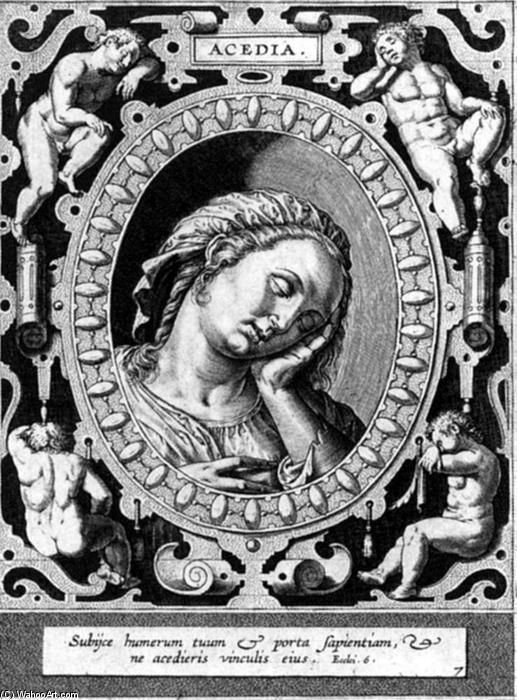
Acedia


 Pročitaj više
Ručno rađena uljana reprodukcija
Ručno oslikano uljanim bojama na platnu u dimenzijama i okviru po vašem izboru, izrađeno po porudžbini od strane naših umetnika. ( Pređi na štampu Prebacite na sliku)




































Izaberite jednu od naših unapred definisanih veličina koje odgovaraju originalnim proporcijama umetničkog dela.

Можете унети сопствене димензије како бисте прилагодили дело одређеном оквиру или простору. Ако одабрана величина не одговара пропорцијама оригинала, слика ће бити исечена или проширена додатним елементима који се ручно насликавају. Дигитални prikaz ће вам бити послат на одобрење пре почетка производње.
Имајте на уму да преглед на екрану не одражава стварно исецање или проширење. Само приказ (mockup) ће тачно приказати коначну композицију.
Иако су доступне прилагођене величине, препоручујемо да одаберете димензију из дефинисане листе како бисте сачували оригиналне пропорције.
Nakon narudžbine, tim OriginalUniqueArt.com će klijentu putem e-pošte poslati uputstva i dostaviti prikaz predloženog rešenja
Isporuka širom sveta () za 3/4 nedelje umesto uobičajenih 5 nedelja. (10 август). Bez kompromisa po pitanju kvaliteta.

Besplatna ekspresna dostava širom sveta

Visokokvalitetno laneno platno

Kompletno osiguranje transporta

Garancija povraćaja carine i uvoznih dažbina

Garancija vernosti boja

Politika povrata u roku od 60 dana (samo u slučaju nedostataka)

Garancija povrata novca od 100%

Popust pri grupnoj kupovini
 Opcija sa staklom dostupna je samo za dimenzije manje od 110 cm

Acedia
Tehnika reprodukcije
Dimenzije reprodukcije
-


Konačna cena
$ 300
Opis umetničkog dela
A Study in Slumber: Hieronymus Wierix’s “Acedia”
Hieronymus Wierix's "Acedia," a meticulously rendered engraving from around 1600, isn’t merely a depiction of a sin; it’s a profound meditation on the human condition – a hauntingly beautiful exploration of apathy and the seductive allure of inaction. Created during a period of intense religious upheaval in the Netherlands, this work speaks to the anxieties and moral complexities of its time, offering a timeless reflection on the struggle between spiritual aspiration and worldly comfort.
The image centers upon a female figure, embodying Acedia itself, her posture radiating an almost unbearable languor. She rests her head upon her hand, a gesture simultaneously vulnerable and defiant. Around her swirl symbolic elements designed to amplify the sin’s insidious nature. To her right, a young man gazes into a mirror, lost in self-admiration – a potent representation of vanity, a distraction from the true path. Across from him, a figure pours water upon a stone, an act of futile cleansing, suggesting a desperate but ultimately ineffective attempt to wash away the consequences of idleness. The background is filled with intricate patterns and small putti-like figures, adding layers of complexity and hinting at the spiritual battles waged within the human soul.
The Master’s Technique: Engraving as Revelation
Wierix was a master of the engraving technique, renowned for his ability to achieve astonishing detail and tonal variation through careful manipulation of line. This particular print is a prime example; the image is constructed from thousands of precisely incised lines, creating a surface that appears both smooth and textured simultaneously. The artist’s use of hatching and cross-hatching – layering parallel lines to build up shadow – is particularly noteworthy, lending depth and volume to the figures and background elements. The monochrome palette—a carefully orchestrated range of grays from near black to pale white—heightens the sense of melancholy and emphasizes the stark contrast between light and darkness, mirroring the internal struggle depicted within the scene.
The process itself was demanding, requiring immense patience and skill. The artist would first create a copper plate, meticulously drawing the design with a needle or stylus. Then, using acid, he would incise the lines into the metal surface. Finally, the plate was inked and pressed onto paper, transferring the image in reverse. This painstaking method is evident in every delicate line and subtle shading, underscoring Wierix’s dedication to his craft.
Symbolism and Spiritual Weight
Beyond its immediate visual impact, “Acedia” is rich with symbolic meaning. The central figure represents not just laziness but a deeper spiritual malaise – a detachment from God and a failure to embrace virtue. The mirror symbolizes vanity, a trap that draws the viewer away from introspection and genuine connection. The pouring water signifies an attempt at purification, yet it’s ultimately ineffective against the root cause of the sin: a lack of will. The putti figures, often associated with angels or divine messengers, could represent the constant temptation to stray from the righteous path.
Wierix was deeply influenced by the religious art of the Renaissance and early Baroque periods, particularly the works of Albrecht Dürer, whose meticulous detail and symbolic imagery he greatly admired. This print reflects a similar commitment to conveying moral lessons through carefully constructed visual narratives – a testament to the enduring power of art as a vehicle for spiritual instruction.
A Timeless Reflection: Reproduction and Inspiration
Reproductions of “Acedia” offer a remarkable opportunity to experience the artistry and emotional depth of this iconic engraving. Whether displayed in a private collection or incorporated into an interior design scheme, this image evokes a sense of quiet contemplation and invites viewers to consider their own relationship with virtue, temptation, and the pursuit of meaning. Wierix’s masterful rendering of human emotion and his profound understanding of symbolism continue to resonate today, making “Acedia” a timeless masterpiece that transcends its historical context.
Povezani članci
Barokna umetnost: Istorija, Karakteristike i Trajni Uticaj
Otkrijte fascinantan svet barokne umetnosti! Istorija, karakteristike i uticaj ovog stilskog perioda. Analiza najznačajnijih dela i majstora. Pouzdni vodič za ljubitelje umetnosti.

Echoes of Isolation: Solitude in Western Art from Renaissance to Modernism
Explore the profound representation of solitude in Western art from the Renaissance to Modernism. Discover iconic paintings & artists like Goya, Friedrich, and Rossetti. Handmade oil reproductions available at OriginalUniqueArt.

Engraving's Golden Age: 10 Masterpieces That Redefined Art | OriginalUniqueArt
Journey through art history with our Top 10 Legendary Engravings! Explore masterpieces by Dürer, Rembrandt & Goya. Discover the stories behind these iconic prints and find museum-quality reproductions for your home at OriginalUniqueArt.com.

Mannerism: Bridging Renaissance Harmony & Baroque Drama – A Study of Style & Affectation
Explore the fascinating world of Mannerism! Discover its key characteristics, pioneering artists like Pontormo & Bronzino, and its pivotal role in bridging Renaissance harmony to Baroque drama. A comprehensive guide for art enthusiasts.
Rafaela Sanzio: 25 Remek-dela Renesansnog Majstora za Vaš Dom | OriginalUniqueArt
Uronite u svet Rafaela Sanzija! Otkrijte 25 remek-dela renesansnog umetnika, od Madona do fresaka Vatikana. Inspiracija za dekoraciju enterijera i kupovina reprodukcija slika visoke rezolucije na OriginalUniqueArt.com.

