- Početna strana

- Digitalna slika
- Henry Pelham
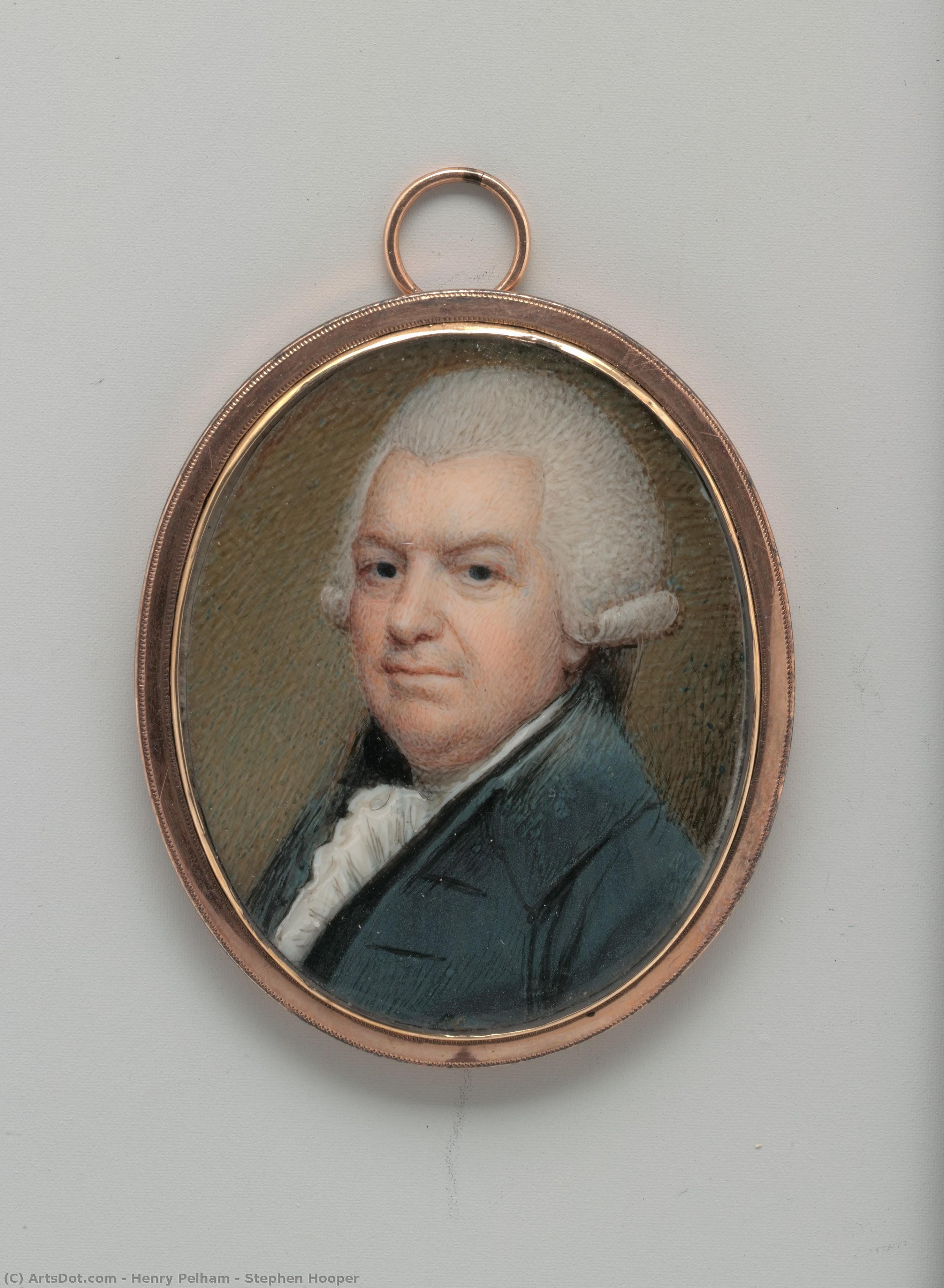
- Stephen Hooper
 Preview
 Kupi štampu Naručite reprodukciju
 Pošalji
 Podeli
 Detalji o delu
 Dodaj u omiljene

 Преузми
 Slični predmeti
 Rendgenski snimak
 Slajdovi
Stephen Hooper
 1773
1773 5.0 x 4.0 cm
 Pročitaj više
Kupite digitalnu sliku visoke rezolucije i poboljšanog kvaliteta, koja je znatno superiornija od onoga što vidite u online prikazu.
Svaka datoteka je pedantno pripremljena od strane naših stručnjaka koristeći napredne alate i profesionalnu ručnu retušu. Osiguravamo da svaka slika ima izuzetnu oštrinu, preciznu reprodukciju boja i fine detalje.
Konačna datoteka se dostavlja putem e-pošte u roku od 72 sata, optimizovana za neposrednu upotrebu u profesionalnim, izdavačkim i štamparskim okruženjima. To je isti kvalitet kojem veruju vrhunski studiji dizajna, izdavači i galerije.
Digitalna slika
Preuzmite datoteku visoke rezolucije za ličnu upotrebu, štampanje i kreativne projekte.
Uključeno uz svaku porudžbinu digitalne slike
Profesionalna digitalna isporuka, zagarantovana
Kada odaberete OriginalUniqueArt.com, ne dobijate samo sliku – vi primate profesionalno unapređeno digitalno umetničko delo, izrađeno sa najvećom preciznošću i uz garanciju zadovoljstva. Evo svega što automatski dolazi uz vašu porudžbinu:

Brza dostava putem e-pošte
Vaša digitalna slika visoke rezolucije biće vam poslata putem e-pošte u roku od 72 sata od poručivanja – spremna za trenutnu upotrebu.

Digitalna datoteka unapređena veštačkom inteligencijom
Vaše umetničko delo je profesionalno optimizovano korišćenjem naprednih AI alata i ručne obrade, čime se osiguravaju maksimalni detalji, oštrina i preciznost boja.

Besplatna ponovna isporuka doživotno
Slučajno ste obrisali ili izgubili svoju datoteku? Ne brinite – poslaćemo vam je ponovo u bilo kom trenutku, potpuno besplatno.

Bez troškova uvoza – zauvek
Uživajte u svojim umetničkim delima trenutno, bez carine, dažbina ili troškova dostave – digitalni download je uvek bez poreza.

Garancija vernosti boja
Uz pomoć profesionalnih alata i upravljanja bojama, osiguravamo da vaša digitalna slika što vernije odražava originalne boje.

Garancija zadovoljstva u roku od 60 dana
Ako niste zadovoljni svojom digitalnom slikom, revidirat ćemo je ili vratiti 100% novca u roku od 60 dana – bez ikakvih pitanja.

100% garancija povrata novca
Niste zadovoljni? Obezbedite pun povrat novca u roku od 60 dana od trenutka kada ste primili svoju digitalnu datoteku – bez suvišnih pitanja.

Popusti na velike porudžbine
Kupite 3 slike, uštedite 10% - Kupite 5 slika, uštedite 15% - Kupite 10+ slika, uštedite 20%. Odlično za kreativne projekte, galerije i agencije.
Opis kolekcionarskog dela
Biografija umetnika
Henry Pelham: A Bostonian Painter Caught in the Crucible of Revolution
Henry Pelham (February 14, 1748/49 – 1806) remains a fascinating and somewhat enigmatic figure in American art history. Born in Boston, Massachusetts, during a period of intense political ferment, Pelham’s life was inextricably linked to the burgeoning spirit of revolution. More than just a painter, he was an engraver, cartographer, and a keen observer of his time, offering invaluable contemporary insights into the events unfolding within the thirteen colonies through his art and meticulously documented correspondence, particularly with his half-brother, the renowned artist John Singleton Copley.
Pelham’s early life provided him with an exceptional artistic foundation. His father, Peter Pelham, was a limner – a painter of portraits and decorative works – and instilled in Henry a deep appreciation for technique and observation. Growing up within a family deeply involved in the art world, particularly through his mother's connection to Copley, afforded him access to influential networks and artistic training. This familial link proved crucial; Copley’s encouragement and support were instrumental in shaping Pelham’s career trajectory, especially as he navigated the increasingly turbulent political landscape.
A Painter of Patriots and Loyalists
Pelham's artistic output reflects the deeply divided sentiments gripping Boston during the 1770s. He produced a remarkable range of works, encompassing portraits, landscapes, and, most famously, engravings that captured pivotal moments in the revolutionary period. His most enduring legacy lies in his depiction of the Boston Massacre (1770), an engraving that quickly became one of the most circulated images of the event. Unlike Copley’s more nuanced and sympathetic portrayal, Pelham's version presented a starkly dramatic scene, emphasizing the violence inflicted upon the colonists by British soldiers. This choice, driven by his Loyalist leanings, fueled considerable controversy and accusations of bias.
However, it is crucial to recognize that Pelham was not simply a propagandist for one side or the other. His art reveals a complex and often contradictory perspective. While he sympathized with the British cause and vehemently opposed rebellion, he also possessed a keen eye for detail and an undeniable talent for capturing human emotion. His portraits of prominent Bostonians, including members of the merchant elite, demonstrate his skill in rendering individual character and social standing. Furthermore, his cartographic work – meticulously detailed maps of Boston and its surrounding areas – showcases his technical proficiency and commitment to accurate representation.
The Correspondence with Copley: A Window into a Divided City
Pelham’s extensive correspondence with John Singleton Copley provides an unparalleled glimpse into the intellectual and artistic life of Boston during this tumultuous era. These letters, filled with observations on political events, social gatherings, and artistic developments, offer a remarkably intimate account of the city's divisions. Copley, as a staunch supporter of independence, frequently challenged Pelham’s Loyalist views, leading to spirited debates about art, politics, and the future of America. These exchanges reveal not only their differing perspectives but also a deep affection and mutual respect between two talented artists.
The letters are particularly illuminating in their detailed descriptions of the Boston Massacre. Copley’s eyewitness account of the event, combined with Pelham's engraving, created a powerful and enduring image of colonial resistance. Analyzing these sources together allows us to appreciate the complexities of the situation and understand how different artists interpreted the same events through their own lenses.
Beyond the Boston Massacre: A Cartographer and Engraver
While the Boston Massacre remains Pelham’s most famous work, his contributions extended far beyond this single engraving. He was a skilled cartographer, producing detailed maps of Boston that were highly valued by merchants and civic leaders. His engravings, in addition to the Massacre scene, included depictions of buildings, landscapes, and portraits – demonstrating versatility and technical mastery.
Pelham’s career was tragically cut short by his death in 1806 while overseeing the construction of a coastal defense tower in Ireland. Despite this untimely demise, his legacy endures as a significant figure in American art history—a painter who captured the drama and complexity of the American Revolution through his unique artistic vision and insightful correspondence.
Pelham’s Historical Significance
Henry Pelham's work is historically significant for several reasons. Firstly, he provides a rare firsthand account of the Boston Massacre, offering a perspective often overlooked in traditional historical narratives. Secondly, his letters to Copley illuminate the intellectual and artistic debates that shaped colonial identity during this critical period. Finally, his art serves as a testament to the diverse range of perspectives within the American Revolution—a revolution not defined by simple allegiance but by complex loyalties and conflicting ideals.
Henry Pelham
1748 - 1806 , United States of America
Kratke činjenice
- Artistic Movement Or Style: Portraiture
- Artists Or Movements Influenced By This Artist: ['American Revolution']
- Artists Who Influenced This Artist: ['John Singleton Copley']
- Date Of Birth: Feb 14, 1748/49
- Date Of Death: 1806
- Full Name: Henry Pelham
- Nationality: American
- Notable Artworks:
- Boy with Squirrel
- Boston Massacre
- Place Of Birth: Boston, USA

