
 Pregledaj u prostoru
 Pošalji
 Podeli
 Detalji o delu
 Vodič
Vodič

 Preuzmi
 Slični predmeti
 Rendgenski snimak
 Automatska prezentacija
 Pitanja i odgovori
 Statistika
Provençal Winter


 Pročitaj više
Giclee štampa / Umetnički otisak
Giclée štampa ili print na platnu muzejskog kvaliteta uz brzu izradu i raznovrsne opcije završne obrade. ( Kupite ručno oslikano delo Pređi na digitalnu sliku)




P118B дин10

P118H дин10

P118W дин10

P438Z дин10

P508JH дин12

P508YH дин12

P805H дин10

P805Z дин10

P919BZ дин10

P919G дин10

P919XJ дин10

P959ZH дин10

P968JZ дин12

W106C дин8

W218G дин10

W218JH дин8

W218Y дин10

W307PJ дин10

W316G дин10

W316PJ дин8

W316Y дин10

W398PJ дин8

W4111J дин10

W500HY дин15

W500JH дин15

W692G дин12

W849H дин8

W940BG дин15

W953PJ дин8




Izaberite jednu od naših unapred definisanih veličina koje odgovaraju originalnim proporcijama umetničkog dela.

Unesite željenu širinu i visinu kako bi se štampa uklopila u vaš ram ili zid. Štampu je moguće samo iseći, ali nikada povećati iznad dimenzija originalne slike, stoga format sa drugačijim proporcijama uzrokuje gubitak dela slike. Pre početka štampe, poslaćemo vam digitalni prikaz radi potvrde. Slika prikazana na ovoj stranici ne predstavlja stvarni isrez — to pokazuje samo digitalni prikaz.
Dostava širom sveta () za 2 nedelje umesto uobičajenih 4/5 nedelja. (4 новембар)

Besplatna ekspresna dostava širom sveta

Visokokvalitetno laneno platno

Potpuno osiguranje transporta

Garancija povraćaja carine i uvoznih dažbina

Garancija vernosti boja

Politika povraćaja u roku od 100 dana (samo u slučaju nedostataka)

Garancija povrata 100% novca

Popust na više proizvoda
 Opcija sa staklom dostupna je samo za dimenzije manje od 110 cm

Provençal Winter
Giclee štampa / Umetnički otisak
Dimenzije reprodukcije
-


Ukupna cena
дин 8454
A Moment Frozen in Provençal Light: Exploring Henry Herbert La Thangue’s “Provençal Winter”
Henry Herbert La Thangue's "Provençal Winter," painted in 1903, isn’t merely a depiction of a rural scene; it’s an immersion into the very soul of the South of France. This oil on canvas transports us to a sun-drenched hillside, where a woman diligently harvests lemons beneath a canopy of roses and ancient trees – a tableau brimming with quiet industry and understated beauty. La Thangue, a key figure in the New English Art Club movement, masterfully captured the essence of Impressionism while firmly rooted in British realist tradition, creating an artwork that resonates with both familiarity and exotic allure.
The painting’s genesis lies within La Thangue's extensive travels throughout Europe. Following his time in Paris, where he honed his skills under Jean-Léon Gérôme, the artist sought to translate the vibrant light and atmosphere of Provence onto canvas. This period marked a significant shift in his style – moving away from purely academic representation towards a more evocative approach that prioritized capturing fleeting moments of natural beauty. “Provençal Winter” exemplifies this evolution; it’s less about precise detail and more about conveying the feeling of warmth, tranquility, and the rhythm of rural life.
Decoding the Palette: Technique and Artistic Choices
La Thangue's technique is characterized by a remarkable sensitivity to light and color. He employs broken brushstrokes – short, distinct marks that blend optically rather than through meticulous layering – creating a shimmering effect reminiscent of sunlight filtering through foliage. The dominant hues are warm earth tones: ochres, siennas, and umbers create the foundation for the landscape, while bursts of pink from the roses and the pale yellows of the lemons inject vibrant energy into the composition. Notice how he uses subtle gradations of color to suggest depth and volume; the distant trees recede into a hazy blue-grey, creating an illusion of atmospheric perspective.
The artist’s choice of medium – oil on canvas – further contributes to the painting's richness and texture. The slow drying time of oil paint allowed La Thangue to build up layers of color gradually, achieving a remarkable sense of luminosity and tactile quality. He skillfully utilizes impasto—thickly applied paint—to accentuate the rough bark of the trees and the textured surface of the lemons, adding a tangible dimension to the scene.
Symbolism and Narrative Resonance
Beyond its aesthetic beauty, “Provençal Winter” is rich in symbolic meaning. The woman harvesting lemons represents not just labor but also abundance, fertility, and the cyclical nature of life. Lemons, traditionally associated with prosperity and vitality, are a potent symbol within this context. The roses, with their delicate fragrance and vibrant color, evoke themes of love, beauty, and fleeting moments of joy. The scene itself suggests a harmonious relationship between humanity and nature – a quiet celebration of the simple pleasures of rural existence.
Furthermore, the painting’s setting—a sun-drenched hillside in Provence—holds historical significance. The region has long been associated with artistic inspiration, attracting painters like Cézanne and Van Gogh who sought to capture its unique light and atmosphere. La Thangue's work reflects this legacy, drawing upon the traditions of plein air painting while forging his own distinctive style.
A Timeless Masterpiece: Reproduction and Legacy
"Provençal Winter" stands as a testament to Henry Herbert La Thangue’s artistic vision and technical skill. OriginalUniqueArt.com offers meticulously crafted, hand-painted oil reproductions that faithfully capture the essence of this iconic artwork. These reproductions are created by skilled artisans using high-quality materials, ensuring that they retain the luminosity, texture, and emotional impact of the original. Whether adorning a living room wall or gracing a corporate office, “Provençal Winter” continues to evoke feelings of serenity, warmth, and timeless beauty—a perfect embodiment of the idyllic charm of Provence.
Pitanja i odgovori
U koji umetnički pravac i u koje doba pripada delo „Provençal Winter”, autor Henri Herbert La Thangue?
„Provençal Winter“ pripada pravcu Impressionism, a njen autor je stvarao u periodu 19. vek.
Za šta se predlaže upotreba dela „Provençal Winter”, autor Henri Herbert La Thangue?
Preporučena upotreba printa dela "Provençal Winter" je Accent.
Kojom tehnikom je urađeno „Provençal Winter”, autor Henri Herbert La Thangue?
Henri Herbert La Thangue je koristio/la tehniku Oil On Canvas za delo "Provençal Winter". Ova tehnika definiše materijalnu prirodu originalnog dela.
Biografija umetnika
Vizionarski realizam Henrija Herberta La Tanga
Henri Herbert La Thangue predstavlja ključnu figuru u tapiseriji britanske realistične pejzažne umetnosti, majstor čija je četkica uspela da dočara tiho dostojanstvo engleskog seljaštva i prolaznu svetlost evropskog kontinenta. Rođen u Krojudu, u Suriju, 1859. godine, njegov umetnički put započeo je usred intelektualnog fervora viktorijanskog Londona. Njegovo rano, duboko poštovanje prema pedantnom posmatranju negovalo je prijateljstvo sa istaknutim luminarima poput Stenhoupa Forbsa i Frederika Gudola tokom boravka u Dulvič koledžu. Ovo formativno razdoblje u njemu je usadilo posvećenost detaljima koja će postati zaštitni znak njegovog trajnog nasleđa.
Njegovo formalno obrazovanje obeležila je stroga disciplina, obuhvatajući i Lambet školu umetnosti i prestižnu Kraljevsku akademiju u Londonu. Godina 1879. pokazala se kao prekretnica kada mu je dodeljena željena zlatna medalja, dostignuće koje ga je lansiralo ka transformativnoj stipendiji u ateljeu Žan-Leon Žeroma u Parizu. Upravo u tom francuskom okruženju, La Thangue je susreo etos škole Barbizon. Iako su njegovi instruktori povremeno kritikovali njegovu naklonost ka romantizmu, La Thangue je uspešno sintetizovao principe plein air slikarstva sa nepokolebljivom posvećenošću realizmu, naučivši da uhvati trenutnu, atmosfersku suštinu prirodne svetlosti.
Putovanje kroz svetlost i pejzaž
La Thangueov kreativni duh nikada nije bio ograničen granicama. Između 1881. i 18štetne godine, njegove ekspedicije u Bretanju i dolinu Rone u Donzere omogućile su mu da se uroni u raznolike pejzaže Francuske. Ova putovanja proširila su njegove umetničke horizonte, uvodeći paletu nežnih boja i spokojne lepote koja će se kasnije manifestovati u delima kao što je "Provančalski potok". Ovo delo služi kao spokojni svedočanstvo njegovih impresionističkih uticaja, gde su pokret vode i toplina sunca prikazani nežnim, evokativnim dodirom.
Po povratku u Englesku 1886. godine, La Thangue je postao aktivan učesnik u promenljivim strujama britanske umetničke ustanove. Njegovo članstvo u Kraljevskom institutu olejarstva učvrstilo je njegov profesionalni status, ali je on u srcu ostao reformator. Njegova uloga u pokretu koji je izazvao tradicionalistički uticaj Kraljevske akademije na kraju je doprinela osnivanju Novog engleskog umetničkog kluba (NEAC). Kroz ovo novo okruženje, on je zastupao demokratski pristup umetnosti, izlažući dela koja su slavila iskrenu, neukrašenu lepotu ruralnog života i trud radničke klase.
Majstorstvo ruralnog narativa
Prava duša La Thangueovog dela leži u njegovoj sposobnosti da obične poljoprivredne scene pretvori u duboka emocionalna iskustva. Njegove poznije godine, posebno vreme provedeno u Saut Valšamu u Norfolku, doneli su produbljivanje fokusa na ritmove zemlje. U remek-delima kao što je "Poslednji brazda" (1ra95), on beleži dirljivu lepotu žetve, koristeći realističnu tehniku koja odaje počinvanje grubosti i eleganciji ruralnog postojanja. Njegov rad često koristi bogatu, impasto teksturu kako bi pružio fizičku težinu zemlji i nebu prikazanim na njegovom platnu.
Možda nijedno delo ne sažima njegovu sposobnost spajanja simbolizma sa naturalizmom bolje od dela "Sumrak," poznatog i kao "Ubirači". U ovom dirljivom uljanom slikarstvu iz 1895. godine, La Thangue koristi tople boje i osećaj nadolazeće senke kako bi izazvao solemnost sezone žetve. Kroz njegove oči, pejzaž nije samo scenografija, već živi lik, prožet istorijom onih koji rade na njemu. Njegovo nasleđe ostaje vitalni deo tradicije škole Newlyn, nudeći prozor u nestalo eru britanskog pastoralnog života kroz prizmu izvrsnog realizma ispunjenog svetlošću.

Henri Herbert La Thangue
1859 - 1929
Osnovne informacije
- Artistic Movement Or Style: Realistično pejzažno i žanrovsko slikarstvo
- Artists Or Movements Influenced By This Artist: ['Newlyn School']
- Artists Who Influenced This Artist:
- Jean-Léon Gérôme
- Bastien Lepage
- Dagnan Bouveret
- Date Of Birth: 1859
- Full Name: Henry Herbert La Thangue
- Nationality: Engleska
- Notable Artworks:
- The Mulberry Tree
- Return of the Reapers
- The Man with the Scythe
- Place Of Birth: Croydon, United Kingdom
Povezani članci

Impressionistic Landscapes: 10 Masterpieces That Changed Art & Decor
Journey into the heart of Impressionism! Explore 10 masterpieces by Monet, Renoir & Degas that revolutionized landscape art. Discover their stories, techniques & find museum-quality reproductions to elevate your home decor on OriginalUniqueArt.com.
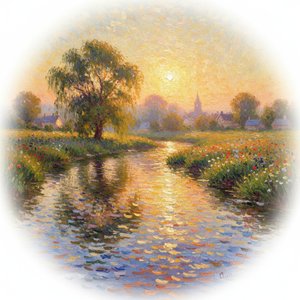
Capturing Light: A Masterclass in the Ethereal Beauty of Impressionistic Landscapes
Explore the ethereal beauty of Impressionist landscapes. Discover how masters like Monet captured fleeting light through color and texture, and learn to curate these timeless, luminous masterpieces for your home collection.

Paul Cézanne: 25 Remek-dela Revolucionarnog Umjetnika | OriginalUniqueArt
Istražite 25 remek-dela Paula Cézanna, revolucionarnog slikara impresionizma i postimpresionizma. Otkrijte priče iza ikoničnih pejzaža, portreta i mrtve prirode. Kupite luksuzne reprodukcije slika na OriginalUniqueArt.com!

Evocations of Place: A Historical Journey Through Landscape Art
Explore the rich history of landscape art with OriginalUniqueArt. Discover renowned artists, movements like Impressionism & Romanticism, and expert guidance for collecting timeless pieces. Find your perfect serene escape today!

Impresionistički pejzaži: 10 remek-dela koja su definisala umetnički pokret
Otkrijte 10 remek-dela impresionizma koja su zauvek obeležila pejzažnu umetnost! Monet, Renoar i Degas – istražite priče iza svake slike. Inspiracija za dekoraciju enterijera i vrhunske reprodukcije na OriginalUniqueArt.com. Istražite kolekciju online!