
 Pregledaj u prostoru
 Pošalji
 Podeli
 Detalji o delu

 Преузми
 Slični predmeti
 Rendgenski snimak
 Slajdovi
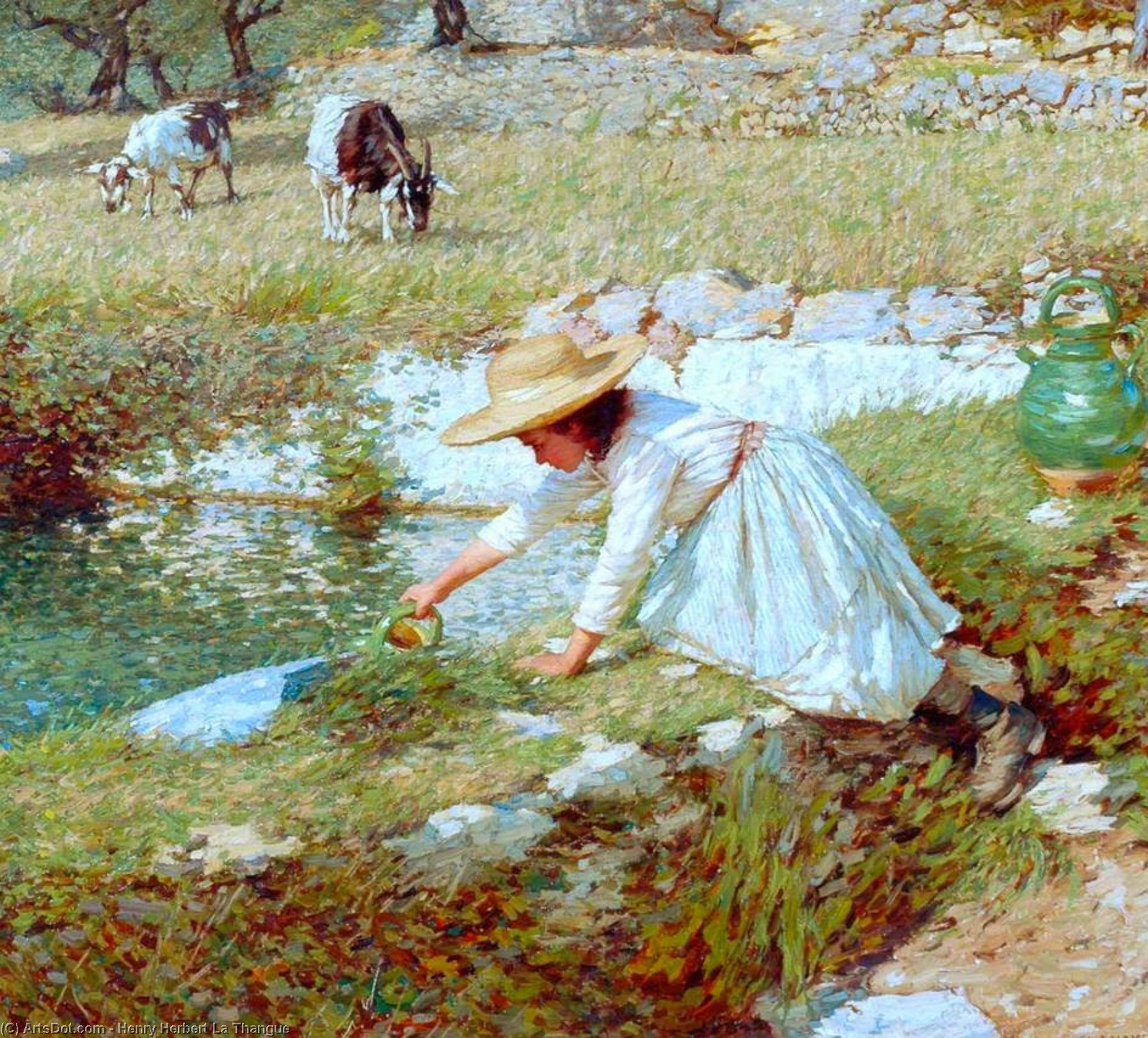
A Provençal Stream


 Pročitaj više
Ručno rađena uljana reprodukcija
Ručno oslikano uljanim bojama na platnu u dimenzijama i okviru po vašem izboru, izrađeno po porudžbini od strane naših umetnika. ( Kupi print Kupi digitalnu sliku)




































Izaberite jednu od naših unapred definisanih veličina koje odgovaraju originalnim proporcijama umetničkog dela.

Можете унети сопствене димензије како бисте прилагодили дело одређеном оквиру или простору. Ако одабрана величина не одговара пропорцијама оригинала, слика ће бити исечена или проширена додатним елементима који се ручно насликавају. Дигитални prikaz ће вам бити послат на одобрење пре почетка производње.
Имајте на уму да преглед на екрану не одражава стварно исецање или проширење. Само приказ (mockup) ће тачно приказати коначну композицију.
Иако су доступне прилагођене величине, препоручујемо да одаберете димензију из дефинисане листе како бисте сачували оригиналне пропорције.
Nakon narudžbine, tim OriginalUniqueArt.com će klijentu putem e-pošte poslati uputstva i dostaviti prikaz predloženog rešenja
Isporuka širom sveta () za 3/4 nedelje umesto uobičajenih 5 nedelja. (16 август). Bez kompromisa po pitanju kvaliteta.

Besplatna ekspresna dostava širom sveta

Visokokvalitetno laneno platno

Kompletno osiguranje transporta

Garancija povraćaja carine i uvoznih dažbina

Garancija vernosti boja

Politika povrata u roku od 60 dana (samo u slučaju nedostataka)

Garancija povrata novca od 100%

Popust pri grupnoj kupovini
 Opcija sa staklom dostupna je samo za dimenzije manje od 110 cm

A Provençal Stream
Tehnika reprodukcije
Dimenzije reprodukcije
-


Konačna cena
$ 300
Opis umetničkog dela
The Painting
A Provençal Stream depicts a peaceful scene of a woman tending to cows in a lush green field, surrounded by rocks and trees. The painting is characterized by its soft colors and gentle brushstrokes, which give it a sense of calmness and serenity. The woman in the painting is dressed in a white dress and a straw hat, adding to the overall sense of tranquility.Artistic Style and Technique
Henry Herbert La Thangue was influenced by the Impressionist movement, which emphasized capturing the fleeting moments of modern life. His use of light and color in A Provençal Stream is reminiscent of other famous Impressionist artists, such as Paul Gauguin. The painting's soft colors and gentle brushstrokes are also similar to those found in Gauguin's works, such as Paysanes Bretones, which can be found on OriginalUniqueArt.com.Conclusion
A Provençal Stream is a beautiful and captivating painting that showcases Henry Herbert La Thangue's skill as an artist. The painting's soft colors and gentle brushstrokes make it a perfect example of Impressionism. For those interested in learning more about La Thangue and his works, OriginalUniqueArt.com offers a wide range of information and resources. Additionally, the Bradford Art Galleries and Museums in the United Kingdom is home to an extensive collection of La Thangue's works, including A Provençal Stream.To see more of Henry Herbert La Thangue's paintings, visit OriginalUniqueArt.com, which offers a wide range of handmade oil painting reproductions, including The Farmer's Daughter and A Sussex Farm.
Some of his notable works include:
Biografija umetnika
The Visionary Realism of Henry Herbert La Thangue
Henry Herbert La Thangue stands as a pivotal figure in the tapestry of British realist landscape painting, a master whose brush captured the quiet dignity of the English countryside and the fleeting light of the European continent. Born in Croydon, Surrey, in 1859, his artistic journey began amidst the intellectual ferment of Victorian London. Nurtured by connections to fellow luminaries such as Stanhope Forbes and Frederick Goodall during his time at Dulwich College, La Thangue developed an early, profound appreciation for meticulous observation. This formative period instilled in him a commitment to detail that would become the hallmark of his enduring legacy.
His formal education was marked by rigorous discipline, encompassing both the Lambeth School of Art and the prestigious Royal Academy in London. The year 1879 proved to be a watershed moment when he was awarded a coveted gold medal, an achievement that propelled him toward a transformative scholarship at Jean-Léon Gérôme's atelier in Paris. It was within this French setting that La Thangue encountered the ethos of the Barbizon School. While his instructors occasionally critiqued his inclination toward romanticism, La Thangue successfully synthesized the principles of plein air painting with an unwavering dedication to realism, learning to capture the immediate, atmospheric essence of natural light.
A Journey Through Light and Landscape
La Thangue’s creative spirit was never confined by borders. Between 1881 and 1882, his expeditions to Brittany and the Rhône Valley in Donzère allowed him to immerse himself in the diverse landscapes of France. These travels broadened his artistic horizons, introducing a palette of soft colors and tranquil beauty that would later manifest in works such as "A Provençal Stream." This piece serves as a serene testament to his Impressionist influences, where the movement of water and the warmth of the sun are rendered with a delicate, evocative touch.
Upon returning to England in 1886, La Thangue became an active participant in the shifting tides of the British art establishment. His membership in the Royal Institute of Oil Painters solidified his professional standing, yet he remained a reformer at heart. His involvement in the movement to challenge the traditionalist grip of the Royal Academy eventually contributed to the formation of the New English Art Club (NEAC). Through this new venue, he championed a more democratic approach to art, showcasing works that celebrated the honest, unadorned beauty of rural life and the labor of the working class.
Mastery of the Rural Narrative
The true soul of La Thangue’s oeuvre lies in his ability to transform ordinary agricultural scenes into profound emotional experiences. His later years, particularly his time in South Walsham, Norfolk, saw a deepening of his focus on the rhythms of the land. In masterpieces such as "The Last Furrow" (1895), he captures the poignant beauty of the harvest, utilizing a realist technique that honors the grit and grace of rural existence. His work often employs a rich, impasto texture to lend physical weight to the earth and sky depicted on his canvas.
Perhaps no work encapsulates his ability to blend symbolism with naturalism better than "Nightfall," also known as "The Gleaners." In this poignant 1895 oil painting, La Thangue utilizes warm colors and a sense of encroaching shadow to evoke the solemnity of the harvest season. Through his eyes, the landscape is not merely a setting but a living character, imbued with the history of those who toil upon it. His legacy remains a vital part of the Newlyn School tradition, offering a window into a vanished era of British pastoral life through a lens of exquisite, light-filled realism.

Henry Herbert La Thangue
1859 - 1929 , United Kingdom
Osnovne informacije
- Artistic Movement Or Style: Realist Landscape & Genre Painting
- Artists Or Movements Influenced By This Artist: ['Newlyn School']
- Artists Who Influenced This Artist:
- Jean-Léon Gérôme
- Bastien Lepage
- Dagnan Bouveret
- Date Of Birth: 1859
- Full Name: Henry Herbert La Thangue
- Nationality: English
- Notable Artworks:
- The Mulberry Tree
- Return of the Reapers
- The Man with the Scythe
- Place Of Birth: Croydon, United Kingdom
Povezani članci
Beyond the Horizon: 10 Landscape Masterpieces for Your Home Decor
Journey through 10 breathtaking landscape paintings by Monet, Van Gogh & more! Explore iconic artworks, artistic techniques & find inspiration for your home decor. Museum-quality reproductions at OriginalUniqueArt.com. Discover all masterpieces on OriginalUniqueArt.com

Impressionistic Landscapes: 10 Masterpieces That Changed Art & Decor
Journey into the heart of Impressionism! Explore 10 masterpieces by Monet, Renoir & Degas that revolutionized landscape art. Discover their stories, techniques & find museum-quality reproductions to elevate your home decor on OriginalUniqueArt.com.

Impresionistički pejzaži: 10 remek-dela koja su definisala umetnički pokret
Otkrijte 10 remek-dela impresionizma koja su zauvek obeležila pejzažnu umetnost! Monet, Renoar i Degas – istražite priče iza svake slike. Inspiracija za dekoraciju enterijera i vrhunske reprodukcije na OriginalUniqueArt.com. Istražite kolekciju online!

25 Remek-dela Džona Konstebla: Lepota Engleske na Platnu | OriginalUniqueArt
Uronite u svet Džona Konstebla! Otkrijte 25 remek-dela engleskog pejzaža, romantizma i seoske idile. Kupite reprodukcije slika vrhunskog kvaliteta za dekoraciju enterijera na OriginalUniqueArt.com.

Cultivating Visions: A Historical Journey Through Rural Landscapes in Art
Explore the rich history of rural landscape painting with OriginalUniqueArt. Discover Impressionist masterpieces, key artists & movements. Find your perfect serene artwork and bring nature's beauty home.

