

 Pregledaj u prostoru
 Podeli
 Podeli
 Detalji
 Vodič
Vodič

 Preuzmi sliku
 Slični predmeti
 Rendgenski snimak
 Automatska prezentacija
 Statistika
Crémieu
 Oil On Canvas
- WallArt
- Romanticism
 1847
1847 38.0 x 46.0 cm
 Fitzwilliam College
 Pročitaj više
Giclee štampa / Umetnički otisak
Giclée štampa ili print na platnu muzejskog kvaliteta uz brzu izradu i raznovrsne opcije završne obrade. ( Naručite ručno oslikano reprodukciju Pređi na prodaju digitalnih slika)




P118B дин10

P118H дин10

P118W дин10

P438Z дин10

P508JH дин12

P508YH дин12

P805H дин10

P805Z дин10

P919BZ дин10

P919G дин10

P919XJ дин10

P959ZH дин10

P968JZ дин12

W106C дин8

W218G дин10

W218JH дин8

W218Y дин10

W307PJ дин10

W316G дин10

W316PJ дин8

W316Y дин10

W398PJ дин8

W4111J дин10

W500HY дин15

W500JH дин15

W692G дин12

W849H дин8

W940BG дин15

W953PJ дин8




Izaberite jednu od naših unapred definisanih veličina koje odgovaraju originalnim proporcijama umetničkog dela.

Unesite širinu i visinu koja vam je potrebna, kako bi se uklopili u vaš ram ili na vaš zid. Štampa se može samo iseći, nikada ne može biti veća od originalne slike, stoga format sa drugačijim proporcijama gubi deo slike. Poslaćemo vam digitalni prikaz radi potvrde pre nego što započnemo štampu. Slika prikazana na ovoj stranici ne pokazuje stvarni rez — to pokazuje samo digitalni prikaz.
Dostava širom sveta () za 2 nedelje umesto uobičajenih 4/5 nedelja. (25 октобар)

Besplatna ekspresna dostava širom sveta

Visokokvalitetno laneno platno

Sveobuhvatno osiguranje transporta

Garancija povraćaja carine i uvoznih dažbina

Garancija vernosti boja i autentičnosti pri reprodukciji

Politika povraćaja u roku od 100 dana (samo u slučaju nedostataka)

Garancija povrata 100% novca

Popust pri većoj količini
 Opcija sa staklom dostupna je samo za dimenzije manje od 110 cm

Crémieu
Giclee štampa / Umetnički otisak
Veličina reprodukcije
-


Ukupna cena
дин 8248
A Dramatic Vista of the French Countryside
Henri-Joseph Harpignies’ “Crémieu” (1847) is more than just a landscape painting; it's an immersive experience, a carefully constructed tableau that invites contemplation on the relationship between humanity and the vastness of nature. The scene unfolds within the foothills of the French Alps, depicting a rugged, almost primordial terrain dominated by towering cliffs and a winding path that draws the eye relentlessly into the distance. The painting immediately establishes a sense of solitude and grandeur – an emotional resonance deeply rooted in the Romantic tradition, yet subtly informed by Harpignies’ meticulous observation of light and texture.

The composition is masterfully executed, utilizing a strong diagonal line created by the path to guide the viewer’s gaze and establish a dynamic flow through the scene. The foreground, rendered in earthy browns and ochres, features a dirt road and scattered rocks, gradually transitioning into the imposing cliffs that form the central focus of the painting. These cliffs aren't merely geological formations; they possess an almost sculptural quality, their weathered surfaces hinting at centuries of exposure to the elements. In the distance, a subtle atmospheric perspective – a softening of colors and details as depth increases – suggests the immense scale of the landscape and evokes a feeling of both awe and vulnerability.
The Barbizon School and Luminism
Harpignies’ work firmly places him within the context of the Barbizon School, a movement that championed direct observation of nature and a rejection of academic artifice. Unlike earlier landscape painters who relied heavily on idealized representations, the Barbizon artists sought to capture the essence of the French countryside as they experienced it – with its rough textures, subtle shifts in light, and inherent imperfections. “Crémieu” exemplifies this approach, eschewing smooth brushstrokes and carefully blended colors in favor of visible marks that convey a sense of immediacy and spontaneity. Furthermore, the painting’s emphasis on atmospheric effects aligns closely with Luminism, a style characterized by its soft, diffused lighting and focus on capturing the subtle nuances of light and shadow.
Born in Valenciennes in 1819, Harpignies initially pursued a business career before dedicating himself to art. His early training under Jean Achard instilled in him a solid foundation in draughtsmanship, while his subsequent journey to Italy exposed him to the principles of the Barbizon School and fostered a deep appreciation for the Italian landscape tradition. The painting’s muted palette – dominated by browns, greens, and grays – contributes significantly to its evocative atmosphere, creating a sense of quiet contemplation and timelessness.
Symbolism and Emotional Resonance
Beyond its technical merits, “Crémieu” carries a subtle symbolic weight. The solitary path winding through the landscape can be interpreted as a metaphor for the human journey – a quest for meaning and purpose amidst the vast uncertainties of life. The towering cliffs represent both strength and vulnerability, reminding us of our own smallness in the face of nature’s power. The painting's overall mood is one of serene solitude, inviting viewers to pause and reflect on their place within the natural world.
Interestingly, the village of Crémieu itself, depicted in the painting, holds a rich history. Situated near Lyon, it served as an important trading center throughout the Middle Ages, benefiting from its strategic location along trade routes. The presence of a medieval castle and monastic settlements further adds to the painting’s historical context.
A Masterpiece for Collectors
“Crémieu” is a testament to Harpignies' skill as a landscape painter and his ability to capture the beauty and drama of the French countryside. Reproductions of this captivating artwork are available through OriginalUniqueArt, offering an opportunity to bring its evocative atmosphere into your home or office. Its timeless appeal and rich symbolism make it a valuable addition to any art collection.
Pitanja i odgovori
Koju emociju prenosi „Crémieu”, Анри Жозеф Харпињи?
„Crémieu”, Анри Жозеф Харпињи prenosi Nostalgic emocionalni ton.
Koja veličina je preporučena za "Crémieu" u prostoriji tipa Living Room?
Za Living Room, preporučena veličina štampe dela „Crémieu”, Анри Жозеф Харпињи je Medium.
Kako mogu da nabavim print dela „Crémieu”, Анри Жозеф Харпињи?
Da biste naručili print dela „Crémieu”, Анри Жозеф Харпињи, jednostavno ga poručite na njegovoj stranici Umetski print: umetnička štampa na pamučnom platnu ili arhivskom kanvas papiru.
Biografija umetnika
Хенри-Жозеф Харпињи: Живот у пејзажу
Рођен 28. јуна 1819. године у Валансијену, Француска, Хенри-Жозеф Харпињи је у почетку био под притиском родитеља да започне каријеру у бизнису. Међутим, његова страст за уметност била је прејака да би се игнорисала. Порекло му је из Белгије, али су планови породице стављени по страни када се посветио постајању уметника. У двадесет седмој години званично је започео своју уметничку обуку у Паризу, приступивши атељеу Жана Ашара. Овај основни период био је фокусиран на развијање чврстих вештина цртања – кључни елемент који ће остати централан за Харпињијев рад.
Барбизонска школа и утицај Италије
Након две године под Ашаровом менторском вођством, Харпињи је кренуо на преломно путовање у Италију 1848. године. То искуство је дубоко обликовало његову уметничку визију. По повратку 1850. године, упознао се са водећим личностима Барбизонске школе, укључујући Жана-Батиста-Камила Короа. Нагласак барбизонских сликара на директној посматрању природе и реалистичном приказу руралног живота дубоко је резонирао са Харпињијем. У 1860. години, даље је учврстио своју уметничку везу са Короом путем заједничког путовања назад у Италију.
Уметнички развој и стил
Харпињијев стил карактеришу његови мирни и идилични прикази француске провинције. Мастерски је заробио суптилне нијансе светла и атмосфере, стварајући пејзаже који изазивају осећај спокоја и хармоније. Његова техника укључивала је пажљиво посматрање у комбинацији са префињеним разумевањем композиције. Иако под утицајем реализма Барбизонске школе, Харпињи је развио свој посебан глас, често уграђујући поетичну осетљивост у свој рад.
Значајна дела и наслеђе
Међу његовим најпознатијим делима су Soir sur les bords de la Loire (Вече на обалама Лоаре) – 1861, квинтесенцијални пример његових атмосферских пејзажа који показује лепоту долине Лоаре. Les corbeaux (Вране) – 1865 демонстрирају његову вештину у заробљавању расположења и детаља у природном окружењу, док Le soir (Вече) – 1866 осликава тиху лепоту сумрака. La loire (Лоара) – 1882 је још један запањујући приказ реке Лоаре, који истиче његово мајсторство светла и воде. Vue de Saint-Privé (Поглед на Сен-Приве) – 1883 приказује сликовиту сцену шармантног француског села.
Историјски значај
Харпињијево уметничко наслеђе се протеже даље од његових властитих слика. Био је посвећени учитељ, преносећи своје знање и вештине бројним ученицима, укључујући Емила Апеа (1876-1935) и James Wilson Morrice (1865-1924). Његов утицај се види у развоју француског пејзажног сликарства током касног 19. и ране 20. века. Помоћу својих дела, учврстио је утицај Барбизонске школе на наредне генерације уметника. Харпињије је умро 1916. године, оставивши за собом богато уметничко наслеђе које и данас инспирише и очарава публику широм света. Његове слике се чувају у познатим музејским колекцијама, укључујући Musée des Beaux-Arts Valence, обезбеђујући његово трајно признање као мајстора пејзажне уметности.
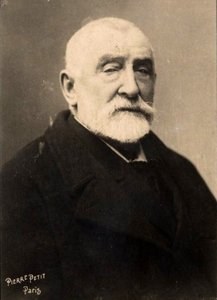
Анри Жозеф Харпињи
1819 - 1916 , Француска
Brzi pregled
- Datum Rođenja: 28. jun 1819.
- Datum Smrti: 1916.
- Mesto Rođenja: Valensijen, Francuska
- Nacionalnost: Francuz
- Puno Ime: Henri-Joseph Harpignies
- Umetnici Koji Su Uticali: ['Jean-Baptiste Corot']
- Umetnici Pod Uticajem:
- Émile Appay
- James Wilson Morrice
- Umetnički Pokret: Barbizonska škola
- Značajna Dela:
- Veče na obalama Loire
- Gavrani
- Veče
- Loara
- Pogled na Sen Privé
Srodni članci

Glavna dela koja su definisala Romantični pejzaž: 10 remek-dela za vaš dom
Otkrijte 10 remek-dela romantičnog pejzažnog slikarstva! Uronite u svet Claude Lorraina, Caspara David Friedricha i Turnera. Ispričane priče umetnosti, inspiracija za dekoraciju doma. Kvalitetne reprodukcije na OriginalUniqueArt.com – istražite celu kolekciju online!

Evoking Nature's Sublime: A Comprehensive Exploration of 19th-Century Landscape Painting
Explore the captivating world of 19th-century landscape painting! Discover renowned artists like Friedrich & Monet, key movements, and find the perfect artwork to bring nature's serenity into your home. Expert insights at OriginalUniqueArt.
Paul Huet: Capturing the Essence of French Romanticism Through Light and Landscape
Explore the captivating world of Paul Huet (1803-1869), a master of French Romantic landscape painting. Discover his influence on Barbizon & Impressionism, and browse high-quality reproductions at OriginalUniqueArt.
Evoking Emotion & Transcendence: Romantic Landscape Painting (18th-19th Century)
Explore the emotional depth of Romantic landscape painting (18th-19th century). Discover key artists like Friedrich & Cole, and the concepts of the sublime. Expert insights for art lovers & collectors.
Henri-Joseph Harpignies: Capturing the Poetic Essence of the French Landscape
Explore the serene landscapes of Henri-Joseph Harpignies, a master of the Barbizon School. Discover his atmospheric paintings, recurring themes & enduring legacy in 19th-century French art. Learn more at OriginalUniqueArt.
