
 Pregledaj u prostoru
 Pošalji
 Podeli
 Detalji o delu

 Преузми
 Slični predmeti
 Rendgenski snimak
 Slajdovi
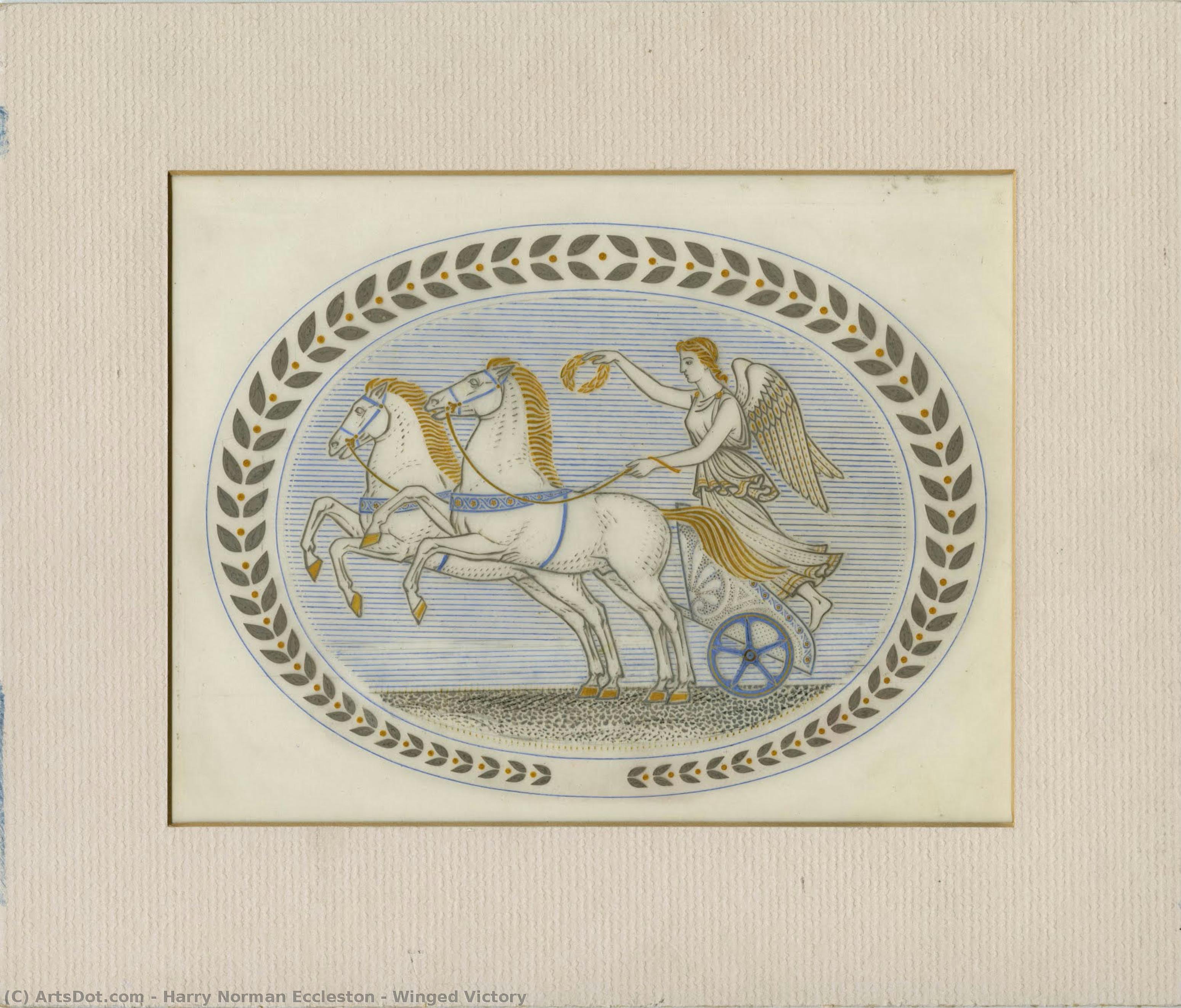
Winged Victory
 1971
1971 30.0 x 25.0 cm
 Bank of England Museum
 Pročitaj više
Giclee štampa / Umetnički otisak
Giclée štampa ili print na platnu muzejskog kvaliteta uz brzu proizvodnju i fleksibilne opcije završne obrade. ( Pređite na ručno oslikano umetničko delo Prebacite na sliku)




































Izaberite jednu od naših unapred definisanih veličina koje odgovaraju originalnim proporcijama umetničkog dela.

Možete uneti sopstvene dimenzije kako biste umetničko delo prilagodili specifičnom okviru ili prostoru. Ako odabrani format ne odgovara proporcijama originalne slike, mi ćemo ili iscrtati deo dela ili proširiti sliku pomoću ogledane ivice ili jednobojnog popunjavanja. Digitalni prikaz će vam biti poslat na odobrenje pre početka proizvodnje.
Imajte na umu da pregled na ekranu ne odražava stvarno iscrtavanje ili proširivanje. Samo će prikaz (mockup) precizno pokazati finalnu kompoziciju.
Iako su prilagođene dimenzije dostupne, preporučujemo da odaberete dimenziju sa unapred definisane liste kako biste očuvali originalne proporcije.
Dostava širom sveta () za 2 nedelje umesto uobičajenih 4/5 nedelja. (10 август)

Besplatna ekspresna dostava širom sveta

Visokokvalitetno laneno platno

Kompletno osiguranje transporta

Garancija povraćaja carine i uvoznih dažbina

Garancija vernosti boja

Politika povrata u roku od 60 dana (samo u slučaju nedostataka)

Garancija povrata novca od 100%

Popust pri grupnoj kupovini
 Opcija sa staklom dostupna je samo za dimenzije manje od 110 cm

Winged Victory
Giclee štampa / Umetnički otisak
Dimenzije reprodukcije
-


Konačna cena
$ 80
Biografija umetnika
The Precision of a Master: The Life and Legacy of Harry Norman Eccleston
In the annals of British artistic achievement, few names command as much quiet respect for technical precision and versatile mastery as Harry Norman Eccleston. Born in Coseley, United Kingdom, in 1923, Eccleston emerged from the industrial heartlands of England to leave an indelible mark on both the fine art world and the intricate realm of graphic design. His life was a testament to the power of meticulous observation, a quality that allowed him to transition seamlessly between the delicate nuances of portraiture and the high-stakes, exacting demands of banknote design. To study his work is to witness a profound dialogue between reality and representation, where every line serves a purpose and every shadow tells a story.
Eccleston’s artistic journey was defined by an extraordinary ability to capture the essence of his subjects through a lens of hyper-realistic detail. While many artists of his era sought to deconstruct form through abstraction, Eccleston leaned into the strength of classical techniques. His repertoire was remarkably diverse, ranging from the soulful, contemplative depths of historical portraits to the serene, sprawling beauty of nature scenes. He possessed a rare gift for rendering texture—the heavy weight of Elizabethan fabric, the soft luminescence of skin, and the organic complexity of the natural world—all achieved with a level of craftsmanship that felt both timeless and authoritative.
A Legacy of Detail: From Portraits to Currency
The true breadth of Eccleston’s talent is perhaps most visible in his ability to command different scales of artistry. In his fine art collections, one finds works such as his Queen Elizabeth II Master Drawing, a regal black and white portrait that exemplifies his ability to convey majesty through stark, masterful contrast. Similarly, his Shakespeare Portrait Test Print showcases his skill in historical reconstruction, capturing the Bard in a moment of profound intellectual depth. These works are not merely depictions; they are psychological studies that invite the viewer into a shared moment of history.
Beyond the gallery walls, Eccleston achieved significant historical importance through his contributions to British currency design. His work as a banknote designer required a level of precision that few could sustain, blending the aesthetic requirements of fine art with the security and clarity necessary for national tender. This unique intersection of disciplines—where art meets utility—cemented his reputation as an artist of unparalleled discipline. His influence can be seen in the following areas of his professional output:
- Portraiture: The creation of iconic, high-detail likenesses of historical and contemporary figures.
- Banknote Design: The intricate and secure illustration of British currency, blending artistry with technical complexity.
- Naturalism: Detailed explorations of landscapes and botanical subjects that celebrate the English countryside.
- Graphic Mastery: A sophisticated use of monochrome and line work that remains influential in the study of printmaking and engraving styles.
As we reflect on the career of Harry Norman Eccleston, we see an artist who bridged the gap between the decorative and the functional. His life, spanning from the early 20th century until his passing in 2010, serves as a reminder that true mastery lies in the details. Whether through the sweeping grandeur of a royal portrait or the microscopic precision of a banknote engraving, Eccleston’s work continues to resonate with those who find beauty in the absolute truth of a perfectly rendered line.

harry norman eccleston
1923 - 2010 , United Kingdom
Osnovne informacije
- Artistic Movement Or Style: Pop Art
- Artists Or Movements Influenced By This Artist:
- Comic strips
- Advertisement
- Artists Who Influenced This Artist:
- Rembrandt
- Daumier
- Picasso
- Date Of Birth: October 27, 1923
- Date Of Death: 2010
- Full Name: Roy Fox Lichtenstein
- Nationality: American
- Notable Artworks:
- Whaam!
- Drowning Girl
- Hopelessness
- C lassroom Scene
- Place Of Birth: New York City, USA

