

 Pregledaj u prostoru
 Podeli
 Podeli
 Detalji
 Vodič
Vodič

 Preuzmi sliku
 Slični predmeti
 Rendgenski snimak
 Automatska prezentacija
 Statistika
Chrysanthemums
 Impressionism
 1948
1948 71.0 x 52.0 cm
 Towneley Hall Art Gallery - Museum
 Pročitaj više
Umetničko delo prikazano na ovoj stranici zaštićeno je autorskim pravima, što znači da zakonski nismo u mogućnosti da kreiramo niti prodajemo identičnu reprodukciju. Ova zaštita se sprovodi u skladu sa međunarodnim sporazumima kao što su Bernska konvencija i nacionalnim zakonima, uključujući i one koji su definisani u Američki zakon o autorskom pravu – Naslov 17.
Ovaj metod je u potpunosti usklađen sa regulativama o autorskim pravima jer ne podrazumeva kopiranje ili dupliranje zaštićenih umetničkih dela. Umesto toga, reč je o kreativnoj reinterpretaciji – novom slikarskom delu koje je inspirisano originalom, ali nije identično njemu.
Giclee štampa / Umetnički otisak
Giclée štampa ili print na platnu muzejskog kvaliteta uz brzu izradu i raznovrsne opcije završne obrade. ( Naručite ručno oslikano reprodukciju Pređi na prodaju digitalnih slika)




































Izaberite jednu od naših unapred definisanih veličina koje odgovaraju originalnim proporcijama umetničkog dela.

Unesite širinu i visinu koja vam je potrebna, kako bi se uklopili u vaš ram ili na vaš zid. Štampa se može samo iseći, nikada ne može biti veća od originalne slike, stoga format sa drugačijim proporcijama gubi deo slike. Poslaćemo vam digitalni prikaz radi potvrde pre nego što započnemo štampu. Slika prikazana na ovoj stranici ne pokazuje stvarni rez — to pokazuje samo digitalni prikaz.
Dostava širom sveta () za 2 nedelje umesto uobičajenih 4/5 nedelja. (26 октобар)

Besplatna ekspresna dostava širom sveta

Visokokvalitetno laneno platno

Sveobuhvatno osiguranje transporta

Garancija povraćaja carine i uvoznih dažbina

Garancija vernosti boja i autentičnosti pri reprodukciji

Politika povraćaja u roku od 100 dana (samo u slučaju nedostataka)

Garancija povrata 100% novca

Popust pri većoj količini
 Opcija sa staklom dostupna je samo za dimenzije manje od 110 cm

Chrysanthemums
Giclee štampa / Umetnički otisak
Veličina reprodukcije
-


Ukupna cena
дин 8248
Biografija umetnika
The Ethereal Architect: Harold Budd and the Sound of Inner Space
Harold Budd, a name synonymous with ambient music’s most delicate and evocative expressions, occupies a unique position in the landscape of contemporary sound. While often categorized as a minimalist composer, such labels feel insufficient to capture the profound emotional depth and poetic sensibility that permeate his work. Born in 1936 in Buffalo, New York, Budd's journey to becoming a celebrated sonic innovator was anything but conventional. He initially pursued a career in traditional classical music, earning a degree from Los Angeles City College and studying with composers like Ernst Krenek. However, a growing dissatisfaction with the rigid structures of academic composition led him down an increasingly experimental path, one that ultimately embraced chance operations, extended techniques, and a fascination with the resonant qualities of silence. This early exploration was fueled by a deep engagement with visual art, particularly the work of Mark Rothko, whose color field paintings profoundly influenced Budd’s approach to creating immersive sonic environments. He sought to translate Rothko's emotional weight and atmospheric depth into sound, believing that music could function as a kind of “aural Rothko,” enveloping the listener in a contemplative space.From Avant-Garde Experiments to Ambient Pioneer
The 1960s saw Budd immersed in the California avant-garde scene, collaborating with visual artists and exploring unconventional performance practices. He developed a unique compositional method based on aleatoric processes – embracing chance and indeterminacy in his musical structures. This period was characterized by a rejection of traditional notation and an emphasis on improvisation and sonic texture. However, it wasn’t until the 1970s that Budd began to forge the distinctive sound for which he is now renowned. He acquired a heavily modified Bösendorfer piano, employing felt mallets and extended techniques to create shimmering, ethereal tones. This instrument became central to his compositional process, allowing him to explore the subtle nuances of resonance and decay. A pivotal moment in Budd’s career came with his collaboration with Brian Eno in 1982 on *Ambient 2: The Plateaux of Found Sounds*. This album, a landmark release in the development of ambient music, showcased Budd's piano work alongside Eno’s atmospheric soundscapes, creating a mesmerizing and deeply affecting listening experience. It established Budd as a leading figure in the burgeoning ambient movement, attracting a devoted following drawn to his music’s meditative qualities and emotional resonance.The Language of Resonance: Technique and Aesthetic
Budd’s compositional technique is characterized by its deliberate simplicity and emphasis on sonic texture. He often employs long, sustained tones, allowing them to unfold gradually over time, creating a sense of spaciousness and tranquility. The use of the soft pedal is crucial, softening the attack of each note and blurring the boundaries between individual sounds. This creates a shimmering, almost translucent quality that invites introspection and contemplation. His music eschews traditional harmonic progressions and melodic development in favor of exploring subtle shifts in timbre and resonance. He frequently incorporates found sounds – field recordings, environmental noises – into his compositions, further grounding his work in the physical world while simultaneously elevating it to a realm of pure sonic experience.- Soft Pedal Technique: A defining characteristic, creating delicate, blurred tones.
- Extended Techniques: Utilizing felt mallets and unconventional playing methods on the piano.
- Aleatoric Composition: Embracing chance operations in musical structure.
- Found Sounds Integration: Incorporating field recordings to create immersive environments.
Collaborations and Enduring Influence
Throughout his career, Budd collaborated with a diverse range of artists, including Robin Guthrie (Cocteau Twins), John Foxx, and Hector Zazou. These collaborations allowed him to explore new sonic territories while remaining true to his core aesthetic principles. His work with Guthrie, in particular, resulted in several critically acclaimed albums that blended Budd’s piano textures with Guthrie’s atmospheric guitar soundscapes. The Pearl, released in 1984, remains a touchstone of ambient music, showcasing the power of collaboration to create truly unique and emotionally resonant works. Beyond his collaborations, Budd continued to release solo albums throughout his career, each one further refining his distinctive sonic language. His influence on contemporary composers and musicians is profound, inspiring generations of artists working in ambient, electronic, and experimental music. He demonstrated that music could be a powerful tool for creating immersive environments, fostering introspection, and exploring the depths of human emotion. Harold Budd’s legacy lies not only in his groundbreaking compositions but also in his unwavering commitment to pushing the boundaries of sonic expression and creating a space where silence speaks as eloquently as sound.
Srodni članci
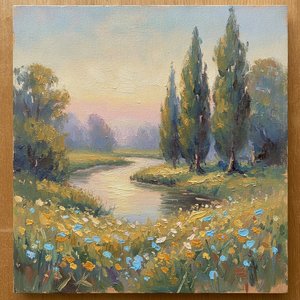
The Timeless Charm of Oil on Board: Reimagining Texture and Light through the Impressionist Lens
Discover the profound intimacy of oil on panel. Explore how Impressionist masters used rigid supports to capture light, texture, and impasto depth through exquisite, handmade oil reproductions for discerning collectors.
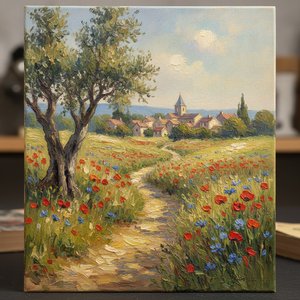
The Timeless Beauty of Oil on Panel: Capturing Light and Texture through the Impressionist Lens
Discover the exquisite depth of oil on panel. Explore how Impressionist masters captured light and texture through tactile brushwork, and learn how to bring these museum-quality, hand-painted masterpieces into your home with expert curation.

The Soul of Impressionism: Why Oil on Canvas Captures Eternal Light and Timeless Emotion
Discover the enchanting alchemy of Impressionism. Explore how the mastery of oil on canvas, through glazing and impasto, captures eternal light and emotion. Perfect for lovers of Monet and Van Gogh seeking the profound depth of hand-painted fine art.

The Enduring Legacy of Oil on Canvas: Technique, History & Aesthetic Impact
Explore the rich history & techniques of oil painting – from Renaissance masters to Impressionism. Discover pigments, layering methods, and why this timeless medium endures. Expert insights for artists & art enthusiasts.

Silent Narratives: Exploring the Enduring Appeal of Still Life Painting Across Centuries
Explore the rich history of still life painting with OriginalUniqueArt. Discover Dutch Masters, decode vanitas symbolism & learn about collecting timeless art. Expert insights and museum-quality reproductions.