
 Pregledaj u prostoru
 Pošalji
 Podeli
 Detalji o delu
 Vodič
Vodič

 Preuzmi
 Slični predmeti
 Rendgenski snimak
 Automatska prezentacija
 Pitanja i odgovori
 Statistika
Император Фердинанд I

- 14.0 x 11.0 cm


 Pročitaj više
Giclee štampa / Umetnički otisak
Giclée štampa ili print na platnu muzejskog kvaliteta uz brzu izradu i raznovrsne opcije završne obrade. ( Kupite ručno oslikano delo Pređi na digitalnu sliku)




P118B дин10

P118H дин10

P118W дин10

P438Z дин10

P508JH дин12

P508YH дин12

P805H дин10

P805Z дин10

P919BZ дин10

P919G дин10

P919XJ дин10

P959ZH дин10

P968JZ дин12

W106C дин8

W218G дин10

W218JH дин8

W218Y дин10

W307PJ дин10

W316G дин10

W316PJ дин8

W316Y дин10

W398PJ дин8

W4111J дин10

W500HY дин15

W500JH дин15

W692G дин12

W849H дин8

W940BG дин15

W953PJ дин8




Izaberite jednu od naših unapred definisanih veličina koje odgovaraju originalnim proporcijama umetničkog dela.

Unesite željenu širinu i visinu kako bi se štampa uklopila u vaš ram ili zid. Štampu je moguće samo iseći, ali nikada povećati iznad dimenzija originalne slike, stoga format sa drugačijim proporcijama uzrokuje gubitak dela slike. Pre početka štampe, poslaćemo vam digitalni prikaz radi potvrde. Slika prikazana na ovoj stranici ne predstavlja stvarni isrez — to pokazuje samo digitalni prikaz.
Dostava širom sveta () za 2 nedelje umesto uobičajenih 4/5 nedelja. (10 новембар)

Besplatna ekspresna dostava širom sveta

Visokokvalitetno laneno platno

Potpuno osiguranje transporta

Garancija povraćaja carine i uvoznih dažbina

Garancija vernosti boja

Politika povraćaja u roku od 100 dana (samo u slučaju nedostataka)

Garancija povrata 100% novca

Popust na više proizvoda
 Opcija sa staklom dostupna je samo za dimenzije manje od 110 cm

Император Фердинанд I
Giclee štampa / Umetnički otisak
Dimenzije reprodukcije
-


Ukupna cena
дин 8485
Emperor Ferdinand I: A Salzburg Renaissance Masterpiece
Hans the Elder Bocksberger (c. 1510 – before 1569), born in Salzburg, Austria, stands as a pivotal figure within Salzburg’s burgeoning artistic landscape during the High Renaissance and early Mannerism periods. Though overshadowed by his younger brother, Hans Holbein the Younger—a celebrated artist who achieved international renown—Hans Bocksberger nonetheless cemented his place in art history through commissions that adorned noble residences and churches across Bavaria and Austria. His familial legacy instilled a deep understanding of humanist ideals and stylistic conventions prevalent throughout Europe at the time – Salzburg’s Protestant Reformation fostering an environment where innovative ideas could flourish alongside established religious iconography.- Subject Matter: The portrait depicts Emperor Ferdinand I, ruler of Habsburg Austria, capturing him in a dignified pose against a dark background that emphasizes his presence and stature.
- Style & Technique: Executed in oil on paper mounted on wood, the painting embodies the Renaissance’s meticulous attention to detail and realism. Bocksberger skillfully employs chiaroscuro—the dramatic interplay of light and shadow—to sculpt Ferdinand's form and imbue the artwork with depth and emotion.
Historical Context: Salzburg Under Protestant Influence
Salzburg’s Reformation profoundly impacted artistic patronage, shifting away from opulent Catholic grandeur towards a more contemplative aesthetic driven by humanist principles. This period witnessed a surge in artistic experimentation and innovation—a spirit that clearly resonated within Bocksberger's creative vision. The Habsburg monarchy’s embrace of Protestantism created fertile ground for artists like Bocksberger to explore new expressive possibilities while upholding traditional artistic standards.- Commission & Patronage: Ferdinand I commissioned portraits as symbols of royal authority and piety, reflecting the broader cultural ambitions of Salzburg’s elite.
- Influence of Holbein: Like Hans Holbein the Younger, Bocksberger absorbed influences from Northern European artistic traditions—particularly the realism championed by Holbein—resulting in a distinctive stylistic blend.
Symbolism & Artistic Detail
The composition is carefully crafted to convey Ferdinand’s regal bearing and spiritual devotion. The dark background serves as a foil to his pale skin tone, highlighting him as the focal point of the artwork. Notice the meticulous rendering of his facial features—the furrowed brow conveying seriousness, the gaze directed outwards projecting confidence. Furthermore, the attire—a black hat adorned with a feather—signifies status and rank, reinforcing Ferdinand’s position within the Habsburg hierarchy. The fur-lined garment symbolizes wealth and power, underscoring the grandeur of Salzburg’s royal court during Bocksberger's time.- The Feather: Represents nobility and heraldic distinction.
- Clothing Details: Reflect the opulent tastes of Habsburg aristocracy.
Legacy & Artistic Significance
Signed “Hans The Elder Bocksberger” at the bottom right corner, the painting testifies to the skill and professionalism of a Salzburg artist operating within a vibrant artistic milieu. It exemplifies the humanist ideals that underpinned Renaissance art—a commitment to observation, anatomical accuracy, and expressive emotion—leaving an indelible mark on Austrian art history. Like Holbein’s work, Bocksberger's oeuvre embodies the spirit of Salzburg’s cultural renaissance – a harmonious blend of tradition and innovation that continues to inspire admiration today. Provenance: Kunsthistorisches Museum, ViennaPitanja i odgovori
Na koji način se stil dela "Император Фердинанд I" odnosi na epohu njegovog tvorca?
„Император Фердинанд I“ pripada pravcu High Renaissance, a njen autor je stvarao u periodu Renaissance.
Gde mogu pronaći statistiku o delu „Император Фердинанд I”, autor Hans The Elder Bocksberger?
Postoji Statistika stranica za „Император Фердинанд I“. Ona prikazuje mesečne posete ovom umetničkom delu i drugim delima ovog umetnika, uz detaljnu analizu po državama i jezicima.
Iz koje zemlje potiče High Renaissance rad "Император Фердинанд I"?
Delo u stilu High Renaissance, "Император Фердинанд I", delo je umetnika rođenog u Austria.
Biografija umetnika
The Salzburg Renaissance Visionary
In the heart of sixteenth-century Salzburg, amidst a landscape of profound cultural transition, lived an artist whose brush captured the very essence of the High Renaissance and the burgeoning Mannerist style. Hans the Elder Bocksberger, born around 1510, emerged from a lineage of significant artistic talent, inheriting both technical rigor and a deep-seated creative spirit from his father, Ulrich Bocksberger. While history occasionally casts a long shadow over his work through the international fame of his younger brother, Hans Holbein the Younger, the elder Bocksberger carved out a legacy that was uniquely his own, deeply rooted in the aristocratic and ecclesiastical landscapes of Bavaria and Austria.A Master of Detail and Humanist Expression
Bocksberger’s artistry was defined by an exquisite attention to detail and a seamless integration of humanist ideals into his compositions. His work often bridged the gap between the structured elegance of the High Renaissance and the more expressive, fluid grace of early Mannerism. This mastery is perhaps most strikingly evident in his portrait of Emperor Ferdinand I, executed circa 1550-55. In this piece, Bocksberger utilized oil on paper mounted on wood to achieve a breathtaking interplay of light and shadow. The meticulous rendering of the Emperor’s features—the furrowed brow and the piercing gaze—demonstrates a sophisticated grasp of psychological realism, while the opulent textures of fur-lined robes and feathered headwear speak to the grandeur and authority of his subject.Architectural Grandeur and Lasting Influence
Beyond individual portraits, Bocksberger was a master of decorative painting, possessing a rare ability to transform architectural interiors into immersive spiritual and worldly experiences. He excelled in creating spaces of grandeur, where his hand could be seen transforming cold stone into vibrant narratives. His most significant contributions include:- The Schlosskapelle Neuburg, where his frescoes captured the essence of humanist ideals through idealized figures and harmonious compositions;
- The Great Hall at Goldegg Castle near Radstatt, a space where his vision brought forth a breathtaking panorama of color and texture;
- The Residenz in Landshut, where he collaborated with contemporaries like Ludwig Refinger and Hermann Posthumus to create an impressive architectural ensemble.

Hans The Elder Bocksberger
1510 - 1569 , Austria
Osnovne informacije
- Full Name: Hans the Elder Bocksberger
- Nationality: Austrian
- Date Of Birth: 1510
- Date Of Death: 1569
- Place Of Birth: Salzburg, Austria
- Notable Artworks: ['Emperor Ferdinand I']
- Artistic Movement Or Style: Renaissance
- Artists Who Influenced This Artist: ['Hans Holbein the Younger']
- Artists Or Movements Influenced By This Artist: ['European Portraiture']
Povezani članci

Hans Holbein the Younger: A Renaissance Portraitist's Mastery of Realism & Psychological Insight
Explore the life & art of Hans Holbein the Younger, a Renaissance master renowned for his strikingly realistic portraits and psychological insight. Discover iconic works like 'The Ambassadors' and delve into his lasting legacy.
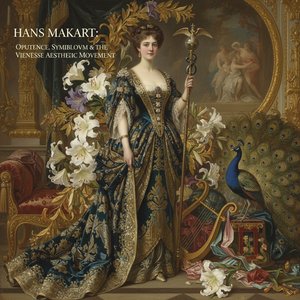
Hans Makart: Opulence, Symbolism & the Viennese Aesthetic Movement
Explore the opulent world of Hans Makart, a pivotal figure in Austrian art history. Discover his influence on Klimt & the Vienna Secession, signature style, and investment potential. Expert insights for collectors.
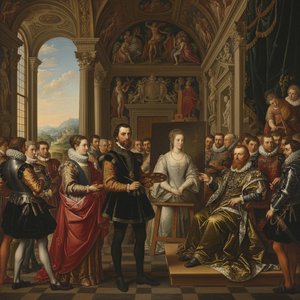
Hans von Aachen: Mannerism's Courtly Visionary & Imperial Portraiture
Explore the captivating world of Hans von Aachen, a leading Mannerist painter renowned for his exquisite imperial portraits & mythological scenes. Discover his legacy and influence on 16th-century European art.

Ferdinand Hodler: Symbolism, Parallelism & the Quest for Universal Harmony
Explore the captivating world of Ferdinand Hodler, Swiss Symbolist painter renowned for his evocative landscapes & pioneering 'parallelism'. Discover his life, key works, and lasting influence on art history. Own a hand-painted reproduction today!

25 Remek-dela Kunsthistorisches Museuma: Umetnička Baština Beča za Vas Dom
Uronite u svet 25 remek-dela Kunsthistorisches Museuma u Beču! Otkrijte priče iza Rafaelovih Madona, Rembrandtovih samoportreta i Vermeerove umetnosti. Inspiracija za dekoraciju enterijera & vrhunske reprodukcije slika na OriginalUniqueArt.com.
