
 Pregledaj u prostoru
 Pošalji
 Podeli
 Detalji o delu
 Vodič
Vodič

 Preuzmi
 Slični predmeti
 Rendgenski snimak
 Automatska prezentacija
 Q&A
Q&A Statistika
Der Triumph der Ariadne

- 476.0 x 784.0 cm


 Pročitaj više
Giclee štampa / Umetnički otisak
Giclée štampa ili print na platnu muzejskog kvaliteta uz brzu izradu i raznovrsne opcije završne obrade. ( Kupite ručno oslikano delo Pređi na digitalnu sliku)




P118B дин10

P118H дин10

P118W дин10

P438Z дин10

P508JH дин12

P508YH дин12

P805H дин10

P805Z дин10

P919BZ дин10

P919G дин10

P919XJ дин10

P959ZH дин10

P968JZ дин12

W106C дин8

W218G дин10

W218JH дин8

W218Y дин10

W307PJ дин10

W316G дин10

W316PJ дин8

W316Y дин10

W398PJ дин8

W4111J дин10

W500HY дин15

W500JH дин15

W692G дин12

W849H дин8

W940BG дин15

W953PJ дин8




Izaberite jednu od naših unapred definisanih veličina koje odgovaraju originalnim proporcijama umetničkog dela.

Unesite željenu širinu i visinu kako bi se štampa uklopila u vaš ram ili zid. Štampu je moguće samo iseći, ali nikada povećati iznad dimenzija originalne slike, stoga format sa drugačijim proporcijama uzrokuje gubitak dela slike. Pre početka štampe, poslaćemo vam digitalni prikaz radi potvrde. Slika prikazana na ovoj stranici ne predstavlja stvarni isrez — to pokazuje samo digitalni prikaz.
Dostava širom sveta () za 2 nedelje umesto uobičajenih 4/5 nedelja. (1 новембар)

Besplatna ekspresna dostava širom sveta

Visokokvalitetno laneno platno

Potpuno osiguranje transporta

Garancija povraćaja carine i uvoznih dažbina

Garancija vernosti boja

Politika povraćaja u roku od 100 dana (samo u slučaju nedostataka)

Garancija povrata 100% novca

Popust na više proizvoda
 Opcija sa staklom dostupna je samo za dimenzije manje od 110 cm

Der Triumph der Ariadne
Giclee štampa / Umetnički otisak
Dimenzije reprodukcije
-


Ukupna cena
дин 8334
A Symphony of Mythic Splendor
In the grand tradition of nineteenth-century European painting, few works command the eye with such immediate, breathtaking authority as Hans Makart’s Der Triumph der Ariadne. Completed in 1874, this monumental oil on canvas is not merely a depiction of a mythological event; it is a visceral experience of joy, abundance, and theatrical grandeur. The painting breathes life into the Homeric legend of Ariadne, capturing the precise moment of her divine rescue by Dionysus after being abandoned on the shores of Naxos. As the viewer gazes upon this vast composition, they are swept into a whirlwind of celebration, where the boundaries between the mortal and the divine blur amidst a sea of swirling drapery and exuberant human forms.
The scene is a masterclass in movement and vitality. Makart populates his canvas with an entourage of figures, many rendered in the soft, luminous glow of classical nudity, engaged in a rhythmic dance of revelry. The composition is anchored by Ariadne herself, whose presence radiates a transformative energy that shifts the narrative from abandonment to triumph. Through the strategic placement of figures and the sweeping lines of limbs and fabric, Makast creates a sense of perpetual motion, as if the viewer has just stumbled upon a secret, sacred festival in the heart of an ancient paradise.
The Mastery of Makartstil
To understand this masterpiece, one must understand the essence of Makartstil—the signature style of the artist that would come to define the aesthetic of the Vienna Secession era. Makart was a virtuoso of color and light, drawing profound inspiration from the Baroque masters such as Rubens and Rembrandt. He utilized the technique of chiaroscuro not merely for dramatic contrast, but to sculpt his figures with a palpable, three-dimensional realism. The interplay of deep, velvety shadows and brilliant, shimmering highlights creates a sense of depth that invites the eye to wander through every corner of this opulent world.
His palette is nothing short of audacious. Makart achieved an otherworldly luminosity by meticulously layering pigments, particularly focusing on rich, regal golds and passionate, blood-red hues. These colors do not simply sit upon the canvas; they seem to glow from within, imbuing the floral decorations and silken fabrics with a life of their own. This technical brilliance ensures that the painting remains a captivating focal point, offering a sensory richness that is as much about texture and light as it is about subject matter.
Symbolism and Emotional Resonance
Beyond its surface beauty, Der Triumph der Ariadne is a dense tapestry of symbolic meaning. The overwhelming abundance of floral arrangements serves as a metaphor for fertility, rebirth, and the flourishing of life following tragedy. Even the subtle inclusion of birds within the composition adds layers of classical allegory, hinting at the fleeting nature of beauty and the soaring spirit of the soul. Every element, from the heavy, luxurious drapery to the dynamic poses of the revelers, is designed to evoke a sense of overwhelming emotional abundance.
<For the discerning collector or interior designer, this work offers more than just historical significance; it provides an atmosphere of unparalleled sophistication. A high-quality reproduction of this piece brings with it a sense of historical weight and artistic prestige. It is a work that demands attention, serving as a profound statement of elegance in any grand hall or curated gallery space. To possess such a vision is to invite the spirit of the Baroque—a spirit of drama, passion, and eternal triumph—into one's own surroundings.
Pitanja i odgovori
Kako mogu da pregledam „Der Triumph der Ariadne”, autor Hans Makart u obliku prezentacije?
Dostupna je i prezentacija slika: stranica Galerija slika za delo „Der Triumph der Ariadne”, autor Hans Makart.
Da li je Hans Makart, autor dela "Der Triumph der Ariadne", poznat/a i pod drugim imenima?
Hans Makart je poznat/a i pod imenom Han Makart.
Da li „Der Triumph der Ariadne”, autor Hans Makart koristi jake kontraste ili nežne harmonije?
U delu "Der Triumph der Ariadne", Statement kontrast je uparen sa Softly Mixed Palette harmonijom.
Biografija umetnika
Hans Makart: Život u okrašenom raskođu i uticaju
- Rođen: 28. maj 1840, Salburg, Austrija
- Preminuo: 3. oktobar 1884, Beč, Austrija
- Nacionalnost: Austrijski
- Pokret: Akademska umetnost, Makartstil
Rani život i obuka
- Umetničko putovanje Hansa Makarta počelo je u Salburgu, gde je rođen u porodici koja je imala bliske veze sa Habsburgovim dvorom. Iako je u početku pokazivao veliki potencijal, upisao je Bečkovu akademiju između 1850. i 1851. godine, ali su njegove borbe sa crtežom dovele do napuštanja akademije.
- Prepoznajući njegovu strast prema boji, Makart je studirao pod vođstvom Karla Teodora von Pilotija u Minhenu od 1861. do 1865. godine. Ovaj period bio je presudan za oblikovanje njegovog umetničkog stila i razvoj njegove prepoznatljive upotrebe živopisnih nijansi.
- Dalja putovanja u London, Pariz i Rim proširila su njegov kontakt sa evropskim umetničkim pokretima i tehnikama, obogaćujući njegov umetnički vidik.
Umetnički stil i velika dela
- Makartstil: Makartov prepoznatljiv stil, poznat kao „Makartstil“, odlikovan je raskošnom dekoracijom, živopisnim bojama i teatralnim šarmom. On je značajno uticao na vizuelne umetnosti u Austrougarskoj i šire.
- Rano priznanje: Njegova rana dela, poput Lavoisier u zatvoru, demonstrirala su njegov rastući osećaj za boju, dok je Vitez i vodene nimfe prikazao njegove dekorativne talente.
- Uspon ka slavi: Slike kao što su Moderni Amoretti i Kuga u Firenci učvrstile su njegovu reputaciju vodećeg umetnika. Kupovina dela Romeo i Julija od strane austrijskog cara za Bečki muzej dodatno je potvrdila njegov status.
- Značajna dela:
- Ulazak cara Karla V u Antverp 1520.
- Moderni Amoretti
- Kuga u Firenci
- Romeo i Julija
Uticaj, nasleđe i Makartova parada
- Uticaji: Makart je crpeo inspiraciju iz rada Karla Teodora von Pilotija, evropskih umetničkih pokreta (uključujući simbolizam i Art Nouveau) i majstora poput Petra Paula Rubensa.
- Društvena figura: Njegov luksuzni studio u Beču postao je značajno društveno čvorište, privlačeći plemiće, političare, umetnike i pisce.
- Makartova parada: Ključni trenutak u njegovoj karijeri bio je dizajn raskošne procesije za srebrnu venčanu godišnjicu cara Franca Jozefa I i carice Elizabete Bavarske (Sisi) 1879. godine. Ovaj raskošni spektakl, poznat kao „Makartova parada“, prikazao je njegov talenat za kostim i scenografiju i očarao javnost.
- Profesor Bečke akademije: Godine 1879, Makart je imenovan za profesora na Bečkoj akademiji, čime je učvrstio svoju poziciju unutar umetničkog establishmenta.
- Uticaj na Klimta: On je duboko uticao na Gustava Klimta, koji će kasnije postati vodeća figura pokreta Bečke secesije i Art Nouveau stila.
Kasniji život i istorijski značaj
- Makartova prerana smrt 1884. godine, u 44. godini života, označila je kraj jedne ere. Njegova ogromna kolekcija antikviteta i umetnina prodata je na aukciji, raspršivši njegovo nasleđe kroz različite kolekcije.
- Uprkos kritikama nekih akademskih krugova u vezi sa istorijskom tačnošću, Makartov uticaj na bečku kulturu i umetničke trendove ostaje neosporan. On je personifikovao period raskošnog veličanstva i estetske inovacije.
- Njegovo delo se i danas ceni zbog živopisnih boja, dekorativnog bogatstva i jedinstvene atmosfere koju je stvorio, učvršćujući njegovo mesto kao značajne figure u austrijskoj umetnosti 19. veka.

Hans Makart
1840 - 1884 , Austrija
Osnovne informacije
- Artistic Movement Or Style: Akademska istorijska slikarstvo
- Artists Or Movements Influenced By This Artist:
- Gustav Klimt
- Art Nouveau
- Artists Who Influenced This Artist:
- Karl Theodor von Piloty
- Johann Fischbach
- Date Of Birth: 28. maj 1840.
- Date Of Death: 3. oktobar 1884.
- Full Name: Hans Makart
- Nationality: Austrijski
- Notable Artworks:
- Lavoisier u zatvoru
- Moderne Amoretti
- Kuga u Firenci
- Romeo i Julija
- Place Of Birth: Salzburg, Austrija
Povezani članci

Barok Majstor dela: Top 10 Umjetničkih Remeka za Vaš Dom
Otkrijte 10 remek dela koja su definisala baroknu umetnost! Karavagio, Bernini i više – istražite priče iza ovih ikoničnih slika. Inspiracija za vaš dom? Pogledajte kolekciju na OriginalUniqueArt.com!
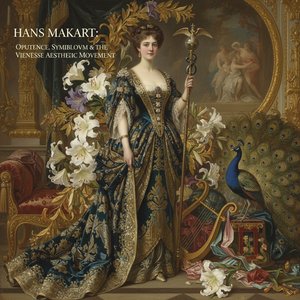
Hans Makart: Opulence, Symbolism & the Viennese Aesthetic Movement
Explore the opulent world of Hans Makart, a pivotal figure in Austrian art history. Discover his influence on Klimt & the Vienna Secession, signature style, and investment potential. Expert insights for collectors.

Барокна драма: Уношење величине и емоција у савремене ентеријере
Откријте барокну драму и унесите величину у ваш ентеријер! OriginalUniqueArt нуди ручно насликане репродукције, персонализоване портрете и стручне консултације за љубитеље класичне уметности. Потражите савршено дело већ данас!

The Visceral Stage: Exploring Dramatic Narratives & Emotional Intensity in Baroque Art
Explore the dramatic world of Baroque art! Discover iconic masters like Caravaggio & Rembrandt, their techniques, and the movement's lasting impact. Expert insights for collectors & enthusiasts at OriginalUniqueArt.

The Dramatic Flourish: Exploring the Baroque Movement's Enduring Legacy in Art History
Explore the dramatic world of Baroque art! Discover iconic artists like Caravaggio & Rubens, defining techniques, and its lasting impact on art history. Expert insights for collectors & enthusiasts at OriginalUniqueArt.