
 Pregledaj u prostoru
 Pošalji
 Podeli
 Detalji o delu
 Vodič
Vodič

 Preuzmi
 Slični predmeti
 Rendgenski snimak
 Automatska prezentacija
 Pitanja i odgovori
 Statistika
Непознато (6565)


 Pročitaj više
Giclee štampa / Umetnički otisak
Giclée štampa ili print na platnu muzejskog kvaliteta uz brzu izradu i raznovrsne opcije završne obrade. ( Kupite ručno oslikano delo Pređi na digitalnu sliku)




P118B дин10

P118H дин10

P118W дин10

P438Z дин10

P508JH дин12

P508YH дин12

P805H дин10

P805Z дин10

P919BZ дин10

P919G дин10

P919XJ дин10

P959ZH дин10

P968JZ дин12

W106C дин8

W218G дин10

W218JH дин8

W218Y дин10

W307PJ дин10

W316G дин10

W316PJ дин8

W316Y дин10

W398PJ дин8

W4111J дин10

W500HY дин15

W500JH дин15

W692G дин12

W849H дин8

W940BG дин15

W953PJ дин8




Izaberite jednu od naših unapred definisanih veličina koje odgovaraju originalnim proporcijama umetničkog dela.

Unesite željenu širinu i visinu kako bi se štampa uklopila u vaš ram ili zid. Štampu je moguće samo iseći, ali nikada povećati iznad dimenzija originalne slike, stoga format sa drugačijim proporcijama uzrokuje gubitak dela slike. Pre početka štampe, poslaćemo vam digitalni prikaz radi potvrde. Slika prikazana na ovoj stranici ne predstavlja stvarni isrez — to pokazuje samo digitalni prikaz.
Dostava širom sveta () za 2 nedelje umesto uobičajenih 4/5 nedelja. (5 новембар)

Besplatna ekspresna dostava širom sveta

Visokokvalitetno laneno platno

Potpuno osiguranje transporta

Garancija povraćaja carine i uvoznih dažbina

Garancija vernosti boja

Politika povraćaja u roku od 100 dana (samo u slučaju nedostataka)

Garancija povrata 100% novca

Popust na više proizvoda
 Opcija sa staklom dostupna je samo za dimenzije manje od 110 cm

Непознато (6565)
Giclee štampa / Umetnički otisak
Dimenzije reprodukcije
-


Ukupna cena
дин 8454
A Study in Intensity: Unraveling the Enigmatic Portrait of Hans Holbein the Younger
Hans Holbein the Younger’s “Untitled (6565)” is not merely a portrait; it's a carefully constructed psychological landscape, a window into the mind of an unknown subject rendered with the artist’s signature precision and unsettling intensity. Painted circa 1530-32 during his time in England, this oil on panel work transcends the conventional depiction of a likeness, instead offering a profound meditation on gaze, time, and perhaps even mortality. The painting immediately commands attention through its stark contrasts – the dark, almost impenetrable background punctuated by the unsettling presence of two clocks, each frozen at a specific moment, creating an immediate sense of arrested time.
The subject himself is presented with remarkable directness. He sits in profile, his features sharply defined, yet subtly ambiguous. The meticulously rendered beard and mustache, hallmarks of Holbein’s style, frame a face etched with a palpable seriousness. His eyes, wide open and intensely focused, meet the viewer's gaze head-on – an act of deliberate confrontation that forces us to confront our own reflection within the painting. This directness is further emphasized by his slightly parted lips, suggesting either speech or contemplation, leaving the viewer perpetually questioning his intentions.
Holbein’s mastery of technique is evident in every detail. The subtle gradations of light and shadow create a remarkable sense of volume and texture, particularly noticeable in the rendering of the subject's clothing – a simple black shirt that serves as a neutral backdrop to highlight his features. The artist’s use of oil paint allows for an unparalleled level of control, enabling him to achieve astonishingly realistic detail while simultaneously conveying a sense of emotional depth. Note the delicate brushstrokes defining the texture of the fabric and the subtle nuances in the subject's skin tone – evidence of Holbein’s painstaking observation and artistic skill.
Beyond its technical brilliance, “Untitled (6565)” is rich in symbolic meaning. The presence of the two clocks is particularly significant. In Renaissance thought, time was often associated with mortality, and the depiction of multiple clocks could be interpreted as a reminder of our fleeting existence. Some scholars suggest that the specific times displayed on the clocks might hold personal significance for the subject or perhaps even allude to a particular event in his life. The dark background, devoid of any identifying features, further contributes to the painting’s enigmatic quality, suggesting a deliberate attempt to strip away extraneous details and focus solely on the essential elements of the portrait – the subject's face and gaze.
Hans Holbein the Younger was a pivotal figure in the Northern Renaissance, renowned for his ability to capture the psychological complexities of his subjects. His portraits were not simply representations of appearance; they were attempts to reveal the inner lives of those depicted. “Untitled (6565)” exemplifies this approach perfectly, offering a compelling and unsettling glimpse into the soul of an unknown man – a testament to Holbein’s genius and enduring legacy. Reproductions of this captivating work, meticulously crafted using traditional techniques and high-quality materials, allow art enthusiasts to experience the profound impact of this remarkable painting firsthand.
The Artist: A Master of Portraiture in the Northern Renaissance
Born in Augsburg, Germany, in 1497, Hans Holbein the Younger emerged from a family steeped in artistic tradition. His father, Hans Holbein the Elder, was a respected painter and printmaker, providing young Hans with an invaluable foundation in technique and observation. This early exposure instilled within him a meticulous approach to detail – a characteristic that would become synonymous with his distinctive style. Holbein’s training initially occurred within his father's workshop, where he honed his skills in various mediums, including oil painting, woodcut, and engraving.
Following his apprenticeship, Holbein embarked on a period of extensive travel throughout Europe, seeking opportunities to refine his craft and establish himself as an independent artist. He spent significant time in Basel, Switzerland, producing a diverse range of works – portraits, religious paintings, and intricate woodcut designs. Notably, he created the famous *Dance of Death* series, a macabre yet captivating depiction of mortality that cemented his reputation as a skilled and imaginative artist. His work during this period demonstrates a growing confidence and experimentation with style.
Holbein’s career took a significant turn when he moved to England in 1532, where he quickly gained the favor of King Henry VIII. He became the court painter for several years, producing iconic portraits of the king and his family – works that continue to be celebrated today. His time in England was marked by both artistic success and political intrigue, as he navigated the complex dynamics of the Tudor court. Despite facing challenges, Holbein’s talent and skill ensured his place among the most influential artists of the era.
Echoes of Time: Symbolism and Technique
The composition of “Untitled (6565)” is a carefully orchestrated interplay of visual elements designed to evoke specific emotions and ideas. The stark contrast between the dark background and the subject’s pale face immediately draws the viewer's attention, creating a sense of dramatic tension. The two clocks, strategically placed within the scene, are not merely decorative; they serve as potent symbols of time, mortality, and perhaps even judgment.
Holbein’s masterful use of oil paint allows for an unparalleled level of detail and nuance. He employs subtle gradations of light and shadow to create a sense of volume and texture, rendering the subject's features with remarkable accuracy. The meticulous attention to detail is particularly evident in the depiction of the subject’s beard and mustache – each strand carefully rendered to convey a sense of realism and character. The artist’s use of atmospheric perspective further enhances the painting’s depth and spatial relationships, creating a convincing illusion of three-dimensionality.
Furthermore, Holbein's choice of profile view is deliberate. This compositional technique was popular during the Renaissance as it allowed for a more intimate and psychologically revealing portrayal of the subject. By presenting the subject in profile, Holbein forces the viewer to confront his gaze directly, creating a sense of connection and engagement.
Owning a Masterpiece: Reproductions and Legacy
OriginalUniqueArt offers meticulously crafted handmade oil painting reproductions of “Untitled (6565)” by Hans Holbein the Younger, allowing art enthusiasts to own a piece of this iconic Renaissance masterpiece. These reproductions are created using traditional techniques – layering thin glazes of oil paint to achieve the same luminous effects as the original – and employ only the finest quality materials for exceptional durability and visual fidelity.
Beyond its aesthetic beauty, “Untitled (6565)” represents a profound exploration of human psychology. It’s a painting that invites contemplation, prompting viewers to consider the nature of time, mortality, and the enigmatic depths of the human soul. Whether you are an art historian, a collector, or simply someone who appreciates exceptional artistry, this reproduction offers a unique opportunity to experience the enduring legacy of Hans Holbein the Younger.
To learn more about the Mauritshuis museum and its collection on OriginalUniqueArt.com
Pitanja i odgovori
Kolika je percepcija osvetljenosti dela „Непознато (6565)”, autor Жан Холбин Млађи?
Sveukupno, "Непознато (6565)" je zabeležen kao duboke senke. Percepcija osvetljenosti opisuje koliko delo deluje svetlo ili tamno.
Koja veličina se preporučuje za "Непознато (6565)" u prostoriji tipa Dnevna soba?
Za Dnevna soba, preporučena veličina štampe dela „Непознато (6565)”, autor Жан Холбин Млађи je Veliki format.
Kako mogu da pronađem dela koja su slična delu „Непознато (6565)”, autor Жан Холбин Млађи?
Radovi slični delu „Непознато (6565)“ možete pronaći na stranici Slična dela ovog umetničkog dela.
Biografija umetnika
Život urezan u detalje: Svet Hansa Holbina Mlađeg
Rođen oko 1497. godine u živopisnom umetničkom centru Augzburgu u Nemačkoj, Hans Holbin Mlađi postaci se kao ključna figura severne renesanse — majstor portretista čiji rad i danas odjekuje zadivljujućim realizmom i psihološkom dubinom. Odgajanje u umetnički nadarenoj porodici postavilo je temelje za njegov izuzetan talenat; njegov otac, Hans Holbin Stari, bio je ugledni slikar i graver koji je mladom Hansu usadio pedantni pristup posmatranju i tehnici. Ovo rano učenje nije se odnosilo samo na savladavanje poteza četkicom ili mešanje pigmenata — radilo se o učenju kako se *vidi*, kako se uhvati ne samo sličnost, već sama suština subjekta. Holbinova početna umetnička istraživanja odvijala su se u očevoj radionici, gde je usavršavao svoje veštine pre nego što je krenuo na putovanje koje će ga voditi kroz Švajcarsku i, konačno, u samo srce engleskog dvora.Od Bazela do Tudorovog dvora: Uspon zvezde
Nakon završetka šegrtovanja, Holbin je intenzivno putovao širom Švajcarske, utvrđujući svoje ime kao nezavisni umetnik sa rastućom reputacijom. Proveo je nekoliko formativnih godina u Bazelu, stvarajući ne samo upečatljive portrete, već i religiozna dela i složene drvorezne — najpoznatije serije koja prikazuje jezivi Ples smrti. Ova rana dela otkrivaju bujanje majstorstvo u kompoziciji i razvijenu fascinaciju hvatanjem složenosti ljudskih emocija. Upravo 1526. godine sudbina je intervenisala, privlačeći Holbina ka Engleskoj, što je bio događaj koji će neopovratno promeniti njegov umetnički put. Došao je sa pismom preporuke od Erasma, čuvenog humaniste, koje mu je otvorilo vrata uticajnim krugovima engleskog društva. Njegov talenat je brzo očarao istaknute ličnosti poput Ser Tomasa Mora, koji je postao i pokrovitelj i model za nekoliko upečatljivih portreta. Ova veza se pokazala presudnom, vodeći do Holbinovog imenovanja za dvorskog slikara kralja Henrika VIII 1536. godine — pozicije koju je zauzimao, uz neke prekide, sve do svoje prerane smrti 1543. godine.Umetnost percepcije: Stil i remek-delca
Holbinov umetnički stil karakteriše izuzetna posvećenost realizmu, postignuta mukotrpnom pažnjom posvećenom detaljima u prikazivanju tekstura, tkanina i suptilnih nijansi crta lica. On nije samo *slikao* portrete; on ih je pedantno konstruisao, sloj po sloj, beležeći ne samo fizički izgled, već i ličnost i unutrašnji život svojih modela. Njegove inovativne kompozicije dodatno su pojačale utisak njegovog rada, često koristeći simbolične predmete ili pozadine kako bi preneli dublje značenje. Delo Ambasadori (1533) stoji kao svedočanstvo ovog pristupa — složen i simbolički bogat dvostruki portret koji prikazuje i Holbinovu tehničku briljantnost i intelektualnu dubinu. Anamorfozna lobanja suptilno ugrađena u sliku služi kao oštro memento mori, podsećajući posmatrače na neizbežnost smrti. Njegovi brojni portreti Henrika VIII uspostavili su trajni imidž Tudorove moći, dok njegov prikaz Erasma Roterdamskog beleži duboki intelektualni autoritet ovog učenjaka. Ostala značajna dela uključuju zadivljujući Portret Nikolasa Kratzera (1528), remek-delo realizma i naučnog detalja.Nasleđe i uticaj: Trajni utisak
Holbinov umetnički put oblikovan je spojem uticaja, spajajući preciznost nemačkih umetničkih tradicija sa kompozicionim principima italijanske renesanse. Divio se radu Albrehta Dürera i drugih nemačkih majstora, dok je istovremeno proučavao italijansku umetnost tokom svojih putovanja, upijajući njihove tehnike i ugrađujući ih u svoj jedinstveni stil. Njegovo nasleđe je duboko; Holbinovi portreti postavili su novi standard za realizam i psihološki uvid u portretnoj slikarstvu, utičući na generacije umetnika koji su došli posle njega. Njegovi prikazi ključnih figura tokom Tudorovog perioda pružaju neprocenjiv uvid u živote i ličnosti onih koji su oblikovali englesku istoriju. On nije samo beležio izgled — on je uhvatio trenutke u vremenu, čuvajući ih za potomstvo. Njegov rad služi kao moćno svedočanstvo neprolazne moći umetnosti da dokumentuje, interpretira i osvetljava prošlost.Poslednji potez četkicom: Istorijski značaj
Hans Holbin Mlađi umro je u Londonu 1543. godine, ostavivši za sobom korpus dela koji i vekovima nakon toga fascinira publiku. Njegovi portreti su više od lepih slika; oni su istorijski dokumenti koji nude uvide u političke intrige, religiozne previranja i kulturološke promene ere Tudora.- Njegovi prikazi Henrika VIII postali su ikonični simboli kraljevske moći.
- Njegova portretura predstavlja prozor u živote istaknutih humanista poput Erasma i Mora.
- Njegova inovativna upotreba simbolizma dodaje slojeve značenja njegovom radu, pozivajući posmatrače na razmišljanje o dubljim temama.

Жан Холбин Млађи
1497 - 1543 , Немачка
Osnovne informacije
- Datum Rođenja: oko 1497.
- Datum Smrti: 1543.
- Mesto Rođenja: Augsburg, Nemačka
- Nacionalnost: Nemačko-švajcarska
- Puno Ime: Hans Holbein Mlađi
- Umetnički Pokret: Severna Renesansa
- Uricali Su Na: ['Kasniji portreti']
- Uticali Na Njega: ['Albrecht Dürer']
- Značajna Dela:
- Poslanici
- Portret Henrika VIII
- Portret Erazma Roterdamskog
- Nikolaus Kratzer
Povezani članci

The Enduring Legacy of Oil on Canvas: Technique, History & Aesthetic Impact
Explore the rich history & techniques of oil painting – from Renaissance masters to Impressionism. Discover pigments, layering methods, and why this timeless medium endures. Expert insights for artists & art enthusiasts.

Oil on Canvas: A Historical & Technical Exploration of a Timeless Artistic Medium
Explore the rich history & enduring techniques of oil painting on canvas. Discover the science behind its longevity, conservation practices, and contemporary relevance. Expert insights for art enthusiasts.

The Enduring Power of Painting: A Historical & Contemporary Exploration of Form and Emotion
Explore the rich history & enduring techniques of oil painting with OriginalUniqueArt. Discover masterpieces, learn about art collecting, and find authentic handmade reproductions crafted by skilled artists.

Hans Holbein the Younger: A Renaissance Portraitist's Mastery of Realism & Psychological Insight
Explore the life & art of Hans Holbein the Younger, a Renaissance master renowned for his strikingly realistic portraits and psychological insight. Discover iconic works like 'The Ambassadors' and delve into his lasting legacy.
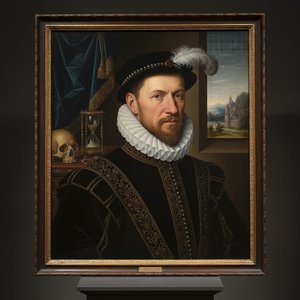
Mastering Detail: The Captivating World of Hans Holbein the Younger’s Northern Renaissance Masterpieces
Explore the breathtaking precision of Hans Holbein the Younger. From Tudor royal portraits to intricate Northern Renaissance details, discover the mastery behind his legendary works and learn how to bring this historical grandeur into your collection with museum-quality reproductions.





![Dupli portret Жана де Динтевила и Жоржа де Села (известен и као Амбасадори) [detalj]](/media/artworks/images-thumb/bb/ab/bbab7ce77b7dd15d23d21114a63b51a4.jpg)


