Pregledaj u prostoru
 Pošalji
 Podeli
 Detalji o delu
 Vodič
Vodič

 Preuzmi
 Slični predmeti
 Rendgenski snimak
 Automatska prezentacija
 Q&A
Q&A Statistika
Barbara и Ханс Шелленбергер

- 41.0 x 28.0 cm


 Pročitaj više
Giclee štampa / Umetnički otisak
Giclée štampa ili print na platnu muzejskog kvaliteta uz brzu izradu i raznovrsne opcije završne obrade. ( Kupite ručno oslikano delo Pređi na digitalnu sliku)




P118B дин10

P118H дин10

P118W дин10

P438Z дин10

P508JH дин12

P508YH дин12

P805H дин10

P805Z дин10

P919BZ дин10

P919G дин10

P919XJ дин10

P959ZH дин10

P968JZ дин12

W106C дин8

W218G дин10

W218JH дин8

W218Y дин10

W307PJ дин10

W316G дин10

W316PJ дин8

W316Y дин10

W398PJ дин8

W4111J дин10

W500HY дин15

W500JH дин15

W692G дин12

W849H дин8

W940BG дин15

W953PJ дин8




Izaberite jednu od naših unapred definisanih veličina koje odgovaraju originalnim proporcijama umetničkog dela.

Unesite željenu širinu i visinu kako bi se štampa uklopila u vaš ram ili zid. Štampu je moguće samo iseći, ali nikada povećati iznad dimenzija originalne slike, stoga format sa drugačijim proporcijama uzrokuje gubitak dela slike. Pre početka štampe, poslaćemo vam digitalni prikaz radi potvrde. Slika prikazana na ovoj stranici ne predstavlja stvarni isrez — to pokazuje samo digitalni prikaz.
Dostava širom sveta () za 2 nedelje umesto uobičajenih 4/5 nedelja. (2 новембар)

Besplatna ekspresna dostava širom sveta

Visokokvalitetno laneno platno

Potpuno osiguranje transporta

Garancija povraćaja carine i uvoznih dažbina

Garancija vernosti boja

Politika povraćaja u roku od 100 dana (samo u slučaju nedostataka)

Garancija povrata 100% novca

Popust na više proizvoda
 Opcija sa staklom dostupna je samo za dimenzije manje od 110 cm

Barbara и Ханс Шелленбергер
Giclee štampa / Umetnički otisak
Dimenzije reprodukcije
-


Ukupna cena
дин 8366
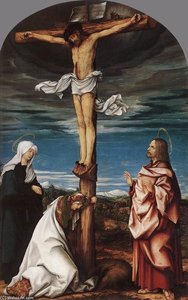
Barbara и Ханс Шелленбергер – Шедевр Ренессансной Портретной Искусства
Барбара и Ханс Шелленбергер, созданный в 1505 году художником Ханом Бургкмайром Старшим, является одним из самых выдающихся произведений немецкого искусства эпохи Возрождения. Этот портрет супружеской пары представляет собой не только мастерское изображение двух людей, но и воплощение эстетических идеалов своего времени.
Ханс Бургкмаир Старший был талантливым художником и гравёром, который работал в стиле позднего Готики и раннего Ренессанса. Он родился в Аугсбурге около 1473 года и получил образование преимущественно благодаря семейным связям с известным живописцем Томасом Бургкмайром, что позволило ему приобрести уникальный опыт работы и знакомства с новыми художественными тенденциями.
В отличие от многих художников своего времени, которые отправлялись в Италию для формального обучения, Бургкмаир приобрел свой стиль благодаря глубокому погружению в идеи, распространяемые через печатные книги и изображения – это был ключевой этап в передаче новых художественных направлений по всей Европе. Он не просто копировал итальянские модели; он активно синтезировал их с традиционными немецкими техниками и сюжетами.
Стиль и Техника: Итальянское Влияние и Немецкая Традиция
Бургкмаир Старший был одним из первых художников, кто сумел объединить элементы итальянского Ренессанса с немецкими художественными традициями. Его работы отличаются использованием техники светотени (Кьяроскуро), которая была особенно популярна в Италии и использовалась для создания глубоких эмоциональных впечатлений от изображения человека. Этот стиль был вдохновлен работами таких мастеров как Леонардо да Винчи и Рафаэль.
Художник мастерски работал с деревом и использованием золотой инкрустации, что является характерной особенностью немецкого искусства того времени. Особое внимание Бургкмайру Старшему уделялось деталям изображения лица и одежды персонажей – он стремился передать не только внешнюю красоту, но и внутренний мир человека.
Символизм и Значение Портрета
Портрет Барбары и Хана Шелленберге является одним из наиболее известных портретов эпохи Возрождения. Использование символов – например, лилии марьины для женщины и глазка для мужчины – указывает на стремление художника выразить идею будущего счастья и благополучия семьи.
Кроме того, композиция картины с двумя колоннами подчеркивает структуру и масштаб изображения, создавая ощущение стабильности и гармонии. Эти элементы отражают общее мировоззрение эпохи Возрождения – веру в разум и порядок, а также стремление к идеальному изображению человека.
Эмоциональное Впечатление и Современное Значение
Барбара и Ханс Шелленбергер продолжает вдохновлять художников и дизайнеров сегодня. Этот портрет является прекрасным примером искусства Ренессанса, который сумел сохранить индивидуальность и эмоциональную глубину благодаря мастерству художника и использованию традиционных художественных техник.
Высококачественная репродукция этой картины может стать отличным украшением интерьера и принести в дом эстетическое наслаждение. Она напоминает о величии человеческого духа и красоте искусства прошлого.
Pitanja i odgovori
Da li "Barbara и Ханс Шелленбергер" prikazuje snažne kontraste svetla i tame?
Nivo kontrasta dela „Barbara и Ханс Шелленбергер”, autor Hans Burgkmair je Upečatljiv.
Kako se opisuje raspoloženje dela „Barbara и Ханс Шелленбергер”, autor Hans Burgkmair?
„Barbara и Ханс Шелленбергер“ odiše Elegancija atmosferom.
Koji su format i dimenzije dela "Barbara и Ханс Шелленбергер"?
Format dela "Barbara и Ханс Шелленбергер" je Pejzažni format, a originalne dimenzije iznose 41 x 28 cm. Obe informacije su korisne prilikom planiranja reprodukcije.
Biografija umetnika
Hans Burgkmair the Elder: Bridging Renaissance Italy and German Tradition
Born in Augsburg, Germany, around 1473, Hans Burgkmair the Elder emerged as a pivotal figure in the transition between late Gothic and early Renaissance art. His life coincided with a period of intense artistic exchange between Northern Europe and Italy, and he skillfully absorbed the innovations of the Italian Renaissance while retaining a distinctly German sensibility. Unlike many artists who traveled to Italy for formal training, Burgkmair’s influence stemmed from his deep engagement with the ideas circulating through printed books and images – a crucial development in disseminating new artistic trends across Europe. He wasn't merely copying Italian models; he was actively synthesizing them with established Northern European techniques and subject matter.
His early career began as an apprentice to his father, Thomas Burgkmair, a respected painter in Strasbourg. This familial connection provided him with a solid foundation in traditional German painting styles. However, it was his time working under Martin Schongauer in Colmar that truly ignited his artistic development. Schongauer’s mastery of detail and use of oil paint—techniques still relatively novel at the time—profoundly impacted Burgkmair's approach to rendering form and texture. Following Schongauer’s death, Burgkmair continued his training in Augsburg, absorbing further influences from the burgeoning artistic scene.
The Rise of a Master: Woodcuts and Frescoes
Burgkmair quickly established himself as a highly sought-after artist, specializing primarily in woodcut and fresco. His woodcuts, numbering around 700, are particularly significant for their innovative use of chiaroscuro – the dramatic interplay of light and shadow achieved through multiple blocks inked with varying tones. This technique, pioneered by Burgkmair, moved beyond the traditional single-block method and allowed him to create a remarkable sense of depth and volume, mimicking the effects of oil painting. His most celebrated woodcut series is undoubtedly the “Triumphs of Maximilian,” commissioned by Emperor Maximilian I to commemorate his victories and solidify his imperial authority. These prints are not merely decorative; they’re complex allegorical narratives filled with symbolism and meticulously rendered details.
Beyond woodcuts, Burgkmair was a skilled fresco painter. He is credited with decorating the facade of the Fugger residence in Augsburg – a landmark building that exemplifies the early Italian Renaissance style in Germany. Sadly, these frescoes have been lost to history, leaving behind only tantalizing descriptions and fragments of their grandeur. His work on the Munich and Vienna facades offers valuable insights into his fresco technique and stylistic choices.
Influences and Artistic Style
Burgkmair’s artistic style is a fascinating blend of Northern European tradition and Italian Renaissance ideals. He retained the meticulous detail and realism characteristic of German painting, but he also embraced the Italian emphasis on perspective, proportion, and classical motifs. The influence of Giorgione, a Venetian painter known for his atmospheric landscapes and poetic compositions, is particularly evident in Burgkmair’s work. Giorgione's use of muted colors and evocative scenes clearly resonated with Burgkmair, who sought to capture the mood and atmosphere of his subjects rather than simply depicting them realistically.
His son, Hans Burgkmair the Younger, continued his father’s legacy, collaborating on the “Turnierbuch,” a lavish illustrated tournament book. This collaborative effort further cemented the family's reputation as leading artists of their time and demonstrated the transmission of artistic knowledge from one generation to the next.
Legacy and Historical Significance
Hans Burgkmair the Elder’s contribution to art history is immense. He was among the first German artists to genuinely engage with the innovations of the Italian Renaissance, adapting them to his own cultural context and developing a unique artistic style. His pioneering use of chiaroscuro in woodcuts revolutionized printmaking techniques, paving the way for future generations of artists. Furthermore, he played a crucial role in introducing Renaissance ideas to Northern Europe through his prints and frescoes, contributing significantly to the broader dissemination of artistic knowledge during a period of rapid cultural change. He stands as a testament to the dynamic interplay between tradition and innovation that characterized the early Renaissance era.

Hans Burgkmair
1473 - 1531 , Germany
Osnovne informacije
- Full Name: Hans Burgkmair the Elder
- Nationality: German
- Date Of Birth: 1473
- Date Of Death: 1531
- Place Of Birth: Augsburg, Germany
- Notable Artworks:
- Triumphs of Maximilian
- Turnierbuch
- Lovers Surprised by Death
- Artistic Movement Or Style: Italian Renaissance
- Artists Who Influenced This Artist:
- Giovanni Bellini
- Giorgione
- Artists Or Movements Influenced By This Artist: ['Hans Burgkmair the Younger']
Povezani članci
Hans Baldung Grien: A Renaissance Master of Allegory, Innovation & the Grotesque
Explore the captivating world of Hans Baldung Grien, a Renaissance master renowned for his allegorical paintings, striking woodcuts & unique depictions of mythology and the grotesque. Discover his life, works & legacy with OriginalUniqueArt.
The Northern Awakening: Artistic Innovation & Cultural Transformation in the German Renaissance
Explore the artistic innovation of the German Renaissance! Discover Dürer, the Danube School & Reformation art. Learn about techniques, materials & lasting influence. Find museum-quality reproductions at OriginalUniqueArt.

Hans Holbein the Younger: A Renaissance Portraitist's Mastery of Realism & Psychological Insight
Explore the life & art of Hans Holbein the Younger, a Renaissance master renowned for his strikingly realistic portraits and psychological insight. Discover iconic works like 'The Ambassadors' and delve into his lasting legacy.

Anton von Werner: Imperial Painter, Historical Witness & Shifting German Identity
Explore the life & work of Anton von Werner, Imperial Germany's leading painter. Discover his dramatic depictions of war, unification, and court life – a fascinating insight into 19th-century German history & art.

German Expressionism's 10 Defining Masterpieces | Art for Your Home
Explore 10 defining German Expressionism masterpieces – from Munch's 'The Scream' to Kandinsky’s abstracts. Discover the artists, stories & bold colors behind this powerful art movement. Find museum-quality reproductions at OriginalUniqueArt.com.