
 Pregledaj u prostoru
 Podeli
 Podeli
 Detalji
 Vodič
Vodič

 Preuzmi sliku
 Slični predmeti
 Rendgenski snimak
 Automatska prezentacija
 Statistika
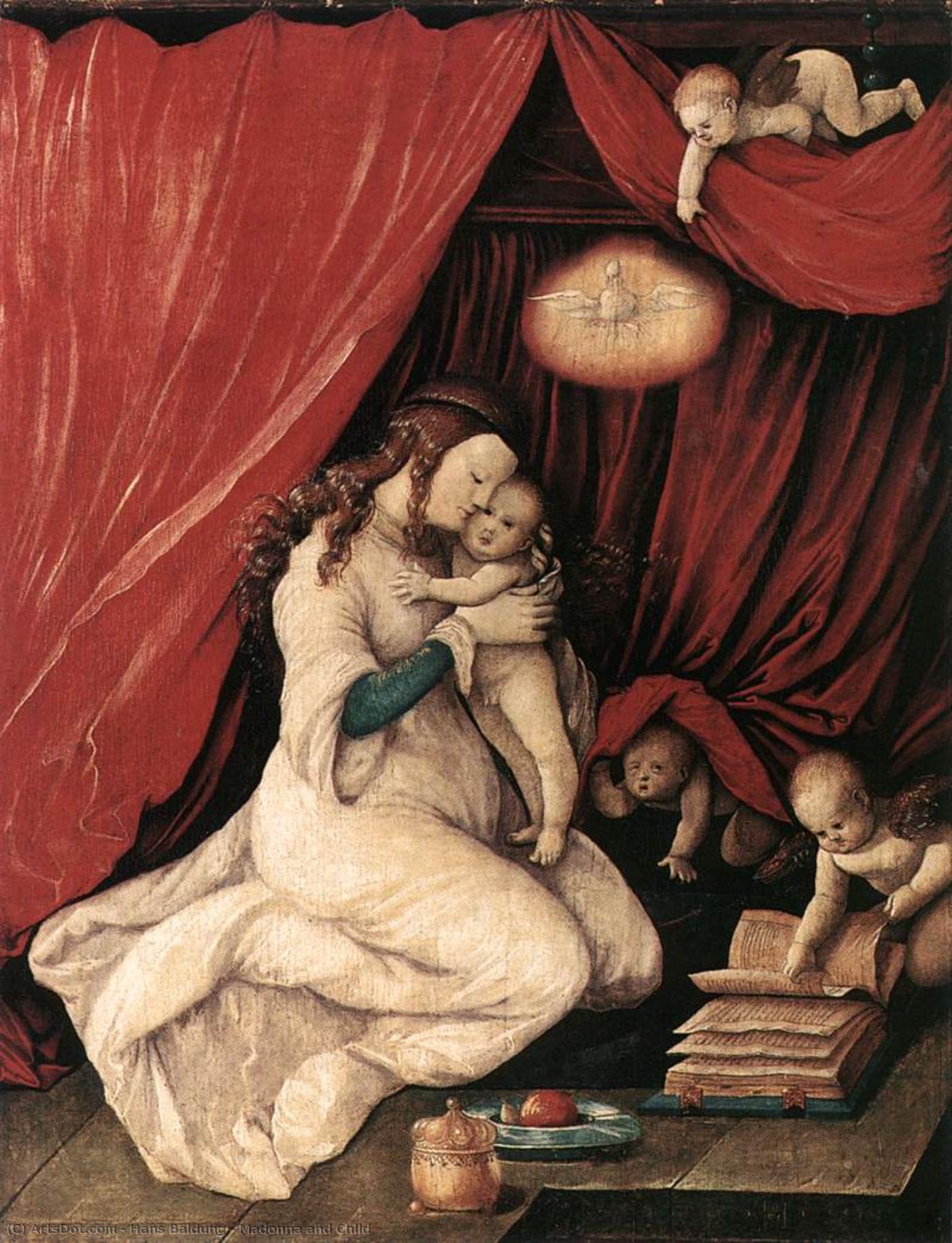
Madonna and Child
 Oil On Panel
- WallArt
- Northern Renaissance
 1516
1516- Renaissance
 37.0 x 48.0 cm
 Germanisches Nationalmuseum
 Pročitaj više
Giclee štampa / Umetnički otisak
Giclée štampa ili print na platnu muzejskog kvaliteta uz brzu izradu i raznovrsne opcije završne obrade. ( Naručite ručno oslikano reprodukciju Pređi na prodaju digitalnih slika)




P118B дин10

P118H дин10

P118W дин10

P438Z дин10

P508JH дин12

P508YH дин12

P805H дин10

P805Z дин10

P919BZ дин10

P919G дин10

P919XJ дин10

P959ZH дин10

P968JZ дин12

W106C дин8

W218G дин10

W218JH дин8

W218Y дин10

W307PJ дин10

W316G дин10

W316PJ дин8

W316Y дин10

W398PJ дин8

W4111J дин10

W500HY дин15

W500JH дин15

W692G дин12

W849H дин8

W940BG дин15

W953PJ дин8




Izaberite jednu od naših unapred definisanih veličina koje odgovaraju originalnim proporcijama umetničkog dela.

Unesite širinu i visinu koja vam je potrebna, kako bi se uklopili u vaš ram ili na vaš zid. Štampa se može samo iseći, nikada ne može biti veća od originalne slike, stoga format sa drugačijim proporcijama gubi deo slike. Poslaćemo vam digitalni prikaz radi potvrde pre nego što započnemo štampu. Slika prikazana na ovoj stranici ne pokazuje stvarni rez — to pokazuje samo digitalni prikaz.
Dostava širom sveta () za 2 nedelje umesto uobičajenih 4/5 nedelja. (26 октобар)

Besplatna ekspresna dostava širom sveta

Visokokvalitetno laneno platno

Sveobuhvatno osiguranje transporta

Garancija povraćaja carine i uvoznih dažbina

Garancija vernosti boja i autentičnosti pri reprodukciji

Politika povraćaja u roku od 100 dana (samo u slučaju nedostataka)

Garancija povrata 100% novca

Popust pri većoj količini
 Opcija sa staklom dostupna je samo za dimenzije manje od 110 cm

Madonna and Child
Giclee štampa / Umetnički otisak
Veličina reprodukcije
-


Ukupna cena
дин 8249
A Tender Encounter in the Heart of Bavaria
In the quiet, luminous depths of Hans Baldung Grien’s 1516 masterpiece, Madonna and Child, we encounter more than a mere religious icon; we enter a profound meditation on the sanctity of life and the vulnerability of love. Set against the backdrop of the burgeoning High Renaissance in Bavaria, this painting serves as a breathtaking bridge between the structured traditions of the Northern German Gothic and the expressive, psychological complexities of the emerging Mannerist movement. The scene is one of intimate devotion, where the Virgin Mary cradles her infant son with a tenderness that feels startlingly human. Unlike the distant, idealized figures often found in contemporary Italian works, Baldung presents a Mary whose presence is palpable, her maternal instinct rendered with an emotional resonance that transcends the boundaries of time and medium.
The composition draws the viewer into a nurturing sanctuary, where the central figures are surrounded by a soft, atmospheric warmth. As one gazes upon the painting, the eye is led through a delicate arrangement of figures—other children linger near the mother, their presence adding layers of familial depth to the divine narrative. Small, symbolic details are woven into the fabric of the scene, such as the subtle placement of an apple or a book, which serve as quiet reminders of the theological weight carried by the Christ child. These elements do not merely decorate; they anchor the spiritual significance of the moment, inviting collectors and enthusiasts to contemplate the intersection of the earthly and the divine.
Mastery of Light and Texture
Technically, Baldung’s work is a triumph of oil on panel, showcasing a level of meticulous craftsmanship that remains awe-inspiring centuries later. The artist utilized sophisticated layering and glazing techniques to achieve a remarkable luminosity, allowing light to seem as though it is emanating from within the skin of the holy figures themselves. This brilliance is particularly evident in the rendering of Mary’s drapery, where intricate folds and deep shadows create a sense of weight, movement, and tactile richness. The use of chiaroscuro—the dramatic interplay between light and shadow—is employed not just for structural depth, but to heighten the emotional impact of the scene, casting a soft glow upon the serene expression of the infant Jesus.
For the discerning interior designer or art lover, this painting offers an unparalleled sense of prestige and soulful elegance. The way Baldung manipulates texture—from the softness of a child's cheek to the heavy, woven quality of liturgical cloth—provides a visual feast that commands attention in any curated space. A high-quality reproduction of this work brings with it a sense of historical gravity and an atmosphere of peace, making it an ideal centerpiece for those seeking to infuse their surroundings with classical beauty and intellectual depth.
A Legacy of Expression and Emotion
To understand this painting is to understand the unique spirit of Hans Baldung Grien, an artist who dared to move beyond the polished perfection of his peers to embrace a more expressive, sometimes unsettling, psychological truth. His ability to blend the meticulous detail of the Northern tradition with the dramatic tension of Mannerism creates a work that is both comforting and deeply moving. The Madonna and Child stands as a testament to a period of immense cultural transformation, capturing the very essence of humanist thought through the lens of maternal grace.
Whether viewed as a historical artifact or a stunning piece of decorative art, the painting continues to resonate with its ability to evoke empathy. It invites the viewer to pause, to breathe, and to reconnect with the universal themes of protection, faith, and the enduring bond between parent and child. Owning a reproduction of such a significant work is not merely an acquisition of decor; it is an invitation to live alongside a masterpiece that celebrates the most profound aspects of the human experience.
Pitanja i odgovori
Koliko su intenzivne boje dela "Madonna and Child"?
Boja dela "Madonna and Child" ima Balanced Soft zasićenost i Balanced intenzitet.
Da li su boje dela "Madonna and Child" jake ili nežne?
„Madonna and Child”, Hans Baldung Grien prikazuje Balanced intenzitet boja.
Koja boja dominira kompozicijom dela „Madonna and Child”, Hans Baldung Grien?
Boja koja najviše izdvaja se u delu "Madonna and Child" je Phthalo Green (#1d1713). Dominantna boja je korisna pri uklapanju umetničkog dela u enterijer.
Biografija umetnika
Загаоничaн Швабски Мајстор: Живот и рани утицаји Ханса Балдунга Гриена
Рођен око 1485. године у слободном царском граду Швабиш Гмунду, смештеном међу брдима Баварске, Ханс Балдунг – вечно запамћен као Ханс Балдунг Гриен због његове склоности да носи зелену одећу – изашао је из неочекивано ученог порекла. За разлику од многих ренесансних уметника који су следили породичне занате, Балдунг је био први мушкарац у генерацијама коме није било предодређено да студира на универзитету. Њгов отац, Јохан Балдунг, поштовани правник који је служио Бискупији Стразбур, за свог сина је такође замислио сличну каријеру. Ипак, млади Ханс је изабрао четку и бургин, крећући се на уметничком путу који ће га издвојити као једну од најкарактеристичнијих и загонетних фигура немачке ренесансе. Ова одлука није била одбацивање његовог васпитања, већ преусмерење интелектуалне радозналости – карактеристика која је проткала цело његово дело.
Његова рана обука започела је око 1500. године у Горњем Рајну са уметником из Стразбура, постављајући основу за његове техничке вештине пре него што је потражио познатије мајсторе да усаврши свој занат. Ова почетна фаза уградила му је темеље цртања и композиције, припремајући га за ригорозно уметничко окружење које га је чекало у Нирнбергу.
Под крилом Дирера: Ковање индивидуалног стила
Преломни тренутак у Балдунговом развоју дошао је 1503. године када је постао ученик Албрехта Дирера у Нирнбергу. Овај период се показао дубоко обликујућим, излажући га прецизним детаљима, интелектуалној строгости и иновативним техникама графике које су дефинисале Диреров стил. Два уметника су развили близак однос; Балдунг је чак управљао Диреровом радионицом током мајсторовог боравка у Венецији. Међутим, иако је био дубоко под утицајем Дирера – евидентно у раним делима која показују прецизно цртање и северни реализам – Балдунг је брзо почео да кова свој властити уметнички идентитет. Упијао је лекције ренесансних мајстора, али их је обогатио јединственом немачком осетљивошћу, карактерисаном изражајним бојама, маштовитим композицијама и све растућом узнемирујућом психолошком дубином. Ова дивергенција од Диреровог класичнијег приступа постала је обележје зрелог стила Балдунга.
Његово време у Венецији, надгледање Дирерових послова, изложило га је и растућој италијанској ренесансној уметничкој сцени, проширујући његов уметнички хоризонт и суптилно утичући на његову палету и композиционе изборе. Вратио се из Италије са повећаним осећајем боје и вољом да експериментише са просторним аранжманима који су га издвојили од његових савременика.
Мајстор многих медија: Теме и технике
Ханс Балдунг Гриен био је уметник изузетне свестраности, вешт у сликању, графици – посебно дрворезу и гравури – цртању, дизајну тапетарија и чак раду на витражима. Његове слике често садрже дела малог формата препуна загонетних алегорија и митолошких наратива, рендерованих живописном палетом и карактеристичним осећајем просторне двосмислености. Одликовао се у портретисању, хватајући ликове својих покровитеља са реализмом и психолошком увидом. Међутим, за његове дрворезе је најпознатији данас. Ови отисци карактеришу драматичне композиције, сложени детаљи и често макабрична тема. Поновна тема у целом његовом раду је фасцинација вештичарењем, смрћу и натприродним – одраз анксиозности и уверења које су преовладавале у Немачкој у 16. веку.
Његови приказ вештица су посебно запањујући, приказујући их не као стереотипне бабе већ као сложене, чак и заводљиве фигуре, које оличавају страх и фасцинацију. Очарани младожења, на пример, је језиво емотивно дело које обухвата ову преокупацију тамнијом страни човековог искуства. Балдунгова техника у дрворезу била је мајсторска; искористио је способност медија за оштре контрасте и сложене детаље да створи слике које су биле визуелно запањујуће и психолошки узнемирујуће.
Реформаторски струјања и трајно наслеђе
Балдунгова каријера се одвијала у периоду огромних религиозних и политичких потреса, обележеном успоном протестантске реформе. Иако није био отворено повезан са било којом фракцијом, његов рад често одражава променљив духовни пејзаж Немачке. Његов монументални главни олтар за град Минстер, завршен 1531. године, сведочи о овој ангажованости, показујући подршку реформаторском покрету кроз своју иконографију и стилске изборе.
Године 1545. Балдунг је умро у Стразбуру, оставивши за собом корпус дела који наставља да очарава и интригира гледаоце данас. Његов утицај се види у делима каснијих немачких уметника, а његова јединствена комбинација ренесансне технике, северног експресионизма и алегоријске сложености обезбеђује му место као значајне фигуре у историји уметности. Остаје уметник чији рад позива на размишљање, изазивајући нас да се суочимо са тамнијим аспектима људске природе и мистеријама невидљивог света. Његово истраживање тема као што су вештичарење и смртност наставља да одјекује код савремене публике, чинећи га безвременском и убедљивом фигуром у пантеону ренесансних мајстора.
Музеји и збирке
Балдунгова дела се могу наћи у познатим музејима широм Европе и Северне Америке:
- Gemäldegalerie Alte Meister, Дрезден, Немачка: Овај реномирани музеј поседује значајну збирку европског сликарства из 15. до 18. века, пружајући драгоцен контекст за разумевање Балдунговог уметничког миљеа.
- National Gallery of Art, Вашингтон Д.Ц.: НГА

Hans Baldung Grien
1485 - 1545 , Немачка
Brzi pregled
- Artistic Movement Or Style: Renesansa, Manirizam
- Artists Or Movements Influenced By This Artist: Kasniji nemački umetnici
- Artists Who Influenced This Artist: ['Albrecht Dürer']
- Date Of Birth: oko 1485.
- Date Of Death: 1545.
- Full Name: Hans Baldung Grien
- Nationality: Nemac
- Notable Artworks (List Of Titles):
- Očarani mladoženja
- Alegorija smrti i lepote
- Place Of Birth (City And Country): Schwäbisch Gmünd, Nemačka
Srodni članci
Hans Baldung Grien: A Renaissance Master of Allegory, Innovation & the Grotesque
Explore the captivating world of Hans Baldung Grien, a Renaissance master renowned for his allegorical paintings, striking woodcuts & unique depictions of mythology and the grotesque. Discover his life, works & legacy with OriginalUniqueArt.
The Northern Awakening: Artistic Innovation & Cultural Transformation in the German Renaissance
Explore the artistic innovation of the German Renaissance! Discover Dürer, the Danube School & Reformation art. Learn about techniques, materials & lasting influence. Find museum-quality reproductions at OriginalUniqueArt.
Divine Love: A Curated Guide to the Most Iconic Madonna and Child Masterpieces in Art History
Embark on a sophisticated journey through art history with our curated guide to the most iconic Madonna and Child masterpieces. Discover the profound beauty, theological depth, and enduring legacy of these sacred Renaissance treasures.

German Expressionism's 10 Defining Masterpieces | Art for Your Home
Explore 10 defining German Expressionism masterpieces – from Munch's 'The Scream' to Kandinsky’s abstracts. Discover the artists, stories & bold colors behind this powerful art movement. Find museum-quality reproductions at OriginalUniqueArt.com.
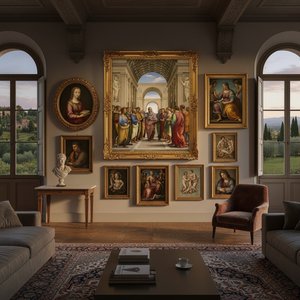
Rafaela Sanzio: 25 Remek-dela Renesansnog Majstora za Vaš Dom | OriginalUniqueArt
Uronite u svet Rafaela Sanzija! Otkrijte 25 remek-dela renesansnog umetnika, od Madona do fresaka Vatikana. Inspiracija za dekoraciju enterijera i kupovina reprodukcija slika visoke rezolucije na OriginalUniqueArt.com.
