

 Pregledaj u prostoru
 Podeli
 Podeli
 Detalji
 Guide
Guide

 Preuzmi sliku
 Slični predmeti
 Rendgenski snimak
 Automatska prezentacija
 Statistika
An Oriental Man With A Copper Bowl

 Pročitaj više
Ručno rađena uljana reprodukcija
Ručno oslikano uljanim bojama na platnu u dimenzijama i okviru po vašem izboru, izrađeno po porudžbini od strane naših umetnika. ( Pređi na prodaju štampanih primeraka Pređi na prodaju digitalnih slika)




































Izaberite jednu od naših unapred definisanih veličina koje odgovaraju originalnim proporcijama umetničkog dela.

Možete uneti sopstvene dimenzije kako biste prilagodili umetničko delo određenom okviru ili prostoru. Ako odabrana veličina ne odgovara proporcijama originala, slika će biti isečena ili proširena dodatnim elementima koji se ručno oslikavaju. Digitalni prikaz će vam biti poslat na odobrenje pre početka proizvodnje.
Imajte na umu da pregled na ekranu ne odražava stvarno prisecanje ili proširenje. Samo mockup će precizno prikazati konačnu kompoziciju.
Iako su dostupne prilagođene veličine, preporučujemo da izaberete dimenziju iz unapred definisane liste kako biste sačuvali originalne proporcije.
Nakon narudžbine, tim OriginalUniqueArt.com će klijentu putem e-pošte poslati uputstva i dostaviti prikaz predloženog rešenja
Svetska isporuka () za 3/4 nedelje umesto uobičajenih 5 nedelja. (20 септембар). Bez kompromisa po pitanju kvaliteta.

Besplatna ekspresna dostava širom sveta

Visokokvalitetno laneno platno

Sveobuhvatno osiguranje transporta

Garancija povraćaja carine i uvoznih dažbina

Garancija vernosti boja i autentičnosti pri reprodukciji

Politika povraćaja u roku od 100 dana (samo u slučaju nedostataka)

Garancija povrata 100% novca

Popust pri većoj količini
 Opcija sa staklom dostupna je samo za dimenzije manje od 110 cm

An Oriental Man With A Copper Bowl
Tehnika izrade reprodukcije
Veličina reprodukcije
-


Ukupna cena
$ 300
Biografija umetnika
Gyula Tornai: Life and Legacy
Early Life and Education
- Born: 1861 in Görgö, Hungary (now Spišský Hrhov, Slovakia).
- Gyula Tornai received his foundational art education at prestigious academies in Vienna and Munich.
- He further honed his skills under the guidance of Hans Makart and Gyula Benczúr at Benczúr's Studios in Budapest. This period significantly shaped his early artistic style.
- His initial works focused on popular, everyday themes, reflecting a traditional approach to genre painting.
Artistic Development and Influences
- Early Style: Tornai’s early paintings were heavily influenced by Hans Makart's style – known as “Makartstil” in German – characterized by opulent detail and dramatic compositions.
- Shift to Orientalism: Travel played a crucial role in his artistic evolution. Journeys to Spain, Algeria, and particularly Morocco sparked a profound shift towards Orientalist themes.
- He spent ten years immersed in North African culture, including a year living in Tangiers (1890-1891), which deeply informed his depictions of street life, merchants, musicians, and harem scenes.
Travels to the Far East and Patronage
- Expanding Horizons: In 1905, Tornai embarked on a transformative journey to the Far East, extending his Orientalist interests to India and Japan.
- Count Okuma’s Patronage: Upon arriving in Japan, he painted a portrait of Count Okuma, the former Prime Minister, who became a significant patron. This patronage granted Tornai unprecedented access to Japanese society and culture.
- This unique position allowed him to explore Buddhism and Shintoism in depth, enriching his artistic understanding and representation of Japanese life.
- Notable Works from Japan: During his 16-month stay, he created paintings such as “A Japanese Princess Going to Church,” “Geisha,” “The Geisha House,” and “The Samurai Warrior.”
Recognition and Major Achievements
- Exposition Universelle (1900): Tornai achieved international acclaim at the Exposition Universelle in Paris, winning a bronze medal for his work.
- Exhibitions: His paintings were exhibited in Paris and London (1907), Budapest’s Műcsarnok (1909), and the National Salon (1917).
- Posthumous Exhibition (1929): An exhibition of his legacies was organized by an auction hall following his death.
- Critical Reception: Contemporary critics praised his works for their vibrant colors, appreciation of Eastern aesthetics, irony, humor and wit. His painting “The Connoisseurs” is a prime example of this unique approach.
Historical Significance and Legacy
- Orientalist Contribution: Gyula Tornai’s work significantly contributed to the Orientalist movement, offering fresh perspectives on Eastern cultures through a European lens.
- Hungarian National Gallery: Several of his paintings are now held in the Hungarian National Gallery, solidifying his place in Hungarian art history.
- Unique Perspective: Tornai’s ability to blend exotic themes with humor and insightful observations set him apart from other Orientalist painters. He didn't merely depict the East; he offered a nuanced commentary on it.
- Death: Gyula Tornai passed away in 1928, leaving behind a rich artistic legacy that continues to captivate audiences today.

Gyula Tornai
1861 - 1928 , Hungary
Brzi pregled
- Birth_Date: 1861
- Birth_Place: Görgö, Hungary
- Death_Date: 1928
- Influenced_By: Hans Makart, Gyula Benczúr
- Movement: Orientalism
- Name: Gyula Tornai
- Nationality: Hungarian
- Notable_Works:
- An Arms Merchant in Tangiers
- The Connoisseurs
- The Water-Pipe Smoker
- A Musical Afternoon
Srodni članci

Trajnu Ostavština Uljanih Boja na Platnu: Tehnika, Istorija i Savremena Praksa
Istražite bogatu istoriju i savremene tehnike uljanog slikarstva. Saveti stručnjaka, analiza radova velikih majstora i vodiči za biranje kvalitetnih materijala. Otkrijte tajne očuvanja umetničkih dela!

The Enduring Legacy of Oil on Canvas: Technique, History & Aesthetic Impact
Explore the rich history & techniques of oil painting – from Renaissance masters to Impressionism. Discover pigments, layering methods, and why this timeless medium endures. Expert insights for artists & art enthusiasts.
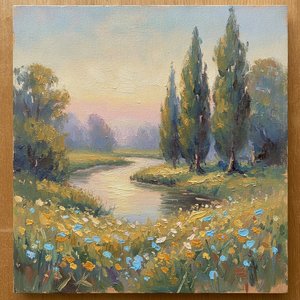
The Timeless Charm of Oil on Board: Reimagining Texture and Light through the Impressionist Lens
Discover the profound intimacy of oil on panel. Explore how Impressionist masters used rigid supports to capture light, texture, and impasto depth through exquisite, handmade oil reproductions for discerning collectors.

The Enduring Power of Painting: A Historical & Contemporary Exploration of Form and Emotion
Explore the rich history & enduring techniques of oil painting with OriginalUniqueArt. Discover masterpieces, learn about art collecting, and find authentic handmade reproductions crafted by skilled artists.

Oil on Canvas: A Historical & Technical Exploration of a Timeless Artistic Medium
Explore the rich history & enduring techniques of oil painting on canvas. Discover the science behind its longevity, conservation practices, and contemporary relevance. Expert insights for art enthusiasts.