

 Pregledaj u prostoru
 Podeli
 Podeli
 Detalji
 Vodič
Vodič

 Preuzmi sliku
 Slični predmeti
 Rendgenski snimak
 Automatska prezentacija
 Statistika
Veslez


 Pročitaj više
Giclee štampa / Umetnički otisak
Giclée štampa ili print na platnu muzejskog kvaliteta uz brzu izradu i raznovrsne opcije završne obrade. ( Naručite ručno oslikano reprodukciju Pređi na prodaju digitalnih slika)




































Izaberite jednu od naših unapred definisanih veličina koje odgovaraju originalnim proporcijama umetničkog dela.

Unesite širinu i visinu koja vam je potrebna, kako bi se uklopili u vaš ram ili na vaš zid. Štampa se može samo iseći, nikada ne može biti veća od originalne slike, stoga format sa drugačijim proporcijama gubi deo slike. Poslaćemo vam digitalni prikaz radi potvrde pre nego što započnemo štampu. Slika prikazana na ovoj stranici ne pokazuje stvarni rez — to pokazuje samo digitalni prikaz.
Dostava širom sveta () za 2 nedelje umesto uobičajenih 4/5 nedelja. (26 октобар)

Besplatna ekspresna dostava širom sveta

Visokokvalitetno laneno platno

Sveobuhvatno osiguranje transporta

Garancija povraćaja carine i uvoznih dažbina

Garancija vernosti boja i autentičnosti pri reprodukciji

Politika povraćaja u roku od 100 dana (samo u slučaju nedostataka)

Garancija povrata 100% novca

Popust pri većoj količini
 Opcija sa staklom dostupna je samo za dimenzije manje od 110 cm

Veslez
Giclee štampa / Umetnički otisak
Veličina reprodukcije
-


Ukupna cena
дин 8248
A Glimpse of Rural Tranquility: "Veslez" by Gustave Loiseau
This charming painting, titled "Veslez," offers a serene glimpse into early 20th-century French countryside life. Painted in 1906, the artwork depicts a picturesque white house with a distinctive red roof nestled amongst lush trees and verdant grass. Two figures are subtly integrated into the scene – one positioned to the left and another near the center – adding a touch of human presence without disrupting the overall sense of peaceful solitude. The composition is carefully balanced, drawing the viewer's eye towards the central focal point: the inviting home, radiating warmth and domesticity.Post-Impressionist Style & Technique
"Veslez" exemplifies Gustave Loiseau’s signature Post-Impressionist style. While initially experimenting with Pointillism, Loiseau developed a unique approach characterized by his distinctive "cross-hatching" technique. This involved layering short, intersecting strokes of color to create texture and vibrancy. Observe how the artist uses this method to render the foliage, giving it a lively, almost shimmering quality. The application of paint isn't smooth; instead, the visible brushstrokes contribute to the painting’s dynamic energy and capture the fleeting effects of light on the landscape. This technique moves beyond mere representation, imbuing the scene with an emotional resonance that is characteristic of Post-Impressionism.Historical Context & Location
The title "Veslez" likely refers to Vesuzé, a commune in Essonne, just south of Paris. Loiseau frequently painted scenes from this region and others near Paris, capturing the changing landscapes and rural life that were increasingly valued as escapes from the rapidly industrializing urban centers. The painting reflects a growing appreciation for the beauty of the French countryside during the Belle Époque (roughly 1871-1914), a period marked by optimism, artistic innovation, and a renewed interest in nature. The depiction of a comfortable home suggests an idealized vision of rural living – one that resonated with many at the time.Emotional Impact & Symbolism
Beyond its aesthetic appeal, "Veslez" evokes a sense of tranquility and nostalgia. The bright colors—the white house against the red roof, contrasted by the greens of the surrounding landscape—create a visually pleasing harmony that is inherently calming. The presence of the figures suggests a simple, contented life lived in harmony with nature. While subtle, the painting hints at themes of home, family, and the enduring beauty of the French countryside – values that continue to resonate today. It’s an invitation to pause, reflect, and appreciate the quiet joys of everyday existence.Why Choose a Reproduction?
A hand-painted reproduction of "Veslez" offers a unique opportunity to bring this captivating scene into your own space. Whether you're an art enthusiast, a collector seeking to expand their repertoire, or an interior designer looking for a touch of French charm, our reproductions capture the essence and beauty of Loiseau’s original work with remarkable fidelity. Experience the emotional impact and visual delight of "Veslez" in your home – a timeless piece that will inspire and uplift for years to come.Pitanja i odgovori
Odakle dolaze posetioci dela „Veslez”, Густав Лоизоу?
Postoji Statistika stranica za „Veslez“. Ona prikazuje mesečne posete ovom umetničkom delu i drugim delima ovog umetnika, uz detaljnu analizu po državama i jezicima.
Koje motive se pojavljuju u delu „Veslez”, Густав Лоизоу?
„Veslez”, Густав Лоизоу prikazuje: landscape, countryside, house, figures, trees, rural, parisian, daytime.
Koliko svetlosti se čini da boje dela "Veslez" reflektuju?
„Veslez”, Густав Лоизоу ima luminancu od Gentle Luminance. Luminanca opisuje koliko se čini da boje reflektuju svetlosti.
Biografija umetnika
A Parisian Vision: The Life and Art of Gustave Loiseau
Gustave Loiseau, a name perhaps less immediately recognized than some of his Post-Impressionist contemporaries, nevertheless occupies a significant place in the story of French painting at the turn of the 20th century. Born in Paris on October 3rd, 1865, and passing away there on October 10th, 1935, Loiseau’s life was deeply intertwined with the evolving artistic landscape of his city and the broader currents of modernism. His journey began not within the hallowed halls of an art academy—though he briefly attended the École des arts décoratifs—but amidst the practical world of his parents' butcher shop. This early exposure to everyday Parisian life, coupled with a subsequent apprenticeship with a family friend who was a decorator, would profoundly shape his artistic sensibilities. It instilled in him a keen observation of the city’s rhythms and textures, a fascination that would become central to his oeuvre. A modest inheritance from his grandmother proved pivotal, allowing Loiseau to dedicate himself fully to painting in 1887, though his formal training was cut short by a disagreement with a teacher—a testament to his independent spirit.From Brittany to ‘En Treillis’: The Development of a Unique Style
Loiseau’s artistic development wasn't immediate or straightforward. He initially experimented with Pointillism, the meticulous technique championed by Georges Seurat and Paul Signac, attempting to capture light and color through tiny dots of pigment—a method that seemed too restrictive for his burgeoning vision. However, he swiftly abandoned this approach, recognizing its inability to convey the emotional depth he sought. A transformative encounter occurred during his first visit to Pont-Aven in Brittany in 1890. This artist colony, already celebrated as a sanctuary for those rejecting academic conventions—particularly Paul Gauguin and Émile Bernard—presented Loiseau with fresh perspectives on color, form, and the expressive potential of landscape. He didn’t simply emulate their stylistic choices; instead, he embarked upon forging his own distinctive path. This pivotal decision led to the genesis of *en treillis*, or cross-hatching—a technique that would become synonymous with his artistic identity. Unlike the fractured brushstrokes characteristic of Impressionism or the systematic application of dots found in Pointillism, Loiseau utilized a network of delicate, interwoven lines to sculpt form and capture the subtleties of light and atmosphere. This resulted in a textural richness unparalleled in Impressionist painting—a shimmering effect that distinguished him from his peers. It wasn’t born from theoretical contemplation but from an intuitive grasp of how to translate sensory experience onto canvas.Parisian Streets and Rural Landscapes: Recurring Themes
Loiseau's artistic focus consistently centered around two dominant motifs: the vibrant streets of Paris and the tranquil vistas of Brittany’s countryside. His Parisian scenes—such as *Rue de Clignancourt* and *Avenue de Fiedland*—were not grand panoramas but intimate portraits of urban life. He meticulously rendered the movement of carriages, the bustle of pedestrians, and the dappled illumination filtering through buildings—with remarkable sensitivity to detail. Simultaneously, he developed a series of landscapes that revisited familiar subjects—orchards, gardens, fields—at various seasons and under diverse meteorological conditions. These compositions echoed Monet’s exploration of atmospheric phenomena but Loiseau's *en treillis* technique imbued them with an unparalleled textural quality—a palpable sense of presence that transcended mere visual representation. He wasn’t merely documenting what he perceived; he was conveying his emotional response to the environment, capturing its inherent beauty and serenity. His paintings radiate a quiet lyricism—a celebration of the commonplace elevated through artistic vision.Influences and Artistic Legacy
Loiseau's artistic trajectory was profoundly shaped by several influential figures and movements. Early exposure to Impressionism instilled in him an appreciation for capturing fleeting moments of light and color, mirroring Monet’s groundbreaking explorations of atmospheric effects. However, he swiftly distanced himself from Impressionistic fragmentation, recognizing its limitations in conveying emotional resonance. The Pont-Aven artist colony—populated by Gauguin, Bernard, and Quignon—provided Loiseau with invaluable inspiration regarding color palettes and compositional strategies. Crucially, his embrace of *en treillis* represented a decisive break from prevailing artistic conventions—a technique championed by Seurat and Signac that prioritized scientific precision over expressive spontaneity. Despite not achieving the widespread acclaim enjoyed by some contemporaries, Loiseau’s work gained recognition from discerning critics and collectors alike—secured through exhibitions at prestigious venues like the Salon des Indépendants and the Société Nationale. Today, Loiseau's paintings are increasingly appreciated for their distinctive style, their evocative atmosphere, and their astute portrayal of French life during a period of significant societal transformation. He stands as an emblem of artistic independence—an artist who remained steadfast to his own aesthetic convictions while engaging with the evolving currents of modernism.Notable Works
Loiseau’s oeuvre comprises numerous captivating canvases that exemplify his signature technique and thematic preoccupations. Among his most celebrated paintings are *Rue de Clignancourt*, capturing the dynamism of Parisian commerce; *Avenue de Fiedland*, portraying a serene urban vista bathed in sunlight; *Overcast Weather...*, depicting Brittany's moody skies with masterful tonal gradation; *Etretat*, showcasing the dramatic cliffs and sea spray of Normandy; and *Field and Hills*, presenting tranquil rural landscapes imbued with subtle textural nuances. These artworks serve as enduring testament to Loiseau’s artistic genius—a profound engagement with both urban and pastoral environments, rendered with unparalleled sensitivity to light and atmosphere. His legacy resides not in overturning artistic dogma but in refining it—offering a uniquely personal and captivating perspective on the world around him.
Густав Лоизоу
1865 - 1935 , Француска
Brzi pregled
- Artistic Movement Or Style: Постимпрезионизам
- Artists Or Movements Influenced By This Artist: ['Клод Моне']
- Date Of Birth: Октобар 3, 1865.
- Date Of Death: Октобар 10, 1935.
- Full Name: Gustave Loiseau
- Nationality: Француски
- Notable Artworks:
- Улица Клињанкор”, “Авеню де Фиелланд”, “Прекооблачно време…”], "Artists who influenced this artist": [
- Пол Гоген”, “Емил Бернар
- Place Of Birth: Париз, Француска
Srodni članci
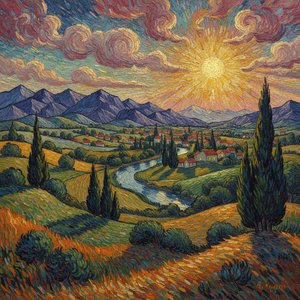
Beyond Impressionism: The Emotional Depth and Vibrant Evolution of Post-Impressionist Landscapes
Explore the profound evolution of Post-Impressionist landscapes. From Van Gogh's emotional brushwork to Cézanne's structural mastery, discover how these visionaries redefined art history through color and form in this expert guide for fine art enthusiasts.

Paul Cézanne: 25 Remek-dela Revolucionarnog Umjetnika | OriginalUniqueArt
Istražite 25 remek-dela Paula Cézanna, revolucionarnog slikara impresionizma i postimpresionizma. Otkrijte priče iza ikoničnih pejzaža, portreta i mrtve prirode. Kupite luksuzne reprodukcije slika na OriginalUniqueArt.com!
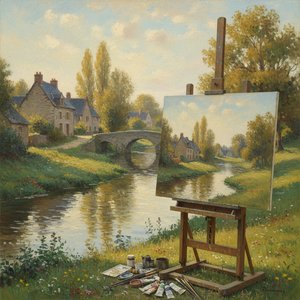
Gustave Loiseau: Capturing the Ephemeral Light of French Landscapes
Explore the captivating landscapes of Gustave Loiseau, a key Post-Impressionist painter. Discover his unique 'en treillis' technique and artistic legacy with our comprehensive guide.

25 Remek-dela Džona Konstebla: Lepota Engleske na Platnu | OriginalUniqueArt
Uronite u svet Džona Konstebla! Otkrijte 25 remek-dela engleskog pejzaža, romantizma i seoske idile. Kupite reprodukcije slika vrhunskog kvaliteta za dekoraciju enterijera na OriginalUniqueArt.com.

Gustav Klimt: 25 Remek-Dela Koje Očaravaju Svet – Reprodukcije za Vaš Dom
Uronite u svet Gustava Klimta! Otkrijte 25 remek-dela bečkog secesiona, od 'Poljupca' do portreta Adele Bloch-Bauer. Reprodukcije slika vrhunskog kvaliteta za luksuzni enterijer – inspiracija i dekoracija na OriginalUniqueArt.com.