Pregledaj u prostoru
 Podeli
 Podeli
 Detalji
 Vodič
Vodič

 Preuzmi sliku
 Slični predmeti
 Rendgenski snimak
 Automatska prezentacija
 Statistika
The Wrestlers


 Pročitaj više
Giclee štampa / Umetnički otisak
Giclée štampa ili print na platnu muzejskog kvaliteta uz brzu izradu i raznovrsne opcije završne obrade. ( Naručite ručno oslikano reprodukciju Pređi na prodaju digitalnih slika)




P118B дин10

P118H дин10

P118W дин10

P438Z дин10

P508JH дин12

P508YH дин12

P805H дин10

P805Z дин10

P919BZ дин10

P919G дин10

P919XJ дин10

P959ZH дин10

P968JZ дин12

W106C дин8

W218G дин10

W218JH дин8

W218Y дин10

W307PJ дин10

W316G дин10

W316PJ дин8

W316Y дин10

W398PJ дин8

W4111J дин10

W500HY дин15

W500JH дин15

W692G дин12

W849H дин8

W940BG дин15

W953PJ дин8




Izaberite jednu od naših unapred definisanih veličina koje odgovaraju originalnim proporcijama umetničkog dela.

Unesite širinu i visinu koja vam je potrebna, kako bi se uklopili u vaš ram ili na vaš zid. Štampa se može samo iseći, nikada ne može biti veća od originalne slike, stoga format sa drugačijim proporcijama gubi deo slike. Poslaćemo vam digitalni prikaz radi potvrde pre nego što započnemo štampu. Slika prikazana na ovoj stranici ne pokazuje stvarni rez — to pokazuje samo digitalni prikaz.
Dostava širom sveta () za 2 nedelje umesto uobičajenih 4/5 nedelja. (27 октобар)

Besplatna ekspresna dostava širom sveta

Visokokvalitetno laneno platno

Sveobuhvatno osiguranje transporta

Garancija povraćaja carine i uvoznih dažbina

Garancija vernosti boja i autentičnosti pri reprodukciji

Politika povraćaja u roku od 100 dana (samo u slučaju nedostataka)

Garancija povrata 100% novca

Popust pri većoj količini
 Opcija sa staklom dostupna je samo za dimenzije manje od 110 cm

The Wrestlers
Giclee štampa / Umetnički otisak
Veličina reprodukcije
-


Ukupna cena
дин 8266
Gustave Courbet’s Raw Depiction of Working-Class Life
Gustave Courbet's The Wrestlers, a monumental oil painting completed in 1853 and now residing within the hallowed halls of the Museum of Fine Arts in Budapest, isn’t merely a scene of athletic competition; it’s a visceral exploration of human endurance, social hardship, and the dignity found within labor. Far from the idealized depictions of heroism prevalent in much of 19th-century art, Courbet presents us with an unvarnished portrait of two men locked in a brutal ‘French wrestling’ match – a style rooted in Greco-Roman tradition – set against the evocative backdrop of a decaying hippodrome on the Champs-Élysées in Paris. This wasn't a scene intended for polite salon audiences; it was a deliberate challenge to artistic conventions and a powerful statement about the realities faced by the working class during a period of significant social upheaval following Napoleon III’s reign.
The painting immediately commands attention through its scale – a testament to Courbet's ambition and his desire to immerse the viewer within the drama. He masterfully employs a technique known as ‘alla prima,’ applying paint directly to the canvas in loose, expressive strokes, eschewing meticulous detail in favor of capturing the immediacy of the moment. The foreground wrestlers are rendered with an astonishingly vivid palette; their muscles bulge and strain under immense pressure, their faces contorted in expressions of agony and determination. Courbet’s anatomical precision is evident, yet he avoids idealization, presenting a raw, almost brutal realism that reflects the physicality of the sport and the toll it takes on the body. The background, however, is deliberately less defined – a blurred mass of spectators, suggesting the anonymity and collective experience of witnessing this struggle.
A Pendant to ‘The Bathers’ and a Symbol of Social Commentary
The Wrestlers was initially conceived as a pendant to Courbet's equally controversial The Bathers (1853), which had caused a sensation at the Paris Salon. While *The Bathers* sparked outrage due to its depiction of nude male figures, *The Wrestlers* faced criticism for its focus on a subject deemed unrefined and unworthy of artistic attention. Courbet himself acknowledged that he’d “covered” the nudity of the wrestlers, a subtle act of defiance against the prevailing moral sensibilities of the time. This strategic choice highlights a key aspect of Courbet's realism: he sought to portray life as it was, without imposing artificial judgments or romantic embellishments.
The painting’s historical context is crucial to understanding its significance. France in the mid-19th century was undergoing rapid industrialization and urbanization, leading to widespread poverty, social unrest, and a growing divide between the wealthy bourgeoisie and the working class. Courbet's decision to depict wrestlers – laborers engaged in physically demanding work – served as a poignant commentary on this social disparity. The painting subtly elevates these figures from the margins of society into the realm of artistic subject matter, acknowledging their strength, resilience, and inherent dignity.
Technique, Restoration, and Enduring Legacy
Courbet’s working method involved meticulous preparation in his studio – he would often create detailed studies of individual figures before tackling the larger canvas. This approach is strikingly evident in *The Wrestlers*, where the foreground wrestlers are depicted with a remarkable level of detail, capturing the nuances of their musculature and expressions. The restoration undertaken in 2010 was particularly significant, revealing Courbet’s original vibrant color palette – a deliberate departure from the muted tones often associated with Realism. This restored brilliance underscores the painting's raw energy and emotional intensity.
Today, *The Wrestlers* is recognized as a cornerstone of Realist art, a pivotal work that challenged artistic conventions and offered a powerful glimpse into the lives of ordinary people. It’s a testament to Courbet’s skill in capturing not just physical appearance but also the psychological weight of human experience – the struggle, the pain, and ultimately, the enduring spirit of those who labor tirelessly within society. For those seeking to explore the depths of Realist art or to acquire a stunning reproduction of this iconic masterpiece, OriginalUniqueArt offers meticulously crafted hand-painted reproductions that faithfully capture the essence of Courbet’s vision.
Pitanja i odgovori
Ko se raspoloženje i emocija spajaju u "The Wrestlers"?
U delu "The Wrestlers", Dramatično raspoloženje prati Turoban emocija.
Da li su boje dela "The Wrestlers" jake ili nežne?
„The Wrestlers”, Gustav Кјорбе prikazuje Uravnoteženo intenzitet boja.
Kakvu bi atmosferu reprodukcija dela „The Wrestlers”, Gustav Кјорбе unela u prostoriju?
Dramatično atmosfera dela „The Wrestlers”, Gustav Кјорбе savršeno odgovara preporučenom prostoru: Dnevna soba.
Biografija umetnika
Život i Revolucija Gustava Kurbea: Pionir Realizma
Gustav Kurbe, rođen 1819. godine u mirnom selu Ornans u Francuskoj, bio je više od slikara; bio je buntovnik koji je svojim umetničkim delima potresao osnove tadašnje umetnosti. Njegova priča nije samo o bojama i platnu, već o dubokom društvenom komentarisanju, političkoj svesti i neumornoj posvećenosti prikazivanju sveta onakvog kakav jeste – bez idealizacije, surovo iskren i produbljeno realan. Odgajan u relativno prosperitetnoj građanskoj porodici, Kurbe je dobio podršku majke da se bavi umetnošću, što je podstaknulo njegovu revolucionarnu viziju. Iako je pohađao École des Beaux-Arts u Parizu 1839. godine, ubrzo je odbacio akademske konvencije i romantički idealizam koji su vladali tadašnjom umetničkom scenom. Umesto toga, izabrao je put posmatranja, prioritizujući istinu nad tradicijom, što ga je proglasilo začetnikom pokreta realizma.Rođenje Realizma: Izazov Umetničkim Konvencijama
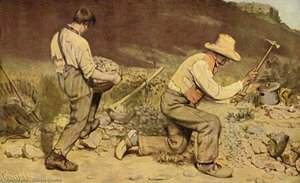
Kurbeova umetnička evolucija bila je obeležena namernim odbacivanjem tadašnjih estetskih standarda. Njegovo interesovanje nije ležalo u mitološkim pričama ili herojskim alegorijama, već u svakodnevnom životu običnih ljudi, posebno onih koji su se bavili rukom radom i ruralnim životom. Ova posvećenost prikazivanju sveta bez ukrasa – što će kasnije biti poznato kao realizam – izazvala je početno preziranje i osudu kritičara naviknutih na poliranija i idealizovana predstavljanja. Njegova rana dela istraživala su pejzaže i portrete, ali ubrzo su se preusmerila ka scenama života radničke klase, prikazanim u monumentalnim formatima rezervisanim za istorijske ili verske slike. Ovaj nameran potez nije bio samo stilski izbor; to je bila izjava o urođenom dostojanstvu i važnosti ovih često zanemarenih subjekata. Kamenolome (1849-50), iako tragično uništen tokom Drugog svetskog rata, oličio je ovaj pristup – surovo prikaz dvoje radnika koji se umaraju od teškog rada, sa licima sakrivenim iscrpljenošću i teškoćama. Ova slika, zajedno sa drugim delima kao što je Grobnica u Ornansu (1850), izazvala je nove definicije onoga što čini “dostojnu” temu za visoku umetnost.Glavna dela i Umetnička Filozofija
Grobnica u Ornansu, kolosalno platno koje prikazuje seosko sahranjivanje, izazvala je talas šoka kada je izložena 1850-51. Njena ogromna veličina – obično rezervisana za velike istorijske slike – u kombinaciji sa njenim neumornim realizmom i nedostatkom emocionalne idealizacije, šokirala je publiku. Kurbe nije prikazao žalitelje kao plemenite ili preplakane figure; predstavio ih je kao obične ljude, čija su lica ispisana mešavinom tuge, dosade i rezignacije. Ova iskrenost bila je revolucionarna. Njegova umetnička filozofija protezala se izvan teme i na tehniku. On je preferirao direktan stil impasta – nanošenje boje u debelom sloju na platno – koji je naglasio materijalnost samog medijuma. Atelje slikara (1855), alegoričko delo koje odražava njegova umetnička ubeđenja i angažman sa savremenim društvenim pitanjima, dodatno je učvrstila njegovu reputaciju provokativnog i nezavisnog umetnika. Njegovo učešće na Salon des Refusés 1863. – izložbi dela odbijenih od zvaničnog Salona – cementiralo je njegov status pobunjenika i zagovornika umetničke slobode. Čak su i pejzaži kao što je Prizor u šumi Fontainebleau (1855) bili obojeni smislom realizma, hvatajući prirodnu lepotu šume bez romantične idealizacije.Nasleđe i Istorijski značaj
Uticaj Gustava Kurbea na kasnija umetnička pokretanja je neosporan. Iako se inspirisao ranijim majstorima kao što je Caravaggio zbog njihovog dramatičnog realizma i upotrebe svetla i senke, njegov uticaj se protezao daleko izvan pukog oponašanja. On je duboko uticao na impresioniste i postimpresioniste oslobodivši ih od ograničenja tradicionalnog predstavljanja, podstičući ih da istražuju nove načine viđenja i prikazivanja sveta. Njegov naglasak na društvenoj kritici otvorio je put kasnijim umetnicima koji su koristili svoju umetnost kao platformu za politički aktivizam. Kurbe nije bio samo slikar; bio je vokalni zagovornik umetničke slobode i političkih promena, aktivno učestvujući u burnim događajima svog vremena, uključujući Pariskom komunu 1871. – što je dovelo do perioda egzila u Švajcarskoj. Umro je 1877. godine, ostavivši iza sebe delo koje i danas inspiriše i izaziva publiku.- Pionir realizma
- Izazvao akademske konvencije
- Uticao na impresionizam i postimpresionizam
- Zagovornik umetničke slobode

Gustav Кјорбе
1819 - 1877 , Француска
Brzi pregled
- Datum Rođenja: 10. jun 1819.
- Datum Smrti: 31. decembar 1877.
- Mesto Rođenja: Ornan, Francuska
- Nacionalnost: Francuski
- Pokreti Pod Uticajem:
- Impresionizam
- Postimpresionizam
- Puno Ime: Žan Désire Gustave Kurbe
- Umetnički Pokret: Realizam
- Uticajni Umetnici:
- Delakroaz
- Žeriko
- Kravagio
- Značajna Dela:
- Sahrana u Ornanzu
- Slomljenih kamena
- Atelje slikara
Srodni članci

Romantic Realism's Finest: 10 Masterpieces for Your Home | OriginalUniqueArt
Explore 10 defining masterpieces of Romantic Realism! Discover Courbet, Millet & Daumier's powerful paintings—capturing emotion and social realities. Find museum-quality reproductions for your home at OriginalUniqueArt.com.
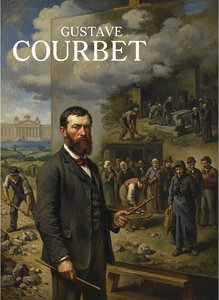
Gustave Courbet: Realism's Revolutionary Vision & the Social Canvas of 19th-Century France
Explore the revolutionary art of Gustave Courbet, pioneer of Realism. Discover his iconic paintings, social commentary, and lasting impact on 19th-century French art history. Expert analysis & insights.
Realism's Masters: 10 Artworks That Capture Life's Essence | OriginalUniqueArt
Explore 10 iconic realism artworks by Courbet, Millet & more! Discover the stories behind these masterpieces of 19th-century painting. Find museum-quality art reproductions and elevate your home decor with OriginalUniqueArt.com.
Realizam u slikama: Top 10 remek dela za vaš dom i dušu
Otkrijte 10 remek dela koja su definisala realizam! Gustave Courbet, Millet i Daumier – istaknuti umetnici i njihove slike. Inspiracija za vaš dom i dušu. Kupite reprodukcije vrhunskog kvaliteta na OriginalUniqueArt.com!

The Enduring Appeal of Realism: Technique, History & Emotional Resonance in Representational Art
Explore the captivating world of Realism! Discover key artists like Courbet & Millet, masterpieces, and the social commentary behind this influential art movement. Expert insights for collectors & enthusiasts.