
 Pregledaj u prostoru
 Podeli
 Podeli
 Detalji
 Vodič
Vodič

 Preuzmi sliku
 Slični predmeti
 Rendgenski snimak
 Automatska prezentacija
 Statistika
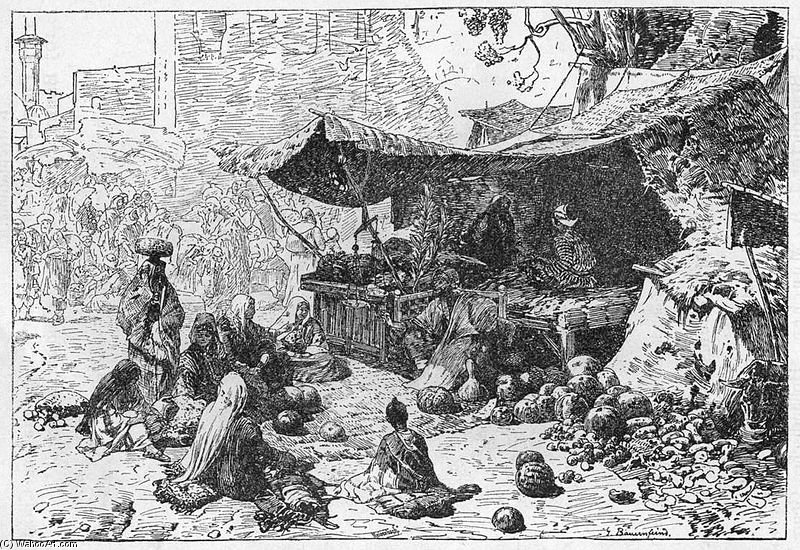
Markt In Jaffa
 Pročitaj više
Ručno rađena uljana reprodukcija
Ručno oslikano uljanim bojama na platnu u dimenzijama i okviru po vašem izboru, izrađeno po porudžbini od strane naših umetnika. ( Pređi na prodaju štampanih primeraka Pređi na prodaju digitalnih slika)




































Izaberite jednu od naših unapred definisanih veličina koje odgovaraju originalnim proporcijama umetničkog dela.

Možete uneti sopstvene dimenzije kako biste prilagodili umetničko delo određenom okviru ili prostoru. Ako odabrana veličina ne odgovara proporcijama originala, slika će biti isečena ili proširena dodatnim elementima koji se ručno oslikavaju. Digitalni prikaz će vam biti poslat na odobrenje pre početka proizvodnje.
Imajte na umu da pregled na ekranu ne odražava stvarno prisecanje ili proširenje. Samo mockup će precizno prikazati konačnu kompoziciju.
Iako su dostupne prilagođene veličine, preporučujemo da izaberete dimenziju iz unapred definisane liste kako biste sačuvali originalne proporcije.
Nakon narudžbine, tim OriginalUniqueArt.com će klijentu putem e-pošte poslati uputstva i dostaviti prikaz predloženog rešenja
Svetska isporuka () za 3/4 nedelje umesto uobičajenih 5 nedelja. (26 септембар). Bez kompromisa po pitanju kvaliteta.

Besplatna ekspresna dostava širom sveta

Visokokvalitetno laneno platno

Sveobuhvatno osiguranje transporta

Garancija povraćaja carine i uvoznih dažbina

Garancija vernosti boja i autentičnosti pri reprodukciji

Politika povraćaja u roku od 100 dana (samo u slučaju nedostataka)

Garancija povrata 100% novca

Popust pri većoj količini
 Opcija sa staklom dostupna je samo za dimenzije manje od 110 cm

Markt In Jaffa
Tehnika izrade reprodukcije
Veličina reprodukcije
-


Ukupna cena
$ 400
Biografija umetnika
The Painter of Holy Land Landscapes
Gustav Bauernfeind (1848-1904) stands as a pivotal figure in German Orientalist painting, recognized for his meticulous depictions of Jerusalem and the broader landscapes of Palestine during the late 19th century. His work transcends mere topographical accuracy; it embodies a profound engagement with biblical themes and a masterful command of artistic technique—characteristics that cemented his reputation as one of the era’s most celebrated artists. Born in Sulz am Neckar, Germany, Bauernfeind's artistic journey began amidst familial influences rooted in Jewish heritage, shaping his worldview and subtly informing his creative vision.
Bauernfeind’s formative years were marked by a dedication to architectural studies at Stuttgart Polytechnic Institute. This grounding in design principles would prove invaluable as he apprenticed under Wilhelm Bäumer and Adolph Gnauth, honing his skills alongside fellow craftsmen—a partnership that fostered not only technical proficiency but also an appreciation for detailed observation and artistic representation. Initially, Bauernfeind’s canvases explored familiar German landscapes, such as Bavarian Alps vistas and serene Rhine river scenes, establishing a foundational style characterized by realism and tonal subtlety. However, the transformative experience of his 1880-1882 expedition to the Levant ignited a passion for the Orient that would dominate his subsequent artistic endeavors.
A Journey Through the Levant
The pilgrimage to Palestine irrevocably altered Bauernfeind’s artistic trajectory. He returned repeatedly to Jerusalem and Lebanon, immersing himself in the sights and sounds of Middle Eastern life—a fascination reflected in his increasingly ambitious compositions. Unlike earlier works prioritizing serene landscapes, Bauernfeind's later paintings captured the bustling energy of marketplaces, religious processions, and architectural grandeur. His ability to translate the sacred stones of Jerusalem into emotionally resonant art allowed him to bridge the gap between the physical world and spiritual devotion.
In his most celebrated works, such as The Gate of the Great Umayyad Mosque, Bauernfeind employs a palette of warm ochre yellows, terracotta reds, and earthy browns. These sun-baked hues mirror the desert landscape, lending an air of authenticity to his scenes. Through loose, expressive strokes, he conveys the movement of jostling crowds and animated conversations, creating a palpable sense of immediacy. His mastery is often seen in how he directs the viewer’s gaze toward imposing domes or ancient walls, symbolizing faith and timeless beauty through a pyramidal composition.
Legacy and Artistic Significance
Beyond his technical skill as a painter, Bauernfeind was also a talented illustrator and architect, a versatility that allowed him to capture the structural essence of the cities he visited. His legacy is defined by several key contributions to the Orientalist movement:
- Architectural Precision: His training in Stuttgart enabled him to render the intricate details of Middle Eastern architecture with unparalleled accuracy.
- Cultural Documentation: His works serve as a vital visual record of 19th-century life in Jerusalem, Jaffa, and Morocco.
- Emotional Depth: He moved beyond simple exoticism to capture the spiritual atmosphere and religious significance of the Holy Land.
Ultimately, Gustav Bauernfeind remains an essential figure for those seeking to understand the intersection of German realism and Orientalist fascination. His life, which concluded in Jerusalem in 1904, was a testament to his lifelong devotion to the landscapes that captured his soul, leaving behind a body of work that continues to transport viewers back to a vibrant, bygone era.

Gustav Bauernfeind
1848 - 1904 , Germany
Brzi pregled
- Artistic Movement Or Style: Orientalism
- Artists Or Movements Influenced By This Artist: ['Symbolism']
- Artists Who Influenced This Artist:
- Wilhelm Bäumer
- Adolph Gnauth
- Date Of Birth: September 4, 1848
- Date Of Death: December 24, 1904
- Full Name: Gustav Bauernfeind
- Nationality: German
- Notable Artworks:
- The Wailing Wall
- Market at Jaffa
- Place Of Birth: Sulz am Neckar, Germany