
 Pregledaj u prostoru
 Podeli
 Podeli
 Detalji
 Vodič
Vodič

 Preuzmi sliku
 Slični predmeti
 Rendgenski snimak
 Automatska prezentacija
 Statistika
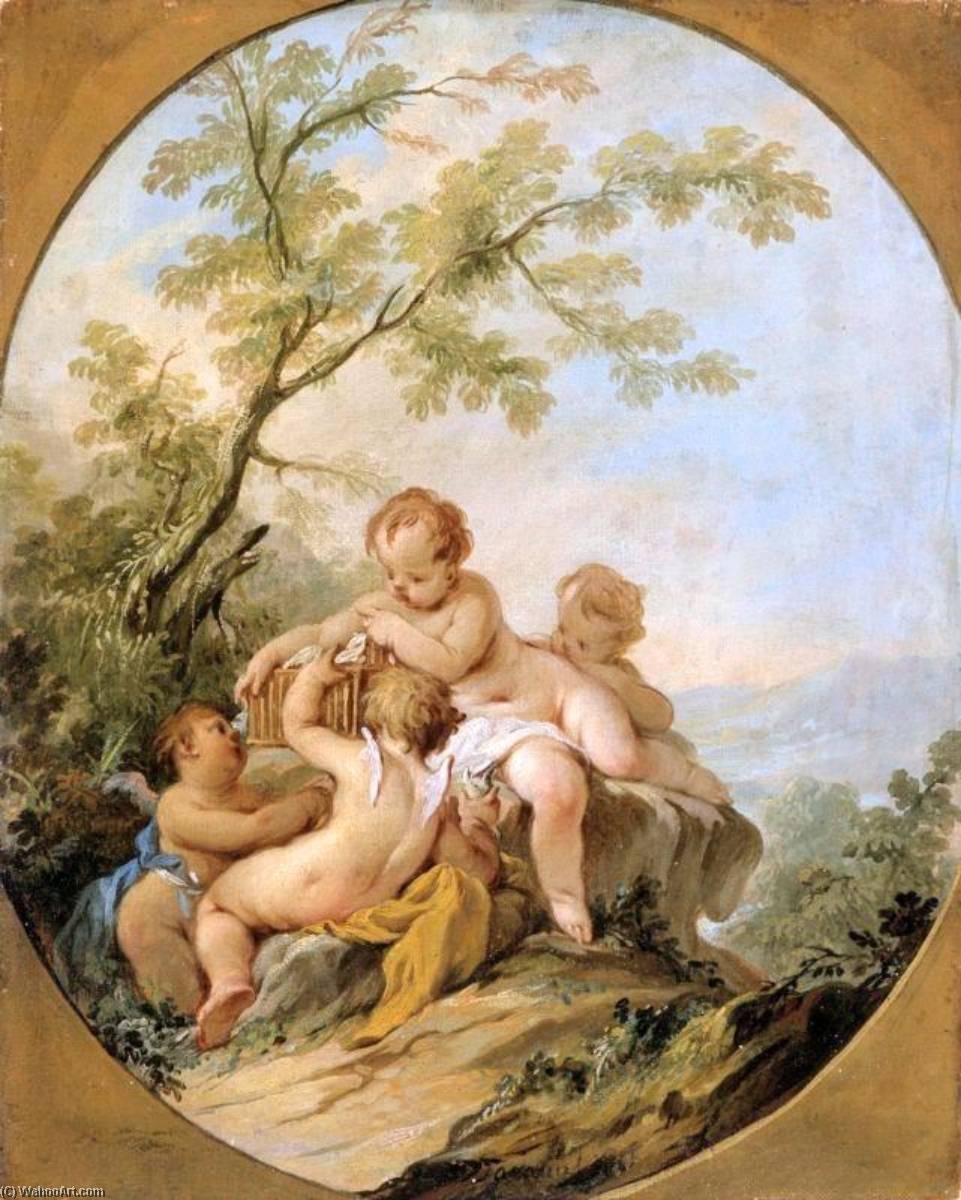
Four Putti Playing with a Birdcage

 Pročitaj više
Ručno rađena uljana reprodukcija
Ručno oslikano uljanim bojama na platnu u dimenzijama i okviru po vašem izboru, izrađeno po porudžbini od strane naših umetnika. ( Pređi na prodaju štampanih primeraka Pređi na prodaju digitalnih slika)




































Izaberite jednu od naših unapred definisanih veličina koje odgovaraju originalnim proporcijama umetničkog dela.

Možete uneti sopstvene dimenzije kako biste prilagodili umetničko delo određenom okviru ili prostoru. Ako odabrana veličina ne odgovara proporcijama originala, slika će biti isečena ili proširena dodatnim elementima koji se ručno oslikavaju. Digitalni prikaz će vam biti poslat na odobrenje pre početka proizvodnje.
Imajte na umu da pregled na ekranu ne odražava stvarno prisecanje ili proširenje. Samo mockup će precizno prikazati konačnu kompoziciju.
Iako su dostupne prilagođene veličine, preporučujemo da izaberete dimenziju iz unapred definisane liste kako biste sačuvali originalne proporcije.
Nakon narudžbine, tim OriginalUniqueArt.com će klijentu putem e-pošte poslati uputstva i dostaviti prikaz predloženog rešenja
Svetska isporuka () za 3/4 nedelje umesto uobičajenih 5 nedelja. (26 септембар). Bez kompromisa po pitanju kvaliteta.

Besplatna ekspresna dostava širom sveta

Visokokvalitetno laneno platno

Sveobuhvatno osiguranje transporta

Garancija povraćaja carine i uvoznih dažbina

Garancija vernosti boja i autentičnosti pri reprodukciji

Politika povraćaja u roku od 100 dana (samo u slučaju nedostataka)

Garancija povrata 100% novca

Popust pri većoj količini
 Opcija sa staklom dostupna je samo za dimenzije manje od 110 cm

Four Putti Playing with a Birdcage
Tehnika izrade reprodukcije
Veličina reprodukcije
-


Ukupna cena
$ 300
Biografija umetnika
A Visionary of the Rococo: The Life and Legacy of Guillaume Thomas Taraval
In the grand, gilded corridors of eighteenth-century Europe, few artists possessed the transformative vision of Guillaume Thomas Taraval. Born in Paris in 1701 into a lineage steeped in the fine arts, Taraval’s early years were shaped by both profound loss and exceptional mentorship. Orphaned at a young age, he was raised by his foster-father, Henry Guillemard, who provided him with his first delicate lessons in the nuances of light and line. This foundational training, later refined under the tutelage of the esteemed Claude Audran, prepared Taraval for a career that would eventually bridge the cultural landscapes of France and Sweden, forever altering the aesthetic trajectory of the North.
Taraval’s arrival in Stockholm in 1732 marked the beginning of a profound artistic revolution. At a time when Swedish art was largely tethered to the heavy, somber traditions of the Baroque, Taraval introduced the airy, luminous, and playful spirit of the French Rococo. His presence in the capital was not merely that of a visiting painter but of a cultural pioneer. Within the opulent halls of the Stockholm Palace, he breathed new life into the ceilings and walls, replacing rigid structures with asymmetrical compositions, delicate pastel palettes, and an effortless sense of movement that seemed to defy the very architecture he adorned.
Mastery of Form and the Rococo Spirit
The brilliance of Taraval’s technique lay in his ability to marry monumental scale with intimate grace. He was a master of the ceiling painting, creating vast, ethereal vistas that invited the viewer to look upward into worlds of mythological splendor and pastoral tranquility. His work often featured:
- Mythological Allegories: Reimagining classical legends through a lens of idealized beauty and harmony.
- Pastoral Serenity: Capturing the gentle, romanticized essence of nature and landscape.
- Ornate Ornamentation: Utilizing the intricate, swirling motifs characteristic of the Rococo movement to enhance decorative surfaces.
Beyond these grand architectural commissions, Taraval demonstrated a remarkable versatility that allowed him to navigate various genres with equal finesse. His portraits captured the dignity and elegance of the Swedish nobility, while his still lifes showcased an exquisite, almost scientific devotion to botanical detail. Even in his more religious works, such as his altarpieces, one can sense the influence of his French training—a lightness of touch that brought a sense of divine grace through soft light and fluid forms.
Architect of an Artistic Institution
Taraval’s significance extends far beyond the aesthetic beauty of his canvases; he was a foundational architect of Swedish art education. In 1735, he was appointed as the inaugural director of the Royal Swedish Academy of Arts, a position he held until his death in 1750. This was a watershed moment for the region, as it established a formal sanctuary for scholarship, experimentation, and the cultivation of new talent. Through this institution, Taraval ensured that the principles of excellence and humanist ideals would be passed down to future generations of Scandinavian artists.
Even as he sought to modernize Swedish taste, Taraval remained deeply connected to the pulse of Parisian innovation. His journey back to Paris in 1739 allowed him to study the latest developments in French art, a period of intellectual renewal that he brought back to Stockholm upon his return in 1740. This continuous dialogue between the established traditions of France and the emerging needs of Sweden defined his career. When he passed away in Stockholm, he left behind more than just a collection of beautiful paintings; he left a legacy of cultural sophistication and an institutional framework that would sustain the Swedish art world for centuries to come.

guillaume thomas taraval
1701 - 1750
Brzi pregled
- Artistic Movement Or Style: Rococo
- Artists Or Movements Influenced By This Artist: ['Swedish Rococo']
- Artists Who Influenced This Artist: ['Jean Oudry']
- Date Of Birth: 1701
- Date Of Death: 1750
- Full Name: Guillaume Thomas Taraval
- Nationality: French
- Notable Artworks:
- Group of Angels
- Female Figures with Putti in a Landscape
- Four Putti Playing with a Birdcage
- Place Of Birth: Paris, France