
 Pregledaj u prostoru
 Pošalji
 Podeli
 Detalji o delu

 Преузми
 Slični predmeti
 Rendgenski snimak
 Slajdovi
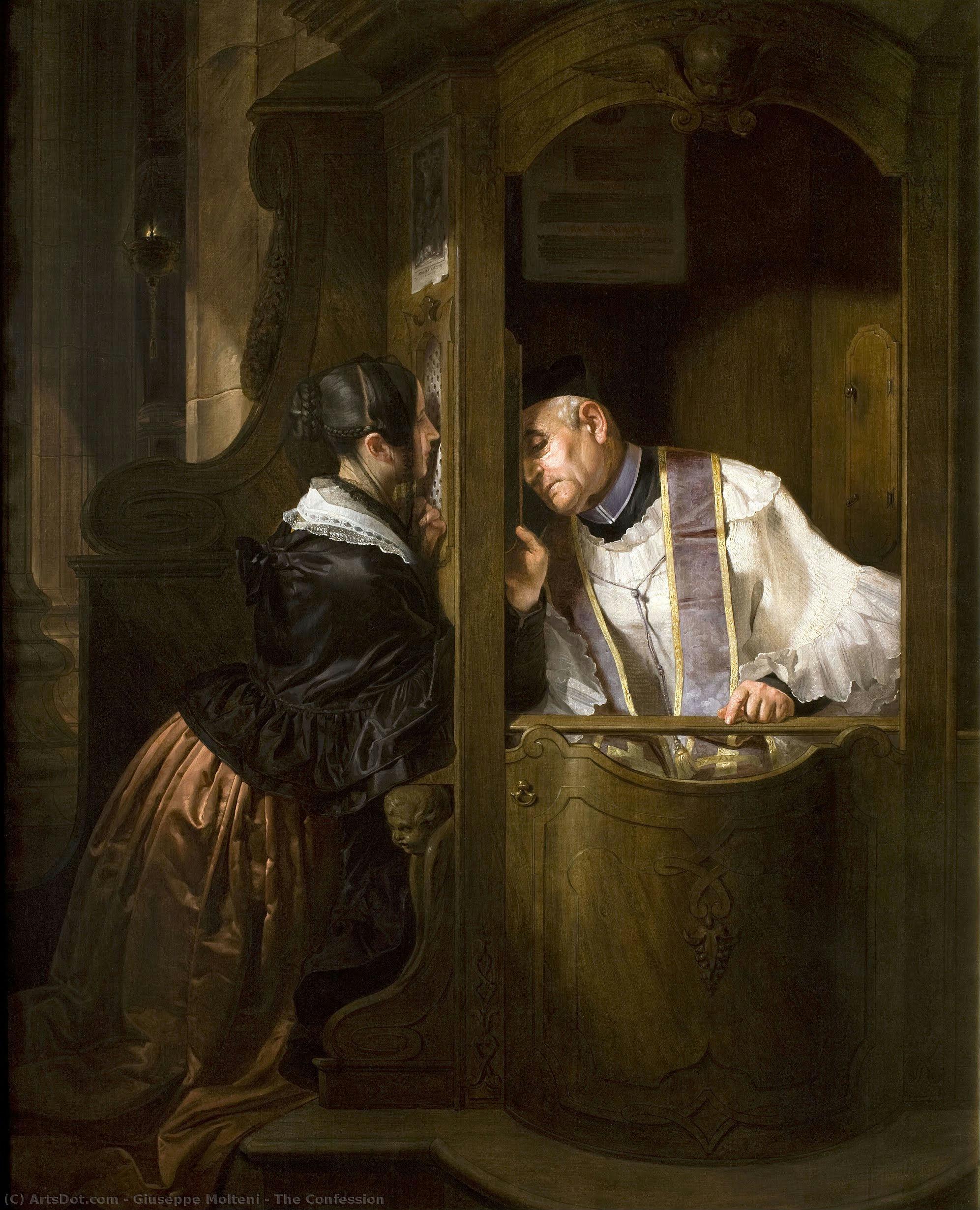
The Confession

 Pročitaj više
Giclee štampa / Umetnički otisak
Giclée štampa ili print na platnu muzejskog kvaliteta uz brzu proizvodnju i fleksibilne opcije završne obrade. ( Pređite na ručno oslikano umetničko delo Prebacite na sliku)




































Izaberite jednu od naših unapred definisanih veličina koje odgovaraju originalnim proporcijama umetničkog dela.

Možete uneti sopstvene dimenzije kako biste umetničko delo prilagodili specifičnom okviru ili prostoru. Ako odabrani format ne odgovara proporcijama originalne slike, mi ćemo ili iscrtati deo dela ili proširiti sliku pomoću ogledane ivice ili jednobojnog popunjavanja. Digitalni prikaz će vam biti poslat na odobrenje pre početka proizvodnje.
Imajte na umu da pregled na ekranu ne odražava stvarno iscrtavanje ili proširivanje. Samo će prikaz (mockup) precizno pokazati finalnu kompoziciju.
Iako su prilagođene dimenzije dostupne, preporučujemo da odaberete dimenziju sa unapred definisane liste kako biste očuvali originalne proporcije.
Dostava širom sveta () za 2 nedelje umesto uobičajenih 4/5 nedelja. (11 август)

Besplatna ekspresna dostava širom sveta

Visokokvalitetno laneno platno

Kompletno osiguranje transporta

Garancija povraćaja carine i uvoznih dažbina

Garancija vernosti boja

Politika povrata u roku od 60 dana (samo u slučaju nedostataka)

Garancija povrata novca od 100%

Popust pri grupnoj kupovini
 Opcija sa staklom dostupna je samo za dimenzije manje od 110 cm

The Confession
Giclee štampa / Umetnički otisak
Dimenzije reprodukcije
-


Konačna cena
$ 80
Opis predmeta
Biografija umetnika
Giuseppe Molteni (1800-1867): Bridging Biedermeier and Milanese Splendor
Giuseppe Molteni (Affori, Milan, 1800 – Milan, 1867) was an Italian painter whose career spanned from the mid-nineteenth century, establishing him as a prominent figure in Milanese art history. Forced to abandon his formal studies at the Brera Academy due to financial constraints—a common predicament for aspiring artists of the era—Molteni redirected his talents towards the meticulous restoration of ancient paintings under the tutelage of Giuseppe Guizzardi in Bologna. This formative experience instilled within him a profound appreciation for craftsmanship and detail, shaping his artistic sensibilities. Returning to Milan, he swiftly ascended the ranks of Milanese art circles, becoming one of the most sought-after restorers of his time and earning commissions from prestigious institutions like the Louvre and the British Museum. Simultaneously, Molteni cultivated an independent artistic practice, producing captivating paintings that showcased both technical mastery and stylistic innovation.Early Years & Restoration Training
Molteni’s initial foray into art wasn't through easel painting but rather through painstaking conservation work. Studying under Guizzardi honed his skills in pigment analysis, varnish removal, and surface consolidation—techniques crucial for preserving cultural heritage. This dedication to restoration not only provided him with a livelihood but also instilled within him an understanding of artistic materials and processes that would later inform his own compositions. The influence of Guizzardi’s meticulous approach is evident in Molteni's subsequent paintings, where he achieved remarkable realism through careful observation and skillful brushwork.Portraiture & Milanese Style
Molteni quickly gained renown for his portraiture style, characterized by an unprecedented level of realism and opulent settings. Unlike the prevailing Biedermeier aesthetic—which favored understated elegance—Molteni embraced a bold approach, depicting subjects in richly embroidered costumes and elaborate interiors that captured the grandeur of Milanese aristocratic life. His success directly challenged the artistic dominance of Francesco Hayez, establishing him as a leading voice in Milanese painting and securing his place among Italy’s most celebrated portraitists. The meticulous detail with which he rendered fabrics, jewelry, and architectural elements demonstrated an exceptional command of technique and contributed to the distinctive visual language of his era.Genre Painting & Viennese Influence
Moving beyond portraiture in the mid-1830s, Molteni embarked on a prolific exploration of genre painting—scenes depicting everyday life—a trend that resonated deeply with the public and critics alike. His canvases captured moments of domestic tranquility, social gatherings, and urban landscapes with remarkable sensitivity and accuracy. Notably, his time spent at the Viennese court in 1837 exposed him to the stylistic precepts of Johann Friedrich Overbeck and fostered a friendship with fellow painter Friedrich von Amerling—influences that subtly enriched Molteni’s artistic vision.Later Career & Legacy
Molteni's involvement with the Brera exhibitions waned in the 1850s, culminating in his appointment as curator of the academy’s gallery in 1854 and marking a cessation of his painting activity. However, Molteni’s contribution to Italian art history remains indelible. His pioneering approach to portraiture—combining realism with theatrical grandeur—established him as a pivotal figure in bridging the gap between Biedermeier simplicity and Romantic exuberance. Furthermore, his meticulous genre paintings offer invaluable insights into Victorian Milanese society and continue to inspire admiration for their artistic merit. Giuseppe Molteni’s legacy endures as a testament to the transformative power of observation, dedication to craftmanship, and an unwavering commitment to capturing the beauty and complexity of human experience.
giuseppe molteni
1800 - 1867
Osnovne informacije
- Artistic Movement Or Style: Biedermeier & Genre Painting
- Artists Or Movements Influenced By This Artist: ['Friedrich von Amerling']
- Artists Who Influenced This Artist:
- Giuseppe Guizzardi
- Johann Friedrich Overbeck
- Francesco Hayez
- Date Of Death: 1867
- Full Name: Giuseppe Molteni
- Nationality: Italian
- Notable Artworks:
- The Family of Barbiano di Belgioioso d'Este
- Lorenzo Vatalaro Antiques
- The Confession
- Place Of Birth: Affori, Milan

