Meni

() ·

A painting made for you, by hand

Winter

Ručno rađena uljana reprodukcija

Ručno oslikano uljanim bojama na platnu u dimenzijama i okviru po vašem izboru, izrađeno po porudžbini od strane naših umetnika. ( Pređi na štampu Pređi na digitalnu sliku)

Opis predmeta

Explore Giuseppe Arcimboldo’s ‘Winter’! A stunning Mannerist portrait of a tree spirit crafted from fruits & foliage. Discover its unique style & captivating beauty – perfect for art lovers.

Biografija umetnika

Otkrijte Giuseppe Arcimbolda (1527-1593), italijanskog majstora manirizma poznatog po nadrealnim portretima sastavljenim od voća, povrća i predmeta. Istražite njegovu maštovitu umetnost koja je prethodila nadrealizmu i fascinira publiku vekovima!

from ·

Chapter 1

How large should it be?

Slide to change the size; the picture on the left shows the frame at its real width. The proportions of the original are kept.

Standardne dimenzije
po meri
CM
INCH

Izaberite jednu od naših unapred definisanih veličina koje odgovaraju originalnim proporcijama umetničkog dela.

širina
visina

Unesite potrebnu širinu i visinu kako bi se slika uklopila u vaš ram ili zid. Pošto je ovo ručno oslikano delo, umetnik može za dimenzije drugačijeg oblika naslikati malo više prostora oko slike ili malo skratiti ivice — izbor je na vama. Pre početka rada, poslaćemo vam digitalni prikaz radi potvrde. Slika prikazana na ovoj stranici ne predstavlja konačan rezultat — samo digitalni prikaz pokazuje stvarnu sliku.

Chapter 2

How should it arrive?

Choose the edges of the stretched canvas

Choose your frame

Corner sample of the WhiteWrap canvas edge finish, stretched on masivno drvo bars
White дин1
Corner sample of the BlurSideWrap canvas edge finish, stretched on masivno drvo bars
Blurside дин1
Corner sample of the ExtendedWrap canvas edge finish, stretched on masivno drvo bars
Extended дин1
Corner sample of the P118B picture frame: oblikovani polistiren, 5 cm wide and 3 cm thick
P118B дин10
Corner sample of the P118H picture frame: oblikovani polistiren, 5 cm wide and 3 cm thick
P118H дин10
Corner sample of the P118W picture frame: oblikovani polistiren, 5 cm wide and 3 cm thick
P118W дин10
Corner sample of the P438Z picture frame: oblikovani polistiren, 5.5 cm wide and 3.5 cm thick
P438Z дин10
Corner sample of the P508JH picture frame: oblikovani polistiren, 7 cm wide and 3.5 cm thick
P508JH дин12
Corner sample of the P508YH picture frame: oblikovani polistiren, 7 cm wide and 3.5 cm thick
P508YH дин12
Corner sample of the P805H picture frame: oblikovani polistiren, 5 cm wide and 3.5 cm thick
P805H дин10
Corner sample of the P805Z picture frame: oblikovani polistiren, 5 cm wide and 3.5 cm thick
P805Z дин10
Corner sample of the P919BZ picture frame: oblikovani polistiren, 7 cm wide and 3.5 cm thick
P919BZ дин10
Corner sample of the P919G picture frame: oblikovani polistiren, 7 cm wide and 3.5 cm thick
P919G дин10
Corner sample of the P919XJ picture frame: oblikovani polistiren, 7 cm wide and 3.5 cm thick
P919XJ дин10
Corner sample of the P959ZH picture frame: oblikovani polistiren, 5 cm wide and 3 cm thick
P959ZH дин10
Corner sample of the P968JZ picture frame: oblikovani polistiren, 6 cm wide and 4 cm thick
P968JZ дин12
Corner sample of the W106C picture frame: masivno drvo, 5 cm wide and 3 cm thick
W106C дин8
Corner sample of the W218G picture frame: masivno drvo, 5 cm wide and 3 cm thick
W218G дин10
Corner sample of the W218JH picture frame: masivno drvo, 5 cm wide and 3 cm thick
W218JH дин8
Corner sample of the W218Y picture frame: masivno drvo, 5 cm wide and 3 cm thick
W218Y дин10
Corner sample of the W307PJ picture frame: masivno drvo, 6 cm wide and 3 cm thick
W307PJ дин10
Corner sample of the W316G picture frame: masivno drvo, 6 cm wide and 3 cm thick
W316G дин10
Corner sample of the W316PJ picture frame: masivno drvo, 6 cm wide and 3 cm thick
W316PJ дин8
Corner sample of the W316Y picture frame: masivno drvo, 6 cm wide and 3 cm thick
W316Y дин10
Corner sample of the W398PJ picture frame: masivno drvo, 5 cm wide and 3 cm thick
W398PJ дин8
Corner sample of the W4111J picture frame: masivno drvo, 6.5 cm wide and 3.5 cm thick
W4111J дин10
Corner sample of the W500HY picture frame: masivno drvo, 7 cm wide and 5 cm thick
W500HY дин15
Corner sample of the W500JH picture frame: masivno drvo, 7 cm wide and 5 cm thick
W500JH дин15
Corner sample of the W692G picture frame: masivno drvo, 8 cm wide and 4 cm thick
W692G дин12
Corner sample of the W849H picture frame: masivno drvo, 5 cm wide and 3 cm thick
W849H дин8
Corner sample of the W940BG picture frame: masivno drvo, 7.5 cm wide and 4.5 cm thick
W940BG дин15
Corner sample of the W953PJ picture frame: masivno drvo, 6 cm wide and 3.5 cm thick
W953PJ дин8
Corner sample of the H24-GOLD picture frame: rezbarano drvo sa gessoom, 10 cm wide and 6 cm thick
H24-GOLD дин30
Corner sample of the H24-SILVER picture frame: rezbarano drvo sa gessoom, 10 cm wide and 6 cm thick
H24-SILVER дин30
Corner sample of the H36-GOLD picture frame: rezbarano drvo sa gessoom, 15 cm wide and 6.5 cm thick
H36-GOLD дин45
Corner sample of the H36-SILVER picture frame: rezbarano drvo sa gessoom, 15 cm wide and 6.5 cm thick
H36-SILVER дин45

Moulding: . Overall size with the frame: .

Chapter 3

Who paints it, and should anything change?

Examples of what can be changed: Replace face with customer photo; Add pet (e.g., replace cat with dog); Include hidden message in background; Change background landscape or elements.
After order, OriginalUniqueArt.com team will email client for instructions and provide a mockup preview

Svetska isporuka () za 3/4 nedelje umesto uobičajenih 5 nedelja. (30 октобар). Bez kompromisa po pitanju kvaliteta.

Chapter 4

The finishing touches

A nameplate, as in a museum?

Detalji gravirane bronze ploče

This elegant plaque features the artist's name and the title of the artwork, finely engraved for a timeless presentation.

It is made from bronze with a refined, elegant finish. The text is precisely laser-engraved for a sharp and permanent result. Measuring 9x2 cm, the plaque is compact yet easy to read. It's built to be durable and scratch-resistant, offering a professional, museum-quality look. Mounting is simple thanks to the included adhesive backing.

Detalji prozirne akrilne pločice

The plaque includes essential engraved details such as the artist's name, the title of the artwork, the date it was created, the type of media used-like oil on canvas or watercolor-a brief description of the piece, and a QR code that links to the complete artwork information.

It is crafted from clear acrylic, offering a sleek, modern appearance. The text is UV-engraved in black to ensure strong visual contrast. With a size of 10x15 cm, it ensures optimal readability. It comes equipped with two metal hooks for secure wall mounting. The plaque is designed to be weather-resistant, making it suitable for various environments, and it includes interactive features that work seamlessly with smartphone scanning.

Detalji crne akrilne pločice

This elegant plaque includes engraved information such as the artist's name, the title of the artwork, the date it was created, the type of media used (like oil on canvas or watercolor), a short description of the artwork, and a QR code for quick access to more information.

The plaque itself is made from refined black acrylic with a premium finish. The text is laser-engraved in white for high contrast and readability. Its size is 10x15 cm, designed to be easy to read. It comes with two metal hooks for professional mounting. The design is sleek and fits any interior style. It is also weather-resistant and durable, with built-in digital integration for mobile compatibility.

A protective varnish?

When do you need it?

Chapter 5

Your painting, as you ordered it

Winter

Tehnika reprodukcije

Dimenzije reprodukcije

-

Vrhunski maestri umetnosti

Više detalja, prefinjenosti i dodatnog vremena za izradu

-

Okvir za reprodukciju

-

-

Za umetnička dela ili reprodukcije čija je bilo koja strana veća od 105 cm (približno 41 inč), okvir će biti isporučen u obliku rastavljenog seta za sklapanje. Ovaj metod osigurava bezbednu dostavu i sprečava oštećenja tokom transporta.

Potrebna je profesionalna montaža – ovo nije proizvod namenjen samostalnoj izradi.
Set mora sastaviti i platno zategnuti iskusni profesionalni ramitelj, koristeći drveni lepak (nije uključen u set), hvataljku za zatezanje platna i stege kako bi se održao prav ugao okvira dok se lepak suši. Nepravilno sklapanje ili neravnomerno zategnuto platno mogu trajno oštetiti umetničko delo, što nije pokriveno našom garancijom.

  • Sve šipke od masivnog drveta su uključene, precizno isečene po veličini.

  • Montira se pomoću priloženih šrafova, uz dodatno korišćenje lepka za drvo za spojeve u uglovima, koji nije uključen u set i koji vaš čuvar okvira mora obezbediti.

  • Potreban je profesionalni alat koji nije uključen u set: klešta za zatezanje platna (zatezač) i stege za održavanje pravih uglova letvica tokom sušenja lepka.

Važno:
Za spojeve u uglovima neophodan je lepak za drvo, šipke se moraju pričvrstiti stezgama dok lepak potpuno ne osuši, a za zatezanje platna na sklopljenom ramu potrebne su hvataljke za zatezanje platna. Nijedan od ovih alata nije uključen u komplet. Pre naručivanja ove veličine, molimo Vas da unapred obezbedite iskusnog profesionalca za ramačenje.

Kratki opis natpisa

-

-

Zaštitni lak

Sjajni lak (pojačava intenzitet boja, štiti od svetlosti i vlage)

-

Personalizujte svoje umetničko delo

Primeri mogućnosti izmene: Zamena lica fotografijom kupca; Dodavanje ljubimca (npr. zamena mačke psom); Uključivanje skrivene poruke u pozadini; Promena pejzaža ili elemenata pozadine.

-

Hitna dostava

Svetska isporuka () za 3/4 nedelje umesto uobičajenih 5 nedelja. (30 октобар). Bez kompromisa po pitanju kvaliteta.

-

Brza dostava

Dostava širom sveta () u roku od 5 nedelja. (6 новембар).

Uključeno u cenu

Ukupna cena

дин 31180

Ukupna cena дин 31180

Opcija sa staklom dostupna je samo za dimenzije manje od 110 cm

Included with every order

  • Besplatna ekspresna dostava širom sveta
  • Visokokvalitetno laneno platno
  • Potpuno osiguranje transporta
  • Garancija povraćaja carine i uvoznih dažbina
  • Garancija vernosti boja
  • Politika povraćaja u roku od 100 dana (samo u slučaju nedostataka)
  • Garancija povrata 100% novca
  • Popust na više proizvoda

A Winter’s Enigma: Giuseppe Arcimboldo's "Winter"

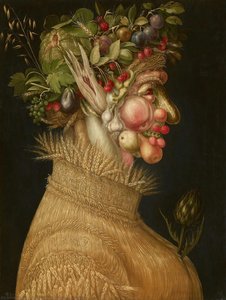
Giuseppe Arcimboldo’s “Winter,” painted circa 1563 and now residing within the Kunsthistorisches Museum in Vienna, isn’t merely a portrait; it’s an immersive allegory, a frozen tableau vivant constructed entirely from the bounty of nature. More than just a clever visual puzzle, this masterpiece embodies the Renaissance fascination with symbolism, classical mythology, and the cyclical rhythms of life and death – all rendered with a startlingly modern sensibility. Arcimboldo, already renowned for his inventive character portraits crafted from fruits, vegetables, and books, pushes the boundaries of representation here, transforming a human form into an evocative embodiment of winter’s stark beauty and inherent melancholy.

The central figure, often interpreted as a wizened old man or perhaps a spirit emerging from a rustic sack – rendered in rough, textured burlap – dominates the composition. His face is deeply etched with wrinkles, roots, and branches, a deliberate blurring of human and plant characteristics that speaks to the interconnectedness of all living things. The careful arrangement of elements—the vibrant oranges nestled beneath, the cascading vines and foliage framing his head—immediately evoke associations with fertility, abundance, and the promise of spring hidden within the heart of winter’s dormancy. The inclusion of these fruits isn't arbitrary; they are potent symbols of renewal and hope, subtly counterbalancing the somber tones of the overall scene.

A Mannerist Masterpiece: Technique and Composition

Arcimboldo’s skill lies not just in his imaginative subject matter but also in his meticulous execution. “Winter” is a testament to the artist's mastery of oil painting, utilizing a technique that builds up layers of texture with painstaking detail. The chiaroscuro – the dramatic interplay of light and shadow – is particularly striking, emphasizing the rough surfaces of the fruits and vegetables while simultaneously creating an atmosphere of profound depth and mystery. The perspective is subtly distorted, lending the image a dreamlike quality, as if peering into a world both familiar and unsettlingly strange. The composition itself is carefully balanced, drawing the eye to the central figure while allowing the surrounding elements to contribute to the overall narrative.

Notice the deliberate use of color – predominantly browns, greens, and ochre—that evokes the muted palette of a winter landscape. These earthy tones are punctuated by the vibrant oranges, creating a compelling contrast that draws attention to their symbolic significance. The background remains deliberately dark and undefined, serving only to isolate the subject and heighten its presence within the scene. The overall effect is one of controlled chaos, where disparate elements coalesce into a cohesive and profoundly moving whole.

Roots in Mythology and Renaissance Thought

To fully appreciate “Winter,” it’s crucial to understand the context in which Arcimboldo worked – the vibrant intellectual climate of the late 16th century. The painting draws heavily on classical mythology, particularly the figure of Vertumnus, the Roman god of fertility, change, and seasons. Vertumnus was often depicted as a shapeshifter, embodying both the destructive and generative forces of nature. Arcimboldo’s portrait clearly echoes this mythological archetype, suggesting that the central figure is not merely a representation of winter but also a manifestation of the cyclical processes of life, death, and rebirth.

Furthermore, the Renaissance fascination with allegory – the use of symbolic imagery to convey deeper meanings – played a significant role in Arcimboldo’s artistic practice. His portraits were often intended as visual riddles, challenging viewers to decipher their hidden messages. “Winter,” like many of his other works, invites contemplation on themes such as mortality, time, and the relationship between humanity and nature. The painting's ambiguity—the figure’s expression open to interpretation—further enhances its symbolic power.

A Timeless Resonance: Emotional Impact and Legacy

Despite its historical context, “Winter” continues to resonate with viewers today due to its arresting imagery and profound emotional impact. There is a palpable sense of melancholy woven into the fabric of the painting – a quiet acknowledgement of winter’s stark beauty and inherent sadness. Yet, amidst this somber mood, there's also an underlying current of hope, symbolized by the vibrant oranges and the promise of spring. Arcimboldo’s ability to evoke such complex emotions through seemingly simple objects is a testament to his artistic genius.

Reproductions of “Winter” offer a remarkable opportunity to experience this masterpiece firsthand, allowing us to appreciate Arcimboldo's extraordinary skill and imaginative vision. Whether displayed in a grand salon or a cozy corner, this painting serves as a timeless reminder of the beauty and mystery of the natural world – and the enduring power of art to capture its essence.

Pitanja i odgovori

Preporučena veličina i orijentacija štampe za "Winter"?

Za "Winter", preporučena dimenzija štampe je Medium i Portrait orijentacija.

Na koji način se nacionalni poreklom povezuje sa Mannerism dela "Winter"?

"Winter" povezuje pokret Mannerism sa Италија kroz rodno mesto svog tvorca.

Koliko je popularno delo "Winter" unutar pokreta Mannerism?

„Winter“ je zabeležen/a kao Iconic među delima Mannerism pokreta u katalogu.

More about this painting

Pregledaj u prostoru AR pregled Pređi na štampu Pređi na digitalnu sliku Pošalji
Detalji o delu Vodič Dodaj u omiljene Preuzmi Slični predmeti Rendgenski snimak Automatska prezentacija Q&A Statistika

In numbers

  • 29frames to choose from
  • standard sizes, in its own proportions
  • 5weeks to paint and deliver it
Ђузепе Арчимболдо

Ђузепе Арчимболдо

1527 - 1593, Италија

Quick facts about Ђузепе Арчимболдо

  • Artistic Movement Or Style: Манеризам, Суреализам
  • Artists Or Movements Influenced By This Artist:
    • Салвадор Дали
    • Суреализам
  • Date Of Birth: 5. април 1527.
  • Date Of Death: 11. јул 1593.
  • Full Name: Ђузепе Арчимболдо
  • Nationality: Италијан
  • Notable Artworks:
    • Цветани стил живота
    • Четири годишња доба
    • Вертумно
    • Библиотекар
  • Place Of Birth: Милан, Италија

Biografija umetnika

Svet Reimaginovan: Enigmatična Umetnost Đuzepea Arčimbolda

Đuzepe Arčimboldo, ime koje evocira slike istovremeno maštovite i duboko čudne, ostaje jedna od najjedinstvenijih figura renesansne umetnosti. Rođen u Milanu 1527. godine, njegova karijera se odvijala na pozadini Evrope prožete intelektualnim nemirom, religioznim previranjima i nezasitnom radoznalošću prema prirodnom svetu. Iako je prvobitno bio priznat za konvencionalnija dela – freske koje krase katedrale i portrete koji se drže utvrđenih dvorških standarda – trajno nasleđe Arčimbolda leži u seriji kompozitnih glava izgrađenih isključivo od pažljivo aranžiranih predmeta: voća, povrća, cveća, knjiga, čak i muzičkih instrumenata. To nisu bile samo bezbrižne vežbe vizuelne spretnosti; to su bile složene alegorije, prožete simbolizmom koji je duboko rezonirao u renesansnom svetonazoru i nastavlja da fascinira publiku danas. Njegov otac, Biadžio Arčimboldo, bio je umetnik sam po sebi, pružajući mladom Đuzepeu rano umetničko obrazovanje i verovatno utičući na njegov početni ulazak u dizajn za vitraže i freske u milanskoj katedrali oko 1549. godine. Ovo temeljno iskustvo je usavršilo njegovu tehničku veštinu i oštro oko za detalje – kvalitete koje će postati obeležje njegovih kasnijih, nekonvencionalnijih kreacija.

Dvorska Narudžbina i Uspon Jedinstvenog Stila

Arčimboldova putanja je doživela značajan preokret 1562. godine kada je imenovan za dvorskog portretistu Ferdinanda I na dvoru Habsburgovaca u Beču. Ovo je označilo početak više od dve decenije služenja kao umetnički polihistor tri uzastopna vladara Habsburgovaca: Maksimilijana II i njegovog sina Rudolfa II. Pored slikanja portreta – iako su čak i oni često pokazivali suptilne ekscentričnosti – Arčimboldove dužnosti obuhvatale dizajn kostima, dekoracije festivala i organizaciju carskih kolekcija. U ovom okruženju rafiniranog ukusa i intelektualne radoznalosti počeo je da cvetati njegov prepoznatljivi stil. Dvorska potražnja za novinama i spektaklom pružila je plodno tlo za eksperimentisanje, omogućavajući mu da se pomeri izvan tradicionalnog portretstva ka stvaranju svojih slavnih „kompozitnih glava“. One nisu rođene naglim impulsom, već su postepeno evoluirale, gradeći se na renesansnoj fascinaciji zagonetkama, zagonetkama i istraživanju skrivenih značenja u naizgled običnim predmetima. Uticaj ranijih umetnika koji su eksperimentisali sa efektima *trompe l'oeil* i izobličenim perspektivama se može detektovati, ali je Arčimboldo sintetisao ove elemente u nešto potpuno njegovo – jedinstven vizuelni jezik koji je osporio konvencionalne predstave.

Dekodiranje Simbolizma: Više od Očiglednog

Odbaciti Arčimboldov rad kao puku maštovitost znači zanemariti njegovu duboku intelektualnu dubinu. Svaki predmet unutar njegovih kompozitnih portreta pažljivo je biran, opterećen simboličkim značenjem u vezi sa karakterom, profesijom ili društvenim statusom subjekta. Na primer, *Bibliotekar* nije samo lice izgrađeno od knjiga; to je suptilna kritika akademske pretencioznosti – komentar na one koji akumuliraju znanje bez pravog angažovanja sa njegovim sadržajem. Repovi životinja koji formiraju bradu predstavljaju prašine, nagoveštavajući zanemarene tomove koji se skupljaju na policama. Slično tome, njegovi portreti godišnjih doba – posebno *Vertumnus*, koji prikazuje cara Rudolfa II kao rimskog boga vrtova i promene – bogati su botaničkim simbolizmom, odražavajući carsku patronažu nauke i prirodne istorije. Oni nisu bili namenjeni za trenutno dešifrovanje; dizajnirani su da provociraju kontemplaciju, pozivajući gledaoce da otkriju slojeve značenja sakrivene u naizgled razigranom aranžmanu predmeta. Sama konstrukcija ljudskog lika od nežive materije služila je kao meditacija o međusobnoj povezanosti svih stvari – odraz verovanja renesansnog neoplatonizma u osnovnu harmoniju univerzuma.

Nasleđe i Ponovno Otkriće: Preteča Nadrealizma

Uprkos svom uspehu tokom njegovog života, Arčimboldova reputacija je opala vekovima nakon njegove smrti 1593. godine. Njegov rad je često bio sveden na oblast radoznalica – cenjen zbog svoje tehničke veštine, ali odbacen kao da mu nedostaje ozbiljna umetnička vrednost. Tek u 20. veku se pojavila obnovljena procena za njegovu umetnost, podstaknuta usponom nadrealizma. Umetnici poput Salvadora Dalija prepoznali su u Arčimboldu srodnu dušu – vizionara koji se usuđivao da ospori konvencionalne percepcije i istražuje podsvest kroz neočekivane juxtapozicije slika. Uticaj Arčimbolda može se videti u Dalijevim sopstvenim sanljivim kompozicijama i njegovoj fascinaciji metamorfozom i iluzijom. Danas je Arčimboldo proslavljen kao ključna figura u istoriji umetnosti – prethodnik nadrealizma čija inovativna upotreba simbolizma i razigrana distorzija nastavlja da inspiriše umetnike i očarava publiku širom sveta. Njegove slike se nalaze u prestižnim muzejima poput Kunsthistorisches Museuma u Beču i Luvra u Parizu, osiguravajući da će njegova jedinstvena vizija nastaviti da rezonira za buduće generacije. Njegovo nasleđe je svedočenje trajne moći mašte i sposobnosti umetnosti da transformiše naše razumevanje sveta oko nas.

Osnovne informacije

  • Influences: Vertumnus
  • Notable elements: Fruit & foliage
  • Artist: Giuseppe Arcimboldo
  • Medium: Oil painting
  • Title: Winter

Kviz o umetnosti

Svako pitanje ima samo jedan tačan odgovor.

Pitanje 1:
What is the primary subject depicted in Giuseppe Arcimboldo’s ‘Winter’?
Pitanje 2:
The style of ‘Winter’ is most closely associated with which artistic movement?
Pitanje 3:
What technique does Arcimboldo primarily employ to create the figures in ‘Winter’?
Pitanje 4:
The oranges included in the artwork are most likely symbolic of:
Pitanje 5:
Giuseppe Arcimboldo was a court painter for which three Holy Roman Emperors?