

 Pregledaj u prostoru
 Podeli
 Podeli
 Detalji
 Vodič
Vodič

 Preuzmi sliku
 Slični predmeti
 Rendgenski snimak
 Automatska prezentacija
 Statistika
Façade and courtyard view


 Pročitaj više
Giclee štampa / Umetnički otisak
Giclée štampa ili print na platnu muzejskog kvaliteta uz brzu izradu i raznovrsne opcije završne obrade. ( Naručite ručno oslikano reprodukciju Pređi na prodaju digitalnih slika)




P118B дин10

P118H дин10

P118W дин10

P438Z дин10

P508JH дин12

P508YH дин12

P805H дин10

P805Z дин10

P919BZ дин10

P919G дин10

P919XJ дин10

P959ZH дин10

P968JZ дин12

W106C дин8

W218G дин10

W218JH дин8

W218Y дин10

W307PJ дин10

W316G дин10

W316PJ дин8

W316Y дин10

W398PJ дин8

W4111J дин10

W500HY дин15

W500JH дин15

W692G дин12

W849H дин8

W940BG дин15

W953PJ дин8




Izaberite jednu od naših unapred definisanih veličina koje odgovaraju originalnim proporcijama umetničkog dela.

Možete uneti sopstvene dimenzije kako biste umetničko delo prilagodili specifičnom okviru ili prostoru. Ako odabrani format ne odgovara proporcijama originalne slike, mi ćemo ili iscrtati deo dela ili proširiti sliku pomoću ogledane ivice ili jednobojnog popunjavanja. Digitalni prikaz će vam biti poslat na odobrenje pre početka proizvodnje.
Imajte na umu da pregled na ekranu ne odražava stvarno iscrtavanje ili proširivanje. Samo će prikaz (mockup) precizno pokazati finalnu kompoziciju.
Iako su prilagođene dimenzije dostupne, preporučujemo da odaberete dimenziju sa unapred definisane liste kako biste očuvali originalne proporcije.
Dostava širom sveta () za 2 nedelje umesto uobičajenih 4/5 nedelja. (11 октобар)

Besplatna ekspresna dostava širom sveta

Visokokvalitetno laneno platno

Sveobuhvatno osiguranje transporta

Garancija povraćaja carine i uvoznih dažbina

Garancija vernosti boja i autentičnosti pri reprodukciji

Politika povraćaja u roku od 100 dana (samo u slučaju nedostataka)

Garancija povrata 100% novca

Popust pri većoj količini
 Opcija sa staklom dostupna je samo za dimenzije manje od 110 cm

Façade and courtyard view
Giclee štampa / Umetnički otisak
Veličina reprodukcije
-


Ukupna cena
дин 8085
A Frozen Moment of Renaissance Grandeur: Exploring Giulio Romano’s “Façade and Courtyard View”
Giulio Romano's "Façade and Courtyard View," painted in 1526, isn’t merely a depiction of architecture; it’s a meticulously crafted illusion, a testament to the burgeoning Mannerist style that challenged the established harmony of the High Renaissance. This remarkable work, now available as a stunning reproduction, offers a captivating glimpse into the world of Federico II Gonzaga and his court in Mantua – a realm where art, architecture, and theatrical spectacle converged with breathtaking ambition. The image itself presents a carefully constructed dialogue between two perspectives: a monochrome, almost ghostly view of an older building alongside a vibrant, color-infused representation of its restored state. This juxtaposition immediately invites contemplation on the passage of time, the nature of preservation, and the enduring power of artistic vision.
The original painting, housed in the Palazzo Te, Mantua, was conceived as part of a larger decorative program for the villa’s expansive grounds. Romano, having been summoned to Mantua by Federico Gonzaga after his time with Raphael in Rome, quickly established himself as the court's principal artist and architect. The palazzo itself—a sprawling complex of interconnected buildings, gardens, and fountains—became a showcase for Romano’s innovative style, blending classical influences with a distinctly Mannerist sensibility. “Façade and Courtyard View” captures this spirit perfectly, demonstrating Romano’s mastery of illusionistic painting and his willingness to push the boundaries of artistic convention.
Mannerism: A Dance of Distortion and Drama
To understand "Façade and Courtyard View," one must grasp the essence of Mannerism. Emerging in the wake of Raphael’s death, it rejected the balanced proportions and serene idealism of the High Renaissance in favor of a more subjective, emotionally charged approach. Mannerist artists sought to create works that were unsettling, ambiguous, and often deliberately distorted – a deliberate departure from the classical ideals of beauty and harmony. Romano embraced this aesthetic with gusto, employing techniques such as elongated figures, exaggerated poses, vibrant colors, and complex spatial arrangements. The painting’s monochrome top image immediately establishes this sense of unease, hinting at decay and neglect, while the color rendition offers a stark contrast – a carefully staged restoration that attempts to recapture a lost grandeur.
Notice how Romano utilizes *trompe-l'oeil* techniques—the art of creating an illusion of three-dimensionality on a two-dimensional surface. The rusticated masonry, with its rough, uneven texture, contrasts sharply with the smooth, polished surfaces of the pilasters and windows. This deliberate juxtaposition creates a dynamic visual tension, drawing the viewer’s eye to specific details and inviting them to question what is real and what is merely an illusion. The subtle shifts in perspective between the two images further enhance this effect, suggesting that we are witnessing not just a building but also a carefully constructed narrative.
Symbolism and the Gonzaga Court
The Palazzo Te itself was designed as a lavish pleasure palace for Federico II Gonzaga, reflecting his wealth, power, and refined taste. The “Façade and Courtyard View” is therefore deeply intertwined with the symbolism of the Gonzaga court. The building’s elaborate decoration—including frescoes depicting mythological scenes, allegorical figures, and portraits of Federico’s ancestors—served to reinforce his authority and celebrate his lineage. The choice of a monochrome image for the older façade suggests a sense of loss and decline, while the color rendition of the restored building symbolizes the Gonzaga family's continued patronage of the arts and their commitment to preserving the legacy of Mantua.
The inclusion of both images—the weathered facade and its vibrant restoration—is particularly significant. It speaks to the cyclical nature of time, the impermanence of beauty, and the enduring human desire to recapture the past. It’s a poignant reminder that art, like memory, can be both cherished and reconstructed.
Bringing Romano's Vision Home
A high-quality reproduction of “Façade and Courtyard View” offers a unique opportunity to bring this extraordinary work into your own space. Whether adorning a formal dining room or a study, this image will serve as a constant source of inspiration—a reminder of the power of artistic vision, the beauty of Mannerist style, and the enduring legacy of Giulio Romano. It’s more than just a painting; it's a portal to a bygone era, a testament to the artistry and ambition of the Gonzaga court.
Pitanja i odgovori
Gde mogu da kupim print dela „Façade and courtyard view”, Ђулио Романо?
Da biste naručili print dela „Façade and courtyard view”, Ђулио Романо, jednostavno ga poručite na ova stranica: umetnička štampa na pamučnom platnu ili arhivskom kanvas papiru.
U kom delu doma bi se reprodukcija dela "Façade and courtyard view" lepo uklopila?
„Façade and courtyard view”, Ђулио Романо se preporučuje za Living Room. Ovaj predlog je zasnovan na temi, bojama i raspoloženju dela.
Gde mogu da vidim prikaz za "Façade and courtyard view"?
Pregled dela „Façade and courtyard view”, Ђулио Романо dostupan je na stranici Pregled za prikaz umetničkog dela.
Ko je kreirao "Façade and courtyard view"?
Umetnik koji stoji iza dela "Façade and courtyard view" je Ђулио Романо. Delo je katalogizovano pod imenom umetnika Ђулио Романо.
U kojoj godini je nastalo delo „Façade and courtyard view”, Ђулио Романо?
Datum nastanka dela „Façade and courtyard view”, Ђулио Романо je 1526.
Koliko je godina imao/la Ђулио Романо u vreme kada je nastalo delo "Façade and courtyard view"?
Ђулио Романо je kreirao/la "Façade and courtyard view" u uzrastu od 27 godina. Umetnik je rođen/a 1499, a datum stvaranja dela je 1526.
Da li je "Façade and courtyard view" tipično za ono što je Ђулио Романо obično stvarao?
"Façade and courtyard view" prikazuje architecture, palazzo te, giulio romano, renaissance, fresco, italy, mantua, mannerism, dok su dokumentovane teme umetnika Ђулио Романо su raphael’s influence, mannerist style, gonzaga court, lavish patronage, roman antiquity, classical motifs, palazzo te, architectural design. Poređenje ova dva elementa pokazuje kako se ovo delo povezuje sa uobičajenim motivima ovog umetnika.
Biografija umetnika
Римски почетак и учење под мајсторском руком
Ђулио Романо, рођен као Ђулио Пипи око 1499. године у Риму, изашао је из периода изузетне уметничке ферментације. Детаљи око његовог раног живота остају прилично нејасни, али се зна да је брзо ушао у орбиту Рафаела, вероватно најславнијег сликара Високе ренесансе. Ова ученичка пракса се показала као преломна тачка, обликујући не само његове техничке вештине, већ и постављајући основу за његова будућа стилска истраживања. Он није био само студијски асистент; Ђулио је брзо постао незаменљив сарадник, доприносећи значајним пројектима попут декорације Ватиканских стаја – оних величинствених соба које су наручили папе Јулије Други и Лав Десети. Његова рука се може идентификовати на монументалној фресци *Пожар у Боргу*, где је помогао Рафаелу да представи драматичну сцену чуда. Након Рафаеловог прераног одласка 1520. године, Ђулио је наследио одговорност за завршетак бројних незавршених поруџбина, укључујући амбициозну декорацију Виле Мадама за кардинала Ђулијана де Медичи. Ово рано излагање пројектима великих размера и захтевима аристократског покровитељства у њега је улило самопоуздање и амбиције које ће дефинисати каснију каријеру.Рађање манеризма: Одлазак од класичне хармоније
Иако дубоко укорењен у ренесансној традицији, уметничка трајекторија Ђулија Романа се ускоро одвојила од преовлађућег нагласка на класичној равнотежи и хармонији. Он је постао кључна фигура у развоју манеризма – стила карактерисаног вештачком лепотом, елеганцијом и често узнемирујућим изобличењима облика. Под дубоким утицајем Микеланђелових моћних фигура и динамичних композиција, као и шире климе уметничког експериментисања, Ђулио је почео да прихвата асиметрију, напетост и емоционални интензитет у свом раду. Ово није било одбацивање ренесансних идеала већ свесна потрага за њиховим ограничењима, гурање изван граница натурализма како би се створила дела која су била експресивнија и интелектуално стимулативнија. Он је све више мењао Рафаелове планове, убризгавајући нову сензибилност у римску уметност – изјаву манеризма у великом обиму. Ова промена је лако видљива у његовим цртежима, који показују изучанту слободу линије и склоност драматичном скраћењу перспективе.Мајстор Мантове: Палацо Те и архитектонске иновације
Године 1524. Ђулио је прихватио позив Федерика Гонзаге, војводе Мантове, да постане дворски сликар и архитекта. Ово је обележило преломну тачку у његовој каријери, пружајући му без преседана креативну слободу и ресурсе. Он је практично постао одговоран за сву уметничку делатност у војводству, надгледајући не само слике и фреске већ и архитектонске пројекте, дизајн вртове и чак позоришне продукције. Његово најславније достигнуће током овог периода је без сумње Палацо Те, изузетан приградски двор који стоји као сведочанство његовог иновативног генија. Унутрашњост палате украшена је илузионистичким фрескама запањујуће сложености и психолошке дубине. *Сала деи Ђиганти* (Дворана гиганта), на пример, представља хаотичну битку између богова и гиганта, урањајући гледаоца у вртлог фигура и архитектонских фрагмената. Овај мајсторски манипулисање простором и перспективом ствара импресивно искуство које је истовремено страховито и узнемирујуће. Поред Палацо Те, Ђулио је предузео значајне реновације војводске палате и катедрале у Мантови, остављајући неизбрисив траг на градском пејзажу.Завештање и трајан утицај
Ђулио Романо је умро у Мантови 1546. године, оставивши позади наслеђе које се протезало далеко изван граница Италије. Његови цртежи су били високо цењени од стране колекционара, а гравуре засноване на његовом раду – посебно оне Маркантонија Раимондија – играле су кључну улогу у ширењу италијанских уметничких стилова широм Европе. Био је толико познат после смрти да га је Виљам Шекспир споменуо као јединог „модерног“ уметника у представи – сведочанство његове широко распрострањене славе. Његов утицај се може видети у делима бројних каснијих уметника, који су усвојили његове динамичне композиције, издужене фигуре и експресивну употребу боје. Иако је манеризам на крају уступио место другим стилским покретима, допринос Ђулија Романа остаје суштински за разумевање еволуције западне уметности. Он представља преломни тренутак – прелаз са хармоничних идеала Високе ренесансе на сложенију и емоционалније наелектрисовану естетику касног 16. века. *Његов рад наставља да очарава и изазива гледаоце данас, подсећајући нас на моћ уметности да рефлектује и обликује наше разумевање света.*
Ђулио Романо
1499 - 1546 , Италија
Brzi pregled
- Artistic Movement Or Style: Манеризам
- Artists Or Movements Influenced By This Artist: ['Манеристички уметници']
- Artists Who Influenced This Artist:
- Рафаел
- Микеланђело
- Date Of Birth: око 1499.
- Date Of Death: 1. новембар 1546.
- Full Name: Ђулио Романо
- Nationality: Италијан
- Notable Artworks (List Of Titles):
- Ватрена борба
- Палацо Те
- Вила Мадама
- Place Of Birth (City And Country): Рим, Италија
Srodni članci
Umetnička dela koja oživljavaju prostor: Emocionalna snaga personalizovane freske u enterijeru
Otkrijte emocionalnu snagu personalizovane freske! Ekskluzivni vodič o istoriji, tehnikama i primeni freski u luksuznom dizajnu enterijera. Kreirajte jedinstveno umetničko delo za vaš dom.

The Enduring Legacy of Fresco Painting: Techniques, History & Contemporary Relevance
Explore the rich history & enduring artistry of fresco painting – from Giotto to Michelangelo! Discover techniques, conservation efforts, & modern applications. Learn how OriginalUniqueArt brings this timeless art form to your home.

The Enduring Legacy of Fresco: Technique, History & Artistic Expression Across Cultures
Explore the rich history & enduring legacy of fresco painting! Discover ancient techniques, Giotto's masterpieces, and modern applications. Expert insights for art lovers & professionals.

Porodična freska nasleđe: Očuvanje kulture i identiteta kroz zidno slikarstvo – Istorijski uvid za kolekcionare
Istražite bogatu istoriju zidnog slikarstva i njegov značaj za očuvanje kulture i porodičnog nasleđa. Ekskluzivni uvid za kolekcionare, restauratore i ljubitelje umetnosti. Saznajte više o tehnikama, vrednosti i budućnosti ove drevne veštine.
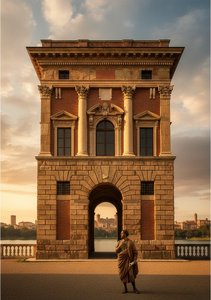
Giulio Romano: A Master of Mannerism & the Palazzo Te Legacy
Explore the revolutionary art of Giulio Romano, master of Mannerism & architect of Palazzo Te. Discover his influence, investment potential, and stunning frescoes – a guide for discerning collectors.
