Pregledaj u prostoru
 Pošalji
 Podeli
 Detalji o delu

 Преузми
 Slični predmeti
 Rendgenski snimak
 Slajdovi
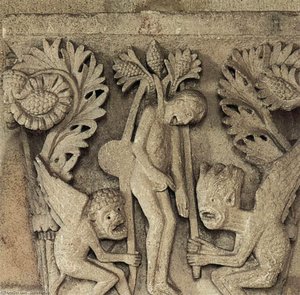
Samoubistvo Judasa


 Pročitaj više
Ručno rađena uljana reprodukcija
Ručno oslikano uljanim bojama na platnu u dimenzijama i okviru po vašem izboru, izrađeno po porudžbini od strane naših umetnika. ( Pređi na štampu Prebacite na sliku)




P118B $10

P118H $10

P118W $10

P438Z $10

P508JH $12

P508YH $12

P805H $10

P805Z $10

P919BZ $10

P919G $10

P919XJ $10

P959ZH $10

P968JZ $12

W106C $8

W218G $10

W218JH $8

W218Y $10

W307PJ $10

W316G $10

W316PJ $8

W316Y $10

W398PJ $8

W4111J $10

W500HY $15

W500JH $15

W692G $12

W849H $8

W940BG $15

W953PJ $8




Izaberite jednu od naših unapred definisanih veličina koje odgovaraju originalnim proporcijama umetničkog dela.

Можете унети сопствене димензије како бисте прилагодили дело одређеном оквиру или простору. Ако одабрана величина не одговара пропорцијама оригинала, слика ће бити исечена или проширена додатним елементима који се ручно насликавају. Дигитални prikaz ће вам бити послат на одобрење пре почетка производње.
Имајте на уму да преглед на екрану не одражава стварно исецање или проширење. Само приказ (mockup) ће тачно приказати коначну композицију.
Иако су доступне прилагођене величине, препоручујемо да одаберете димензију из дефинисане листе како бисте сачували оригиналне пропорције.
Nakon narudžbine, tim OriginalUniqueArt.com će klijentu putem e-pošte poslati uputstva i dostaviti prikaz predloženog rešenja
Isporuka širom sveta () za 3/4 nedelje umesto uobičajenih 5 nedelja. (11 август). Bez kompromisa po pitanju kvaliteta.

Besplatna ekspresna dostava širom sveta

Visokokvalitetno laneno platno

Kompletno osiguranje transporta

Garancija povraćaja carine i uvoznih dažbina

Garancija vernosti boja

Politika povrata u roku od 60 dana (samo u slučaju nedostataka)

Garancija povrata novca od 100%

Popust pri grupnoj kupovini
 Opcija sa staklom dostupna je samo za dimenzije manje od 110 cm

Samoubistvo Judasa
Tehnika reprodukcije
Dimenzije reprodukcije
-


Konačna cena
$ 300
Opis umetničkog dela
Gislebertus: The Sculptor of Autun Cathedral’s Divine Vision
Saint Lazare Cathedral in Autun stands as a testament to Romanesque artistry and faith, primarily thanks to the monumental tympanum depicting “The Suicide of Judas,” created by Gislebertus around 1120-35. This masterpiece isn't merely a depiction of biblical narrative; it’s an embodiment of spiritual anguish and moral judgment—a profound exploration of human fallibility within the framework of Christian theology.A Dramatic Narrative Embodied in Stone
The scene portrays Judas hanging from a tree, surrounded by figures representing God, Christ, and demonic forces. The artist meticulously crafted this tableau using limestone, employing techniques characteristic of Romanesque sculpture – specifically deep carving—to achieve remarkable textural detail and expressive power. Notice the palpable tension conveyed through the positioning of the figures: Judas dominates the center, his body contorted in despair, while two devils assist him in his fatal act. This deliberate arrangement underscores the narrative’s core message – the inescapable consequences of betrayal and the triumph of evil over divine grace.Symbolism Rooted in Biblical Tradition
Gislebertus's artistic choices resonate deeply with Christian symbolism. The tree itself represents the Cross, symbolizing Christ’s sacrifice for humanity’s salvation. The devils embody Satan’s influence on Judas’s decision, highlighting the battle between good and evil that defines human existence. Furthermore, the triangular composition—formed by the heads of the demons—creates a visual balance that amplifies the emotional impact of the scene. It speaks to the viewer's own vulnerability in confronting moral dilemmas and underscores the inescapable reality of divine judgment.Technique and Artistic Legacy
The sculpture’s surface is remarkably smooth, achieved through painstaking polishing – a technique reflecting the cathedral’s ambition for grandeur and visual splendor. The original capitals were removed from Autun Cathedral and are now housed in the Musée Rolin, allowing scholars to study Gislebertus's masterful craftsmanship firsthand. His work stands as an unparalleled example of Romanesque sculpture, demonstrating not only technical skill but also a deep understanding of biblical storytelling and its ability to convey profound spiritual truths. It continues to inspire awe and contemplation centuries later, cementing Gislebertus’s place among the greatest artists of his time.Further Exploration
To delve deeper into this iconic artwork, you can explore additional resources: Learn more about Gislebertus’s artistic journey and the Cathedral of Saint Lazare.Biografija umetnika
Gislebertus: The Sculptor of Autun Cathedral’s Divine Vision
Gislebertus, a name etched in stone and whispered through the centuries, stands as one of the most remarkable figures of Romanesque sculpture. Specifically celebrated for his profound contribution to Saint Lazare Cathedral in Autym, France, he emerged from the fertile artistic landscape of Burgundy during a period profoundly shaped by religious fervor and burgeoning architectural ambition. Born sometime around 1120, Gislebertus lived through an era where art served as the primary language of the faithful. While biographical details remain scarce, scholars believe he was trained at Cluny Abbey, arguably the epicenter of European monastic art and intellectual life at the time. This formative experience instilled in him a deep understanding of biblical narratives and imbued his work with an unwavering devotion to Christian themes.
His initial role at Cluny involved assisting the master sculptor, cementing his position within a tradition prioritizing didactic storytelling—conveying moral lessons through visual representation. The cathedral’s ambitious project demanded exceptional skill, and Gislebertus quickly established himself as a pivotal talent. Recognizing the importance of providing solace to pilgrims afflicted with leprosy—a prevalent ailment during the 12th century—the Abbey envisioned Saint Lazare as more than just a place of worship; it was intended as a sanctuary for the marginalized. This vision profoundly impacted Gislebertus’ artistic sensibilities, prompting him to create reliefs that resonated with compassion and hope, featuring imagery designed to uplift those facing immense suffering.
Mastery of Emotion and Narrative Relief
The true genius of Gislebertus lies in his ability to translate complex theological concepts into visceral, physical forms. His work at Autun is characterized by a dramatic use of line and shadow that breathes life into the cold stone. In masterpieces such as the Suicide of Judas, created around 1120-30, he captures the raw horror and despair associated with treason. Through the depiction of hanging figures and menacing demonic entities, Gisleberus showcases an exceptional skill in capturing human psychological torment, a hallmark of the Romanesque style that pushes the boundaries of medieval expression.
Beyond the scenes of tragedy, his work also celebrates the spiritual journey of the faithful. In his Pilgrims relief, one can observe a powerful depiction of devotion, where strong lines and dramatic shadows emphasize the physical and spiritual weight of the pilgrimage. This ability to oscillate between the terrifying aspects of divine judgment and the quiet strength of religious perseverance makes his oeuvre uniquely captivating. His sculptures do not merely decorate a building; they act as a window into the medieval soul, inviting the viewer to contemplate the eternal struggle between good and evil.
Legacy and Historical Significance
The artistic development of Gislebertus represents a crucial bridge in the evolution of European art. While his roots are firmly planted in the Romanesque tradition of Cluny, his expressive power and narrative complexity hint at the burgeoning naturalism that would later define Gothic art. His work on the Dream of the Magi further demonstrates this sophisticated approach to storytelling, blending historical reverence with a sense of wonder.
The enduring significance of Gislebertus can be summarized through several key contributions:
- Narrative Innovation: He transformed architectural elements like tympanums into complex, readable storybooks for the illiterate masses.
- Emotional Depth: He moved beyond static iconography to introduce psychological depth and human emotion into stone sculpture.
- Cluniac Influence: He carried the high intellectual and spiritual standards of Cluny Abbey into the public sphere of cathedral architecture.
- Architectural Integration: His ability to harmonize intricate sculptural detail with the massive, heavy forms of Romanesque architecture remains a pinnacle of medieval craftsmanship.
Today, the works of Gislebertus remain some of the most studied and revered examples of 12th-century art. He remains a master whose hands, though long since returned to dust, continue to speak through the enduring stone of Autun, reminding us of a time when art was the ultimate vessel for the divine.

Gislebertus
1120 - 1135 , France
Osnovne informacije
- Artistic Movement Or Style: Romanesque Sculpture
- Artists Or Movements Influenced By This Artist: ['Gothic Style']
- Artists Who Influenced This Artist: ['Cluny School']
- Date Of Death: 1135
- Full Name: Gislebertus
- Nationality: French
- Notable Artworks:
- Pilgrims
- Last Judgment (detail)
- Dream of the Magi
- Place Of Birth: France
Povezani članci

Bronze Sculptures That Defined Art History | OriginalUniqueArt
Journey through art history with our Top 10 bronze sculptures! Explore masterpieces by Rodin, Michelangelo & more. Discover stories behind iconic statues and find museum-quality reproductions for your home decor at OriginalUniqueArt.com.

The Enduring Form: Exploring Themes & Techniques in Sculpture Across Historical Periods
Explore the rich history of sculpture from ancient masterpieces to contemporary innovations. Discover key techniques, influential artists & investment potential for discerning art collectors.
The Enduring Form: Sculpture Across History, Technique & Emotional Resonance
Explore the rich history of sculpture with OriginalUniqueArt. Discover key techniques, influential artists & investment potential for discerning collectors. Expert insights into valuing and collecting timeless masterpieces.

Bronze Age to Modern Masters: 10 Sculptures That Redefined Art | OriginalUniqueArt
Journey through art history with 10 legendary bronze sculptures – from Michelangelo's David to Rodin’s Thinker. Explore the stories, techniques & timeless beauty of these masterpieces. Find museum-quality reproductions & elevate your home decor on OriginalUniqueArt.com.
Nasleđe bronze: Istorija, tehnike i savremene interpretacije skulpture – vodič za kolekcionare
Istražite bogatu istoriju bronze i tehnike livenja skulptura. Saveti za kolekcionare, investiciono vrednovanje i savremene interpretacije aluminijumske bronze. OriginalUniqueArt – stručnjaci za umetnost.