
 Pregledaj u prostoru
 Pošalji
 Podeli
 Detalji o delu
 Vodič
Vodič

 Preuzmi
 Slični predmeti
 Rendgenski snimak
 Automatska prezentacija
 Pitanja i odgovori
 Statistika
Il camoscio morto

- 101.0 x 75.0 cm


 Pročitaj više
Giclee štampa / Umetnički otisak
Giclée štampa ili print na platnu muzejskog kvaliteta uz brzu izradu i raznovrsne opcije završne obrade. ( Kupite ručno oslikano delo Pređi na digitalnu sliku)




P118B дин10

P118H дин10

P118W дин10

P438Z дин10

P508JH дин12

P508YH дин12

P805H дин10

P805Z дин10

P919BZ дин10

P919G дин10

P919XJ дин10

P959ZH дин10

P968JZ дин12

W106C дин8

W218G дин10

W218JH дин8

W218Y дин10

W307PJ дин10

W316G дин10

W316PJ дин8

W316Y дин10

W398PJ дин8

W4111J дин10

W500HY дин15

W500JH дин15

W692G дин12

W849H дин8

W940BG дин15

W953PJ дин8




Izaberite jednu od naših unapred definisanih veličina koje odgovaraju originalnim proporcijama umetničkog dela.

Unesite željenu širinu i visinu kako bi se štampa uklopila u vaš ram ili zid. Štampu je moguće samo iseći, ali nikada povećati iznad dimenzija originalne slike, stoga format sa drugačijim proporcijama uzrokuje gubitak dela slike. Pre početka štampe, poslaćemo vam digitalni prikaz radi potvrde. Slika prikazana na ovoj stranici ne predstavlja stvarni isrez — to pokazuje samo digitalni prikaz.
Dostava širom sveta () za 2 nedelje umesto uobičajenih 4/5 nedelja. (5 новембар)

Besplatna ekspresna dostava širom sveta

Visokokvalitetno laneno platno

Potpuno osiguranje transporta

Garancija povraćaja carine i uvoznih dažbina

Garancija vernosti boja

Politika povraćaja u roku od 100 dana (samo u slučaju nedostataka)

Garancija povrata 100% novca

Popust na više proizvoda
 Opcija sa staklom dostupna je samo za dimenzije manje od 110 cm

Il camoscio morto
Giclee štampa / Umetnički otisak
Dimenzije reprodukcije
-


Ukupna cena
дин 8454
Giovanni Segantini’s ‘Il Camoscio Morto’: A Study in Alpine Melancholy
Giovanni Segantini's “Il Camoscio Morto” – "The Dead Chamois" – is a profoundly moving work that transcends the simple depiction of a deceased animal. Painted around 1890, this black and white masterpiece captures a moment of stark beauty within the dramatic landscape of the Italian Alps, revealing Segantini’s unique artistic vision and his deep connection to the natural world. Measuring 101 x 75 cm, the painting immediately draws the viewer into a scene of quiet contemplation, dominated by the slumped form of a chamois – a wild goat native to the region – resting peacefully in a bed of hay.
Divisionism and the Spirit of the Alps
Segantini’s style is inextricably linked to Divisionism, a technique pioneered by artists like Tomás y Bernardez and நிறுவित by William De Morgan. Rather than blending colors on the palette, Divisionists meticulously applied tiny dots or strokes of pure color – achieved through layering multiple glazes – allowing the viewer's eye to optically blend them. This method creates an ethereal luminosity and a remarkable sense of depth and texture, particularly evident in the rendering of the hay, the chamois’s fur, and the distant mountain peaks. Segantini’s approach wasn’t merely about technical skill; it was a deeply spiritual one, reflecting his belief that nature possessed a divine quality. He sought to capture not just what he saw, but how light itself interacted with the landscape – a pursuit central to Divisionist philosophy.
Symbolism of Loss and Resilience
The image of the dead chamois is laden with symbolic weight. The animal’s stillness suggests vulnerability and mortality, yet it's presented within a scene of remarkable serenity. Birds are scattered throughout the composition – some perched on the hay, others taking flight – representing both mourning and renewal. This juxtaposition speaks to the cyclical nature of life and death, a recurring theme in Segantini’s work. The chamois itself, a symbol of strength and agility in its natural habitat, now lies vulnerable, prompting reflection on the fragility of existence. The setting, a remote alpine pasture, further emphasizes this sense of isolation and the raw power of nature.
A Painter's Journey: Segantini’s Biography
Giovanni Segantini’s life story is as compelling as his art. Born in Graz, Austria, in 1858, he spent his formative years battling poverty and hardship, including a period of institutionalization following his mother’s death. This challenging upbringing instilled in him an unwavering determination and a profound respect for the simple beauty of the natural world. His self-taught artistic journey, fueled by a deep passion and a meticulous approach to technique, ultimately led to his recognition as one of Italy's most important landscape painters. “Il Camoscio Morto” stands as a testament to his resilience and his ability to transform personal struggles into enduring works of art.
Pitanja i odgovori
Gde mogu kupiti ručno oslikanu reprodukciju dela „Il camoscio morto”, autor Ђовани Сегантини?
„Il camoscio morto“ je dostupan kao ručno oslikana uljana reprodukcija na lanenom platnu. Porudžbinu možete izvršiti na stranici Ručno oslikana reprodukcija ulja na platnu, uz mogućnost izbora veličine.
Kolika je percepcija osvetljenosti dela „Il camoscio morto”, autor Ђовани Сегантини?
Sveukupno, "Il camoscio morto" je zabeležen kao deep_shadow. Percepcija osvetljenosti opisuje koliko delo deluje svetlo ili tamno.
Ko je umetnik koji stoji iza dela "Il camoscio morto"?
Delo "Il camoscio morto" je kreirao/la Ђовани Сегантини. Informacije na ovoj stranici opisuju originalno delo umetnika Ђовани Сегантини.
Biografija umetnika
Живот и рани године Ђовани Сегантинија
Ђовани Сегантини (рођен 15. јануара 1858. у Арку, тада Аустроугарска, умро 10. августа 1899. у Шјави ди Аббемађоре, близу Сондрија, Италија) био је италијански сликар познат по својим великим пасторалним пејзажима Алпа. Његов живот обележила је тешкоћа и коначни уметнички тријумф, кулминирајући у јединственом стилу који је спојио дивизионизам са симболистичком сликарством. Сегантинијева рана младост била је карактерисана сиромаштвом. Његов отац је био путујући трговац, оставивши његову мајку да га одгаја сама. Након мајчине смрти, побегао је из куће и завршио у миланском реформаторијуму. Управо је ту капелан препознао његов уметнички таленат и подстицао његов развој.
Уметнички развој и утицаји
Сегантини се школовао на престижној Академији Брера у Милану, где је упознао угледне личности покрета Скапиљатура. Ова група је заговарала одбацивање уметничких конвенција и прихватање сурове стварности живота. На његов рад значајан утицај су имали Антон Маув и Жан-Франсоа Миле, које му је представио Виторио Грубићи де Драгон, који је постао његов саветник и дилер. Ови уметници нагласили су реализам и приказ руралног живота. Сегантини је усвојио дивизионистички начин сликања, који је укључивао наношење малих тачака или потеза чисте боје једних поред других на платно. Ова техника је имала за циљ да створи оптичко мешање у оку посматрача, производећи живописне и светле ефекте.
Алпски пејзажи и симболистичка визија
Поред дивизионизма, Сегантини је у своје радове укључивао симболистичке елементе, уносећи дубље значење и алегоричне репрезентације живота, смрти и духовности. Његова слика "Капела Сант Антонија" стекла је признање због свог моћног квалитета и била је стечена од стране Друштва за лепе уметности у Милану. Сегантини је најпознатији по приказима Алпа, које је заробио у њихој величини и спокоју. Тежио је да представи не само физичку лепоту већ и духовну суштину ових пејзажа. У каснијим годинама провео је своје последње године у Швајцарској, где је створио нека од својих најзначајнијих дела, укључујући "Мртви срна", дубоко емотивни портрет смрти.
Наслеђе и историјски значај
Сегантинијева фузија дивизионизма и симболизма резултирала је препознатљивим стилом који га је издвојио од његових савременика. Запамћен је као један од најважнијих сликара Алпских пејзажа, успешно преносећи њихову лепоту и духовни значај. Његова иновативна употреба боје и светла утицала је на касније генерације уметника. Данас се Сегантинијева дела излажу у водећим музејима широм света, а његово наслеђе као мајстора сликарства наставља да инспирише љубитеље уметности. Радови попут "Две мајке" (Le due Madri) су снажни прикази материнства и руралног живота, док је "Живот" (La Vita) задивљујући приказ алпске лепоте и људских веза. Слика "Жена на извору" (Donna alla fonte), позната и као Alpenlandschaft mit Frau am Brunnen, је мирна сцена жене поред фонтане у Алпима.

Ђовани Сегантини
1858 - 1899 , Аустрија
Osnovne informacije
- Artistic Movement Or Style: Симболизам, Дивизионизам
- Artists Who Influenced This Artist:
- Антон Мауве
- Жан-Франсоа Миле
- Date Of Birth: 15. јануар 1858.
- Date Of Death: 10. август 1899.
- Full Name: Ђовани Сегантини
- Nationality: Италијан
- Notable Artworks:
- The Chancel of Sant Antonio
- Lavandaia
- Life (La Vita)
- Place Of Birth: Арко, Аустрија
Povezani članci

White on Canvas: 10 Masterpieces & Timeless Elegance for Your Home Decor
Explore 10 iconic white paintings by Monet, Whistler & Rothko! Discover the stories behind these serene masterpieces and their impact on art history. Find museum-quality reproductions for your home decor at .

Shadow & Soul: Why Black & White Photography Remains the Ultimate Power Move in Modern Art
Discover why black & white photography remains a powerful force in contemporary art. Explore the impact of light, shadow, and texture through a visual journey of monochrome mastery and learn how to elevate your space with timeless grayscale aesthetics.

Monochrome Visions: Exploring the Aesthetic & Historical Significance of Black & White Photography
Explore the rich history & artistic power of black and white photography. From early techniques to iconic masters like Ansel Adams, discover why monochrome continues to captivate art lovers today. Expert insights for collectors.

Dark Masterpieces: 10 Iconic Paintings Dominated by Black Tones |
Explore 10 iconic paintings dominated by black tones, from Rembrandt’s chiaroscuro to Goya's dark expressions. Discover the stories behind these masterpieces & find museum-quality art reproductions for your home at .
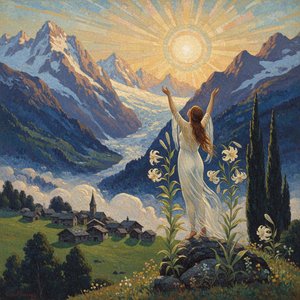
Giovanni Segantini: Capturing Alpine Light & Symbolist Visions
Explore the captivating world of Giovanni Segantini, master of Alpine landscapes & Symbolist art. Discover his innovative techniques, allegorical masterpieces like 'La Vita,' and enduring legacy. Learn about this pivotal 19th-century Italian painter.