
 Pregledaj u prostoru
 Pošalji
 Podeli
 Detalji o delu

 Преузми
 Slični predmeti
 Rendgenski snimak
 Slajdovi
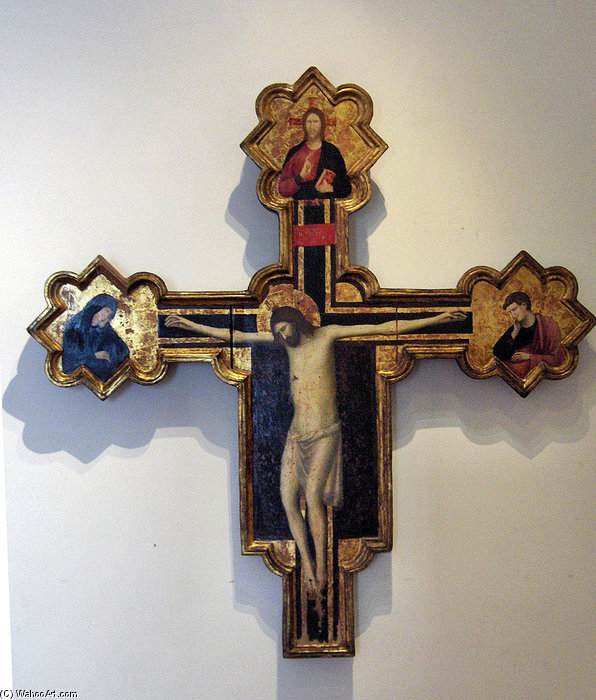
Crocifisso Datato
 Pročitaj više
Kupite digitalnu sliku visoke rezolucije i poboljšanog kvaliteta, koja je znatno superiornija od onoga što vidite u online prikazu.
Svaka datoteka je pedantno pripremljena od strane naših stručnjaka koristeći napredne alate i profesionalnu ručnu retušu. Osiguravamo da svaka slika ima izuzetnu oštrinu, preciznu reprodukciju boja i fine detalje.
Konačna datoteka se dostavlja putem e-pošte u roku od 72 sata, optimizovana za neposrednu upotrebu u profesionalnim, izdavačkim i štamparskim okruženjima. To je isti kvalitet kojem veruju vrhunski studiji dizajna, izdavači i galerije.
Digitalna slika
Preuzmite datoteku visoke rezolucije za ličnu upotrebu, štampanje i kreativne projekte. ( Kupi print Kupi ručno naslikanu sliku)
Uključeno uz svaku porudžbinu digitalne slike
Profesionalna digitalna isporuka, zagarantovana
Kada odaberete OriginalUniqueArt.com, ne dobijate samo sliku – vi primate profesionalno unapređeno digitalno umetničko delo, izrađeno sa najvećom preciznošću i uz garanciju zadovoljstva. Evo svega što automatski dolazi uz vašu porudžbinu:

Brza dostava putem e-pošte
Vaša digitalna slika visoke rezolucije biće vam poslata putem e-pošte u roku od 72 sata od poručivanja – spremna za trenutnu upotrebu.

Digitalna datoteka unapređena veštačkom inteligencijom
Vaše umetničko delo je profesionalno optimizovano korišćenjem naprednih AI alata i ručne obrade, čime se osiguravaju maksimalni detalji, oštrina i preciznost boja.

Besplatna ponovna isporuka doživotno
Slučajno ste obrisali ili izgubili svoju datoteku? Ne brinite – poslaćemo vam je ponovo u bilo kom trenutku, potpuno besplatno.

Bez troškova uvoza – zauvek
Uživajte u svojim umetničkim delima trenutno, bez carine, dažbina ili troškova dostave – digitalni download je uvek bez poreza.

Garancija vernosti boja
Uz pomoć profesionalnih alata i upravljanja bojama, osiguravamo da vaša digitalna slika što vernije odražava originalne boje.

Garancija zadovoljstva u roku od 60 dana
Ako niste zadovoljni svojom digitalnom slikom, revidirat ćemo je ili vratiti 100% novca u roku od 60 dana – bez ikakvih pitanja.

100% garancija povrata novca
Niste zadovoljni? Obezbedite pun povrat novca u roku od 60 dana od trenutka kada ste primili svoju digitalnu datoteku – bez suvišnih pitanja.

Popusti na velike porudžbine
Kupite 3 slike, uštedite 10% - Kupite 5 slika, uštedite 15% - Kupite 10+ slika, uštedite 20%. Odlično za kreativne projekte, galerije i agencije.
Biografija umetnika
A Life Emerging from the Shadows: Giovanni Francesco da Rimini
Giovanni Francesco da Rimini, a name that resonates softly within the annals of Renaissance painting, represents a fascinating case study in artistic attribution and rediscovery. Born around 1420 in the vibrant city of Rimini, nestled along the Adriatic coast of Italy, he initially existed as little more than a stylistic label – “The Master of the Scenes from the Life of the Virgin” – until diligent scholarship began to piece together his biography through fragmented archival records and compelling artistic evidence. His story is not one of meteoric rise or groundbreaking innovation, but rather a testament to consistent skill, devout artistry, and a subtle yet significant contribution to the religious painting of his time.Early Training and Artistic Wanderings
The details of Giovanni Francesco’s early training remain elusive, shrouded in the typical obscurity that often surrounds artists predating widespread biographical documentation. It is believed he began his artistic journey within the local workshops of Rimini, absorbing the prevailing northern Italian traditions characterized by a blend of lingering Gothic sensibilities and the nascent stirrings of Renaissance naturalism. By 1441, documents place him in Padua, a crucial center for artistic exchange under the influence of Francesco Squarcione, whose workshop fostered a revivalist interest in classical antiquity. This period likely exposed Giovanni Francesco to a broader range of influences, shaping his developing style and technical approach. His movements continued, with repeated appearances in Bologna between 1459 and 1469, where he undertook numerous commissions for church altarpieces and devotional panels. These travels weren’t merely geographical shifts; they were immersions into diverse artistic climates, each leaving an imprint on his evolving oeuvre.A Style of Quiet Devotion
Giovanni Francesco da Rimini's paintings are immediately recognizable by their distinctive character – a quiet devotion that permeates every brushstroke. He primarily worked in egg tempera on wood panels, favoring intimate compositions centered around the Virgin and Child. His figures possess a gentle grace, with fair complexions, large expressive eyes, and an overall sense of serene piety. While contemporaries were experimenting with dramatic perspective and anatomical precision, Giovanni Francesco remained largely faithful to established conventions. This isn’t to suggest a lack of skill; rather, his mastery lay in refining existing traditions, imbuing them with a delicate emotionality and meticulous attention to detail. His use of gold leaf adds a luminous quality to his works, enhancing the spiritual atmosphere and emphasizing the sacred nature of his subjects. The architectural settings within his paintings – often featuring classical arches and columns – provide a dignified backdrop for these tender scenes, evoking a sense of timeless reverence.Influences and Artistic Connections
Pinpointing specific influences on Giovanni Francesco’s work is a complex undertaking. While the impact of Squarcione's workshop in Padua is evident, particularly in his early works, he also demonstrates an awareness of other regional styles. Some scholars have noted connections to Bonfigli, whose influence can be seen in certain aspects of his composition and color palette. More intriguingly, the sculptures of Agostino di Duccio appear to have informed his depictions of depth and form, suggesting a broader engagement with contemporary sculptural practices. However, Giovanni Francesco never fully embraced the radical innovations of artists like Mantegna or Piero della Francesca. His style occupies a unique position – a bridge between the Gothic past and the burgeoning Renaissance, characterized by a conservative approach that prioritized religious piety over groundbreaking naturalism.Legacy and Historical Significance
Giovanni Francesco da Rimini died in Bologna around 1469, leaving behind a relatively small but remarkably consistent body of work. For centuries, his paintings were attributed to various anonymous masters, their authorship lost to the passage of time. It wasn’t until the early 20th century that Corrado Ricci began to systematically identify and attribute works to “Hovanes Franciscus da Rimino,” initiating a process of rediscovery that continues today. While he may not be a household name like Leonardo or Michelangelo, Giovanni Francesco's contribution to Renaissance art is significant. He represents the often-overlooked artists who sustained regional traditions, catering to the devotional needs of private patrons and contributing to the rich tapestry of Italian painting beyond the major artistic centers of Florence and Venice. His works offer a poignant glimpse into the spiritual life of the 15th century, reminding us that beauty and devotion can flourish even in the shadows of more celebrated masters. His paintings are not about revolution; they are about reverence.
giovanni francesco da rimini
1425 - 1470 , Italy
Kratke činjenice
- Artistic Movement Or Style: Renaissance painting
- Artists Who Influenced This Artist:
- Agostino di Duccio
- Bonfigli
- Date Of Birth: 1425
- Date Of Death: 1470
- Full Name: Giovanni Francesco da Rimini
- Nationality: Italian
- Notable Artworks:
- Stories of the Life of Christ
- St Philip; St Paul
- Virgin and Child
- Place Of Birth: Rimini, Italy

