Veličina teksta

() ·

Slika napravljena za vas, ručno

Madonna with the Child

Ručno rađena uljana reprodukcija

Ručno oslikano uljanim bojama na platnu u dimenzijama i okviru po vašem izboru, izrađeno po porudžbini od strane naših umetnika. ( Pređi na štampu Pređi na digitalnu sliku)

Opis predmeta

Explore Giovanni Bellini’s "Madonna with the Child" (1460). A serene Renaissance masterpiece featuring Mary & Jesus in exquisite detail. Admire its beauty and historical significance!

Biografija umetnika

Meta Description: Giovanni Bellini (1433-1516): Italijanski majstor Renesanse poznat po živim bojama i spokojnim Madonnama koje su inspirisale umetnost čitavog Venecije! Uticajan je bio na Giorgiona i Titiana.

od ·

Poglavlje 1

Koje bi dimenzije trebalo da ima?

Prevucite da promenite veličinu; slika levo prikazuje okvir u njegovoj stvarnoj širini. Proporcije originala su zadržane.

Standardne dimenzije
po meri
CM
INCH

Izaberite jednu od naših unapred definisanih veličina koje odgovaraju originalnim proporcijama umetničkog dela.

širina
visina

Unesite potrebnu širinu i visinu kako bi se slika uklopila u vaš ram ili zid. Pošto je ovo ručno oslikano delo, umetnik može za dimenzije drugačijeg oblika naslikati malo više prostora oko slike ili malo skratiti ivice — izbor je na vama. Pre početka rada, poslaćemo vam digitalni prikaz radi potvrde. Slika prikazana na ovoj stranici ne predstavlja konačan rezultat — samo digitalni prikaz pokazuje stvarnu sliku.

Poglavlje 2

Na koji način želite da vam stigne?

Izaberite ivice platna

Izaberite svoj okvir

Corner sample of the WhiteWrap canvas edge finish, stretched on masivno drvo bars
Beli rub дин1
Corner sample of the BlurSideWrap canvas edge finish, stretched on masivno drvo bars
zamrljene ivice дин1
Corner sample of the ExtendedWrap canvas edge finish, stretched on masivno drvo bars
Prošireno дин1
Corner sample of the P118B picture frame: oblikovani polistiren, 5 cm wide and 3 cm thick
P118B дин10
Corner sample of the P118H picture frame: oblikovani polistiren, 5 cm wide and 3 cm thick
P118H дин10
Corner sample of the P118W picture frame: oblikovani polistiren, 5 cm wide and 3 cm thick
P118W дин10
Corner sample of the P438Z picture frame: oblikovani polistiren, 5.5 cm wide and 3.5 cm thick
P438Z дин10
Corner sample of the P508JH picture frame: oblikovani polistiren, 7 cm wide and 3.5 cm thick
P508JH дин12
Corner sample of the P508YH picture frame: oblikovani polistiren, 7 cm wide and 3.5 cm thick
P508YH дин12
Corner sample of the P805H picture frame: oblikovani polistiren, 5 cm wide and 3.5 cm thick
P805H дин10
Corner sample of the P805Z picture frame: oblikovani polistiren, 5 cm wide and 3.5 cm thick
P805Z дин10
Corner sample of the P919BZ picture frame: oblikovani polistiren, 7 cm wide and 3.5 cm thick
P919BZ дин10
Corner sample of the P919G picture frame: oblikovani polistiren, 7 cm wide and 3.5 cm thick
P919G дин10
Corner sample of the P919XJ picture frame: oblikovani polistiren, 7 cm wide and 3.5 cm thick
P919XJ дин10
Corner sample of the P959ZH picture frame: oblikovani polistiren, 5 cm wide and 3 cm thick
P959ZH дин10
Corner sample of the P968JZ picture frame: oblikovani polistiren, 6 cm wide and 4 cm thick
P968JZ дин12
Corner sample of the W106C picture frame: masivno drvo, 5 cm wide and 3 cm thick
W106C дин8
Corner sample of the W218G picture frame: masivno drvo, 5 cm wide and 3 cm thick
W218G дин10
Corner sample of the W218JH picture frame: masivno drvo, 5 cm wide and 3 cm thick
W218JH дин8
Corner sample of the W218Y picture frame: masivno drvo, 5 cm wide and 3 cm thick
W218Y дин10
Corner sample of the W307PJ picture frame: masivno drvo, 6 cm wide and 3 cm thick
W307PJ дин10
Corner sample of the W316G picture frame: masivno drvo, 6 cm wide and 3 cm thick
W316G дин10
Corner sample of the W316PJ picture frame: masivno drvo, 6 cm wide and 3 cm thick
W316PJ дин8
Corner sample of the W316Y picture frame: masivno drvo, 6 cm wide and 3 cm thick
W316Y дин10
Corner sample of the W398PJ picture frame: masivno drvo, 5 cm wide and 3 cm thick
W398PJ дин8
Corner sample of the W4111J picture frame: masivno drvo, 6.5 cm wide and 3.5 cm thick
W4111J дин10
Corner sample of the W500HY picture frame: masivno drvo, 7 cm wide and 5 cm thick
W500HY дин15
Corner sample of the W500JH picture frame: masivno drvo, 7 cm wide and 5 cm thick
W500JH дин15
Corner sample of the W692G picture frame: masivno drvo, 8 cm wide and 4 cm thick
W692G дин12
Corner sample of the W849H picture frame: masivno drvo, 5 cm wide and 3 cm thick
W849H дин8
Corner sample of the W940BG picture frame: masivno drvo, 7.5 cm wide and 4.5 cm thick
W940BG дин15
Corner sample of the W953PJ picture frame: masivno drvo, 6 cm wide and 3.5 cm thick
W953PJ дин8
Corner sample of the H24-GOLD picture frame: rezbarano drvo sa gessoom, 10 cm wide and 6 cm thick
H24-GOLD дин30
Corner sample of the H24-SILVER picture frame: rezbarano drvo sa gessoom, 10 cm wide and 6 cm thick
H24-SILVER дин30
Corner sample of the H36-GOLD picture frame: rezbarano drvo sa gessoom, 15 cm wide and 6.5 cm thick
H36-GOLD дин45
Corner sample of the H36-SILVER picture frame: rezbarano drvo sa gessoom, 15 cm wide and 6.5 cm thick
H36-SILVER дин45

Profil: . Ukupna veličina sa okvirom: .

Poglavlje 3

Ko ga slika i da li bi trebalo nešto da se promeni?

Primeri onoga što se može promeniti: Zamena lica fotografijom kupca; Dodavanje ljubimca (npr. zamena mačke psom); Uključivanje skrivene poruke u pozadini; Promena pejzaža ili elemenata u pozadini.
Nakon porudžbine, tim OriginalUniqueArt.com će poslati imejl klijentu radi dobijanja uputstava i dostaviti prikaz makete

Svetska isporuka () za 3/4 nedelje umesto uobičajenih 5 nedelja. (9 новембар). Bez kompromisa po pitanju kvaliteta.

Poglavlje 4

Završni dodiri

Plakica, kao u muzeju?

Detalji gravirane bronze ploče

This elegant plaque features the artist's name and the title of the artwork, finely engraved for a timeless presentation.

It is made from bronze with a refined, elegant finish. The text is precisely laser-engraved for a sharp and permanent result. Measuring 9x2 cm, the plaque is compact yet easy to read. It's built to be durable and scratch-resistant, offering a professional, museum-quality look. Mounting is simple thanks to the included adhesive backing.

Detalji prozirne akrilne pločice

The plaque includes essential engraved details such as the artist's name, the title of the artwork, the date it was created, the type of media used-like oil on canvas or watercolor-a brief description of the piece, and a QR code that links to the complete artwork information.

It is crafted from clear acrylic, offering a sleek, modern appearance. The text is UV-engraved in black to ensure strong visual contrast. With a size of 10x15 cm, it ensures optimal readability. It comes equipped with two metal hooks for secure wall mounting. The plaque is designed to be weather-resistant, making it suitable for various environments, and it includes interactive features that work seamlessly with smartphone scanning.

Detalji crne akrilne pločice

This elegant plaque includes engraved information such as the artist's name, the title of the artwork, the date it was created, the type of media used (like oil on canvas or watercolor), a short description of the artwork, and a QR code for quick access to more information.

The plaque itself is made from refined black acrylic with a premium finish. The text is laser-engraved in white for high contrast and readability. Its size is 10x15 cm, designed to be easy to read. It comes with two metal hooks for professional mounting. The design is sleek and fits any interior style. It is also weather-resistant and durable, with built-in digital integration for mobile compatibility.

Zaštitni lak?

Kada vam je potrebno?

Poglavlje 5

Vaša slika, upravo onakva kakvu ste naručili

Madonna with the Child

Tehnika reprodukcije

Dimenzije reprodukcije

-

Vrhunski maestri umetnosti

Više detalja, prefinjenosti i dodatnog vremena za izradu

-

Okvir za reprodukciju

-

-

Za umetnička dela ili reprodukcije čija je bilo koja strana veća od 105 cm (približno 41 inč), okvir će biti isporučen u obliku rastavljenog seta za sklapanje. Ovaj metod osigurava bezbednu dostavu i sprečava oštećenja tokom transporta.

Potrebna je profesionalna montaža – ovo nije proizvod namenjen samostalnoj izradi.
Set mora sastaviti i platno zategnuti iskusni profesionalni ramitelj, koristeći drveni lepak (nije uključen u set), hvataljku za zatezanje platna i stege kako bi se održao prav ugao okvira dok se lepak suši. Nepravilno sklapanje ili neravnomerno zategnuto platno mogu trajno oštetiti umetničko delo, što nije pokriveno našom garancijom.

  • Sve šipke od masivnog drveta su uključene, precizno isečene po veličini.

  • Montira se pomoću priloženih šrafova, uz dodatno korišćenje lepka za drvo za spojeve u uglovima, koji nije uključen u set i koji vaš čuvar okvira mora obezbediti.

  • Potreban je profesionalni alat koji nije uključen u set: klešta za zatezanje platna (zatezač) i stege za održavanje pravih uglova letvica tokom sušenja lepka.

Važno:
Za spojeve u uglovima neophodan je lepak za drvo, šipke se moraju pričvrstiti stezgama dok lepak potpuno ne osuši, a za zatezanje platna na sklopljenom ramu potrebne su hvataljke za zatezanje platna. Nijedan od ovih alata nije uključen u komplet. Pre naručivanja ove veličine, molimo Vas da unapred obezbedite iskusnog profesionalca za ramačenje.

Kratki opis natpisa

-

-

Zaštitni lak

Sjajni lak (pojačava intenzitet boja, štiti od svetlosti i vlage)

-

Personalizujte svoje umetničko delo

Primeri mogućnosti izmene: Zamena lica fotografijom kupca; Dodavanje ljubimca (npr. zamena mačke psom); Uključivanje skrivene poruke u pozadini; Promena pejzaža ili elemenata pozadine.

-

Hitna dostava

Svetska isporuka () za 3/4 nedelje umesto uobičajenih 5 nedelja. (9 новембар). Bez kompromisa po pitanju kvaliteta.

-

Brza dostava

Dostava širom sveta () u roku od 5 nedelja. (16 новембар).

Uključeno u cenu

Ukupna cena

дин 34045

Ukupna cena дин 34045

Opcija sa staklom dostupna je samo za dimenzije manje od 110 cm

Uključeno uz svaku porudžbinu

  • Besplatna ekspresna dostava širom sveta
  • Visokokvalitetno laneno platno
  • Potpuno osiguranje transporta
  • Garancija povraćaja carine i uvoznih dažbina
  • Garancija vernosti boja
  • Politika povraćaja u roku od 100 dana (samo u slučaju nedostataka)
  • Garancija povrata 100% novca
  • Popust na više proizvoda

A Serene Vision: Giovanni Bellini’s Madonna with the Child

Giovanni Bellini's "Madonna with the Child," painted around 1460 and now residing in Bergamo, Italy, is more than just a depiction of the Virgin Mary and her infant son; it’s a profound meditation on faith, motherhood, and the burgeoning humanist spirit of Renaissance Venice. This painting isn’t merely a portrait; it's an invitation into a world of quiet reverence, meticulously crafted with Bellini’s signature mastery of color, light, and emotional resonance.

The composition itself is remarkably balanced, drawing the eye to Mary’s serene face – a study in gentle composure. Her pose, seated on a simple ledge, exudes an almost otherworldly tranquility. The infant Jesus, nestled securely within her arms, gazes upwards with an innocent curiosity that immediately connects with the viewer. Bellini skillfully avoids overt theatricality, opting instead for a naturalism that feels both timeless and deeply personal. Two figures are subtly integrated into the background – one standing behind Mary, offering a sense of watchful guardianship, and another positioned to the right, suggesting a broader context of devotion.

The Language of Color and Technique

Bellini’s choice of tempera as his medium is crucial to understanding the painting's luminous quality. Tempera allows for incredibly rich, vibrant colors that build gradually upon each other, creating an astonishing depth and luminosity rarely achieved with oil paints at this early stage in their development. Notice how he employs a delicate layering technique, building up tones and textures with painstaking precision. The blues of Mary’s veil and the subtle ochre hues of her garments aren't simply colors; they are carefully calibrated to evoke feelings of piety and grace.

The artist’s attention to detail is breathtaking. Observe the delicate folds of the drapery, rendered with a remarkable sense of volume and texture. The smooth, almost porcelain-like quality of Mary’s skin, contrasted against the softer contours of the infant Jesus, speaks volumes about Bellini's understanding of human anatomy and his ability to capture subtle nuances of expression. The use of light is particularly masterful – it seems to emanate from within the figures themselves, bathing the scene in a warm, diffused glow that reinforces the painting’s atmosphere of serenity.

A Window into Renaissance Venice

To fully appreciate "Madonna with the Child," one must consider its historical context. The painting emerged during a period of immense artistic and cultural ferment in Venice – a city at the heart of the burgeoning Renaissance. Bellini, along with his brother Gentile and other Venetian masters, was pushing the boundaries of traditional art, incorporating elements from Byzantine iconography while simultaneously embracing the new humanist ideals that were sweeping across Europe.

The painting’s setting—a simple ledge reminiscent of a devotional panel—reflects this shift. It moves away from the grand, imposing altarpieces of the Middle Ages and towards a more intimate, personal style of religious art. The inclusion of the book at the bottom left corner subtly references the importance of knowledge and wisdom within the Christian faith, adding another layer of symbolic meaning to the composition.

Symbolism and Emotional Resonance

Beyond its technical brilliance, "Madonna with the Child" is rich in symbolism. Mary’s crown, a subtle yet powerful emblem of her divine status, is balanced by her humble posture – a testament to her role as the Mother of God. The infant Jesus' gesture, reaching towards his mother, embodies the profound bond between them and serves as a poignant reminder of their shared humanity.

The painting’s enduring appeal lies in its ability to evoke a sense of quiet contemplation and spiritual connection. It is not merely a representation of a biblical scene; it's an invitation to step into a world of faith, love, and grace – a timeless masterpiece that continues to resonate with viewers centuries after its creation. Reproductions of this work offer a beautiful way to bring this serene vision into any space, fostering a sense of peace and reverence.

Pitanja i odgovori

Koliko su intenzivne boje dela "Madonna with the Child"?

Zasićenost boja u delu "Madonna with the Child" iznosi Balanced Soft, dok je intenzitet Balanced.

Koja je paleta boja korišćena u delu „Madonna with the Child”, autor Јован Антони Белини?

Paleta dela „Madonna with the Child”, autor Јован Антони Белини opisana je kao Earthy, što predstavlja sažet prikaz boja ovog umetničkog dela.

Na koji način se stil dela "Madonna with the Child" odnosi na epohu njegovog tvorca?

U delu „Madonna with the Child”, autor Јован Антони Белини, umetnički pravac Renaissance susreće eru Renesansa.

Saznajte više o ovoj slici

Pregledaj u prostoru AR pregled Pređi na štampu Pređi na digitalnu sliku Pošalji
Detalji o delu Vodič Dodaj u omiljene Preuzmi Slični predmeti Rendgenski snimak Automatska prezentacija Pitanja i odgovori Statistika

U brojevima

  • 1460godina kada je naslikano
  • 29okviri na izboru
  • standardne dimenzije, u sopstvenim proporcijama
  • 5nedelja za oslikavanje i isporuku
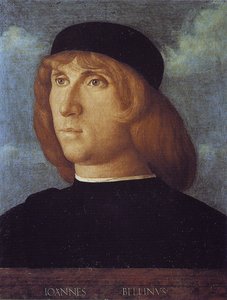
Јован Антони Белини

Јован Антони Белини

1433 - 1516, Италија

Kratke činjenice o umetniku Јован Антони Белини

  • Artistic Movement Or Style: Venetian School
  • Artists Or Movements Influenced By This Artist:
    • Giorgione
    • Titian
  • Artists Who Influenced This Artist:
    • Jacopo Bellini
    • Gentile Bellini
  • Date Of Birth: c. 1430
  • Date Of Death: 1516
  • Full Name: Giovanni Bellini
  • Nationality: Italian
  • Notable Artworks:
    • St. Jerome in the Desert
    • The Transfiguration
  • Place Of Birth: Venice, Italy

Biografija umetnika

A Venetian Master: The Life and Legacy of Giovanni Bellini

Giovanni Bellini, a name synonymous with the blossoming Renaissance in Venice, stands as a pivotal figure bridging the gap between the traditions of Byzantine art and the innovative spirit that would define the 16th century. Born around 1430 – though some sources suggest 1433 – into a family deeply entrenched in the artistic world, Bellini’s journey was one of continuous evolution, marked by a profound sensitivity to color, light, and the burgeoning humanism of his era. The precise nature of his familial relationships has been debated; for years Jacopo Bellini was considered his father, but modern scholarship increasingly points towards Jacopo being Giovanni's elder half-brother, with Gentile Bellini as his nephew rather than sibling. Regardless of these intricacies, young Giovanni grew up immersed in a workshop brimming with creativity and technical expertise, absorbing the foundations of painting from an early age. His initial training likely involved the traditional tempera techniques favored at the time, but it was his innate talent for observation and emotional expression that would set him apart.

Early Influences and Artistic Development

The artistic landscape of 15th-century Venice was a unique blend of influences. The city’s position as a major trading hub exposed its artists to diverse styles and ideas, while the Byzantine heritage continued to exert a strong pull. Bellini's early works reflect this duality. Initially, his style bore the mark of his father and brother, Gentile, with compositions often characterized by meticulous detail and a somewhat restrained emotional palette. However, even in these early pieces, hints of his future brilliance began to emerge – a delicate handling of light, a growing interest in naturalistic settings, and an ability to imbue religious figures with a palpable sense of human pathos. The influence of Andrea Mantegna, his brother-in-law, is also readily apparent during this period, particularly in the clarity of line and sculptural forms. Bellini’s early commissions often involved collaborative projects, such as his contributions to the Scuola di San Marco alongside Gentile and other prominent Venetian artists. These large-scale works provided invaluable experience and allowed him to hone his skills while working alongside some of the most talented painters of the day.

Revolutionizing Venetian Painting: Color, Light, and Oil

Bellini’s true revolution lay in his embrace of oil paint. While not the inventor of the technique, he was among the first Venetian artists to fully exploit its potential. Unlike tempera, which dried quickly and demanded a precise, linear approach, oil paint allowed for greater blending, richer colors, and subtle gradations of tone. This newfound freedom enabled Bellini to create paintings with an unprecedented depth and luminosity. His use of color became increasingly sophisticated, moving away from the bright, often harsh hues of earlier Venetian painting towards a more nuanced and harmonious palette. He masterfully captured the effects of light and atmosphere, imbuing his landscapes with a sense of serenity and realism that was groundbreaking for its time. This mastery of oil paint not only transformed his own work but also laid the foundation for the distinctive style that would come to define the Venetian school – a style celebrated for its sensuousness, coloristic richness, and atmospheric perspective. He achieved this remarkable feat by meticulously studying the interplay between light and shadow, creating illusions of depth and dimensionality that captivated viewers.

Mature Works and Lasting Influence

As Bellini matured, his artistic vision continued to evolve. His altarpieces, such as those created for the churches of San Zaccaria and Santa Corona, demonstrate his ability to create complex compositions filled with symbolic meaning and emotional resonance. The *Transfiguration*, now housed in the Capodimonte Museum in Naples, exemplifies his mature style – a serene spirit combined with ripened artistic powers. He also served as conservator of the paintings in Doge’s Palace, further solidifying his reputation as Venice's leading artist. His influence extended far beyond his own lifetime. He became a mentor to a generation of younger painters, including Giorgione and Titian, who would carry on his legacy and push the boundaries of Venetian art even further. These pupils absorbed Bellini’s techniques and aesthetic principles, adapting them to their own individual styles and contributing to the golden age of Venetian painting. Bellini's impact can be seen in the works of countless artists who followed, solidifying his place as a true master of the Renaissance. He died in Venice in 1516, leaving behind a body of work that continues to inspire awe and admiration centuries later.

A Legacy Enduring Through Time

Giovanni Bellini’s significance extends beyond his technical innovations and artistic achievements. He captured the spirit of a changing world – a world grappling with new ideas about humanity, spirituality, and the relationship between art and nature. His paintings are not merely representations of religious scenes; they are profound meditations on faith, beauty, and the human condition. His ability to imbue his figures with dignity and grace, combined with his masterful use of color and light, created a visual language that resonated deeply with his contemporaries and continues to captivate audiences today. *Bellini’s legacy is not simply one of artistic brilliance; it is a testament to the power of art to transcend time and connect us to the enduring values of human experience.* From the serene beauty of his Madonnas to the dramatic intensity of his religious scenes, Bellini's work remains a cornerstone of Western art history.

Osnovne informacije

  • Artistic style: Religious painting
  • Influences:
    • Byzantine art
    • Flemish painting
  • Year: 1460-1464
  • Notable elements: Blue veil, halo, landscape
  • Artist: Giovanni Bellini
  • Location: Museo Correr, Venice

Kviz o umetnosti

Svako pitanje ima samo jedan tačan odgovor.

Pitanje 1:
What is the primary subject of Giovanni Bellini’s ‘Madonna with the Child’?
Pitanje 2:
According to the image description, what is a notable characteristic of Bellini’s brushstrokes in this painting?
Pitanje 3:
In what year was Giovanni Bellini born?
Pitanje 4:
The image description mentions that the painting’s composition is balanced. What element contributes to this balance?
Pitanje 5:
Based on the provided research, what artistic movement significantly influenced Bellini’s style in this painting?
Istražite umetnička dela organizovana prema temama, stilovima i karakteristikama.