

 Pregledaj u prostoru
 Podeli
 Podeli
 Detalji
 Vodič
Vodič

 Preuzmi sliku
 Slični predmeti
 Rendgenski snimak
 Automatska prezentacija
 Statistika
justice


 Pročitaj više
Giclee štampa / Umetnički otisak
Giclée štampa ili print na platnu muzejskog kvaliteta uz brzu izradu i raznovrsne opcije završne obrade. ( Naručite ručno oslikano reprodukciju Pređi na prodaju digitalnih slika)




P118B дин10

P118H дин10

P118W дин10

P438Z дин10

P508JH дин12

P508YH дин12

P805H дин10

P805Z дин10

P919BZ дин10

P919G дин10

P919XJ дин10

P959ZH дин10

P968JZ дин12

W106C дин8

W218G дин10

W218JH дин8

W218Y дин10

W307PJ дин10

W316G дин10

W316PJ дин8

W316Y дин10

W398PJ дин8

W4111J дин10

W500HY дин15

W500JH дин15

W692G дин12

W849H дин8

W940BG дин15

W953PJ дин8




Izaberite jednu od naših unapred definisanih veličina koje odgovaraju originalnim proporcijama umetničkog dela.

Unesite širinu i visinu koja vam je potrebna, kako bi se uklopili u vaš ram ili na vaš zid. Štampa se može samo iseći, nikada ne može biti veća od originalne slike, stoga format sa drugačijim proporcijama gubi deo slike. Poslaćemo vam digitalni prikaz radi potvrde pre nego što započnemo štampu. Slika prikazana na ovoj stranici ne pokazuje stvarni rez — to pokazuje samo digitalni prikaz.
Dostava širom sveta () za 2 nedelje umesto uobičajenih 4/5 nedelja. (22 октобар)

Besplatna ekspresna dostava širom sveta

Visokokvalitetno laneno platno

Sveobuhvatno osiguranje transporta

Garancija povraćaja carine i uvoznih dažbina

Garancija vernosti boja i autentičnosti pri reprodukciji

Politika povraćaja u roku od 100 dana (samo u slučaju nedostataka)

Garancija povrata 100% novca

Popust pri većoj količini
 Opcija sa staklom dostupna je samo za dimenzije manje od 110 cm

justice
Giclee štampa / Umetnički otisak
Veličina reprodukcije
-


Ukupna cena
дин 8200
The Weight of Justice: Giotto’s Vision in “Justice”
Giotto di Bondone's "Justice," painted circa 1305, isn’t merely a portrait; it’s a profound meditation on moral order and the very foundations of society. Emerging from his workshop in Padua, this fresco—now meticulously reproduced as a stunning oil painting by OriginalUniqueArt—captures a pivotal moment in art history: the Proto-Renaissance, where Giotto began to dismantle the rigid conventions of Byzantine iconography and embrace a more humanistic, emotionally resonant style. The image depicts a seated woman, embodying Justice herself, rendered with an unprecedented sense of realism and psychological depth that would define the Renaissance aesthetic. She’s not a distant, ethereal figure but a powerfully grounded presence, radiating authority yet imbued with a quiet dignity.
The composition is strikingly formal, echoing the architectural grandeur of the Arena Chapel where it resides. The woman sits within an ornate niche, reminiscent of Gothic architecture, its arches and columns framing her like a sacred space. Below her, a decorative frieze—a series of small sculpted figures—adds layers of symbolic detail, hinting at the consequences of both righteous action and unjust behavior. The careful use of lines – sharp angles defining the architectural elements, flowing curves in the drapery – creates a sense of stability and structure, reflecting the underlying order Giotto sought to convey. The palette is restrained, dominated by earthy tones—ochres, browns, and deep reds—that lend the scene an air of solemnity and gravitas.
A Study in Symbolism
Giotto’s genius lies not just in his technical skill but in his masterful deployment of symbolism. The woman herself is a complex figure, representing Justice as both a legal principle and a moral ideal. Her crown and regal attire signify her authority, while the scales she holds represent the weighing of evidence—the careful consideration required to render true justice. Crucially, Giotto doesn’t depict Justice as an abstract concept; he humanizes her, imbuing her with a palpable sense of empathy and responsibility. The inclusion of figures representing both virtue and vice beneath her throne underscores the ongoing struggle between good and evil that defines the human condition.
The architectural setting is equally laden with meaning. The niche itself can be interpreted as a representation of divine judgment, while the sculpted frieze below serves as a visual reminder of the consequences of actions—rewards for virtue and punishments for vice. Notably, Giotto’s depiction of Justice aligns closely with earlier medieval representations of the concept, but he elevates it through his newfound realism and emotional intensity. The figures are no longer stylized icons; they possess individual characteristics and expressions, inviting viewers to connect with them on a deeper level.
The Proto-Renaissance Breakthrough
“Justice” stands as a cornerstone of Giotto’s revolutionary approach to painting. He moved decisively away from the flattened perspectives and symbolic abstractions of Byzantine art, embracing instead a more naturalistic representation of space and form. This shift is evident in the way he renders the folds of the woman's clothing, the subtle modeling of her face, and the sense of depth created by the architectural setting. Giotto’s innovations—his use of light and shadow to create volume, his attention to anatomical detail, and his ability to convey emotion through gesture—laid the groundwork for the High Renaissance and profoundly influenced generations of artists to come.
The fresco's influence extends beyond its aesthetic qualities; it represents a fundamental shift in artistic philosophy. Giotto sought to capture not just the outward appearance of his subjects but also their inner lives, reflecting a growing interest in human psychology that would characterize the Renaissance. His work signaled a move towards portraying humanity with dignity and complexity—a departure from the more didactic and symbolic approach of medieval art.
Bringing “Justice” Home
Today, OriginalUniqueArt’s meticulously crafted oil reproduction captures the essence of Giotto's masterpiece with breathtaking fidelity. Each brushstroke faithfully recreates the fresco’s rich textures and nuanced colors, allowing you to experience the profound beauty and intellectual depth of this iconic work of art. Whether adorning a grand salon or a smaller study, “Justice” serves as a timeless reminder of the enduring power of art to illuminate our understanding of morality, justice, and the human condition.
- Explore high-quality reproductions at OriginalUniqueArt
Pitanja i odgovori
Gde se preporučuje izlaganje dela "justice" u formatu Tall?
Format Tall dela „justice”, Đijoto Di Bondone preporučuje se za Living Room. Format i prostor zajedno služe kao smernica za postavljanje reprodukcije.
Koju paletu boja i kakav osećaj spaja "justice"?
U delu "justice", boje Neutrals prate Reflective osećaj.
Koji je format dela "justice"?
Format dela "justice" je Tall. Ovo je korisno prilikom planiranja mesta na kojem će reprodukcija biti postavljena.
Biografija umetnika
Đorđe di Bondone: Preteča Renesanse i Revolucija u Umjetnosti
Rođen oko 1267. godine u mirnim brdima blizu Firence, Đorđe di Bondone, poznatiji kao Đorđe, iz skromnih početaka se uzdigao da postane ključna figura u prelazu od srednjovjekovnih umjetničkih konvencija prema Renesansi. Legenda o njegovom ranom životu prepričava priču o dječaku pastiru koji je crtao nevjerovatno realistične ovce na stijeni, privukavši pažnju florentinskog majstora Čimabuea. Bez obzira da li je to istina ili narodna priča, ona sažima suštinu Đorđetove genijalnosti: urođenoj sposobnosti da uhvati prirodni svijet s bez presedana realizmom i emotivnom dubinom. Kao učenik Čimabuea, Đorđe je ubrzo nadmašio svog učitelja, usvajajući tehničke vještine, ali kujući vlastiti, prepoznatljivi put. Dominantni bizantski stil tog vremena preferirao je stilizovane figure, izravnatu perspektivu i bogata zlatna pozadina – simbole duhovnog transcendiranja, a ne zemaljskog predstavljanja. Đorđe je, međutim, želio prikazati čovječanstvo ne kao eterične ikone, već kao pojedince ispunjene osjećajima, koji postoje u opipljivom prostoru.
Odlazak od Bizantizma: Nova Prirodnost
Đorđetova umjetnička revolucija nije bila nagli preokret, već postepeni razvoj. Njegovi raniji radovi već su naznačivali promjenu koja je trebala doći, demonstrirajući sve veći naglasak na volumenu, težini i uvjerljivoj anatomiji. Počeo je posmatrati svjetlost i sjenu ne samo kao dekorativne elemente, već i kao sredstva za oblikovanje forme i stvaranje dubine. Ova začetna prirodnost vidljiva je u njegovim doprinosima freskama u Gornjem baziliki svetog Franje u Asiziju – iako se autorstvo i dalje raspravlja, mnogi učenjaci prepoznaju Đorđetov rukopis u scenama koje pokazuju oštru odmak od prevladavajućih bizantskih estetika. On nije samo odbacivao tradiciju; gradio je na njoj, infundirajući uspostavljene oblike novim osjećajem čovječnosti i emotivne rezonancije.
Svetište Scrovegni: Remek-djelo Pričanja Priča
Đorđetovo remek-djelo, a možda i jedno od najvažnijih djela zapadne umjetnosti, je ciklus freski koji krase Kapelu Scrovegni (poznatu i kao Arena kapela) u Padovi. Završen oko 1305. godine, ovo prekrasno serijal prikazuje život Kristov i Djevice Marije s revolucionarnim nivoom realizma i emotivne intenzivnosti. Svaka scena odvijava se poput pažljivo režiranog pozorišta, nastanjena likovima koji nisu samo predstavnici vjerskih arhetipa, već u potpunosti razvijeni ljudi koji iskusuju radost, tugu, strah i nadu. *Poslednji sud*, koji zauzima cijelu jednu zidnu površinu, snažna je posveta Đorđetovoj vještini prenošenja kako božanske veličine tako i sirove ranjivosti čovječanstva koje se suočava sa svojim konačnim obračunom. Upotreba perspektive, iako ne matematički precizna po standardima kasnijih renesansnih majstora, stvara uvjerljivu iluziju dubine, privlačeći gledatelja u narativ. Figure su ukorijenjene, njihova tijela posjeduju težinu i volumen, a izraze lica otkrivaju niz emocija koje ranije nisu viđene u religijskoj umjetnosti.
Izvan Fresaka: Arhitektura i Trajno Nasleđe
Đorđetovi talenti protezali su se izvan slikarstva; bio je i cijenjeni arhitekta. Godine 1334. povjeren mu je dizajn Kampanile – zvonika – Firentinske katedrale, projekat koji je pokazao njegov inovativni pristup arhitektonskom obliku. Iako je umro prije završetka, njegovi nacrti postavili su temelje za ovu kultnu florentinsku znamenitost. Njegov uticaj na sljedeće generacije umjetnika nemjerljiv je. On je premošćio jaz između srednjovjekovnog i renesansnog svijeta, otvarajući put majstorima poput Masaccia, Leonarda da Vincija i Michelangela. Vasari, u svom značajnom djelu *Životi umjetnika*, pripisao je Đorđu „dati slikarstvu veliku vještinu rada iz života“, svjedočanstvo njegovog dubokog uticaja na tok zapadne umjetnosti. Đorđe nije samo prikazivao svijet; želio ga je razumjeti, uhvatiti njegovu suštinu i prenijeti to razumijevanje snagom vizuelnog pripovjedačkog umijeća. Njegovo nasleđe nastavlja da bude izvor divljenja i poštovanja stoljećima nakon njegove smrti, čvrsto učvršćujući njegovo mjesto kao jednog od najvećih umjetničkih inovatora u istoriji.
Ključni Dostignuća i Trajno Uticaj
- Revolucionisao slikarstvo: Odmaknuo se od bizantske stilizacije prema naturalizmu i emotivnom realizmu.
- Pionir perspektive: Uveo tehnike za stvaranje dubine i prostorne svijesti u slikama.
- Majstorski pripovjedač: Stvorio uvjerljive narative putem ciklusa fresaka, kao što je Kapela Scrovegni.
- Arhitektonska dostignuća: Dizajnirao zvonik Firentinske katedrale, demonstrirajući arhitektonsku vještinu.
- Temelj za renesansnu umjetnost: Njegovo djelo postavilo je temelje za umjetnička postignuća renesansnog perioda.

Đijoto Di Bondone
1267 - 1337 , Italija
Brzi pregled
- Datum Rođenja: c. 1267
- Mesto Rođenja (Grad I Zemlja): Firenca, Italija
- Nacionalnost: Italijan
- Puno Ime: Đžoto di Bondone
- Slikari Ili Pokreti Pod Njegovim Uticajem:
- Masacio
- Renesansa
- Slikari Koji Su Uticali Na Njega: ['Čimabue']
- Umetnički Pokret Ili Stil: Proto-renesansa
- Značajna Dela:
- Skrovegnijeva kapela
- Madona Ognissanti
- Kampanila
Srodni članci
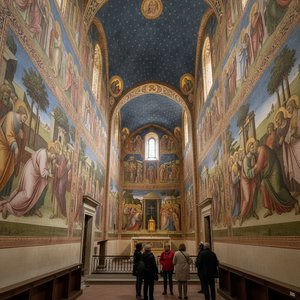
The Proto-Renaissance Revolution: How Giotto Shattered the Mold to Create Modern Visual Impact
Discover how the Proto-Renaissance shattered artistic norms. Explore Giotto’s revolutionary shift from flat Byzantine icons to raw human emotion and naturalism—the true origin of modern visual impact and storytelling in art history.

Gothic Vibes: From Dark Shadows to Bold Modern Edge | The Ultimate Trend Forecast
Explore the evolution of Gothic vibes, from historical shadows to bold modern edge. Discover how dark aesthetics, noir interiors, and contemporary subcultures are redefining modern design through a high-impact, trend-focused lens.
Proto-Renaissance Masters: 10 Artworks That Changed History | OriginalUniqueArt
Journey back to the dawn of Renaissance art! Explore 10 iconic Proto-Renaissance masterpieces by Giotto, Cimabue & Duccio. Discover their stories, techniques & lasting impact. Find museum-quality reproductions for your home at OriginalUniqueArt.com
Giotto di Bondone: 25 Remek-dela koji definišu renesansu | OriginalUniqueArt
Istražite 25 remek-dela Giotta di Bondonea i otkrijte renesansnu umetnost u punom sjaju. Freske, oltarske slike & istorija italijanske umetnosti na OriginalUniqueArt.com! Reprodukcije vrhunskog kvaliteta za vaš dom.
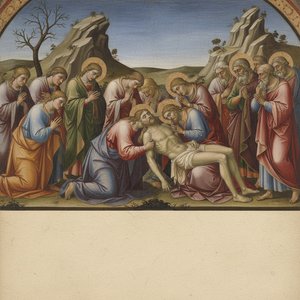
Giotto di Bondone: Revolutionizing Late Medieval Painting through Narrative Innovation
Explore the revolutionary art of Giotto di Bondone! Discover his groundbreaking techniques, iconic frescoes like those in the Arena Chapel, and lasting impact on Renaissance painting. A deep dive for art enthusiasts.




![Scrovegni - [05] - Joakimovo san](/media/artworks/images-thumb/8f/67/8f67bb5da87296bd452b3f0b237b528d.jpg)


