

 Pregledaj u prostoru
 Podeli
 Podeli
 Detalji
 Vodič
Vodič

 Preuzmi sliku
 Slični predmeti
 Rendgenski snimak
 Automatska prezentacija
 Statistika
The Prophet Elisha
 Oil On Canvas
- WallArt
- Renaissance
 1566
1566 40.0 x 29.0 cm
 Галерија Уфици
 Pročitaj više
Giclee štampa / Umetnički otisak
Giclée štampa ili print na platnu muzejskog kvaliteta uz brzu izradu i raznovrsne opcije završne obrade. ( Naručite ručno oslikano reprodukciju Pređi na prodaju digitalnih slika)




P118B дин10

P118H дин10

P118W дин10

P438Z дин10

P508JH дин12

P508YH дин12

P805H дин10

P805Z дин10

P919BZ дин10

P919G дин10

P919XJ дин10

P959ZH дин10

P968JZ дин12

W106C дин8

W218G дин10

W218JH дин8

W218Y дин10

W307PJ дин10

W316G дин10

W316PJ дин8

W316Y дин10

W398PJ дин8

W4111J дин10

W500HY дин15

W500JH дин15

W692G дин12

W849H дин8

W940BG дин15

W953PJ дин8




Izaberite jednu od naših unapred definisanih veličina koje odgovaraju originalnim proporcijama umetničkog dela.

Unesite širinu i visinu koja vam je potrebna, kako bi se uklopili u vaš ram ili na vaš zid. Štampa se može samo iseći, nikada ne može biti veća od originalne slike, stoga format sa drugačijim proporcijama gubi deo slike. Poslaćemo vam digitalni prikaz radi potvrde pre nego što započnemo štampu. Slika prikazana na ovoj stranici ne pokazuje stvarni rez — to pokazuje samo digitalni prikaz.
Dostava širom sveta () za 2 nedelje umesto uobičajenih 4/5 nedelja. (24 октобар)

Besplatna ekspresna dostava širom sveta

Visokokvalitetno laneno platno

Sveobuhvatno osiguranje transporta

Garancija povraćaja carine i uvoznih dažbina

Garancija vernosti boja i autentičnosti pri reprodukciji

Politika povraćaja u roku od 100 dana (samo u slučaju nedostataka)

Garancija povrata 100% novca

Popust pri većoj količini
 Opcija sa staklom dostupna je samo za dimenzije manje od 110 cm

The Prophet Elisha
Giclee štampa / Umetnički otisak
Veličina reprodukcije
-


Ukupna cena
дин 8248
A Moment of Divine Intervention: Exploring Vasari’s “The Prophet Elisha”
Giorgio Vasari's "The Prophet Elisha," painted in 1566 and now residing within the hallowed halls of the Uffizi Gallery in Florence, is more than simply a depiction of a biblical narrative; it’s a carefully constructed tableau brimming with Renaissance artistry and profound spiritual resonance. Measuring just 40 x 29 centimeters, this intimate canvas belies the monumental story it conveys – a scene plucked from the life of Elisha, a pivotal figure in the Hebrew Bible renowned for his miraculous feats and unwavering faith. Vasari masterfully captures a fleeting moment of divine intervention, a palpable sense of anticipation hanging in the air as Elisha addresses an unseen recipient.

The painting’s composition is a testament to Vasari's skill in orchestrating visual drama within a confined space. The central figure, Elisha himself, is rendered with remarkable attention to detail – the furrowed brow suggesting contemplation, the posture conveying authority and wisdom. His gesture, pointing towards an unseen element, invites the viewer’s imagination to fill the void, creating a dynamic interaction between the depicted scene and our own interpretation. The supporting figures—the man with the lute, the attentive listener—add layers of context, hinting at a gathering, perhaps a council or a celebration following a miraculous event. The muted palette – dominated by earthy browns, ochres, and subtle blues – contributes to an atmosphere of solemnity and reverence, while strategically placed light and shadow sculpt the forms and heighten the sense of depth.
Renaissance Symbolism and Religious Narrative
“The Prophet Elisha” is deeply rooted in the artistic conventions of the Italian Renaissance. Vasari’s approach aligns with the period's fascination with classical antiquity, evident in the figures’ balanced compositions and their idealized forms. However, unlike purely classical depictions, this work imbues its subject matter with a distinctly Christian sensibility. Elisha, as a prophet who performed miracles attributed to God, embodies faith, divine power, and the promise of salvation – themes central to Renaissance religious art. The lute-playing figure can be interpreted as representing musical devotion or perhaps the celebration of a recent miracle. The scene itself echoes biblical accounts, offering viewers a visual representation of a crucial moment in Elisha’s life and reinforcing the importance of faith and divine guidance.
Technique and Artistic Mastery
Vasari's mastery is evident in his meticulous rendering of textures and materials. The folds of the garments are rendered with astonishing realism, showcasing his deep understanding of human anatomy and drapery. The use of oil paint allows for a rich, luminous quality, particularly noticeable in the subtle gradations of light and shadow that define the figures’ forms. Vasari's technique is characterized by a delicate balance between observation and idealization – he faithfully captures the details of his subjects while simultaneously elevating them to a level of timeless beauty. The painting demonstrates a sophisticated understanding of perspective and spatial relationships, creating a convincing illusion of depth within the small canvas.
A Legacy Preserved: Vasari’s Contribution to Art History
Beyond its artistic merits, “The Prophet Elisha” holds significant historical importance as one of Giorgio Vasari's early works. It exemplifies his burgeoning talent and foreshadows the monumental architectural achievements that would later define his career – most notably, the design of the Uffizi Gallery itself. Vasari’s meticulous documentation of artists in his “Lives,” which he began during the creation of this painting, cemented his legacy as a pivotal figure in shaping our understanding of the Renaissance art world. Reproducing this piece allows us to appreciate not only Vasari's artistic skill but also his crucial role in preserving and celebrating the achievements of his predecessors. Today, it stands as a powerful testament to the enduring power of faith, artistry, and human ingenuity.
Pitanja i odgovori
Gde mogu videti originalno delo „The Prophet Elisha”, Ђорђо Вазари?
Originalno delo „The Prophet Elisha”, Ђорђо Вазари čuva se u muzeju Галерија Уфици, Firenca, Italy. Reprodukcija omogućava da se ovo umetničko delo izloži u vašem domu.
Odakle dolaze posetioci dela „The Prophet Elisha”, Ђорђо Вазари?
Postoji Statistika stranica za „The Prophet Elisha“. Ona prikazuje mesečne posete ovom umetničkom delu i drugim delima ovog umetnika, uz detaljnu analizu po državama i jezicima.
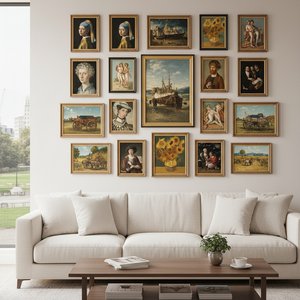
Na koji način se „The Prophet Elisha”, Ђорђо Вазари može iskoristiti u uređenju enterijera?
„The Prophet Elisha”, Ђорђо Вазари se preporučuje za Reflective, idealno u Living Room. Upotreba i prostor zajedno ukazuju na to gde reprodukcija najbolje pristaje.
Biografija umetnika
Живот испреплетен нитима ренесансе
Ђорђо Вазари, рођен у Арецу, Тоскани, 30. јула 1511. године, био је више од обичног сликара; он је био квинтeсенцијални представник духа италијанске ренесансе. Његов живот се одувијек одвијао као живописна таписерија исплетенa нитима умјетничке креативности, архитектонских иновација, проницљивог историјског писања и непоколебљиве посвећености слављењу мајстора који су били прије њега. Од раног школовања под Гуглијелмом да Марсиљом, вјештим занатлијом у витражним прозорима, младог Ђорђа је пут водио ка визуелној умјетности. Међутим, пресељење у Фиренцу са шеснаест година заиста је распалило његов потенцијал. Уроњен у динамичну кружницу Андрее дел Сарта и апсорбујући утицаје Роса Фиорентина и Ђакопа Понторма, Вазари је кренуо на пут који ће га учинити једном од најинфлуентнијих фигура свог доба. Формативне године су такође биле дубоко обиљежене покровитељством и пријатељством моћне породице Медичи, односом који је обликовао његову каријеру и његов став према улози умјетности у друштву.Умјетничка рука и око
Вазариов умјетнички стил се често категорише као манеризам, што одражава преовладајуће естетске трендове средине 16. вијека. Његове слике карактеришу издужене фигуре, динамичне композиције и софистицирана употреба боја – квалитети који су били високо цијењени током његовог живота. Иако можда није постигао исти ниво трајне славе као неки од умјетника које је хрониковао, Вазаријев таленат био је неоспоран. Позната дјела као што је *Радна соба сликара*, фреска смјештена у Casa Vasari у Арецу, нуде фасцинантан увид у умјетничку праксу тога времена. Сама скала и амбиција његових фресака за Палацо Веккио у Фиренци, започетих између 1555. и 1572. године, демонстрирају његово мајсторство великих декоративних шема. Његов коначни монументални подухват, *Страшни суд*, који краси куполу Катедрале у Фиренци – завршен након његове смрти од стране Федерика Цукарија – стоји као свједочанство његове непоколебљиве посвећености грандиозним умјетничким визијама. Осим сликања, Вазаријеви архитектонски доприноси су били једнако значајни. Дизајнирао је елегантну лођу Палацо дељи Уфици, трансформишући је у јавни трг и стварајући виталну везу у фирентинском градском пејзажу. Можда најпознатије, замислио је и надгледао изградњу Вазаријевог коридора, тајног пролаза који повезује Галерију Уфици са Палацом Пити – подвиг инжењеринга и архитектонске генијалности који и данас очарава посјетиоце.Историчар ковајући наслеђе
Ипак, вјероватно је као историчар умјетности да је Ђорђо Вазари обезбиједио своје најтрајније насљеђе. Његово монументално дјело, *Животи најистакнутијих сликара, вајара и архитекта*, објављено 1550. године (са ревидираним издањем 1568. године), револуционисало је начин на који се умјетност разумијевала и цијенила. Овај значајан текст није био само збирка биографија; успоставио је наративни оквир за развој италијанске ренесансне умјетности, пратећи њену еволуцију од раних мајстора као што су Чимабуе и Ђото до његових савременика Микеланђела и Рафаела. Вазаријев рад увео је сам концепт "Ренесансе" – обнове класичних идеала – и поставио основу за модерну историју умјетности као дисциплину. Иако признајући да Вазаријеви записи нису без пристрасности и нетачности, посебно у вези са умјетницима који су претходили његовом времену, утицај *Живота* остаје дубок. Пружио је кључни историјски контекст за умјетничку креацију, уздижући статус умјетника из вјештих занатлија до интелектуалних фигура достојних научне пажње.Утицаји и трајна значајност
Вазаријев умјетнички развој био је дубоко обликован његовом изложеношћу дјелима ренесансних мајстора. Његова посјета Риму 1529. године, гдје је проучавао умјетност Рафаела и других умјетника Високе ренесансе, показала се као преломна тачка. Упијао је њихове принципе композиције, анатомичне прецизности и идеализоване љепоте, уграђујући их у свој стил. Микеланђело, кога је Вазари веома цијенио, извршио је посебно снажан утицај и на његово сликање и архитектуру. Величественост и динамика карактеристична за Микеланђелов рад су видљиве у многим од Вазаријевих пројеката. Осим специфичних умјетника, шире интелектуалне струјања ренесансе – хуманизам, класично учење и обновљено интересовање за емпиријску опсервацију – такође су обликовале Вазаријев приступ умјетности и историји. Ђорђо Вазари је преминуо 27. јуна 1574. године у Фиренци, оставивши иза себе вишеструко насљеђе које и данас одјекује. Он није био само талентован умјетник и архитекта, већ и пионирски историчар чији су списи обликовали наше разумијевање једног од трансформативнијих периода у западној историји умјетности. Његов рад остаје неопходан за свакога ко жели да истражи богато културно наслеђе италијанске ренесансе.
Ђорђо Вазари
1511 - 1574 , Италија
Brzi pregled
- Artistic Movement Or Style: Манеризам
- Artists Or Movements Influenced By This Artist: ['Историја ренесансне уметности']
- Artists Who Influenced This Artist:
- Андреа дел Сартo
- Рафаел
- Микеланђело
- Date Of Birth: 30. јул 1511.
- Date Of Death: 27. јун 1574.
- Full Name: Ђорђо Вазари
- Nationality: Италијан
- Notable Artworks (List Of Titles):
- Студио сликара
- Страшни суд
- Поклоњење мудраца
- Place Of Birth (City And Country): Арецо, Италија
Srodni članci
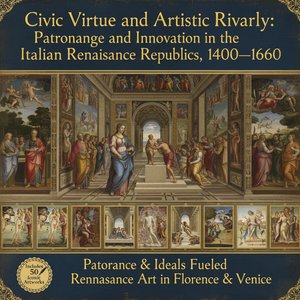
Civic Virtue and Artistic Rivalry: Patronage and Innovation in the Italian Renaissance Republics, 1400–1600
Explore the Italian Renaissance! Discover how competitive patronage & humanist ideals fueled artistic innovation in republics like Florence & Venice. Expert insights for art lovers and collectors.
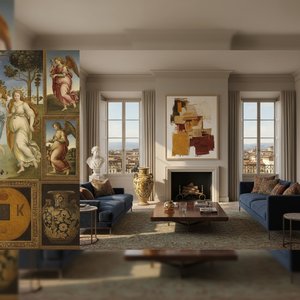
25 Remek-dela Galerije Uffizi: Putovanje kroz renesansnu lepotu | OriginalUniqueArt.com
Istražite 25 remek-dela Galerije Uffizi u Firenci! Otkrijte priče iza slika Leonarda da Vinčija, Mikelanđela i Botticellija. Pronađite inspiraciju za dekoraciju enterijera i kupite reprodukcije vrhunske kvalitete na OriginalUniqueArt.com.
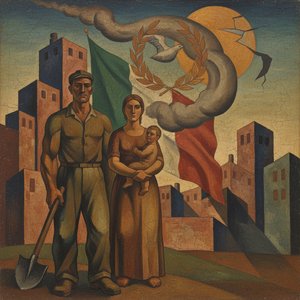
Mario Sironi: A Poetic of Modern Italian Identity Through Symbolism & Social Commentary
Explore the profound works of Mario Sironi, a key figure in Italian Modernism. Discover his evolution from Futurism to Metaphysical painting and his powerful social commentary. Learn about his legacy at OriginalUniqueArt.
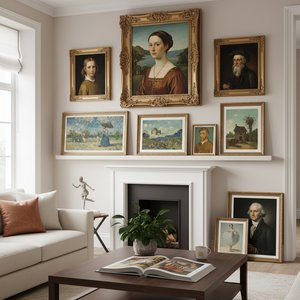
25 Remek-dela Nacionalne Galerije: Umetnička Baština Vašingtona za Ljubitelje Lepiote
Istražite 25 remek-dela Nacionalne galerije u Vašingtonu! Otkrijte priče iza Cezannea, Matissea i Picassa. Inspiracija za dekoraciju enterijera i vrhunske reprodukcije slika dostupne na OriginalUniqueArt.com.
25 Remek-dela Nacionalne Galerije Londona: Umetnička Inspiracija za Vaš Dom
Otkrijte 25 remek-dela Nacionalne galerije Londona! Istražite priče Van Goga, Moneta i drugih velikana. Inspiracija za dekoraciju enterijera & luksuzne reprodukcije slika dostupne na OriginalUniqueArt.com.

