

 Pregledaj u prostoru
 Podeli
 Podeli
 Detalji
 Vodič
Vodič

 Preuzmi sliku
 Slični predmeti
 Rendgenski snimak
 Automatska prezentacija
 Statistika
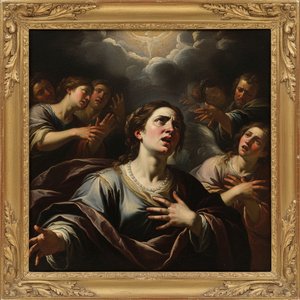
Three Beggars
 Oil On Canvas
- WallArt
- Baroque Painting
 1736
1736 131.0 x 95.0 cm
 Fundación Colección Thyssen-Bornemisza
 Pročitaj više
Giclee štampa / Umetnički otisak
Giclée štampa ili print na platnu muzejskog kvaliteta uz brzu izradu i raznovrsne opcije završne obrade. ( Naručite ručno oslikano reprodukciju Pređi na prodaju digitalnih slika)




P118B дин10

P118H дин10

P118W дин10

P438Z дин10

P508JH дин12

P508YH дин12

P805H дин10

P805Z дин10

P919BZ дин10

P919G дин10

P919XJ дин10

P959ZH дин10

P968JZ дин12

W106C дин8

W218G дин10

W218JH дин8

W218Y дин10

W307PJ дин10

W316G дин10

W316PJ дин8

W316Y дин10

W398PJ дин8

W4111J дин10

W500HY дин15

W500JH дин15

W692G дин12

W849H дин8

W940BG дин15

W953PJ дин8




Izaberite jednu od naših unapred definisanih veličina koje odgovaraju originalnim proporcijama umetničkog dela.

Unesite širinu i visinu koja vam je potrebna, kako bi se uklopili u vaš ram ili na vaš zid. Štampa se može samo iseći, nikada ne može biti veća od originalne slike, stoga format sa drugačijim proporcijama gubi deo slike. Poslaćemo vam digitalni prikaz radi potvrde pre nego što započnemo štampu. Slika prikazana na ovoj stranici ne pokazuje stvarni rez — to pokazuje samo digitalni prikaz.
Dostava širom sveta () za 2 nedelje umesto uobičajenih 4/5 nedelja. (27 октобар)

Besplatna ekspresna dostava širom sveta

Visokokvalitetno laneno platno

Sveobuhvatno osiguranje transporta

Garancija povraćaja carine i uvoznih dažbina

Garancija vernosti boja i autentičnosti pri reprodukciji

Politika povraćaja u roku od 100 dana (samo u slučaju nedostataka)

Garancija povrata 100% novca

Popust pri većoj količini
 Opcija sa staklom dostupna je samo za dimenzije manje od 110 cm

Three Beggars
Giclee štampa / Umetnički otisak
Veličina reprodukcije
-


Ukupna cena
дин 8266
Giacomo Ceruti’s “Three Beggars”: A Study in Human Suffering and Baroque Dignity
“Three Beggars,” painted by Giacomo Ceruti (Pitocchetto) in 1736, is more than just a depiction of poverty; it's a profoundly moving meditation on human suffering rendered with the characteristic dignity and realism that defined the late Baroque period. This oil-on-canvas masterpiece, currently residing within the esteemed collection at the Fundación Colección Thyssen-Bornemisza in Pedralbes, Spain, offers a stark yet beautiful glimpse into the lives of those marginalized by society – a poignant commentary on social injustice viewed through the lens of an artist deeply attuned to the human condition. Measuring 131 x 95 cm, the painting’s scale invites contemplation, drawing the viewer into the quiet desperation of its subjects.
- The Artist's Vision: Giacomo Ceruti (Pitocchetto), born in Milan in 1698 and passing away in 1767, was a key figure in the Venetian art scene. His work, often characterized by its meticulous detail and realistic portrayal of peasants and beggars, reflects a deep empathy for those less fortunate. He skillfully employed a dark background to elevate his figures, creating a dramatic contrast that intensifies their plight.
- Composition and Technique: Ceruti’s technique is immediately apparent in the rich textures he achieves – from the rough weave of the beggars' clothing to the subtle nuances of expression on their faces. The deliberate use of chiaroscuro, the interplay of light and shadow, further emphasizes the figures and adds a sense of solemnity to the scene.
Subject Matter and Symbolic Representation
The painting’s subject matter is deliberately stark: three individuals – a blind beggar woman, a man with a resigned posture, and another woman seated on a stool clutching a staff – each representing a different facet of hardship. The central figure, the blind beggar woman, immediately commands attention. Her vulnerability and dependence are powerfully conveyed through her slumped form and the suggestion of age etched onto her face. To her right, the man embodies quiet desperation, his posture a silent testament to years of struggle. The third figure, seated and reliant on her staff, symbolizes resilience and the enduring need for support in the face of adversity. These aren't merely portraits of poverty; they are archetypes of human suffering, rendered with an almost sculptural quality.
- Symbolism of the Staff: The beggar woman’s staff is not simply a tool for walking; it represents her reliance on charity and the precariousness of her existence.
- The Blind Woman's Significance: Her blindness adds another layer of symbolism, representing both physical impairment and spiritual darkness – a common motif in Baroque art.
Historical Context and Artistic Legacy
Created during the 18th century, “Three Beggars” stands as a testament to the enduring power of social commentary within the realm of art. Ceruti’s work aligns with the broader trends of the late Baroque period, characterized by its emotional intensity and dramatic compositions. His paintings have been rediscovered and appreciated in recent centuries, finding their place in prominent museums like the Museo Thyssen-Bornemisza in Madrid. The painting's enduring appeal lies not only in its technical skill but also in its ability to evoke a profound sense of empathy and understanding for those who are marginalized.
This reproduction offers an exceptional opportunity to own a piece of art history, allowing you to appreciate the genius of Giacomo Ceruti (Pitocchetto) and his powerful exploration of the human condition. Its evocative imagery continues to resonate with viewers today, solidifying its place as a significant work within the canon of 18th-century art.
Pitanja i odgovori
Koja veličina i orijentacija se preporučuju za štampu dela „Three Beggars”, Đakomo Ceruti (Pitoko)?
Preporučeno je štampanje dela „Three Beggars”, Đakomo Ceruti (Pitoko) u veličini Large i Portrait orijentaciji.
Mogu li da pregledam „Three Beggars”, Đakomo Ceruti (Pitoko) pre naručivanja?
Stranica Pregled za delo "Three Beggars" omogućava vam da pregledate umetničko delo pre naručivanja.
Gde mogu da preuzmem „Three Beggars”, Đakomo Ceruti (Pitoko)?
Slika dela „Three Beggars”, Đakomo Ceruti (Pitoko) može se preuzeti na stranici za preuzimanje ovog umetničkog dela: Preuzimanje: preuzimanje digitalne slike visoke rezolucije.
Srodni članci
Chiaroscuro and Soul: A Definitive Guide to the Drama and Emotion of Italian Baroque Masterpieces
Embark on a sophisticated journey through Italian Baroque art. Discover the dramatic interplay of light and emotion in Caravaggio’s masterpieces and explore how to bring this timeless grandeur into your collection with expert art insights.

Barok Majstor dela: Top 10 Umjetničkih Remeka za Vaš Dom
Otkrijte 10 remek dela koja su definisala baroknu umetnost! Karavagio, Bernini i više – istražite priče iza ovih ikoničnih slika. Inspiracija za vaš dom? Pogledajte kolekciju na OriginalUniqueArt.com!

Барокна драма: Уношење величине и емоција у савремене ентеријере
Откријте барокну драму и унесите величину у ваш ентеријер! OriginalUniqueArt нуди ручно насликане репродукције, персонализоване портрете и стручне консултације за љубитеље класичне уметности. Потражите савршено дело већ данас!

The Enduring Power of Painting: A Historical & Contemporary Exploration of Form and Emotion
Explore the rich history & enduring techniques of oil painting with OriginalUniqueArt. Discover masterpieces, learn about art collecting, and find authentic handmade reproductions crafted by skilled artists.

Italian Baroque Unlocked: High-Drama Art That Hits Hard
Dive into the high-drama world of Italian Baroque art. Discover how chiaroscuro, intense emotion, and theatrical lighting redefined aesthetics. Explore the visceral power of the Counter-Reformation through a modern lens with expert insights from OriginalUniqueArt.com.