

 Pregledaj u prostoru
 Pošalji
 Podeli
 Detalji o delu

 Преузми
 Slični predmeti
 Rendgenski snimak
 Slajdovi
Study for Clouds (Contre-jour)
 Oil On Canvas
- WallArt
- Cubist Abstraction
 1970
1970 80.0 x 100.0 cm
 Pročitaj više
Ručno rađena uljana reprodukcija
Ručno oslikano uljanim bojama na platnu u dimenzijama i okviru po vašem izboru, izrađeno po porudžbini od strane naših umetnika. ( Kupi print Kupi digitalnu sliku)




P118B $10

P118H $10

P118W $10

P438Z $10

P508JH $12

P508YH $12

P805H $10

P805Z $10

P919BZ $10

P919G $10

P919XJ $10

P959ZH $10

P968JZ $12

W106C $8

W218G $10

W218JH $8

W218Y $10

W307PJ $10

W316G $10

W316PJ $8

W316Y $10

W398PJ $8

W4111J $10

W500HY $15

W500JH $15

W692G $12

W849H $8

W940BG $15

W953PJ $8




Izaberite jednu od naših unapred definisanih veličina koje odgovaraju originalnim proporcijama umetničkog dela.

Можете унети сопствене димензије како бисте прилагодили дело одређеном оквиру или простору. Ако одабрана величина не одговара пропорцијама оригинала, слика ће бити исечена или проширена додатним елементима који се ручно насликавају. Дигитални prikaz ће вам бити послат на одобрење пре почетка производње.
Имајте на уму да преглед на екрану не одражава стварно исецање или проширење. Само приказ (mockup) ће тачно приказати коначну композицију.
Иако су доступне прилагођене величине, препоручујемо да одаберете димензију из дефинисане листе како бисте сачували оригиналне пропорције.
Nakon narudžbine, tim OriginalUniqueArt.com će klijentu putem e-pošte poslati uputstva i dostaviti prikaz predloženog rešenja
Isporuka širom sveta () za 3/4 nedelje umesto uobičajenih 5 nedelja. (7 септембар). Bez kompromisa po pitanju kvaliteta.

Besplatna ekspresna dostava širom sveta

Visokokvalitetno laneno platno

Kompletno osiguranje transporta

Garancija povraćaja carine i uvoznih dažbina

Garancija vernosti boja

Politika povrata u roku od 100 dana (samo u slučaju nedostataka)

Garancija povrata novca od 100%

Popust pri grupnoj kupovini
 Opcija sa staklom dostupna je samo za dimenzije manje od 110 cm

Study for Clouds (Contre-jour)
Tehnika reprodukcije
Dimenzije reprodukcije
-


Konačna cena
$ 300
A Window into Richter’s Soul: The Poetic Study of Light and Form
Gerhard Richter's *Study for Clouds (Contre-jour)*, executed in 1970, stands as a testament to his pioneering approach within Abstract Expressionism. More than just a depiction of natural phenomena—a sunset viewed through swirling clouds—it’s an exploration of perception itself, capturing the elusive beauty and transformative power of light against textured surfaces.
- Subject Matter: The artwork centers on a simple yet profound observation: the dramatic interplay between sunlight and cloud formations. Richter eschews representational accuracy, prioritizing instead the emotional resonance of color and texture.
- Style & Technique: Richter’s masterful use of oil paint—applied in multiple layers with meticulous blending—creates an illusionistic surface that mimics the organic irregularities of clouds. The technique is characterized by a deliberate ambiguity; it's neither fully abstract nor entirely realistic, existing somewhere between these two poles.
- Color Palette: Dominated by cool blues and grays, punctuated by flashes of pale yellow where sunlight penetrates the cloud cover, the palette reflects the subdued grandeur of twilight. Richter’s color choices are carefully calibrated to convey mood and atmosphere—a sense of quiet contemplation amidst a dynamic visual experience.
The Influence of Friedrich and Beyond
Richter's work is deeply rooted in the Romantic tradition, particularly influenced by Caspar David Friedrich’s landscapes imbued with sublime emotion. Like Friedrich, Richter seeks to capture the awe-inspiring grandeur of nature while simultaneously conveying a feeling of vulnerability and insignificance. However, Richter departs from Friedrich’s meticulous detail, favoring instead a looser brushstroke that emphasizes tonal variation and textural depth.
- Historical Context: Created during the formative years of Richter's artistic career—a period marked by experimentation and intellectual engagement—the painting reflects the broader stylistic currents of the time. It aligns with the burgeoning interest in abstraction as a means of expressing subjective experience.
- Symbolism: Clouds themselves hold symbolic significance, representing change, impermanence, and the sublime beauty of the natural world. Richter’s depiction captures this essence—a fleeting glimpse of light and color that evokes feelings of wonder and melancholy.
A Meditation on Perception
*Study for Clouds (Contre-jour)* isn't merely a visual representation; it's an invitation to contemplate the nature of perception. Richter’s technique—characterized by layering, blurring, and subtle tonal shifts—challenges viewers to consider how our senses interpret reality. The painting encourages us to appreciate the beauty of imperfection and to embrace the ambiguity inherent in artistic expression.
- Materials Used: Oil paint on canvas – Richter’s choice of medium underscores his commitment to capturing the materiality of the artwork itself, mirroring the textures and nuances of the observed landscape.
- Perspective & Depth: Atmospheric perspective—the gradual lightening and diminishing of color intensity as distance increases—creates a convincing illusion of depth, immersing the viewer in the contemplative mood of the scene.
Biografija umetnika
Život oblikovan podeljenosti: Rani år i umetničko formiranje Gerharda Rihtera
Riхterova priča neraskidivo je povezana sa razbijenom istorijom Nemačke 20. veka. Rođen u Diseldorfu 1932. godine, njegovo detinjstvo odvijalo se pod senkom uspona nacionalsosijalističkog režima. Ovaj formativni period, obeležen raseljavanjem – njegova porodica se nekoliko puta selila tokom ratnih godina – u njemu je usadio duboko osećanje neizvesnosti i upitnički duh koji će prožimati njegov umetnički rad decenijama kasnije. Idilični pejzaži njegovog ranog odrastanja u Rajhenau i Valtersdorfu ubrzo su narušeni sukobom, ostavljajući neizbrisiv trag na njegovoj psihi. Njegov otac, iako nije bio žestoki pristalica nacističke partije, snalao se u složenostima života pod autoritarnom vlašću kao učitelj, dok je njegova majka negovala ljubav prema književnosti i muzici unutar porodice. Ova dualnost – pragmatično prihvatanje okolnosti uz čežnju za kulturnim izrazom – postala je definišuća karakteristika samog Riхterovog umetničkog pristupa. Formalno obrazovanje započeo je u Akademiji lepih umetnosti u Diseldorfu 1951. godine, prvobitno uronjen u tradiciju socijalističkog realizma koju je zahtevala Istočnonemačka država. Međutim, čak i unutar tog ograničenog okruženja, želja za umetničkom slobodom tinjala je ispod površine, podstaknuta rastućim nezadovoljstvom ideološkim ograničenjima i žudnjom da istraži šire kreativne mogućnosti.Bekstvo od ograničenja: Diseldorf i istraživanje stila
Godina 1961. pokazala se kao presudna. Riхter je, zajedno sa svojom suprugom Marijan Eufinger, doneo hrabru odluku da pobegne iz Istočne Nemačke, tražeći utočište u brzorastućoj umetničkoj sceni Diseldorfa. Ovaj potez označio je radikalnu promenu u njegovoj umetničkom putanji. Zapadnonemački pejzaž ponudio je oslobađajuće okruženje u kojem su eksperimentisanje i inovacija bile ne samo dozvoljene, već i aktivno podsticane. U Diseldorfu se susreo sa živopisnom zajednicom umetnika koji su se borili sa pitanjima identiteta, reprezentacije i nasleđa istorije. Brzo je počeo da razgrađuje krute stilske konvencije socijalističkog realizma, upuštajući se u period intenzivnog istraživanja koji će definisati njegov rani zreli rad. Ova era videla je njegovo kolebanje između naizgled različitih pristupa – od fotorealizma, koji je s neverovatnom preciznošću ponovo stvarao fotografske slike, do apstraktnih kompozicija koje karakterišu jarke boje i dinamični potezi četkicom. Njegova saradnja sa Zigmarom Polkom dovela je do stvaranja termina „kapitalistički realizam“, namerno dvosmislenog naziva koji je odražavao njihov zajednički skepticizam prema utvrđenim umetničkim normama i njihovo prisvajanje vizuelnih elemenata iz oglašavanja i masovnih medija. Ovaj period nije se radio o pronalaženju *jednog* stila, već o preispitivanju same ideje stilskog koherentnosti, prihvatajući protivrečnost kao fundamentalni princip.Zamućenje granica: Fotorealizam, apstrakcija i moć slučaja
Riхterov umetnički rečnik širio se tokom 1960-ih i kasnije, obuhvatajući izuzetno širok spektar tehnika i tema. Njegove fotorealistične slike, često zasnovane na porodičnim fotografijama ili slikama iz novina, nisu samo kopije stvarnosti, već istraživanja prirode percepcije i reprezentacije. Preciznim prikazivanjem ovih slika, gotovo sa kliničkom distanciranošću, on primorava posmatrače da se suoče sa inherentnom dvosmislenošću fotografske istine. Istovremeno, Riхter je zaranjao dublje u apstrakciju, stvarajući platna slojevita vibrantnim bojama i gestualnim tragovima. Ova apstraktna dela često su nastala korišćenjem jedinstvene tehnike sa staklenim raklama – alatima koji se obično koriste za čišćenom prozora – koje on vuče preko površine platna, manipulišući bojom na nepredvidiv način. Ovakvo prihvatanje slučaja i spontanosti je centralno za njegovu umetničku filozofiju, omogućavajući mu da se odrekne kontrole i pozove neočekivane ishode. Njegove „Tablice boja“, sistematični aranžmani obojenih kvadrata, dodatno izazivaju tradicionalne koncepte umetničkog izražavanja, preispitujući samu definiciju slikarstva. Ova dela nisu pitanje individualnih estetskih preferencija, već istraživanje inherentnih svojstava boje i njenih organizacionih mogućnosti.Nasleđe i uticaj: Majstor savremene umetnosti
Uticaj Gerharda Riхtera na savremenu umetnost je neosporan. Njegova spremnost da izazove konvencije, njegov neumoljivi eksperimenti sa tehnikom i njegova duboka posvećenost istorijskim i političkim temama učinili su ga jednim od najvažnijih umetnika našeg vremena. Dosledno se odupirao lakom kategorisanju, prkoseći pokušajima da se njegov rad smesti u jedan stilski okvir. Ovo odbijanje da bude definisan, zajedno sa njegovom tehničkom virtuoznošću i intelektualnom rigoroznošću, donelo mu je široku kritičku priznatost i komercijanski uspeh – njegove slike redovno dostižu rekordne cene na aukcijama. Međutim, izvan tržišne vrednosti, leži dublji značaj. Riхterova umetnost govori o složenostima modernog postojanja, baveći se pitanjima sećanja, identiteta i potrage za smislom u fragmentiranom svetu. On ne nudi odgovore, već postavlja pitanja, podstičući posmatrače da se suoče sa sopstvenim predrasudama i uključe u kritički dijalog. Njegov uticaj može se videti u radu bezbrojnih umetnika koji su krenuli njegovim stopama, privučeni njegovim inovativnim tehnikama i nepokolebljivom posvećenošću umetničkom istraživanju. Riхterovo nasleđe nije samo stvar stvaranja lepih predmeta; ono je stvar proširivanja mogućnosti samog slikarstva. On ostaje vitalna sila u savremenoj umetnosti, nastavljajući da inspiriše i provocira publiku svojim izazovnim i duboko rezonantnim radom.
Георг Рихтер
1932 - , Германија
Osnovne informacije
- Artistic Movement Or Style:
- Фотореализам
- Абстракција
- Artists Who Influenced This Artist:
- Жан Арп
- Пабло Пикассо
- Date Of Birth: 9 фебруара 1932.
- Full Name: Gerhard Richter
- Nationality: Германија
- Notable Artworks:
- Абстрактно сликарство 610-1
- Gilbert
- С. са дететом
- Place Of Birth: Дрезден, Германија
Povezani članci

The Enduring Legacy of Oil on Canvas: Technique, History & Aesthetic Impact
Explore the rich history & techniques of oil painting – from Renaissance masters to Impressionism. Discover pigments, layering methods, and why this timeless medium endures. Expert insights for artists & art enthusiasts.

Oil on Canvas: A Historical & Technical Exploration of a Timeless Artistic Medium
Explore the rich history & enduring techniques of oil painting on canvas. Discover the science behind its longevity, conservation practices, and contemporary relevance. Expert insights for art enthusiasts.
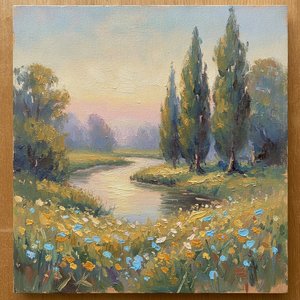
The Timeless Charm of Oil on Board: Reimagining Texture and Light through the Impressionist Lens
Discover the profound intimacy of oil on panel. Explore how Impressionist masters used rigid supports to capture light, texture, and impasto depth through exquisite, handmade oil reproductions for discerning collectors.

The Enduring Power of Painting: A Historical & Contemporary Exploration of Form and Emotion
Explore the rich history & enduring techniques of oil painting with OriginalUniqueArt. Discover masterpieces, learn about art collecting, and find authentic handmade reproductions crafted by skilled artists.
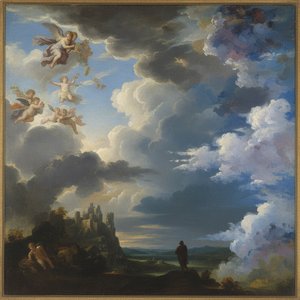
Ephemeral Visions: Clouds as Motif & Metaphor in Western Art History
Explore the captivating history of clouds in Western art! From Romantic masterpieces to Symbolist visions, discover how artists captured atmosphere, emotion & spirituality. A guide for collectors and enthusiasts.


