

 Pregledaj u prostoru
 Pošalji
 Podeli
 Detalji o delu

 Преузми
 Slični predmeti
 Rendgenski snimak
 Slajdovi
 Statistika
Betty
 Oil On Canvas
- WallArt
- Contemporary Realism
 1977
1977- Modern
 30.0 x 40.0 cm
 Pročitaj više
Ručno rađena uljana reprodukcija
Ručno oslikano uljanim bojama na platnu u dimenzijama i okviru po vašem izboru, izrađeno po porudžbini od strane naših umetnika. ( Pređi na štampu Pređi na digitalnu sliku)




P118B $10

P118H $10

P118W $10

P438Z $10

P508JH $12

P508YH $12

P805H $10

P805Z $10

P919BZ $10

P919G $10

P919XJ $10

P959ZH $10

P968JZ $12

W106C $8

W218G $10

W218JH $8

W218Y $10

W307PJ $10

W316G $10

W316PJ $8

W316Y $10

W398PJ $8

W4111J $10

W500HY $15

W500JH $15

W692G $12

W849H $8

W940BG $15

W953PJ $8




Izaberite jednu od naših unapred definisanih veličina koje odgovaraju originalnim proporcijama umetničkog dela.

Можете унети сопствене димензије како бисте прилагодили дело одређеном оквиру или простору. Ако одабрана величина не одговара пропорцијама оригинала, слика ће бити исечена или проширена додатним елементима који се ручно насликавају. Дигитални prikaz ће вам бити послат на одобрење пре почетка производње.
Имајте на уму да преглед на екрану не одражава стварно исецање или проширење. Само приказ (mockup) ће тачно приказати коначну композицију.
Иако су доступне прилагођене величине, препоручујемо да одаберете димензију из дефинисане листе како бисте сачували оригиналне пропорције.
Nakon narudžbine, tim OriginalUniqueArt.com će klijentu putem e-pošte poslati uputstva i dostaviti prikaz predloženog rešenja
Isporuka širom sveta () za 3/4 nedelje umesto uobičajenih 5 nedelja. (12 септембар). Bez kompromisa po pitanju kvaliteta.

Besplatna ekspresna dostava širom sveta

Visokokvalitetno laneno platno

Kompletno osiguranje transporta

Garancija povraćaja carine i uvoznih dažbina

Garancija vernosti boja

Politika povraćaja u roku od 100 dana (isključivo u slučaju nedostataka)

Garancija povrata novca od 100%

Popust pri grupnoj kupovini
 Opcija sa staklom dostupna je samo za dimenzije manje od 110 cm

Betty
Tehnika reprodukcije
Dimenzije reprodukcije
-


Konačna cena
$ 300
Captivating Subject and Intimate Expression
This exquisite portrait captures the serene presence of a young woman, lying in a relaxed pose with her head slightly tilted, inviting viewers into a moment of quiet introspection. Her vivid blue eyes serve as a focal point, conveying depth and emotional vulnerability, while her gentle expression evokes a sense of calm and inner reflection. The composition emphasizes her facial features with meticulous detail, allowing viewers to connect on a personal level with the subject’s inner world. The subtle play of light across her face enhances her natural beauty, making this piece a compelling exploration of human emotion and vulnerability.Masterful Style and Technique
Executed in a hyper-realistic style, this artwork demonstrates exceptional technical skill and attention to detail. The artist employs fine brushwork to render the textures of skin, hair, and fabric with astonishing precision, creating a lifelike appearance that blurs the line between painting and photography. The use of soft, natural tones combined with delicate shading accentuates the three-dimensionality of her features, while the diffused lighting adds a gentle glow that enhances the realism. The background, a muted warm hue, subtly complements the subject without distracting from her presence, allowing her to stand out as the central focus.Historical Context and Artistic Significance
Created in 1977, this portrait reflects the era’s fascination with realism and humanist themes. During this period, many artists sought to explore personal identity, vulnerability, and emotional depth through highly detailed and realistic portrayals. The work echoes the broader artistic movement of photorealism, emphasizing technical mastery and emotional authenticity. As a product of its time, it also aligns with the rise of contemporary portraiture that seeks to elevate everyday subjects into fine art, making it a significant piece for collectors interested in the evolution of modern realism.Symbolism and Emotional Impact
Beyond its technical brilliance, the artwork invites viewers to contemplate themes of innocence, beauty, and inner reflection. The woman’s calm demeanor and direct gaze create an intimate dialogue, encouraging viewers to consider her inner life and emotional state. The subtle color palette and soft lighting evoke a sense of tranquility, while the subject’s vulnerability fosters a connection rooted in empathy. This piece serves as a reminder of the quiet strength found in moments of introspection, making it a powerful addition to any collection or interior space seeking emotional depth and artistic excellence.A Perfect Choice for Art Lovers and Interior Spaces
Whether displayed in a private collection, a gallery, or an elegant interior, this high-quality reproduction offers a timeless aesthetic that complements a variety of decor styles. Its detailed craftsmanship and emotional resonance make it an inspiring focal point in living rooms, offices, or art spaces. Art lovers and collectors will appreciate its artistic mastery and the profound human story it conveys, while interior designers will find it an elegant piece that elevates any environment with sophistication and emotional warmth. This portrait is not just a painting; it is an invitation to experience the beauty of human vulnerability through the lens of masterful realism.Biografija umetnika
Život oblikovan podeljenosti: Rani år i umetničko formiranje Gerharda Rihtera
Riхterova priča neraskidivo je povezana sa razbijenom istorijom Nemačke 20. veka. Rođen u Diseldorfu 1932. godine, njegovo detinjstvo odvijalo se pod senkom uspona nacionalsosijalističkog režima. Ovaj formativni period, obeležen raseljavanjem – njegova porodica se nekoliko puta selila tokom ratnih godina – u njemu je usadio duboko osećanje neizvesnosti i upitnički duh koji će prožimati njegov umetnički rad decenijama kasnije. Idilični pejzaži njegovog ranog odrastanja u Rajhenau i Valtersdorfu ubrzo su narušeni sukobom, ostavljajući neizbrisiv trag na njegovoj psihi. Njegov otac, iako nije bio žestoki pristalica nacističke partije, snalao se u složenostima života pod autoritarnom vlašću kao učitelj, dok je njegova majka negovala ljubav prema književnosti i muzici unutar porodice. Ova dualnost – pragmatično prihvatanje okolnosti uz čežnju za kulturnim izrazom – postala je definišuća karakteristika samog Riхterovog umetničkog pristupa. Formalno obrazovanje započeo je u Akademiji lepih umetnosti u Diseldorfu 1951. godine, prvobitno uronjen u tradiciju socijalističkog realizma koju je zahtevala Istočnonemačka država. Međutim, čak i unutar tog ograničenog okruženja, želja za umetničkom slobodom tinjala je ispod površine, podstaknuta rastućim nezadovoljstvom ideološkim ograničenjima i žudnjom da istraži šire kreativne mogućnosti.Bekstvo od ograničenja: Diseldorf i istraživanje stila
Godina 1961. pokazala se kao presudna. Riхter je, zajedno sa svojom suprugom Marijan Eufinger, doneo hrabru odluku da pobegne iz Istočne Nemačke, tražeći utočište u brzorastućoj umetničkoj sceni Diseldorfa. Ovaj potez označio je radikalnu promenu u njegovoj umetničkom putanji. Zapadnonemački pejzaž ponudio je oslobađajuće okruženje u kojem su eksperimentisanje i inovacija bile ne samo dozvoljene, već i aktivno podsticane. U Diseldorfu se susreo sa živopisnom zajednicom umetnika koji su se borili sa pitanjima identiteta, reprezentacije i nasleđa istorije. Brzo je počeo da razgrađuje krute stilske konvencije socijalističkog realizma, upuštajući se u period intenzivnog istraživanja koji će definisati njegov rani zreli rad. Ova era videla je njegovo kolebanje između naizgled različitih pristupa – od fotorealizma, koji je s neverovatnom preciznošću ponovo stvarao fotografske slike, do apstraktnih kompozicija koje karakterišu jarke boje i dinamični potezi četkicom. Njegova saradnja sa Zigmarom Polkom dovela je do stvaranja termina „kapitalistički realizam“, namerno dvosmislenog naziva koji je odražavao njihov zajednički skepticizam prema utvrđenim umetničkim normama i njihovo prisvajanje vizuelnih elemenata iz oglašavanja i masovnih medija. Ovaj period nije se radio o pronalaženju *jednog* stila, već o preispitivanju same ideje stilskog koherentnosti, prihvatajući protivrečnost kao fundamentalni princip.Zamućenje granica: Fotorealizam, apstrakcija i moć slučaja
Riхterov umetnički rečnik širio se tokom 1960-ih i kasnije, obuhvatajući izuzetno širok spektar tehnika i tema. Njegove fotorealistične slike, često zasnovane na porodičnim fotografijama ili slikama iz novina, nisu samo kopije stvarnosti, već istraživanja prirode percepcije i reprezentacije. Preciznim prikazivanjem ovih slika, gotovo sa kliničkom distanciranošću, on primorava posmatrače da se suoče sa inherentnom dvosmislenošću fotografske istine. Istovremeno, Riхter je zaranjao dublje u apstrakciju, stvarajući platna slojevita vibrantnim bojama i gestualnim tragovima. Ova apstraktna dela često su nastala korišćenjem jedinstvene tehnike sa staklenim raklama – alatima koji se obično koriste za čišćenom prozora – koje on vuče preko površine platna, manipulišući bojom na nepredvidiv način. Ovakvo prihvatanje slučaja i spontanosti je centralno za njegovu umetničku filozofiju, omogućavajući mu da se odrekne kontrole i pozove neočekivane ishode. Njegove „Tablice boja“, sistematični aranžmani obojenih kvadrata, dodatno izazivaju tradicionalne koncepte umetničkog izražavanja, preispitujući samu definiciju slikarstva. Ova dela nisu pitanje individualnih estetskih preferencija, već istraživanje inherentnih svojstava boje i njenih organizacionih mogućnosti.Nasleđe i uticaj: Majstor savremene umetnosti
Uticaj Gerharda Riхtera na savremenu umetnost je neosporan. Njegova spremnost da izazove konvencije, njegov neumoljivi eksperimenti sa tehnikom i njegova duboka posvećenost istorijskim i političkim temama učinili su ga jednim od najvažnijih umetnika našeg vremena. Dosledno se odupirao lakom kategorisanju, prkoseći pokušajima da se njegov rad smesti u jedan stilski okvir. Ovo odbijanje da bude definisan, zajedno sa njegovom tehničkom virtuoznošću i intelektualnom rigoroznošću, donelo mu je široku kritičku priznatost i komercijanski uspeh – njegove slike redovno dostižu rekordne cene na aukcijama. Međutim, izvan tržišne vrednosti, leži dublji značaj. Riхterova umetnost govori o složenostima modernog postojanja, baveći se pitanjima sećanja, identiteta i potrage za smislom u fragmentiranom svetu. On ne nudi odgovore, već postavlja pitanja, podstičući posmatrače da se suoče sa sopstvenim predrasudama i uključe u kritički dijalog. Njegov uticaj može se videti u radu bezbrojnih umetnika koji su krenuli njegovim stopama, privučeni njegovim inovativnim tehnikama i nepokolebljivom posvećenošću umetničkom istraživanju. Riхterovo nasleđe nije samo stvar stvaranja lepih predmeta; ono je stvar proširivanja mogućnosti samog slikarstva. On ostaje vitalna sila u savremenoj umetnosti, nastavljajući da inspiriše i provocira publiku svojim izazovnim i duboko rezonantnim radom.
Георг Рихтер
1932 - , Германија
Osnovne informacije
- Artistic Movement Or Style:
- Фотореализам
- Абстракција
- Artists Who Influenced This Artist:
- Жан Арп
- Пабло Пикассо
- Date Of Birth: 9 фебруара 1932.
- Full Name: Gerhard Richter
- Nationality: Германија
- Notable Artworks:
- Абстрактно сликарство 610-1
- Gilbert
- С. са дететом
- Place Of Birth: Дрезден, Германија
Povezani članci
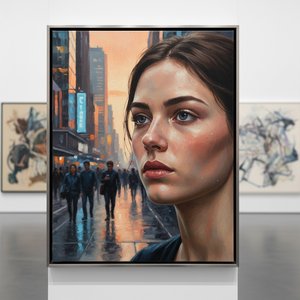
Contemporary Realism: Capturing the Soul of Modern Life Through Hyper-Realistic Art
Explore the profound depth of Contemporary Realism. Discover how hyper-realistic art captures modern emotion through technical mastery, offering collectors a sophisticated way to preserve the soul of human experience through exquisite, museum-quality oil paintings and fine art.
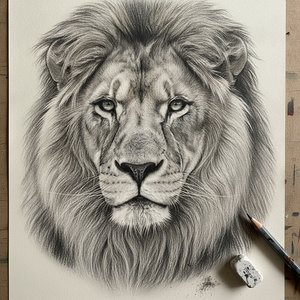
Mastering Graphite Pencil: The Ultimate Expert Guide to Achieving Depth, Texture, and Hyper-Realistic Detail
Elevate your artistry with our expert guide to mastering graphite pencil. Learn professional techniques for achieving profound depth, intricate textures, and hyper-realistic details through advanced shading, layering, and precision tool mastery designed for serious art students.
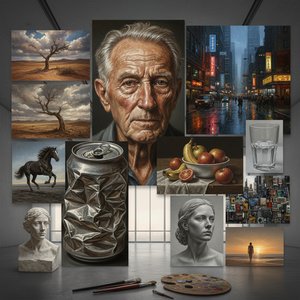
10 Remek Dela Koja Su Definila Savremeni Realizam: Umjetnost i Dekoracija
Otkrijte 10 remek dela savremenog realizma! Istaknuti umetnici, uljane slike i detalji koji definišu ovaj pokret. Inspiracija za dekoraciju doma i kolekcionarsku umetnost – pronađite reprodukcije na OriginalUniqueArt.com!

Gerhard Richter: A Retrospective on Abstraction, Memory & the Photographic Source
Explore the profound world of Gerhard Richter's abstract paintings. Discover his techniques, influences, and lasting impact on contemporary art – a guide for discerning collectors.
Realizam u slikama: Top 10 remek dela za vaš dom i dušu
Otkrijte 10 remek dela koja su definisala realizam! Gustave Courbet, Millet i Daumier – istaknuti umetnici i njihove slike. Inspiracija za vaš dom i dušu. Kupite reprodukcije vrhunskog kvaliteta na OriginalUniqueArt.com!


