

 Pregledaj u prostoru
 Podeli
 Podeli
 Detalji
 Vodič
Vodič

 Preuzmi sliku
 Slični predmeti
 Rendgenski snimak
 Automatska prezentacija
 Statistika
Abstract Picture


 Pročitaj više
Umetničko delo prikazano na ovoj stranici zaštićeno je autorskim pravima, što znači da zakonski nismo u mogućnosti da kreiramo niti prodajemo identičnu reprodukciju. Ova zaštita se sprovodi u skladu sa međunarodnim sporazumima kao što su Bernska konvencija i nacionalnim zakonima, uključujući i one koji su definisani u Američki zakon o autorskom pravu – Naslov 17.
Ovaj metod je u potpunosti usklađen sa regulativama o autorskim pravima jer ne podrazumeva kopiranje ili dupliranje zaštićenih umetničkih dela. Umesto toga, reč je o kreativnoj reinterpretaciji – novom slikarskom delu koje je inspirisano originalom, ali nije identično njemu.
Giclee štampa / Umetnički otisak
Giclée štampa ili print na platnu muzejskog kvaliteta uz brzu izradu i raznovrsne opcije završne obrade. ( Naručite ručno oslikano reprodukciju Pređi na prodaju digitalnih slika)




P118B дин10

P118H дин10

P118W дин10

P438Z дин10

P508JH дин12

P508YH дин12

P805H дин10

P805Z дин10

P919BZ дин10

P919G дин10

P919XJ дин10

P959ZH дин10

P968JZ дин12

W106C дин8

W218G дин10

W218JH дин8

W218Y дин10

W307PJ дин10

W316G дин10

W316PJ дин8

W316Y дин10

W398PJ дин8

W4111J дин10

W500HY дин15

W500JH дин15

W692G дин12

W849H дин8

W940BG дин15

W953PJ дин8




Izaberite jednu od naših unapred definisanih veličina koje odgovaraju originalnim proporcijama umetničkog dela.

Možete uneti sopstvene dimenzije kako biste umetničko delo prilagodili specifičnom okviru ili prostoru. Ako odabrani format ne odgovara proporcijama originalne slike, mi ćemo ili iscrtati deo dela ili proširiti sliku pomoću ogledane ivice ili jednobojnog popunjavanja. Digitalni prikaz će vam biti poslat na odobrenje pre početka proizvodnje.
Imajte na umu da pregled na ekranu ne odražava stvarno iscrtavanje ili proširivanje. Samo će prikaz (mockup) precizno pokazati finalnu kompoziciju.
Iako su prilagođene dimenzije dostupne, preporučujemo da odaberete dimenziju sa unapred definisane liste kako biste očuvali originalne proporcije.
Dostava širom sveta () za 2 nedelje umesto uobičajenih 4/5 nedelja. (11 октобар)

Besplatna ekspresna dostava širom sveta

Visokokvalitetno laneno platno

Sveobuhvatno osiguranje transporta

Garancija povraćaja carine i uvoznih dažbina

Garancija vernosti boja i autentičnosti pri reprodukciji

Politika povraćaja u roku od 100 dana (samo u slučaju nedostataka)

Garancija povrata 100% novca

Popust pri većoj količini
 Opcija sa staklom dostupna je samo za dimenzije manje od 110 cm

Abstract Picture
Giclee štampa / Umetnički otisak
Veličina reprodukcije
-


Ukupna cena
дин 8087
A Symphony of Chance: The Luminous Chaos of Gerhard Richter
To stand before an Abstract Picture by Gerhard Richter is to enter a realm where the boundaries between reality and illusion dissolve into a vibrant, textured haze. This masterpiece does not merely present a scene; it orchestrates a sensory experience that challenges the very nature of sight. As one lingers before the canvas, the eye is drawn into a kaleidoscopic explosion of color—deep, resonant reds, sun-drenched yellows, and cool, tranquil blues that dance across the surface. It is a work that refuses to be static, inviting the viewer to lose themselves in its many layers and nuances, much like a dream that shifts even as you attempt to grasp its meaning.
Richter’s approach to this piece is a profound exploration of abstraction, color, and the very act of creation itself. Rather than attempting to depict a recognizable subject, he seeks to convey a pure feeling—a distillation of experience into visual sensation. The painting functions as a window into uncertainty, where the composition reveals a profound complexity that rewards deep contemplation. For the collector or the interior designer, such a work offers more than mere decoration; it provides a focal point of intellectual and emotional depth, capable of anchoring a room with its commanding presence and sophisticated energy.
The Alchemy of the Squeegee: Technique and Method
The true magic of this artwork lies in Richter’s deceptively simple yet remarkably complex process. Central to the piece is his signature technique of "grinding," a method that introduces an element of controlled chaos into the artistic practice. Richter applies thick, luscious layers of paint onto the canvas and subsequently scrapes them away with a large squeegee. This seemingly destructive act is, in reality, deeply generative. As the tool drags across the wet pigment, it pulls colors from beneath the surface, creating unpredictable patterns, blurred edges, and intricate textures that no human hand could meticulously plan.
This method embodies Richter’s artistic philosophy: "I don't want to depict what I see. I want to depict how I see." By allowing chance to play a role in the composition, he captures the essence of perception—the way light, movement, and memory can blur the edges of our reality. The resulting texture is tactile and multidimensional, offering a sense of depth that changes depending on the lighting and the angle of the observer. This dynamic quality makes a high-quality reproduction an exquisite addition to any curated space, as it brings a living, breathing energy to the walls.
Chromatic Resonance and Emotional Impact
The visual language of this work is dominated by a rich tapestry of reds, accented by bursts of yellow, blue, green, and orange. These colors are not chosen arbitrarily but are considered in relation to their psychological weight. The deep reds symbolize passion and intensity, providing a rhythmic heartbeat to the composition, while the flashes of yellow evoke warmth and optimism. This careful balance of chromatic tension ensures that the painting remains harmonious despite its chaotic appearance.
Beyond its aesthetic brilliance, the artwork carries a profound historical resonance. Born in the fractured landscape of post-war Germany, Richter’s work often reflects a questioning spirit and an engagement with the complexities of modern existence. In Abstract Picture, this manifests as a celebration of the ephemeral. It is a piece that speaks to the beauty found in fragmentation and the strength found in uncertainty. For those seeking to infuse their environment with inspiration, this painting serves as a powerful reminder of the sublime beauty that emerges when we embrace the unpredictable nature of life.
Pitanja i odgovori
Zašto se „Abstract Picture”, Георг Рихтер preporučuje kao poklon?
Reflective ton dela „Abstract Picture”, Георг Рихтер savršeno odgovara preporučenoj prilici za poklon: Corporate Gift.
Gde mogu da kupim print dela „Abstract Picture”, Георг Рихтер?
"Abstract Picture" je dostupan kao umetnička štampa na pamučnom platnu ili arhivskom kanvas papiru. Porudžbine se vrše na ova stranica, u dimenziji po vašem izboru.
Gde mogu kupiti ručno oslikano reprodukciju dela „Abstract Picture”, Георг Рихтер?
Ručno oslikane kopije dela „Abstract Picture”, Георг Рихтер mogu se kupiti na stranici ovaj veb-sajt: ručno oslikana uljana reprodukcija na lanenom platnu, uz poručivanje putem ova stranica.
Koliko su intenzivne boje dela "Abstract Picture"?
„Abstract Picture”, Георг Рихтер je zabeležen sa Balanced Soft zasićenosti i Balanced intenzitetom.
Koji umetnik se pripisuje delu "Abstract Picture"?
Delo "Abstract Picture" pripisuje se umetniku Георг Рихтер.
Koja veličina reprodukcije se preporučuje za „Abstract Picture”, Георг Рихтер?
Za „Abstract Picture”, Георг Рихтер preporučuje se reprodukcija u veličini Large. Veličina se može prilagoditi uz zadržavanje proporcija.
Da li se „Abstract Picture”, Георг Рихтер preporučuje kao poklon i za koga?
„Abstract Picture”, Георг Рихтер se preporučuje kao poklon za Corporate Gift, naročito za Accent. Reprodukcija ovog umetničkog dela može se pokloniti kao dar.
Biografija umetnika
Život oblikovan podeljenosti: Rani år i umetničko formiranje Gerharda Rihtera
Riхterova priča neraskidivo je povezana sa razbijenom istorijom Nemačke 20. veka. Rođen u Diseldorfu 1932. godine, njegovo detinjstvo odvijalo se pod senkom uspona nacionalsosijalističkog režima. Ovaj formativni period, obeležen raseljavanjem – njegova porodica se nekoliko puta selila tokom ratnih godina – u njemu je usadio duboko osećanje neizvesnosti i upitnički duh koji će prožimati njegov umetnički rad decenijama kasnije. Idilični pejzaži njegovog ranog odrastanja u Rajhenau i Valtersdorfu ubrzo su narušeni sukobom, ostavljajući neizbrisiv trag na njegovoj psihi. Njegov otac, iako nije bio žestoki pristalica nacističke partije, snalao se u složenostima života pod autoritarnom vlašću kao učitelj, dok je njegova majka negovala ljubav prema književnosti i muzici unutar porodice. Ova dualnost – pragmatično prihvatanje okolnosti uz čežnju za kulturnim izrazom – postala je definišuća karakteristika samog Riхterovog umetničkog pristupa. Formalno obrazovanje započeo je u Akademiji lepih umetnosti u Diseldorfu 1951. godine, prvobitno uronjen u tradiciju socijalističkog realizma koju je zahtevala Istočnonemačka država. Međutim, čak i unutar tog ograničenog okruženja, želja za umetničkom slobodom tinjala je ispod površine, podstaknuta rastućim nezadovoljstvom ideološkim ograničenjima i žudnjom da istraži šire kreativne mogućnosti.Bekstvo od ograničenja: Diseldorf i istraživanje stila
Godina 1961. pokazala se kao presudna. Riхter je, zajedno sa svojom suprugom Marijan Eufinger, doneo hrabru odluku da pobegne iz Istočne Nemačke, tražeći utočište u brzorastućoj umetničkoj sceni Diseldorfa. Ovaj potez označio je radikalnu promenu u njegovoj umetničkom putanji. Zapadnonemački pejzaž ponudio je oslobađajuće okruženje u kojem su eksperimentisanje i inovacija bile ne samo dozvoljene, već i aktivno podsticane. U Diseldorfu se susreo sa živopisnom zajednicom umetnika koji su se borili sa pitanjima identiteta, reprezentacije i nasleđa istorije. Brzo je počeo da razgrađuje krute stilske konvencije socijalističkog realizma, upuštajući se u period intenzivnog istraživanja koji će definisati njegov rani zreli rad. Ova era videla je njegovo kolebanje između naizgled različitih pristupa – od fotorealizma, koji je s neverovatnom preciznošću ponovo stvarao fotografske slike, do apstraktnih kompozicija koje karakterišu jarke boje i dinamični potezi četkicom. Njegova saradnja sa Zigmarom Polkom dovela je do stvaranja termina „kapitalistički realizam“, namerno dvosmislenog naziva koji je odražavao njihov zajednički skepticizam prema utvrđenim umetničkim normama i njihovo prisvajanje vizuelnih elemenata iz oglašavanja i masovnih medija. Ovaj period nije se radio o pronalaženju *jednog* stila, već o preispitivanju same ideje stilskog koherentnosti, prihvatajući protivrečnost kao fundamentalni princip.Zamućenje granica: Fotorealizam, apstrakcija i moć slučaja
Riхterov umetnički rečnik širio se tokom 1960-ih i kasnije, obuhvatajući izuzetno širok spektar tehnika i tema. Njegove fotorealistične slike, često zasnovane na porodičnim fotografijama ili slikama iz novina, nisu samo kopije stvarnosti, već istraživanja prirode percepcije i reprezentacije. Preciznim prikazivanjem ovih slika, gotovo sa kliničkom distanciranošću, on primorava posmatrače da se suoče sa inherentnom dvosmislenošću fotografske istine. Istovremeno, Riхter je zaranjao dublje u apstrakciju, stvarajući platna slojevita vibrantnim bojama i gestualnim tragovima. Ova apstraktna dela često su nastala korišćenjem jedinstvene tehnike sa staklenim raklama – alatima koji se obično koriste za čišćenom prozora – koje on vuče preko površine platna, manipulišući bojom na nepredvidiv način. Ovakvo prihvatanje slučaja i spontanosti je centralno za njegovu umetničku filozofiju, omogućavajući mu da se odrekne kontrole i pozove neočekivane ishode. Njegove „Tablice boja“, sistematični aranžmani obojenih kvadrata, dodatno izazivaju tradicionalne koncepte umetničkog izražavanja, preispitujući samu definiciju slikarstva. Ova dela nisu pitanje individualnih estetskih preferencija, već istraživanje inherentnih svojstava boje i njenih organizacionih mogućnosti.Nasleđe i uticaj: Majstor savremene umetnosti
Uticaj Gerharda Riхtera na savremenu umetnost je neosporan. Njegova spremnost da izazove konvencije, njegov neumoljivi eksperimenti sa tehnikom i njegova duboka posvećenost istorijskim i političkim temama učinili su ga jednim od najvažnijih umetnika našeg vremena. Dosledno se odupirao lakom kategorisanju, prkoseći pokušajima da se njegov rad smesti u jedan stilski okvir. Ovo odbijanje da bude definisan, zajedno sa njegovom tehničkom virtuoznošću i intelektualnom rigoroznošću, donelo mu je široku kritičku priznatost i komercijanski uspeh – njegove slike redovno dostižu rekordne cene na aukcijama. Međutim, izvan tržišne vrednosti, leži dublji značaj. Riхterova umetnost govori o složenostima modernog postojanja, baveći se pitanjima sećanja, identiteta i potrage za smislom u fragmentiranom svetu. On ne nudi odgovore, već postavlja pitanja, podstičući posmatrače da se suoče sa sopstvenim predrasudama i uključe u kritički dijalog. Njegov uticaj može se videti u radu bezbrojnih umetnika koji su krenuli njegovim stopama, privučeni njegovim inovativnim tehnikama i nepokolebljivom posvećenošću umetničkom istraživanju. Riхterovo nasleđe nije samo stvar stvaranja lepih predmeta; ono je stvar proširivanja mogućnosti samog slikarstva. On ostaje vitalna sila u savremenoj umetnosti, nastavljajući da inspiriše i provocira publiku svojim izazovnim i duboko rezonantnim radom.
Георг Рихтер
1932 - , Германија
Brzi pregled
- Artistic Movement Or Style:
- Фотореализам
- Абстракција
- Artists Who Influenced This Artist:
- Жан Арп
- Пабло Пикассо
- Date Of Birth: 9 фебруара 1932.
- Full Name: Gerhard Richter
- Nationality: Германија
- Notable Artworks:
- Абстрактно сликарство 610-1
- Gilbert
- С. са дететом
- Place Of Birth: Дрезден, Германија
Srodni članci

Gerhard Richter: A Retrospective on Abstraction, Memory & the Photographic Source
Explore the profound world of Gerhard Richter's abstract paintings. Discover his techniques, influences, and lasting impact on contemporary art – a guide for discerning collectors.

Abstraktni Ekspresionizam: 10 Remek Dela Koja Su Definisala Pokret
Otkrijte 10 remek dela koja su definisala apstraktni ekspresionizam! Istražite dela Pola Krausa, Džejson Poloka i drugih. Saznajte priče iza umetnosti i inspirisanje za dekoraciju doma. Eksplorirajte kolekciju na OriginalUniqueArt.com!

Top 10 dela geometrijske apstrakcije koje morate videti | OriginalUniqueArt.com
Istražite 10 remek-dela geometrijske apstrakcije – Mondrian, Malevič i Kandinski. Otkrijte priče iza ovih ikoničnih slika i pronađite inspiraciju za dekoraciju enterijera sa OriginalUniqueArt.com! Reprodukcije vrhunskog kvaliteta.

Kandinsky's Masterpieces: 25 Paintings That Define Abstract Art | OriginalUniqueArt
Journey through Wassily Kandinsky's 25 most iconic abstract paintings. Explore his revolutionary use of color, form & spiritual expressionism. Find museum-quality Kandinsky reproductions and elevate your home decor with OriginalUniqueArt.com. Discover all masterpieces on OriginalUniqueArt.com!
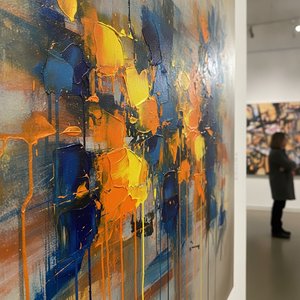
Beyond the Lines: Mastering the High-Impact World of Contemporary Abstraction
Master the high-impact world of contemporary abstraction. Discover how bold colors, textures, and modern movements like Abstract Expressionism can transform your space with premium, high-energy art curated for the design-conscious professional.


