

 Pregledaj u prostoru
 Podeli
 Podeli
 Detalji
 Vodič
Vodič

 Preuzmi sliku
 Slični predmeti
 Rendgenski snimak
 Automatska prezentacija
 Statistika
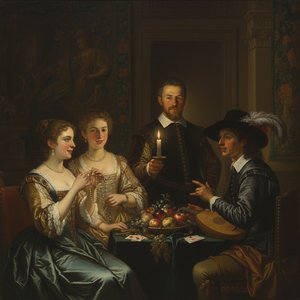
Supper Party (detail)


 Pročitaj više
Giclee štampa / Umetnički otisak
Giclée štampa ili print na platnu muzejskog kvaliteta uz brzu izradu i raznovrsne opcije završne obrade. ( Naručite ručno oslikano reprodukciju Pređi na prodaju digitalnih slika)




P118B дин10

P118H дин10

P118W дин10

P438Z дин10

P508JH дин12

P508YH дин12

P805H дин10

P805Z дин10

P919BZ дин10

P919G дин10

P919XJ дин10

P959ZH дин10

P968JZ дин12

W106C дин8

W218G дин10

W218JH дин8

W218Y дин10

W307PJ дин10

W316G дин10

W316PJ дин8

W316Y дин10

W398PJ дин8

W4111J дин10

W500HY дин15

W500JH дин15

W692G дин12

W849H дин8

W940BG дин15

W953PJ дин8




Izaberite jednu od naših unapred definisanih veličina koje odgovaraju originalnim proporcijama umetničkog dela.

Unesite širinu i visinu koja vam je potrebna, kako bi se uklopili u vaš ram ili na vaš zid. Štampa se može samo iseći, nikada ne može biti veća od originalne slike, stoga format sa drugačijim proporcijama gubi deo slike. Poslaćemo vam digitalni prikaz radi potvrde pre nego što započnemo štampu. Slika prikazana na ovoj stranici ne pokazuje stvarni rez — to pokazuje samo digitalni prikaz.
Dostava širom sveta () za 2 nedelje umesto uobičajenih 4/5 nedelja. (22 октобар)

Besplatna ekspresna dostava širom sveta

Visokokvalitetno laneno platno

Sveobuhvatno osiguranje transporta

Garancija povraćaja carine i uvoznih dažbina

Garancija vernosti boja i autentičnosti pri reprodukciji

Politika povraćaja u roku od 100 dana (samo u slučaju nedostataka)

Garancija povrata 100% novca

Popust pri većoj količini
 Opcija sa staklom dostupna je samo za dimenzije manje od 110 cm

Supper Party (detail)
Giclee štampa / Umetnički otisak
Veličina reprodukcije
-


Ukupna cena
дин 8227
A Dance of Light and Shadow: Gerard van Honthorst’s “Supper Party”
Gerard van Honthorst's "Supper Party," a captivating detail from the larger composition, is more than just a depiction of a meal; it’s a carefully orchestrated drama of observation, judgment, and the subtle power dynamics inherent in human interaction. Painted in 1619, this work exemplifies the artist’s masterful command of Baroque principles, particularly his signature use of *chiaroscuro*, a technique that plunges the scene into pools of intense light and deep shadow, creating an atmosphere both intimate and profoundly unsettling.
The composition immediately draws the eye to the central figures – two men engaged in a silent exchange. One, older and bearing the weight of experience, scrutinizes the face of his younger counterpart. The young woman holding aloft a candle isn’t merely providing illumination; she acts as a conduit for the light itself, casting dramatic shadows that accentuate the contours of their faces and hinting at unspoken narratives. The partially obscured figure in the background adds to this sense of mystery, suggesting a wider context beyond the immediate scene – perhaps an audience observing this private moment, or a representation of fate itself.
The Baroque Embrace: Style and Technique
Honthorst’s style is deeply rooted in the Italian Baroque, yet he possesses a distinctly Dutch sensibility. He absorbed the dramatic intensity of Caravaggio, particularly his use of *tenebrism*, but tempered it with a nuanced understanding of light and color that speaks to the burgeoning realism of the Dutch Golden Age. The brushwork is remarkably detailed, meticulously rendering the textures of the fabrics – the folds of the man’s cloak, the sheen on the woman's dress – as well as the subtle variations in skin tone. Notice how he builds up layers of paint to create a palpable sense of volume and depth, despite the relatively flattened perspective typical of Baroque painting.
- Chiaroscuro Mastery: The stark contrast between light and dark isn’t merely decorative; it serves to heighten the drama and focus attention on key elements.
- Detailed Rendering: Honthorst's meticulous approach to texture – from velvet drapery to human skin – imbues the scene with a remarkable sense of realism.
- Compositional Focus: The tight framing draws the viewer directly into the intimate exchange between the two men, creating a powerful and immediate connection.
A Window into 17th-Century Society
“Supper Party” offers a fascinating glimpse into the social customs and intellectual currents of 17th-century Netherlands. The scene suggests a gathering of educated individuals – likely members of the merchant class or perhaps even a scholarly circle – engaged in a discussion, possibly concerning philosophy, art, or politics. The act of observation itself is central to the painting’s meaning; it speaks to the importance placed on knowledge, judgment, and the careful assessment of character. The candlelight isn't just illuminating a meal; it’s casting light on the complexities of human relationships and the potential for hidden motives.
Symbolism and Emotional Resonance
Beyond its immediate depiction, “Supper Party” is rich in symbolic meaning. The candle represents enlightenment and divine guidance, while the shadows symbolize doubt, uncertainty, and the darker aspects of human nature. The older man’s scrutiny can be interpreted as a representation of experience versus youth, wisdom versus naiveté. The painting evokes a sense of quiet tension, inviting viewers to contemplate the unspoken judgments and hidden agendas that may lie beneath the surface of social interactions. It's a work that lingers in the mind long after viewing, prompting reflection on the nature of observation, knowledge, and the complexities of human connection.
Pitanja i odgovori
Da li je "Supper Party (detail)" tipično za ono što je Герард Ван Хонторст obično stvarao?
Učestale teme umetnika Герард Ван Хонторст obuhvataju caravaggio's chiaroscuro, italian mannerism", venetian baroque, social scrutiny, power dynamics, moral judgment, "utrech; delo "Supper Party (detail)" fokusira se na dramatic lighting, intimate observation, baroque portraiture, candlelit interior, knowledge & judgment, dutch golden age, figure composition.
S obzirom na svoje boje, za koju se prostoriju preporučuje „Supper Party (detail)”, Герард Ван Хонторст?
Sa svojom paletom u nijansama Earthy, delo „Supper Party (detail)”, Герард Ван Хонторст se preporučuje za Dining Room. Boje su jedan od razloga za ovakvu sugestiju.
Da li su boje dela „Supper Party (detail)”, Герард Ван Хонторст zasićene ili prigušene?
„Supper Party (detail)”, Герард Ван Хонторст je zabeležen sa Subtle Color zasićenjem.
Biografija umetnika
Мајстор Светла и Сенки: Живот и Уметност Герарда ван Хонторста
Герард ван Хонторст се појавио у Утрехту 1592. године, као кључна фигура спремна да осветли Златно доба Холандије својом драматичном уметношћу. Првобитно вођен оцем, декоративним сликаром, младог Герарда је таленат развио под менторством Абрахама Блоемаерта, стекавши чврсту основу у цртању и композицији. Међутим, трансформативно путовање у Рим неповратније је променило ток његовог уметничког развоја. Тамо, усред бурне енергије италијанског барока, сусрео се са револуционарним делом Каравађа – сусрет који ће дефинисати његов препознатљиви стил и зарадити му евокативан надимак “Ђерардо деле Ноти”, или Герард ноћи. Драматична употреба тенизмизма, технике која користи оштре контрасте између светла и таме, постао је обележје Хонторста, уносећи његова платна у опипљив осећај драме и емоционалног интензитета. Он није само имитирао Каравађа; он је преводио иновације италијанског мајстора у посебно холандску осетљивост, фокусирајући се на интимне сцене осветљене вештачким изворима светлости – свећама, лампама и ватром – стварајући атмосферу која је била реалистична и дубоко позоришна. Овај мајсторство над светлом није била само техничка вештина; то је било средство за откривање карактера, за увлачење гледаоца у емотивну суштину сваке сцене.Од Римског Успеха до Холандске Мастерности
Време Хонторста у Риму обележио је значајан успех и покровитељство. Задобио је наклоност међу римском елитом, укључујући Винченца Ђустинијанија, за кога је створио моћно “Христос пред Високим свештеником”, дело које оличава његово мајсторско управљање светлом и сенком. Ово сликање, сада смештено у Националној галерији у Лондону, демонстрира не само његову техничку вештину, већ и способност да пренесе дубоку психолошку дубину у својим фигурама. Даље је учврстио своју репутацију радећи за Козима II де Медичија, Великог вожду Тоскане, демонстрирајући прилагодљивост и свестраност која ће му добро служити током његове каријере. По повратку у Утрехт око 1620. године, Хонторст се брзо успоставио као водећи портретиста у Холандској Републици. Његова способност да заухвати не само физички лик, већ и карактер и друштвени статус својих модела учинила га је траженим од стране богатих трговаца, племића, па чак и краљевских личности. Постао је председник Цеха Светог Луке у Утрехту 1623. године, што је сведочило његовом растућем утицају у уметничкој заједници. Ово раздобље је видело процват поруџбина, омогућавајући Хонторсту да усаврши свој стил и успостави карактеристичан глас у холандском сликању.Дворски Уметник: Поруџбине и Сарадње
Досег Хонторстовог талента проширио се ван Холандије. Његов рад је привукао пажњу Сира Дадлија Карлетона, који га је са ентузијазмом препоручио истакнутим енглеским аристократима попут грофа Арундела и лорда Дорчестера. Ово је довело до поруџбина краљице Елизабете Бохемијске, сестре Чарлса I, која га је запослила као сликара и учитеља цртања за своју децу. Ове краљевске везе кулминирале су значајним делима попут алегоријског приказа Чарлса-а и Хенриете Марије као Дијане и Апола, сада смештеног у дворцу Хамптон Корт. Спремност Хонторста да сарађује са другим уметницима такође говори о његовој отворености и уметничкој великодушности. Он је познато угостио Питера Паула Рубенса током посете Утрехту, чак га сликајући у игривој сцени која приказује Диогена који тражи поштеног човека – сведочење међусобног поштовања између ова два барокна гиганта. Иако су неке сарадничке радове, попут “Заробљавања Христа”, првобитно приписане само Хонторсту, модерна научна истраживања открила су доприносе других уметника, истичући сложену динамику уметничке продукције током овог периода. Ове сарадње нису биле само о подели посла; радило се о интелектуалним разменама које су обогатиле уметнички пејзаж.Наслеђе и Утрехтски Каравађисти
Утицај Герарда ван Хонторста одјекивао је далеко изван његовог живота. Био је кључна фигура у *Утрехтским Каравађистима* – групи холандских сликара који су прихватили драматични реализам и тенизмизам Каравађа. Заједно са уметницима попут Хендрика тер Бругена и Дирка ван Бабурена, помогао је да се успостави посебно холандска интерпретација италијанског барокног стила. Његов акцент на жанровским сценама осветљеним вештачким светлом, његови мајсторски портрети и способност да пренесе емоционалну дубину кроз умешну употребу кијароскура оставили су неизбрисив траг на развоју Златног доба холандског сликања. Чак је и његов брат, Вилем ван Хонторст, кренуо стопама свога брата, иако често са делима првобитно приписаним Герарду због стилских сличности.- Хонторстова сликања настављају да очаравају публику данас.
- Његова драматична лепота и психолошки увид су трајне квалитете.
- Он је учврстио своје место као кључна фигура у историји уметности.

Герард Ван Хонторст
1590 - 1656 , Србија
Brzi pregled
- Artistic Movement Or Style: Barok, Karavagizam
- Artists Or Movements Influenced By This Artist: ['Utrehtski karavagisti']
- Artists Who Influenced This Artist: ['Karavadžo']
- Date Of Birth: 1590
- Date Of Death: 1656
- Full Name: Gerard van Honthorst
- Nationality: Holanđanin
- Notable Artworks:
- Hrist u bašti
- Večera
- Dijana i Apolon
- Place Of Birth (City And Country): Utrecht, Holandija
Srodni članci

Zlatno doba Holandske umetnosti: Top 10 remek dela za vaš dom
Otkrijte remek dela Holandskog zlatnog doba! Uronite u svet Rembrandta, Vermeera i drugih majstora. 10 ikoničnih slika koje su definisale umetnost. Inspiracija za vaš dom i kolekciju - ekskluzivne reprodukcije na OriginalUniqueArt.com!

Golden Age Reflections: Dutch Baroque Painting & Cultural Innovation
Explore the Dutch Golden Age of painting! Discover key artists like Vermeer & ter Borch, their innovative techniques, and the rich cultural context behind these Baroque masterpieces. Learn about collecting & appreciating this iconic art period.

Golden Light & Dutch Skies: The Timeless Magic of Dutch Golden Age Landscapes
Discover the breathtaking beauty of Dutch Golden Age landscapes. Explore the mastery of light, chiaroscuro, and 17th-century realism through an expert art history lens, celebrating the enduring legacy of the Dutch Masters for discerning collectors and art lovers.

Dutch Baroque Masters: 10 Paintings That Shaped an Era | OriginalUniqueArt
Journey through the Golden Age with our guide to the Top 10 Dutch Baroque masterpieces! Explore iconic paintings by Rembrandt, Vermeer & Frans Hals. Find museum-quality art reproductions and elevate your home decor at OriginalUniqueArt.com.
Gerard van Honthorst: Illuminating the Dutch Golden Age with Caravaggism & Courtly Grace
Explore the captivating world of Gerard van Honthorst, a Dutch Golden Age master renowned for his dramatic chiaroscuro & courtly portraits. Discover his life, art, and lasting influence on Baroque painting.
