

 Pregledaj u prostoru
 Podeli
 Podeli
 Detalji
 Vodič
Vodič

 Preuzmi sliku
 Slični predmeti
 Rendgenski snimak
 Automatska prezentacija
 Statistika
The Nativity
 Oil
Oil- WallArt
- Northern Renaissance
 1490
1490 76.0 x 56.0 cm
 Szépművészeti Múzeum
 Pročitaj više
Ručno rađena uljana reprodukcija
Ručno oslikano uljanim bojama na platnu u dimenzijama i okviru po vašem izboru, izrađeno po porudžbini od strane naših umetnika. ( Pređi na prodaju štampanih primeraka Pređi na prodaju digitalnih slika)




P118B дин10

P118H дин10

P118W дин10

P438Z дин10

P508JH дин12

P508YH дин12

P805H дин10

P805Z дин10

P919BZ дин10

P919G дин10

P919XJ дин10

P959ZH дин10

P968JZ дин12

W106C дин8

W218G дин10

W218JH дин8

W218Y дин10

W307PJ дин10

W316G дин10

W316PJ дин8

W316Y дин10

W398PJ дин8

W4111J дин10

W500HY дин15

W500JH дин15

W692G дин12

W849H дин8

W940BG дин15

W953PJ дин8




Izaberite jednu od naših unapred definisanih veličina koje odgovaraju originalnim proporcijama umetničkog dela.

Unesite širinu i visinu koja vam je potrebna, kako bi se uklopili u vaš ram ili zid. Pošto je ovo ručno oslikano delo, umetnik može naslikati malo više prostora oko slike ili malo skratiti ivice za dimenzije drugačijeg oblika — izbor je na vama. Pre početka rada, poslaćemo vam digitalni prikaz radi potvrde. Slika prikazana na ovoj stranici ne predstavlja konačan rezultat — samo digitalni prikaz pokazuje stvarnu sliku.
Nakon narudžbine, tim OriginalUniqueArt.com će klijentu putem e-pošte poslati uputstva i dostaviti prikaz predloženog rešenja
Svetska isporuka () za 3/4 nedelje umesto uobičajenih 5 nedelja. (22 октобар). Bez kompromisa po pitanju kvaliteta.

Besplatna ekspresna dostava širom sveta

Visokokvalitetno laneno platno

Sveobuhvatno osiguranje transporta

Garancija povraćaja carine i uvoznih dažbina

Garancija vernosti boja i autentičnosti pri reprodukciji

Politika povraćaja u roku od 100 dana (samo u slučaju nedostataka)

Garancija povrata 100% novca

Popust pri većoj količini
 Opcija sa staklom dostupna je samo za dimenzije manje od 110 cm

The Nativity
Tehnika izrade reprodukcije
Veličina reprodukcije
-


Ukupna cena
дин 30749
The Nativity: A Flemish Masterpiece of Serene Devotion
Gerard David’s “The Nativity,” painted around 1490 in Bruges, stands as a testament to the burgeoning artistic spirit of early Netherlandish painting. More than simply a depiction of a biblical scene, it's an immersive experience—a carefully constructed tableau designed to evoke profound contemplation and spiritual resonance. David, a master known for his subtle color palettes and masterful use of light, elevates this familiar narrative through a sophisticated blend of realism, symbolism, and a deeply felt sense of serenity. The painting’s enduring appeal lies not just in its technical brilliance but also in the quiet emotional power it conveys.
The composition itself is meticulously arranged. David skillfully employs atmospheric perspective—a technique borrowed from Italian Renaissance masters—to create a sense of depth, drawing the viewer's eye into the dimly lit stable where the infant Jesus lies nestled within the manger. The figures are rendered with remarkable detail and sensitivity, each face imbued with an expression of profound reverence. Notice particularly the tender gaze of Mary as she cradles her son; Joseph stands beside her, a figure of quiet strength and protection. The shepherds, huddled around the scene, are not depicted as rustic peasants but rather as humble devotees, their faces alight with wonder and awe.
A Symphony of Color and Light
David’s technical prowess is immediately apparent in his masterful manipulation of color and light. He eschews the bright, vibrant hues favored by some of his contemporaries, opting instead for a muted palette dominated by earthy browns, deep blues, and subtle greens. This restrained approach creates an atmosphere of quiet solemnity, emphasizing the sacredness of the event. The use of chiaroscuro—the dramatic contrast between light and shadow—further enhances the painting’s emotional impact, highlighting key figures and creating a sense of mystery and reverence. The soft glow emanating from the infant Jesus is particularly striking, drawing the viewer's attention to this central figure of salvation.
Furthermore, David’s meticulous attention to detail extends beyond the figures themselves. The textures of the manger, the rough wool of the animals, and the folds of Mary’s robe are rendered with astonishing realism. The background cityscape, a stylized representation of Jerusalem, is painted with a delicate precision that adds depth and context to the scene. It's a subtle yet effective reminder of the historical setting and the significance of this pivotal event in Christian theology.
Symbolism and Spiritual Resonance
“The Nativity” is rich in symbolic meaning. The presence of the three wise men, representing the Gentile world’s recognition of Christ as King, underscores the universality of his message. The angels, depicted with their wings outstretched, symbolize divine guidance and protection. Even the animals—the donkey, ox, and ass—carry symbolic weight, representing humility, service, and sacrifice. The painting is not merely a visual representation of a biblical story; it’s an allegory for the arrival of grace and redemption into the world.
David's choice to depict the Nativity alongside the Adoration of the Shepherds—a pairing frequently found in Northern European art—adds another layer of meaning. This juxtaposition highlights the humility of both the divine and human elements involved in the birth of Christ, emphasizing that salvation is offered to all, regardless of social status or worldly position. The scene invites contemplation on themes of faith, hope, and love – core tenets of Christian belief.
A Timeless Masterpiece
“The Nativity” remains a profoundly moving work of art, captivating viewers with its serene beauty and spiritual depth. It’s a painting that speaks to the enduring power of faith and the timeless relevance of the Christmas story. Reproductions of this masterpiece offer an opportunity to bring this exquisite artwork into your home or office, allowing you to experience its quiet grace and profound symbolism every day. Its subtle color palette and masterful composition make it a perfect addition to any collection, evoking a sense of peace and reverence.
Pitanja i odgovori
Koji je format dela "The Nativity"?
„The Nativity”, Жерар Давид je u Portrait formatu. Format opisuje proporcije kompozicije.
Da li je „The Nativity”, Жерар Давид poznato umetničko delo?
„The Nativity”, Жерар Давид ima Recognized nivo popularnosti. Ova klasifikacija odražava širinu priznatosti ovog dela.
Koji umetnik se pripisuje delu "The Nativity"?
Umetnik koji stoji iza dela "The Nativity" je Жерар Давид. Delo je katalogizovano pod imenom umetnika Жерар Давид.
Biografija umetnika
Мајстор Фламандске Светлости: Енигматични Свет Жерара Давида
Жерад Давид, име које одјекује сјајем ране фламанске слике, остаје уметник обављен интригантном мистеријом. Рођен око 1460. године у Оудеватер-у, Холандија, његова животна прича се саставља из фрагментираних архивских записа и елоквентног сведочанства његове уметности. За разлику од неких савременика чији су животи богато документовани, Давидова лична нарација је оскудна, омогућавајући његовим сликама да говоре запретно тамо где се биолошки детаљи губе у тишини. Оно што се зна сугерише изузвено успешну каријеру, вероватно управљање радионицама и у Антверпену и Брижу – центрима уметничке иновације током Ренесансе. Његова репутација је доживела пад у 17. веку, да би била славно васкрснута од стране историчара уметности из 19. века који су препознали његове јединствене прилоге Северној Ренесанси. Уведен је као слободни мајстор у Корпорацију Сликара и Седлара у Брижу 1484. године, обележавајући преломни тренутак у његовом успону. Касније учешће у еснафу Антверпена 1515. године додатно учвршћује његов статус у уметничкој заједници.Формативни Утицаји и Уметнички Развој
Давидов уметнички пут започео је под утицајима који су обликовали основу његовог стила. Ране радове откривају јасну захвалност сликарима попут Јакоба Јансзона, Дирика Боутса и Геертгена тота Синта Јанса – мајстора који су у њега уградили прецизну пажњу на детаље и осетљивост на религиозну нарацију. Верује се да је провео време у Харлему апсорбујући ове лекције пре него што се преселио у Бриж, животан центар размене уметности који привлачи таленте из целог Европе. Овде је Давид наишао на ремек-дела Јана ван Ејка, Рогијера ван дер Вејдена и Ханса Мелинга, апсорбујући њихове технике док је ковао свој посебан пут. Он није само имитирао; синтетизовао је ове утицаје у нешто јединствено своје – стил карактеристичан живописном бојом, мирним композицијама и све већим разумевањем пејзажа. Његове ране слике демонстрирају ову еволуцију, прелазећи од луткичастих фигура подсећајућих на харлемске традиције ка скулптуралнијим формама укорењеним у својој средини. Ова транзиција је видљива у делима као што је *Христос Распет*, где се утицај Боутсове просторне конструкције меша са Давидовом растућом колористичком осетљивоšću.Иновације у Пејзажу и Религиозној Нарацији
Уметнички потпис Жерара Давида лежи у његовом иновативном приступу пејзажима и религиозним темама. Он није само приказивао позадину; стварао је импресивна окружења која су побољшала емоционални резонанс његових сцена. Његови пејзажи нису само украсни, већ интегрални делови наратива, често проткани симболичким значењем. Ова фасцинација природним окружењима – густим шумама, таласастим брдима, пространим небом – издвојила га је од многих савременика и предсказала развој пејзажне слике као самосталног жанра. Размотрите *Поглед у Шуму*, спољни крилa триптиха; то није само позадина, већ свет за себе, рендерван уз прецизне детаље и атмосферску перспективу. У својим религиозним делима Давид је показао изучан дар да пренесе дубоку духовности и људске емоције. Слике као што је *Венчање Св. Катарине* оличавају ову вештину. Сцена је рендервана са изврсним детаљима, али су управо суптилни изрази на лицима фигура – њихова побожност, контемплација или нежна радост – ти који заистину очаравају гледаоца. Имао је дар да својим светим субјектима пружи осећај тихе достојанствености и повезане хуманости. *Триптих Богородице на Престолу и Светитеља* у Ђенови показује ово мајсторство, представљајући хармоничну композицију испуњену живописном бојом и деликатним детаљима. Његова *Дева међу Девама*, донирана кармелитским монахињама у Сиону у Брижу, је још један тест његове вештине, садржећи самопортрет у слици – ретку и интимну гесту од уметника тог времена.Наслеђе и Трајни Утицај
Иако му је слава опала након смрти 1523. године, Давидов утицај на касније генерације уметника је неоспоран. Његова иновативна употреба боје, мајсторско бављење светом и сенком и пионирски приступ пејзажу оставили су неизбрисив траг на развоју фламанске слике. Утврдио је пут за уметнике који би даље истраживали експресивни потенцијал природних окружења, попут Јакоба Патинира и Јакоба ван Руисдаела.- Мост Између Традиција: Давид је успешно повезао рупу између касне средњовековне традиције и носећег Ренесансног стила.
- Утицај на Пејзажну Слику: Његови детаљни и атмосферски пејзажи предсказали су развој пејзажа као посебног жанра.
- Мајстор Боје: Био је познат по својој живописној палети и вештој употреби боје за стварање емоционалног утицаја.
Даље Истраживање
- OriginalUniqueArt.com: Откријте опсежну колекцију слика Жерара Давида, укључујући *Поклоњење мудраца*.
- Поглед у Шуму: Истражите ову запањујућу слику Северне Ренесансе.
- Рани Фламандски Уметнички Покрет: Зароните дубље у уметнички контекст Давидовог рада.

Жерар Давид
1450 - 1523 , Холандија
Brzi pregled
- Artistic Movement Or Style: Rana nizozemska škola
- Artists Or Movements Influenced By This Artist:
- Jacob Patinir
- Jacob van Ruisdael
- Artists Who Influenced This Artist:
- Jacob Janszoon
- Dieric Bouts
- Geertgen tot Sint Jans
- Date Of Birth: oko 1460.
- Date Of Death: 1523.
- Full Name: Gerard David
- Nationality: Holandska
- Notable Artworks:
- Venčanje Sv. Katarine
- Triptih Madone sa detetom
- Devica među devicama
- Place Of Birth: Oudewater, Holandija
Srodni članci
Mastering the Surface: A Historical and Technical Guide to the Art of Oil on Panel Painting
Explore the profound history and technical brilliance of oil on panel painting. From Renaissance masters to modern techniques, discover why this rigid support offers unparalleled precision and permanence for fine art lovers and collectors.
Jacob Henricus Maris: A Master of Dutch Atmospheric Realism & the Intimate Landscape
Explore the captivating world of Jacob Henricus Maris, a leading figure of the Dutch Hague School. Discover his atmospheric landscapes, signature brushstrokes & lasting influence on 19th-century art. Learn more at OriginalUniqueArt.
Fra Anđeo: 25 Remek-dela Renesansnog Duha za Vaš Dom | OriginalUniqueArt
Uronite u svet Fra Anđela – 25 remek-dela renesansnog slikara. Otkrijte priče iza njegovih čuvenih fresaka i oltarskih slika, inspiracija za enterijer i duhovni mir. Kupite reprodukcije vrhunskog kvaliteta na OriginalUniqueArt.com!
David Teniers II: Master of Flemish Genre & Social Commentary
Explore the captivating world of David Teniers II, a leading Flemish Baroque painter renowned for his lively genre scenes & insightful social commentary. Discover his masterpieces and legacy with OriginalUniqueArt.
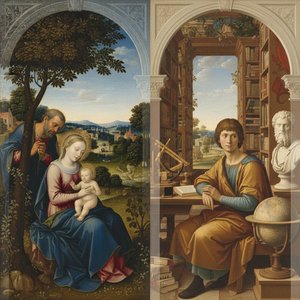
Gerard David: Bridging Late Medieval Tradition with Early Renaissance Humanism
Explore the captivating world of Gerard David, a pivotal figure bridging late medieval artistry with the Early Renaissance. Discover his innovative techniques, religious masterpieces, and enduring legacy – a must-read for discerning art collectors.


