
 Pregledaj u prostoru
 Pošalji
 Podeli
 Detalji o delu

 Преузми
 Slični predmeti
 Rendgenski snimak
 Slajdovi
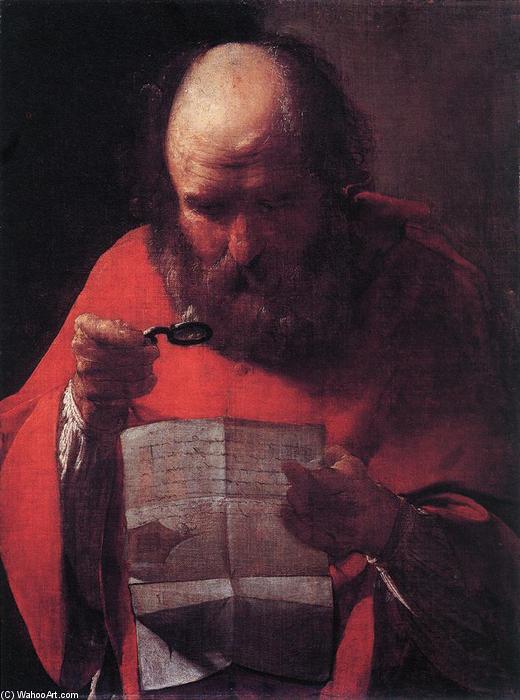
Saint Jerome Reading
 Acrylic On Canvas
- WallArt
- Baroque
 1621
1621 62.0 x 55.0 cm
 Royal Collection
 Pročitaj više
Kupite digitalnu sliku visoke rezolucije i poboljšanog kvaliteta, koja je znatno superiornija od onoga što vidite u online prikazu.
Svaka datoteka je pedantno pripremljena od strane naših stručnjaka koristeći napredne alate i profesionalnu ručnu retušu. Osiguravamo da svaka slika ima izuzetnu oštrinu, preciznu reprodukciju boja i fine detalje.
Konačna datoteka se dostavlja putem e-pošte u roku od 72 sata, optimizovana za neposrednu upotrebu u profesionalnim, izdavačkim i štamparskim okruženjima. To je isti kvalitet kojem veruju vrhunski studiji dizajna, izdavači i galerije.
Digitalna slika
Preuzmite datoteku visoke rezolucije za ličnu upotrebu, štampanje i kreativne projekte. ( Kupi print Kupi ručno naslikanu sliku)
Uključeno uz svaku porudžbinu digitalne slike
Profesionalna digitalna isporuka, zagarantovana
Kada odaberete OriginalUniqueArt.com, ne dobijate samo sliku – vi primate profesionalno unapređeno digitalno umetničko delo, izrađeno sa najvećom preciznošću i uz garanciju zadovoljstva. Evo svega što automatski dolazi uz vašu porudžbinu:

Brza dostava putem e-pošte
Vaša digitalna slika visoke rezolucije biće vam poslata putem e-pošte u roku od 72 sata od poručivanja – spremna za trenutnu upotrebu.

Digitalna datoteka unapređena veštačkom inteligencijom
Vaše umetničko delo je profesionalno optimizovano korišćenjem naprednih AI alata i ručne obrade, čime se osiguravaju maksimalni detalji, oštrina i preciznost boja.

Besplatna ponovna isporuka doživotno
Slučajno ste obrisali ili izgubili svoju datoteku? Ne brinite – poslaćemo vam je ponovo u bilo kom trenutku, potpuno besplatno.

Bez troškova uvoza – zauvek
Uživajte u svojim umetničkim delima trenutno, bez carine, dažbina ili troškova dostave – digitalni download je uvek bez poreza.

Garancija vernosti boja
Uz pomoć profesionalnih alata i upravljanja bojama, osiguravamo da vaša digitalna slika što vernije odražava originalne boje.

Garancija zadovoljstva u roku od 60 dana
Ako niste zadovoljni svojom digitalnom slikom, revidirat ćemo je ili vratiti 100% novca u roku od 60 dana – bez ikakvih pitanja.

100% garancija povrata novca
Niste zadovoljni? Obezbedite pun povrat novca u roku od 60 dana od trenutka kada ste primili svoju digitalnu datoteku – bez suvišnih pitanja.

Popusti na velike porudžbine
Kupite 3 slike, uštedite 10% - Kupite 5 slika, uštedite 15% - Kupite 10+ slika, uštedite 20%. Odlično za kreativne projekte, galerije i agencije.
Opis kolekcionarskog dela
A Meditation on Faith Illuminated: Exploring Georges de La Tour’s Saint Jerome Reading
The painting “Saint Jerome Reading,” executed in 1621 by Georges de La Tour, transcends mere depiction; it embodies a profound exploration of spirituality and the transformative power of contemplation. Created during the height of the Baroque period—a time characterized by dramatic contrasts between light and dark—this artwork stands as a testament to De La Tour’s mastery of chiaroscuro, a technique that elevates the scene beyond a simple portrait into an evocative psychological drama.- Subject Matter: The central figure is Saint Jerome, the revered hermit known for his unwavering devotion and biblical scholarship. He sits alone in a dimly lit room, illuminated by a single candle flame—a deliberate choice that underscores the importance of inner illumination and spiritual discernment.
- Style & Technique: De La Tour’s signature style is instantly recognizable through its masterful manipulation of light. The candle casts an ethereal glow upon Jerome's face and hand, highlighting his furrowed brow and intense gaze as he pores over a manuscript. This dramatic interplay of light and shadow isn’t merely aesthetic; it serves to convey Jerome’s mental state—a preoccupation with divine scripture and a striving for spiritual understanding.
- Interior Design Considerations: This artwork would lend itself beautifully to interior spaces seeking warmth and sophistication. Its muted palette—dominated by browns, reds, and golds—harmonizes seamlessly with traditional furnishings, creating an atmosphere conducive to contemplation and artistic appreciation.
Biografija umetnika
Georges de La Tour (1593–1652): French Baroque Master of Dramatic Chiaroscuro & Tenebrism
Georges de La Tour, a name that resonates with the hushed reverence reserved for masters of light and shadow, remains one of the most compelling figures of the French Baroque. Born in 1593 in Vic-sur-Seille, Lorraine—now Moselle—France, his life unfolded against a backdrop of religious fervor and political upheaval. While details surrounding his early training remain somewhat elusive—scholars speculate about potential journeys to Italy or apprenticeships with local artists like Jacques Bellange—the seeds of his artistic vision were undoubtedly sown in this environment. He wasn’t born into an artistically established family; his father was a baker, yet the circumstances of his mother's lineage hint at a possible connection to nobility, a subtle influence perhaps reflected in the dignity and quiet grace that permeate his work.
Early Life & Artistic Influences
Georges de La Tour’s educational background remains somewhat unclear, but it is assumed that he traveled either to Italy or the Netherlands early in his career. He may possibly have trained under Jacques Bellange in Nancy—the capital of Lorraine—although their styles are very different. His paintings reflect the Baroque naturalism of Caravaggio—the Italian master who revolutionized painting with his intensely realistic and emotionally charged scenes—yet this probably reached him through the Dutch *Caravaggisti* of the Utrecht School and other Northern contemporaries. Hendrick Terbrugghen, in particular, served as a significant model for La Tour’s stylistic development.
The Style of Vic-sur-Seille
La Tour's early works—primarily executed before 1630—demonstrate a distinctive style characterized by vibrant colors and dynamic compositions. These paintings reflect the influence of the Utrecht School, showcasing a heightened sense of realism and capturing the immediacy of everyday life. However, as his career progressed, he moved towards an increasingly introspective and minimalist aesthetic. He began to pare down compositions, focusing on essential forms and reducing extraneous details—creating scenes that felt both timeless and deeply personal.
Major Works & Recurring Themes
The hallmark of De La Tour's oeuvre is undoubtedly his masterful use of candlelight, which he employed not merely as a source of illumination but as a metaphor for divine grace and spiritual awakening. His paintings are often set at night, with figures bathed in the warm, flickering glow of a single candle or lamp. This creates an atmosphere of intimacy and quiet contemplation—drawing the viewer into the scene and inviting them to share in the emotional experience of the subjects. The Fortune-Teller, painted around 1630, exemplifies this early style—a lively genre scene rendered with sharp observation and dramatic lighting. But it is his later religious works that truly showcase his genius. Adoration of the Shepherds, created around 1640, demonstrates his ability to imbue a traditional subject with profound emotional resonance. The figures are not idealized or heroic; they are ordinary people—humbled by the presence of the divine. The Tears of Saint Peter, painted in the 1650s, is a particularly poignant example of his psychological insight—the apostle’s grief rendered with heartbreaking subtlety and realism. Saint Joseph Carpenter, another iconic work, depicts a serene domestic scene—highlighting De La Tour's mastery of capturing the quiet dignity of everyday life.
Legacy & Enduring Appeal
Despite achieving recognition during his lifetime—he was appointed “Painter to the King” by Louis XIII in 1638—De La Tour’s work fell into relative obscurity after his death in 1652. For centuries, many of his paintings were misattributed to other artists—and his name faded from art historical memory. It wasn't until the early 20th century that a concerted effort was made to rediscover and re-evaluate his oeuvre—led by scholars like Hermann Voss. This rediscovery revealed an artist of extraordinary originality and depth—whose work bridged the gap between Caravaggism and French Classicism. De La Tour’s innovative use of light and shadow—combined with his psychological insight into his subjects—continues to captivate audiences today. His paintings offer a glimpse into 17th-century life and spirituality—reflecting both the religious fervor and the social realities of his time. He remains celebrated for his ability to imbue everyday scenes with profound meaning and emotional depth

Жорж Де Ла Тур
1593 - 1652 , Француска
Kratke činjenice
- Artistic Movement Or Style: Baroque, Tenebrism
- Artists Who Influenced This Artist:
- Caravaggio
- Terbrugghen
- Date Of Birth: March 13, 1593
- Date Of Death: Jan. 30, 1652
- Full Name: Georges de La Tour
- Nationality: French
- Notable Artworks:
- Fortune Teller
- Adoration Shepherds
- Tears St Peter
- St Joseph Carpenter
- Place Of Birth: Vic-sur-Seille, France

