Cubist Fauvism
tenora (Жорж Брак)
Жорж Брак (1882–1963) je napravio tenora. Pripada pokretu Cubist Fauvism. Izrađeno je u Mixed Media.
- Mixed Media

 Pregledaj u prostoru

 Ručno oslikano uljanim bojama
 Pošalji
 Podeli
 Informativni list


 Preuzmi
 Slični predmeti
 Rendgenski snimak
 Automatska prezentacija
 Pitanja i odgovori

 Statistika
tenora, ukratko
- Naslov
- tenora
- Umetnik
- Жорж Брак (1882–1963)
- Rođen/a u
- Аржантеј, Француска
- Tehnika
- Mixed Media
- Pokret
- Cubist Fauvism
- Period
- Modern
- Tema
- painting, paper, frame, texture, composition, abstraction
Šta prikazuje tenora?
A Symphony of Texture and Silence
In the quiet realm of Georges Braque’s "Tenora," we encounter a masterpiece that defies the immediate expectations of the eye. At first glance, the composition presents a deceptive simplicity, a monochrome meditation that seems to strip away the distractions of the physical world. Yet, beneath this austere surface lies a profound exploration of texture and presence. The work functions as a tactile landscape, where the absence of vibrant color allows the viewer to focus entirely on the rhythmic dance of light across heavy, sculptural brushstrokes. It is an invitation to slow down, to move past the superficial, and to engage with the very materiality of paint itself. For the discerning collector or interior designer, this piece offers a sophisticated anchor—a work of quiet intensity that commands attention through its subtle complexity rather than through loud, competing hues.
The technique employed in "Tenora" is nothing short of visceral. Braque utilizes a thick impasto, applying layers of pigment so substantial that they create palpable ridges and valleys upon the canvas. This method transforms the painting from a mere two-dimensional image into a three-dimensional object, where shadows are cast by the paint itself. This interplay of light and shadow is further heightened by the artist's mastery of grayscale, creating a range of tones that feel both weighty and ethereal. The surface becomes a topographical map of the artist's creative struggle, capturing the energy of every stroke and the deliberate placement of every layer. Such textural depth makes a high-quality reproduction particularly rewarding, as it allows the play of ambient light in a room to interact with the simulated relief of the brushwork.
The Echoes of Fauvism and the Birth of Modernity
To understand "Tenora," one must look back to the radical shifts occurring in the French avant-garde at the turn of the 20th century. While Braque would later become a titan of Cubism, this work resonates with the lingering spirit of Fauvism. During this era, artists sought to liberate color from its descriptive duties, using it instead as a direct conduit for emotion. In "Tenora," even within a restricted palette, we feel that same expressive rebellion. The painting does not seek to mirror a recognizable object with photographic accuracy; rather, it seeks to capture the essence of a moment. There is a historical weight to this piece, as it sits at the crossroads of tradition and revolution, embodying the transition from the atmospheric preoccupations of Impressionism to the structural, intellectual rigor of the modern age.
The title itself, referencing the tenora—a traditional Catalan woodwind instrument—adds a layer of haunting symbolism. Though the instrument may not be explicitly rendered in a naturalistic fashion, its presence is felt through the rhythmic, melodic quality of the composition. The painting becomes a visual music, where the thick strokes act as notes and the tonal shifts serve as crescendos and decrescendos. This connection to folk tradition and auditory sensation imbues the work with a soulful, human element that balances its intellectual complexity. For those looking to infuse a space with culture and depth, "Tenora" provides more than just decoration; it offers a window into a pivotal moment of human expression, making it an enduring choice for any curated collection.
Slike visoke rezolucije za tenora

Protected by copyright: these files are for personal reference, not a licence to republish.
Жорж Брак, tenora.
Odgovori na pitanja o tenora
U kojoj je tehnici izvedeno delo „tenora”, autor Жорж Брак?
Koje su teme prikazane u delu „tenora”, autor Жорж Брак?
Da li je delo „tenora”, autor Жорж Брак u javnom vlasništvu?
Kome se pripisuje delo "tenora"?
Koji umetnički pravac obuhvata „tenora”, autor Жорж Брак?
U kojoj fazi stvaralaštva umetnika Жорж Брак se nalazi delo "tenora"?
Zašto je status autorskih prava za "tenora" takav kakav jeste?
Status autorskih prava za delo "tenora" - i dalje je zaštićeno autorskim pravima - proizilazi iz godine smrti umetnika, 1963.
Na koji način se "tenora" uklapa u teme i stil umetnika Жорж Брак?
Na koji način se tema dela "tenora" odnosi na uobičajene teme umetnika Жорж Брак?
O umetniku, Жорж Брак
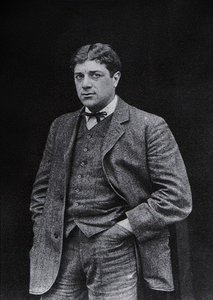
1882–1963, Француска
Жорж Брак
Early Life and Artistic Foundations Georges Braque, geboren in Argenteuil, Frankreich, im Jahr 1882, begann eine Lebensbahn tief verwurzelt in der sich entwickelnden Landschaft der modernen Kunst. Seine Kindheit innerhalb einer Familie von Hausmalern und Dekorateuren vermittelte ihm nicht nur technische Meisterschaft über Materialien, sondern auch eine frühe Wertschätzung für Form und Struktur. Obwohl er zunächst seinem Vater folgte und dessen Beruf ausübte, führten seine natürlichen künstlerischen Neigungen ihn bald zu einer Ausbildung am École des Beaux-Arts in Le Havre hinweg, wodurch sein Weg zum Erreichen eines der einflussreichsten Maler des 20. Jahrhunderts begann.
Takođe i Жорж Брак
 Мандола1910
 Čovek sa Gitarom1914
 Куће у Л'Естаку
 Залив Нормандија1909
Eseji o delu tenora
 Quietude on Canvas: Examining Serenity in Classical LandscapesExplore how masters like Dürer and Corot capture profound stillness through landscape. Discover the art of visual tranquility today.
 Georges Braque: 25 Remek-dela Kubizma za Inspirisanje Vašeg Doma | OriginalUniqueArtIstražite 25 remek-dela Georges Braquea, pionira kubizma. Otkrijte priče iza slika, tehnike i inspiraciju za dizajn enterijera. Reprodukcij…
 Georges Braque: The Architect of Form and the Soul of Cubist RevolutionExplore the profound legacy of Georges Braque, a master of Cubism. Discover how his technical craftsmanship and collaboration with Picasso …