() ·

A painting made for you, by hand

The Germans Arrive

Ručno rađena uljana reprodukcija

Ručno oslikano uljanim bojama na platnu u dimenzijama i okviru po vašem izboru, izrađeno po porudžbini od strane naših umetnika. ( Pređi na štampu Pređi na digitalnu sliku)

Opis predmeta

Bellows' 'The Germans Arrive' (1918) powerfully depicts WWI’s brutality, capturing a chaotic battlefield scene with intense realism and social commentary. Explore this iconic work by George Bellows.

Biografija umetnika

Istražite rad Džordža Veslija Belousa (1882-1925), vodećeg američkog realista poznatog po dinamičnim scenama gradskog života i boksa. Otkrijte njegov stil, uticaj Pokreta Aškan i snažne slike Njujorka.

from ·

Chapter 1

How large should it be?

Slide to change the size; the picture on the left shows the frame at its real width. The proportions of the original are kept.

Standardne dimenzije
po meri
CM
INCH

Izaberite jednu od naših unapred definisanih veličina koje odgovaraju originalnim proporcijama umetničkog dela.

širina
visina

Unesite potrebnu širinu i visinu kako bi se slika uklopila u vaš ram ili zid. Pošto je ovo ručno oslikano delo, umetnik može za dimenzije drugačijeg oblika naslikati malo više prostora oko slike ili malo skratiti ivice — izbor je na vama. Pre početka rada, poslaćemo vam digitalni prikaz radi potvrde. Slika prikazana na ovoj stranici ne predstavlja konačan rezultat — samo digitalni prikaz pokazuje stvarnu sliku.

Chapter 2

How should it arrive?

Choose the edges of the stretched canvas

Choose your frame

Corner sample of the WhiteWrap canvas edge finish, stretched on masivno drvo bars
White дин1
Corner sample of the BlurSideWrap canvas edge finish, stretched on masivno drvo bars
Blurside дин1
Corner sample of the ExtendedWrap canvas edge finish, stretched on masivno drvo bars
Extended дин1
Corner sample of the P118B picture frame: oblikovani polistiren, 5 cm wide and 3 cm thick
P118B дин10
Corner sample of the P118H picture frame: oblikovani polistiren, 5 cm wide and 3 cm thick
P118H дин10
Corner sample of the P118W picture frame: oblikovani polistiren, 5 cm wide and 3 cm thick
P118W дин10
Corner sample of the P438Z picture frame: oblikovani polistiren, 5.5 cm wide and 3.5 cm thick
P438Z дин10
Corner sample of the P508JH picture frame: oblikovani polistiren, 7 cm wide and 3.5 cm thick
P508JH дин12
Corner sample of the P508YH picture frame: oblikovani polistiren, 7 cm wide and 3.5 cm thick
P508YH дин12
Corner sample of the P805H picture frame: oblikovani polistiren, 5 cm wide and 3.5 cm thick
P805H дин10
Corner sample of the P805Z picture frame: oblikovani polistiren, 5 cm wide and 3.5 cm thick
P805Z дин10
Corner sample of the P919BZ picture frame: oblikovani polistiren, 7 cm wide and 3.5 cm thick
P919BZ дин10
Corner sample of the P919G picture frame: oblikovani polistiren, 7 cm wide and 3.5 cm thick
P919G дин10
Corner sample of the P919XJ picture frame: oblikovani polistiren, 7 cm wide and 3.5 cm thick
P919XJ дин10
Corner sample of the P959ZH picture frame: oblikovani polistiren, 5 cm wide and 3 cm thick
P959ZH дин10
Corner sample of the P968JZ picture frame: oblikovani polistiren, 6 cm wide and 4 cm thick
P968JZ дин12
Corner sample of the W106C picture frame: masivno drvo, 5 cm wide and 3 cm thick
W106C дин8
Corner sample of the W218G picture frame: masivno drvo, 5 cm wide and 3 cm thick
W218G дин10
Corner sample of the W218JH picture frame: masivno drvo, 5 cm wide and 3 cm thick
W218JH дин8
Corner sample of the W218Y picture frame: masivno drvo, 5 cm wide and 3 cm thick
W218Y дин10
Corner sample of the W307PJ picture frame: masivno drvo, 6 cm wide and 3 cm thick
W307PJ дин10
Corner sample of the W316G picture frame: masivno drvo, 6 cm wide and 3 cm thick
W316G дин10
Corner sample of the W316PJ picture frame: masivno drvo, 6 cm wide and 3 cm thick
W316PJ дин8
Corner sample of the W316Y picture frame: masivno drvo, 6 cm wide and 3 cm thick
W316Y дин10
Corner sample of the W398PJ picture frame: masivno drvo, 5 cm wide and 3 cm thick
W398PJ дин8
Corner sample of the W4111J picture frame: masivno drvo, 6.5 cm wide and 3.5 cm thick
W4111J дин10
Corner sample of the W500HY picture frame: masivno drvo, 7 cm wide and 5 cm thick
W500HY дин15
Corner sample of the W500JH picture frame: masivno drvo, 7 cm wide and 5 cm thick
W500JH дин15
Corner sample of the W692G picture frame: masivno drvo, 8 cm wide and 4 cm thick
W692G дин12
Corner sample of the W849H picture frame: masivno drvo, 5 cm wide and 3 cm thick
W849H дин8
Corner sample of the W940BG picture frame: masivno drvo, 7.5 cm wide and 4.5 cm thick
W940BG дин15
Corner sample of the W953PJ picture frame: masivno drvo, 6 cm wide and 3.5 cm thick
W953PJ дин8
Corner sample of the H24-GOLD picture frame: rezbarano drvo sa gessoom, 10 cm wide and 6 cm thick
H24-GOLD дин30
Corner sample of the H24-SILVER picture frame: rezbarano drvo sa gessoom, 10 cm wide and 6 cm thick
H24-SILVER дин30
Corner sample of the H36-GOLD picture frame: rezbarano drvo sa gessoom, 15 cm wide and 6.5 cm thick
H36-GOLD дин45
Corner sample of the H36-SILVER picture frame: rezbarano drvo sa gessoom, 15 cm wide and 6.5 cm thick
H36-SILVER дин45

Moulding: . Overall size with the frame: .

Chapter 3

Who paints it, and should anything change?

Examples of what can be changed: Replace face with customer photo; Add pet (e.g., replace cat with dog); Include hidden message in background; Change background landscape or elements.
After order, OriginalUniqueArt.com team will email client for instructions and provide a mockup preview

Svetska isporuka () za 3/4 nedelje umesto uobičajenih 5 nedelja. (1 новембар). Bez kompromisa po pitanju kvaliteta.

Chapter 4

The finishing touches

A nameplate, as in a museum?

Detalji gravirane bronze ploče

This elegant plaque features the artist's name and the title of the artwork, finely engraved for a timeless presentation.

It is made from bronze with a refined, elegant finish. The text is precisely laser-engraved for a sharp and permanent result. Measuring 9x2 cm, the plaque is compact yet easy to read. It's built to be durable and scratch-resistant, offering a professional, museum-quality look. Mounting is simple thanks to the included adhesive backing.

Detalji prozirne akrilne pločice

The plaque includes essential engraved details such as the artist's name, the title of the artwork, the date it was created, the type of media used-like oil on canvas or watercolor-a brief description of the piece, and a QR code that links to the complete artwork information.

It is crafted from clear acrylic, offering a sleek, modern appearance. The text is UV-engraved in black to ensure strong visual contrast. With a size of 10x15 cm, it ensures optimal readability. It comes equipped with two metal hooks for secure wall mounting. The plaque is designed to be weather-resistant, making it suitable for various environments, and it includes interactive features that work seamlessly with smartphone scanning.

Detalji crne akrilne pločice

This elegant plaque includes engraved information such as the artist's name, the title of the artwork, the date it was created, the type of media used (like oil on canvas or watercolor), a short description of the artwork, and a QR code for quick access to more information.

The plaque itself is made from refined black acrylic with a premium finish. The text is laser-engraved in white for high contrast and readability. Its size is 10x15 cm, designed to be easy to read. It comes with two metal hooks for professional mounting. The design is sleek and fits any interior style. It is also weather-resistant and durable, with built-in digital integration for mobile compatibility.

A protective varnish?

When do you need it?

Chapter 5

Your painting, as you ordered it

The Germans Arrive

Tehnika reprodukcije

Dimenzije reprodukcije

-

Vrhunski maestri umetnosti

Više detalja, prefinjenosti i dodatnog vremena za izradu

-

Okvir za reprodukciju

-

-

Za umetnička dela ili reprodukcije čija je bilo koja strana veća od 105 cm (približno 41 inč), okvir će biti isporučen u obliku rastavljenog seta za sklapanje. Ovaj metod osigurava bezbednu dostavu i sprečava oštećenja tokom transporta.

Potrebna je profesionalna montaža – ovo nije proizvod namenjen samostalnoj izradi.
Set mora sastaviti i platno zategnuti iskusni profesionalni ramitelj, koristeći drveni lepak (nije uključen u set), hvataljku za zatezanje platna i stege kako bi se održao prav ugao okvira dok se lepak suši. Nepravilno sklapanje ili neravnomerno zategnuto platno mogu trajno oštetiti umetničko delo, što nije pokriveno našom garancijom.

  • Sve šipke od masivnog drveta su uključene, precizno isečene po veličini.

  • Montira se pomoću priloženih šrafova, uz dodatno korišćenje lepka za drvo za spojeve u uglovima, koji nije uključen u set i koji vaš čuvar okvira mora obezbediti.

  • Potreban je profesionalni alat koji nije uključen u set: klešta za zatezanje platna (zatezač) i stege za održavanje pravih uglova letvica tokom sušenja lepka.

Važno:
Za spojeve u uglovima neophodan je lepak za drvo, šipke se moraju pričvrstiti stezgama dok lepak potpuno ne osuši, a za zatezanje platna na sklopljenom ramu potrebne su hvataljke za zatezanje platna. Nijedan od ovih alata nije uključen u komplet. Pre naručivanja ove veličine, molimo Vas da unapred obezbedite iskusnog profesionalca za ramačenje.

Kratki opis natpisa

-

-

Zaštitni lak

Sjajni lak (pojačava intenzitet boja, štiti od svetlosti i vlage)

-

Personalizujte svoje umetničko delo

Primeri mogućnosti izmene: Zamena lica fotografijom kupca; Dodavanje ljubimca (npr. zamena mačke psom); Uključivanje skrivene poruke u pozadini; Promena pejzaža ili elemenata pozadine.

-

Hitna dostava

Svetska isporuka () za 3/4 nedelje umesto uobičajenih 5 nedelja. (1 новембар). Bez kompromisa po pitanju kvaliteta.

-

Brza dostava

Dostava širom sveta () u roku od 5 nedelja. (8 новембар).

Uključeno u cenu

Ukupna cena

дин 31252

Ukupna cena дин 31252

Opcija sa staklom dostupna je samo za dimenzije manje od 110 cm

Included with every order

  • Besplatna ekspresna dostava širom sveta
  • Visokokvalitetno laneno platno
  • Potpuno osiguranje transporta
  • Garancija povraćaja carine i uvoznih dažbina
  • Garancija vernosti boja
  • Politika povraćaja u roku od 100 dana (samo u slučaju nedostataka)
  • Garancija povrata 100% novca
  • Popust na više proizvoda

The Raw Edge of War: Bellows’ “The Germans Arrive”

George Wesley Bellows' "The Germans Arrive," painted in 1918, isn’t merely a depiction of a battlefield; it’s a visceral plunge into the heart of World War I’s brutal reality. Captured during a period of immense national upheaval and fueled by the anxieties of a rapidly changing world, the painting confronts viewers with an unsettling honesty rarely found in historical art. Bellows, already a rising star within the Ashcan School movement – known for its unflinching portrayal of urban life – here shifts his focus to the horrors unfolding on European fronts. The scene is chaotic and claustrophobic, dominated by a tangle of bodies locked in a desperate struggle. It’s not a heroic narrative of valor or patriotic fervor; instead, it's a stark tableau of violence, exhaustion, and the utter dehumanization inherent in war. Bellows masterfully utilizes a limited palette of earthy browns, grays, and muddy greens to evoke the grime and despair of the trenches – a deliberate choice that underscores the painting’s grim subject matter. The composition itself is deliberately unsettling, with figures collapsing upon one another, creating a sense of overwhelming density and inescapable conflict.

A Study in Dynamic Realism: Bellows' Technique

Bellows’ distinctive style shines through in “The Germans Arrive” – a potent blend of realism and dynamic energy. He eschews idealized forms or romanticized depictions of combat, opting instead for a brutally honest portrayal of the soldiers involved. The figures are rendered with a remarkable attention to detail, capturing not just their physical appearance but also the strain etched on their faces and the desperate tension in their postures. His brushwork is loose and expressive, characterized by bold, visible strokes that convey movement and immediacy. Notice how he uses short, choppy lines to depict the frantic action of the fighting, contrasting sharply with the smoother, more controlled application of paint used for the background elements. This technique creates a powerful sense of visual rhythm, pulling the viewer directly into the heart of the conflict. Bellows’ use of light and shadow is equally effective, highlighting key figures and emphasizing the overall atmosphere of darkness and uncertainty. The painting's almost frenetic energy reflects Bellows' own fascination with movement – an influence undoubtedly stemming from his background as a competitive athlete.

Contextualizing Conflict: The Shadow of the Great War

“The Germans Arrive” must be understood within the context of World War I, a conflict that fundamentally reshaped Europe and left an indelible mark on the 20th century. The painting emerged during a period of intense nationalistic fervor and widespread propaganda, yet Bellows resists simplistic narratives of good versus evil. He presents a fragmented, ambiguous scene – a collection of anonymous soldiers locked in a desperate struggle with no clear victor or vanquished. The inclusion of figures from multiple nationalities within the melee underscores the universal nature of war’s devastation. Furthermore, the painting reflects the growing disillusionment felt by many artists and intellectuals following the war's end. Bellows’ unflinching portrayal of violence challenged conventional notions of heroism and exposed the dark underbelly of modern warfare. The reference to the Volga Germans, a significant minority group within Russia who were forcibly relocated during the conflict, adds another layer of complexity to the painting’s narrative – highlighting the displacement and suffering experienced by countless individuals as a result of the war.

Symbolism and Emotional Resonance: A Portrait of Despair

Beyond its immediate depiction of combat, “The Germans Arrive” is laden with symbolic meaning. The tangled bodies represent not just physical wounds but also the shattered lives and broken dreams of those caught in the crossfire. The muddy ground beneath them symbolizes the moral decay and spiritual emptiness that war engenders. Even the seemingly random arrangement of figures suggests a deeper, more unsettling truth – that war is ultimately an irrational and senseless act of destruction. The painting evokes a profound sense of despair and hopelessness, yet it also possesses a strange beauty in its raw honesty. It’s a testament to Bellows' ability to capture not just the outward appearance of violence but also the underlying emotional turmoil it creates. The viewer is left with a lingering feeling of unease – a reminder of the human cost of conflict and the enduring legacy of war. This reproduction offers a powerful window into this pivotal moment in history, inviting contemplation on themes of loss, resilience, and the dark side of humanity.

Pitanja i odgovori

Kakvo se raspoloženje i emocija prepliću u "The Germans Arrive"?

„The Germans Arrive”, autor Џорџ Весли Белоуз prenosi Somber osećaj unutar opšte Dramatic atmosfere.

Odakle dolaze posetioci dela „The Germans Arrive”, autor Џорџ Весли Белоуз?

Postoji Statistika stranica za „The Germans Arrive“. Ona prikazuje mesečne posete ovom umetničkom delu i drugim delima ovog umetnika, uz detaljnu analizu po državama i jezicima.

Koja osnovna nijansa prožima „The Germans Arrive”, autor Џорџ Весли Белоуз?

Dominantna nijansa dela „The Germans Arrive”, autor Џорџ Весли Белоуз je Green to Violet Spectrum. Ova nijansa predstavlja osnovni ton palete.

More about this painting

Pregledaj u prostoru AR pregled Pređi na štampu Pređi na digitalnu sliku Pošalji
Detalji o delu Vodič Dodaj u omiljene Preuzmi Slični predmeti Rendgenski snimak Automatska prezentacija Q&A Statistika

In numbers

  • 1918the year it was painted
  • 29frames to choose from
  • standard sizes, in its own proportions
  • 5weeks to paint and deliver it
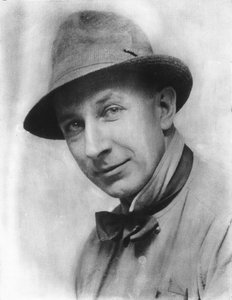
Џорџ Весли Белоуз

Џорџ Весли Белоуз

1882 - 1925, Сједињене Америчке Државе

Quick facts about Џорџ Весли Белоуз

  • Artistic Movement Or Style: Ашканова школа, Реализам
  • Artists Or Movements Influenced By This Artist: Следеће генерације сликара
  • Artists Who Influenced This Artist: ['Роберт Хенри']
  • Date Of Birth: 12/19. август 1882.
  • Date Of Death: 1925.
  • Full Name: Џорџ Весли Белоуз
  • Nationality: Американац
  • Notable Artworks (List Of Titles):
    • Централни парк
    • Немачки долазе
    • Људи са пристаништа
    • Тениски турнир
  • Place Of Birth (City And Country): Колумбус, САД

Biografija umetnika

Svetlost i Snaga Američkog Života: Svet Džordža Veslija Belousa

Džordž Vesli Belous, ime sinonim za sirovu energiju i burni modernizam ranog 20. veka u Americi, izrastao je u ključnu figuru realizma. Rođen u Kolumbusu, Ohajo, 12. ili 19. avgusta 1882. godine, njegov put od sportskog talenta do umetničke slave svedoči o moći strasti i nepokolebljive posvećenosti. Čak i pre formalnog školovanja, mladi Džordž je pokazivao urođeni dar za crtanje, ispunjavajući beležnice skicama koje su nagoveštavale oštro oko i rastući veštinu. Njegovo odrastanje nije bilo usmereno samo na umetnost; odlično se isticao u sportu, igrajući bejzbol i košarku na Državnom univerzitetu Ohajo – dualizam koji bi duboko uticao na njegov umetnički pogled, usađujući njegov rad osećajem dinamičkog pokreta i fizičke snage. Ova sportska pozadina nije mu dala samo disciplinu, već i cenjenje za ljudski oblik u akciji, temu koja će postati centralna u njegovim najpoznatijim slikama. Napustio je univerzitet neposredno pre diplomiranja, vođen neodoljivom privlačnošću Njujorka i obećanjem umetničkog obrazovanja.

Kovanje Puta: Škola Eškena i Iznad nje

Dolaskom u Njujork 1904. godine, Belous je brzo pronašao mentora u Robertu Henriju, vodećoj figuri škole Eškena. Ova grupa umetnika – uključujući Džona Sloana, Vilijama Glakensa i Džordža Luksa – namerno se okrenula od akademskih konvencija, birajući umesto toga da prikažu grubu stvarnost gradskog života: prenatrpane zgrade, užurbane ulice i svakodnevnu borbu američkih radnika. Belous je prihvatio ovaj etos srcem, u početku ogledajući Henrijevu slobodnu tehniku ​​i posvećenost socijalnom realizmu. Međutim, nije bio zadovoljan samo kopiranjem stila svog učitelja; posedovao je ambiciju da krene sopstvenim jedinstvenim umetničkim putem. 1906. godine osnovao je studio sa kolegom Edvardom Kifom, obeležavajući početak plodnog perioda eksperimentisanja i rasta. Njegovi raniji radovi, poput onih izloženih 1908. godine, susreli su se sa mešovitim reakcijama – neki kritičari su ih smatrali grubim, dok su drugi prepoznali njihovu hrabru smelost i inovativni duh. Belousova tema je često bila kontroverzna za svoje vreme, izazivajući prevladavajuće predstave o tome šta čini „prihvatljivu“ umetnost. Nije se stideo da prikaže manje glamurozne aspekte gradskog života, hvatajući scene siromaštva, rada i razonode sa nemilosrdnom iskrenošću.

Arena Života: Boksovanje i Urbana Spektakularnost

Iako je Belousovo delo obuhvatalo širok spektar tema – portrete, pejzaže, morske prizore – možda je najpoznatiji po svojim snažnim prikazima bokserskih mečeva. To za njega nisu bili samo sportski događaji; to su bili mikrokosmi ljudske drame, utelovljujući teme borbe, otpornosti i primarnih instinkata koji pokreću takmičenje. Često je posećivao zadimljene bokserske klubove, pažljivo proučavajući pokrete boraca, intenzitet njihovog pogleda i sirovu energiju publike. Slike poput *Oboje članova ovog kluba* (1909) i *Jelen na Šarkijevom mestu* (1909) su majstorstvo njegovih sposobnosti da uhvati ovu atmosferu, koristeći dramatično osvetljenje, dinamične kompozicije i opipljiv osećaj napetosti. Bokserske scene nisu bile samo o sportu; to su bile metafore za životne bitke, odražavajući socijalni darvinizam koji je bio prisutan u američkom društvu tog vremena. Pored boksa, Belous je inspiraciju pronašao i u drugim spektakularnim scenama gradskog života – paradama, cirkusima i prenatrpanim ulicama – nudeći prilike da istraži teme pokreta, energije i kolektivnog iskustva.

Razvoj Stila i Trajno Nasleđe

Kako je Belous sazrevao kao umetnik, njegov stil je prošao kroz suptilnu ali značajnu evoluciju. Iako je zadržao svoju posvećenost realizmu, počeo je da se udaljava od slobodne tehnike svojih ranih godina, usvajajući stilizovaniju estetiku karakterisanu glatkim krivinama, monumentalnim oblicima i pojačanim osećajem drame. Ovaj pomak je očigledan u kasnijim radovima poput *Dempsey and Firpo* (1924), monumentalnom platnu koje hvata klimaktičan trenutak legendarnog bokserskog meča sa zadivljujućom snagom. Eksperimentisao je i sa litografijom, proizvodeći niz izvanrednih otisaka koji su pokazali njegovu veštinu u liniji i tonu. Iako je postigao značajan uspeh tokom svog života – uključujući izbor u Nacionalnu akademiju dizajna 1913. godine – Belous je ostao posvećen pomicanju umetničkih granica i osporavanju konvencionalnih normi. Njegova prerana smrt 1925. godine, u dobi od 42 godine, prekinula je obećavajuću karijeru, ali njegovo nasleđe traje kao jednog od najvažnijih američkih realista. *Ostavio je za sobom opus koji i dalje rezonira sa publikom danas*, nudeći snažan i nemilosrdan portret američkog života u ranom 20. veku – sveta prepunog energije, sukoba i trajne duha čovečnosti. Njegov uticaj se može videti u sledećim generacijama umetnika koji su nastojali da uhvate dinamiku i složenost modernog urbanog iskustva. **Džordž Belous nije samo slikao slike; dokumentovao je eru.**

Glavna Dela & Priznanja

  • *Oboje članova ovog kluba* (1909) – Temeljno delo koje hvata atmosferu bokserskog kluba.
  • *Jelen na Šarkijevom mestu* (1909) – Još jedna ikonična slika bokserskog meča, poznata po dramatičnom osvetljenju i kompoziciji.
  • *Ljudi sa dokova* (1912) – Snažan prikaz radnika, koji pokazuje Belousovu veštinu u hvatanju fizičke snage i teksture.
  • *Nemci dolaze* (1918) – Serija litografija koje prikazuju okrutnosti počinjene tokom Prvog svetskog rata, demonstrirajući njegovu uključenost u društvena i politička pitanja.
  • *Dempsey and Firpo* (1924) – Monumentalno platno koje hvata ključni trenutak u istoriji boksa, pokazujući Belousov razvijeni stil i majstorstvo kompozicije.
Belousovi radovi se nalaze u velikim muzejskim zbirkama širom Sjedinjenih Država, uključujući Muzej moderne umetnosti (Njujork), Nacionalnu galeriju umetnosti (Vašington D.C.), Smithsonianov Američki muzej umetnosti i Whitney muzej američke umetnosti. Njegove slike se nastavljaju izlagati i proučavati od strane istoričara umetnosti i ljubitelja, učvršćujući njegov položaj kao kameni ugao američkog umetničkog nasleđa.

Osnovne informacije

  • Notable elements: WWI battlefield scene
  • Year: 1918
  • Title: The Germans Arrive
  • Medium: Oil on Canvas
  • Location: Art Institute of Chicago

Kviz o umetnosti

Svako pitanje ima samo jedan tačan odgovor.

Pitanje 1:
What is the primary subject depicted in ‘The Germans Arrive’?
Pitanje 2:
Which artistic movement is George Bellows most associated with?
Pitanje 3:
In what year was ‘The Germans Arrive’ painted by George Bellows?
Pitanje 4:
The painting ‘The Germans Arrive’ reflects which historical event?
Pitanje 5:
What is a key characteristic of Bellows’ style evident in ‘The Germans Arrive’?
Istražite umetnička dela organizovana prema temama, stilovima i karakteristikama.