

 Pregledaj u prostoru
 Podeli
 Podeli
 Detalji
 Vodič
Vodič

 Preuzmi sliku
 Slični predmeti
 Rendgenski snimak
 Automatska prezentacija
 Statistika
My Mother


 Pročitaj više
Ručno rađena uljana reprodukcija
Ručno oslikano uljanim bojama na platnu u dimenzijama i okviru po vašem izboru, izrađeno po porudžbini od strane naših umetnika. ( Pređi na prodaju štampanih primeraka Pređi na prodaju digitalnih slika)




P118B дин10

P118H дин10

P118W дин10

P438Z дин10

P508JH дин12

P508YH дин12

P805H дин10

P805Z дин10

P919BZ дин10

P919G дин10

P919XJ дин10

P959ZH дин10

P968JZ дин12

W106C дин8

W218G дин10

W218JH дин8

W218Y дин10

W307PJ дин10

W316G дин10

W316PJ дин8

W316Y дин10

W398PJ дин8

W4111J дин10

W500HY дин15

W500JH дин15

W692G дин12

W849H дин8

W940BG дин15

W953PJ дин8




Izaberite jednu od naših unapred definisanih veličina koje odgovaraju originalnim proporcijama umetničkog dela.

Unesite širinu i visinu koja vam je potrebna, kako bi se uklopili u vaš ram ili zid. Pošto je ovo ručno oslikano delo, umetnik može naslikati malo više prostora oko slike ili malo skratiti ivice za dimenzije drugačijeg oblika — izbor je na vama. Pre početka rada, poslaćemo vam digitalni prikaz radi potvrde. Slika prikazana na ovoj stranici ne predstavlja konačan rezultat — samo digitalni prikaz pokazuje stvarnu sliku.
Nakon narudžbine, tim OriginalUniqueArt.com će klijentu putem e-pošte poslati uputstva i dostaviti prikaz predloženog rešenja
Svetska isporuka () za 3/4 nedelje umesto uobičajenih 5 nedelja. (22 октобар). Bez kompromisa po pitanju kvaliteta.

Besplatna ekspresna dostava širom sveta

Visokokvalitetno laneno platno

Sveobuhvatno osiguranje transporta

Garancija povraćaja carine i uvoznih dažbina

Garancija vernosti boja i autentičnosti pri reprodukciji

Politika povraćaja u roku od 100 dana (samo u slučaju nedostataka)

Garancija povrata 100% novca

Popust pri većoj količini
 Opcija sa staklom dostupna je samo za dimenzije manje od 110 cm

My Mother
Tehnika izrade reprodukcije
Veličina reprodukcije
-


Ukupna cena
дин 30850
George Wesley Bellows’ “My Mother”: A Portrait of Resilience Amidst Urban Decay
The painting "My Mother," completed in 1921 by George Wesley Bellows, stands as a poignant testament to the artist's masterful observation of human emotion and his distinctive Ashcan School style. More than just a depiction of an elderly woman seated in a chair—a motif frequently revisited by Bellows—the artwork embodies a profound exploration of familial bonds against the backdrop of America’s rapidly changing cityscape during the early 20th century.Style and Technique: The Ashcan Aesthetic
Bellows, deeply rooted in the Ashcan School movement, rejected academic conventions favoring gritty realism over idealized beauty. His approach to “My Mother” exemplifies this ethos through a deliberate simplification of form—a technique honed by influences from Jay Hambidge’s theory of dynamic symmetry. The artist meticulously constructed the portrait's composition using proportionate rectangles and triangles, creating an impression of stability amidst apparent disorder. Bold brushstrokes dominate the canvas, conveying texture and capturing the subtle nuances of light and shadow – characteristics typical of Ashcan painters who sought to depict everyday life with unflinching honesty.Subject Matter: Domestic Tranquility Amidst Urban Flux
The painting portrays Anna Bellows, George Wesley Bellows’ mother, seated in a Victorian parlor chair. This seemingly simple depiction holds profound significance. The artist deliberately chose a setting that reflects the prevailing aesthetic of Parisian artists like Édouard Manet—a deliberate reference to artistic trends of the time. The composition emphasizes stillness and dignity against the backdrop of a bustling city, symbolizing familial warmth and resilience within the context of rapid societal change. Bellows’ masterful use of muted colors and subtle brushstrokes contributes to the painting's contemplative mood, inviting viewers to contemplate themes of motherhood, memory, and quiet strength. The artwork itself is an oil on canvas measuring approximately 49 inches by 76.2 centimeters (124.4 cm). It exemplifies Bellows’ signature Ashcan School style—a movement characterized by gritty realism and unflinching portrayals of urban life. Unlike the idealized landscapes favored by many Impressionists, Bellows focused intently on capturing the textures and nuances of everyday scenes, particularly those inhabited by ordinary people. His technique involved applying paint in thick impasto strokes, creating a palpable sense of physicality and immediacy that distinguishes his work from smoother, more polished styles. Careful observation and meticulous detail were paramount to his artistic process—he spent considerable time studying his subjects before embarking on the painting itself.George Wesley Bellows: “My Mother” – A Portrait of Resilience
“My Mother,” painted in 1921 by George Wesley Bellows, stands as a cornerstone of American realist art and exemplifies Bellows’s masterful command of technique and his profound understanding of human emotion. Executed on canvas with oil paints, the artwork captures Anna Bellows—Bellows's wife—seated in a Victorian parlor bathed in soft light. This seemingly simple composition belies a complex exploration of motherhood, dignity, and quiet strength – themes that resonate powerfully even today.- Style: The painting adheres to the Ashcan School style, characterized by its unflinching depiction of urban life and its rejection of idealized beauty. Unlike Impressionists who sought to capture fleeting moments of light and color, Bellows prioritized capturing the essence of human experience with a focus on realism and psychological depth.
- Technique: Executed in oil paint on canvas, Bellows employed meticulous brushwork—particularly visible in the rendering of drapery and textures—to convey a palpable sense of materiality. His technique is notable for its deliberate use of geometric forms (rectangles and triangles) informed by Jay Hambidge’s theory of dynamic symmetry, contributing to the painting's visual stability while simultaneously conveying movement.
- Historical Context: “My Mother,” completed in 1921, stands as a quintessential example of American Modernism during the interwar period. It emerged from the Ashcan School movement, which championed gritty depictions of urban life and challenged prevailing artistic conventions. Influenced by Thomas Eakins’s portraiture style—particularly his masterful use of light and shadow—Bellows sought to capture not merely a likeness but also an essence of human experience.
- Style & Technique: Bellows employed oil paint on canvas, utilizing a technique characterized by bold brushstrokes and expressive layering. The muted palette – dominated by browns, grays, and ochres – reflects the somber mood conveyed by the composition. Careful attention was paid to anatomical accuracy, mirroring the influence of Thomas Eakins’s meticulous observation of the human form.
- Symbolism & Emotional Impact: “My Mother,” painted in 1921, transcends a simple portrait; it embodies themes of maternal love, resilience, and quiet dignity. The seated posture of Anna Bellows—her hands folded calmly on her lap—suggests inner strength despite the passage of time. The diffused light illuminating her face evokes tenderness and contemplation, inviting viewers to reflect on familial bonds and enduring beauty.
- Historical Context: George Wesley Bellows’s oeuvre is firmly rooted in the Ashcan School movement, a group of American artists who championed realism and unflinching depictions of urban life during the early 20th century. Influenced by Impressionism and Symbolism, Bellows sought to capture the gritty realities of New York City—the tenements, the factories, the working-class struggles—without romanticizing them. “My Mother,” painted in 1921, exemplifies this stylistic approach, mirroring the aesthetic sensibilities prevalent at the time.
- Style and Technique: Bellows’s distinctive style is characterized by bold brushwork, expressive color palettes, and a masterful command of composition—particularly his use of dynamic symmetry. He meticulously studied Jay Hambidge's theories on geometric harmony, applying them to create balanced yet energetic images that capture the essence of human experience. “My Mother” showcases this technique brilliantly; the artist employs thick impasto strokes to convey texture and depth, emphasizing the solidity of the chair and the dignified posture of his mother.
- Historical Context: The painting emerged during a period of significant artistic experimentation in America—the Ashcan School. Artists like George Wesley Bellows sought to depict urban life with unflinching realism, rejecting idealized representations in favor of portraying gritty realities and social struggles. This movement challenged prevailing aesthetic conventions and championed an honest portrayal of the human condition. “My Mother” reflects this spirit of rebellion against artistic dogma, presenting a portrait that prioritizes psychological insight over decorative embellishment.
- Symbolism: Beyond its formal composition, "My Mother" carries profound symbolic weight. The seated figure embodies strength, resilience, and maternal devotion—themes central to Victorian values. The muted palette contributes to the painting's contemplative mood, emphasizing introspection and quiet dignity. The careful arrangement of objects—the vase and mirror—suggests a reflection on domestic life and familial bonds.
- Technique: Bellows employed oil paint on canvas with meticulous attention to detail and tonal gradation. His brushwork is loose yet controlled, conveying both texture and dynamism. He skillfully captured the subtle nuances of light and shadow, creating an illusionistic depth that draws the viewer into the scene. The artist’s masterful use of color—primarily browns, creams, and ochres—reflects the prevailing aesthetic sensibilities of his time.
George Wesley Bellows: A Portrait of Quiet Strength
The painting “My Mother” by George Wesley Bellows stands as a poignant testament to familial devotion and understated beauty within the broader context of American Modernism. Executed in 1921, this piece exemplifies Bellows’s signature Ashcan School style—a movement characterized by gritty realism and an unflinching portrayal of urban life—yet transcends its genre conventions through profound psychological insight. It's a deceptively simple composition: a seated woman dominates the canvas, bathed in soft light emanating from a window behind her. The careful arrangement of geometric shapes—primarily rectangles and triangles—reflects Bellows’s influence by Jay Hambidge, who championed dynamic symmetry as a compositional principle.Subject Matter and Composition
Bellows chose to depict his mother, Anna Bellows, in a moment of quiet contemplation within their Victorian parlor. This intimate portrayal speaks volumes about familial bonds and the dignity of aging. The woman’s posture exudes calmness and resilience—a deliberate contrast to the turbulent era in which she lived. Notice how the chair itself is positioned centrally, anchoring the composition and drawing the viewer's eye directly to her figure. The placement of the window and mirror subtly enhances the sense of depth and reinforces the idea of reflection – both literal and metaphorical. ## Emma and Her Children: A Study in Domestic Tranquility George Wesley Bellows’ “Emma and Her Children” (1921) stands as a cornerstone of Ashcan School realism, capturing a scene of profound simplicity amidst the bustling cityscape of New York City. Executed on canvas with meticulous attention to detail—a hallmark of Bellows' artistic approach—the painting exemplifies his commitment to portraying everyday life with unflinching honesty and emotional resonance. Unlike Impressionist explorations of fleeting moments, Bellows delves into the quiet dignity of domesticity, presenting a portrait of Emma Goldman’s children in a sparsely furnished parlor bathed in soft light. This deliberate choice underscores Bellows'Pitanja i odgovori
Koja veličina reprodukcije se preporučuje za „My Mother”, Џорџ Весли Белоуз?
Za „My Mother”, Џорџ Весли Белоуз preporučuje se reprodukcija u veličini Large. Veličina se može prilagoditi uz zadržavanje proporcija.
Od čega je izrađeno "My Mother"?
Tehnika dela „My Mother”, Џорџ Весли Белоуз je Acrylic. Reprodukcije imaju za cilj da dočaraju izgled ove tehnike.
Na koju fazu karijere umetnika Џорџ Весли Белоуз odgovara datum 1921 za delo "My Mother"?
S obzirom na datum nastanka iz 1921. godine, delo "My Mother" pripada Mature Period periodu umetnika Џорџ Весли Белоуз.
Biografija umetnika
Svetlost i Snaga Američkog Života: Svet Džordža Veslija Belousa
Džordž Vesli Belous, ime sinonim za sirovu energiju i burni modernizam ranog 20. veka u Americi, izrastao je u ključnu figuru realizma. Rođen u Kolumbusu, Ohajo, 12. ili 19. avgusta 1882. godine, njegov put od sportskog talenta do umetničke slave svedoči o moći strasti i nepokolebljive posvećenosti. Čak i pre formalnog školovanja, mladi Džordž je pokazivao urođeni dar za crtanje, ispunjavajući beležnice skicama koje su nagoveštavale oštro oko i rastući veštinu. Njegovo odrastanje nije bilo usmereno samo na umetnost; odlično se isticao u sportu, igrajući bejzbol i košarku na Državnom univerzitetu Ohajo – dualizam koji bi duboko uticao na njegov umetnički pogled, usađujući njegov rad osećajem dinamičkog pokreta i fizičke snage. Ova sportska pozadina nije mu dala samo disciplinu, već i cenjenje za ljudski oblik u akciji, temu koja će postati centralna u njegovim najpoznatijim slikama. Napustio je univerzitet neposredno pre diplomiranja, vođen neodoljivom privlačnošću Njujorka i obećanjem umetničkog obrazovanja.Kovanje Puta: Škola Eškena i Iznad nje
Dolaskom u Njujork 1904. godine, Belous je brzo pronašao mentora u Robertu Henriju, vodećoj figuri škole Eškena. Ova grupa umetnika – uključujući Džona Sloana, Vilijama Glakensa i Džordža Luksa – namerno se okrenula od akademskih konvencija, birajući umesto toga da prikažu grubu stvarnost gradskog života: prenatrpane zgrade, užurbane ulice i svakodnevnu borbu američkih radnika. Belous je prihvatio ovaj etos srcem, u početku ogledajući Henrijevu slobodnu tehniku i posvećenost socijalnom realizmu. Međutim, nije bio zadovoljan samo kopiranjem stila svog učitelja; posedovao je ambiciju da krene sopstvenim jedinstvenim umetničkim putem. 1906. godine osnovao je studio sa kolegom Edvardom Kifom, obeležavajući početak plodnog perioda eksperimentisanja i rasta. Njegovi raniji radovi, poput onih izloženih 1908. godine, susreli su se sa mešovitim reakcijama – neki kritičari su ih smatrali grubim, dok su drugi prepoznali njihovu hrabru smelost i inovativni duh. Belousova tema je često bila kontroverzna za svoje vreme, izazivajući prevladavajuće predstave o tome šta čini „prihvatljivu“ umetnost. Nije se stideo da prikaže manje glamurozne aspekte gradskog života, hvatajući scene siromaštva, rada i razonode sa nemilosrdnom iskrenošću.Arena Života: Boksovanje i Urbana Spektakularnost
Iako je Belousovo delo obuhvatalo širok spektar tema – portrete, pejzaže, morske prizore – možda je najpoznatiji po svojim snažnim prikazima bokserskih mečeva. To za njega nisu bili samo sportski događaji; to su bili mikrokosmi ljudske drame, utelovljujući teme borbe, otpornosti i primarnih instinkata koji pokreću takmičenje. Često je posećivao zadimljene bokserske klubove, pažljivo proučavajući pokrete boraca, intenzitet njihovog pogleda i sirovu energiju publike. Slike poput *Oboje članova ovog kluba* (1909) i *Jelen na Šarkijevom mestu* (1909) su majstorstvo njegovih sposobnosti da uhvati ovu atmosferu, koristeći dramatično osvetljenje, dinamične kompozicije i opipljiv osećaj napetosti. Bokserske scene nisu bile samo o sportu; to su bile metafore za životne bitke, odražavajući socijalni darvinizam koji je bio prisutan u američkom društvu tog vremena. Pored boksa, Belous je inspiraciju pronašao i u drugim spektakularnim scenama gradskog života – paradama, cirkusima i prenatrpanim ulicama – nudeći prilike da istraži teme pokreta, energije i kolektivnog iskustva.Razvoj Stila i Trajno Nasleđe
Kako je Belous sazrevao kao umetnik, njegov stil je prošao kroz suptilnu ali značajnu evoluciju. Iako je zadržao svoju posvećenost realizmu, počeo je da se udaljava od slobodne tehnike svojih ranih godina, usvajajući stilizovaniju estetiku karakterisanu glatkim krivinama, monumentalnim oblicima i pojačanim osećajem drame. Ovaj pomak je očigledan u kasnijim radovima poput *Dempsey and Firpo* (1924), monumentalnom platnu koje hvata klimaktičan trenutak legendarnog bokserskog meča sa zadivljujućom snagom. Eksperimentisao je i sa litografijom, proizvodeći niz izvanrednih otisaka koji su pokazali njegovu veštinu u liniji i tonu. Iako je postigao značajan uspeh tokom svog života – uključujući izbor u Nacionalnu akademiju dizajna 1913. godine – Belous je ostao posvećen pomicanju umetničkih granica i osporavanju konvencionalnih normi. Njegova prerana smrt 1925. godine, u dobi od 42 godine, prekinula je obećavajuću karijeru, ali njegovo nasleđe traje kao jednog od najvažnijih američkih realista. *Ostavio je za sobom opus koji i dalje rezonira sa publikom danas*, nudeći snažan i nemilosrdan portret američkog života u ranom 20. veku – sveta prepunog energije, sukoba i trajne duha čovečnosti. Njegov uticaj se može videti u sledećim generacijama umetnika koji su nastojali da uhvate dinamiku i složenost modernog urbanog iskustva. **Džordž Belous nije samo slikao slike; dokumentovao je eru.**Glavna Dela & Priznanja
- *Oboje članova ovog kluba* (1909) – Temeljno delo koje hvata atmosferu bokserskog kluba.
- *Jelen na Šarkijevom mestu* (1909) – Još jedna ikonična slika bokserskog meča, poznata po dramatičnom osvetljenju i kompoziciji.
- *Ljudi sa dokova* (1912) – Snažan prikaz radnika, koji pokazuje Belousovu veštinu u hvatanju fizičke snage i teksture.
- *Nemci dolaze* (1918) – Serija litografija koje prikazuju okrutnosti počinjene tokom Prvog svetskog rata, demonstrirajući njegovu uključenost u društvena i politička pitanja.
- *Dempsey and Firpo* (1924) – Monumentalno platno koje hvata ključni trenutak u istoriji boksa, pokazujući Belousov razvijeni stil i majstorstvo kompozicije.
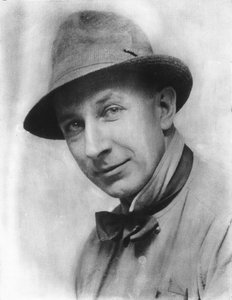
Џорџ Весли Белоуз
1882 - 1925 , Сједињене Америчке Државе
Brzi pregled
- Artistic Movement Or Style: Ашканова школа, Реализам
- Artists Or Movements Influenced By This Artist: Следеће генерације сликара
- Artists Who Influenced This Artist: ['Роберт Хенри']
- Date Of Birth: 12/19. август 1882.
- Date Of Death: 1925.
- Full Name: Џорџ Весли Белоуз
- Nationality: Американац
- Notable Artworks (List Of Titles):
- Централни парк
- Немачки долазе
- Људи са пристаништа
- Тениски турнир
- Place Of Birth (City And Country): Колумбус, САД
Srodni članci
American Realism: Social Commentary & Artistic Representation in Early 20th-Century Painting
Explore the powerful social commentary & artistic representation of American Realism. Discover key artists like Bellows & Sloan, and understand the movement's lasting impact on 20th-century art history.

25 Remek-dela Žorža Seurea: Putovanje kroz Svet Tačizma i Impresionističke Revolucije
Istražite 25 remek-dela Žorža Seurea i uronite u svet tačizma i impresionističke revolucije. Otkrijte priče iza slika, tehnike i inspiraciju ovog francuskog umetnika. Reprodukcije vrhunskog kvaliteta dostupne na OriginalUniqueArt.com!

The Ashcan School: A Guide to Urban Realism for Professional Interior Design and Hospitality Procurement
Discover the raw energy of the Ashcan School. Our guide for hotel designers explores urban realism, offering professional insights into sourcing hand-painted oil reproductions and custom large-scale murals for high-end hospitality and corporate interiors.
The Ashcan School: Realism, Urban Life & the Democratization of American Art
Explore the revolutionary Ashcan School! Discover how artists like Henri & Sloan challenged tradition with gritty realism, capturing urban life in early 20th-century America. Learn about their impact on American art history.

Georges Braque: 25 Remek-dela Kubizma za Inspirisanje Vašeg Doma | OriginalUniqueArt
Istražite 25 remek-dela Georges Braquea, pionira kubizma. Otkrijte priče iza slika, tehnike i inspiraciju za dizajn enterijera. Reprodukcije vrhunskog kvaliteta dostupne na OriginalUniqueArt.com! Pronađite savršeno umetničko delo online.
